For decades, the intersection of athletic recovery and sexual wellness has remained largely partitioned, segregated by societal taboos and rigid product marketing categories. Fitness tools lived strictly in gym bags and clinical offices, while pleasure products remained tucked away in bedside drawers. However, a quiet revolution is taking place at the margins of sports science and personal wellness. A growing cohort of athletes, weekend warriors, and chronic pain sufferers are looking past traditional marketing lines and rediscovering an unlikely, dual-purpose recovery tool: the iconic wand-style personal massager.
At the center of this trend is the legendary Magic Wand—a device originally introduced in the 1970s as a heavy-duty muscle massager before achieving cultural ubiquity as the world’s most recognizable sex toy. Today, users like 63-year-old Laurie from Allenstown, Pennsylvania, are bringing the device full circle. Dealing with the stubborn, searing aches of plantar fasciitis after years of pounding the pavement, Laurie discovered that the high-frequency rumblings of a bedside vibrator could offer profound, instantaneous relief to tight tissues.
While unorthodox at first glance, sports medicine professionals and physical therapists are far from shocked. Clinical research increasingly validates that localized high-frequency vibration can stimulate superficial and deep-tissue blood flow, modulate nerve signaling, and temporarily alleviate stiffness. Yet, medical experts issue an important caveat: while these devices provide remarkable temporary relief and bridge a gap in holistic body awareness, they are not structural cures for chronic musculoskeletal conditions. Furthermore, this trend highlights a fascinating crossover into sexual wellness, with educators noting that using pleasure devices for physical recovery can reduce psychological barriers to intimacy, alleviate performance-related stress, and teach the nervous system how to safely receive pleasure in non-sexual contexts.
Detailed Chronology: From the 1970s Physiotherapy Roots to Modern Dual-Use
To understand how a bedside pleasure device became a runner’s secret weapon for foot pain, it is necessary to examine the evolutionary history of the wand massager.
The Origins of the Hitachi Magic Wand
In the late 1970s, the device now universally known simply as the "Magic Wand" entered the market under the manufacturing banner of Japanese electronics giant Hitachi. Originally engineered and marketed strictly as a therapeutic body massager, the appliance was designed to soothe sore shoulders, aching backs, and tense calves. With its long, ergonomic handle and heavy, lacrosse-ball-sized plastic head, it delivered deep, unyielding oscillations powered by an alternating current electrical plug.
However, consumers quickly recognized its efficacy for anatomical applications far beyond the upper back. By the 1980s and 1990s, sex-positive culture and pioneering sex educators had widely embraced the device for its powerful motor and reliable intensity, shifting its primary cultural footprint into the realm of adult novelty. When Hitachi eventually requested that its branding be removed from the product in the early 2010s to distance itself from the adult industry, the device was rebranded simply as the "Magic Wand," manufactured by Vibratex. Despite the corporate distancing, its dual heritage—born in physical therapy and raised in the bedroom—remained baked into its mechanical DNA.
Laurie’s Discovery: The "Wham-Wham-Wham" Epiphany
Fast-forward several decades to a family visit in Pennsylvania. Laurie, a dedicated runner who has logged thousands of miles across her lifetime, had spent years managing the chronic, debilitating agony of plantar fasciitis—an inflammation of the thick band of tissue running across the bottom of each foot that makes the first steps out of bed each morning feel like walking on broken glass.
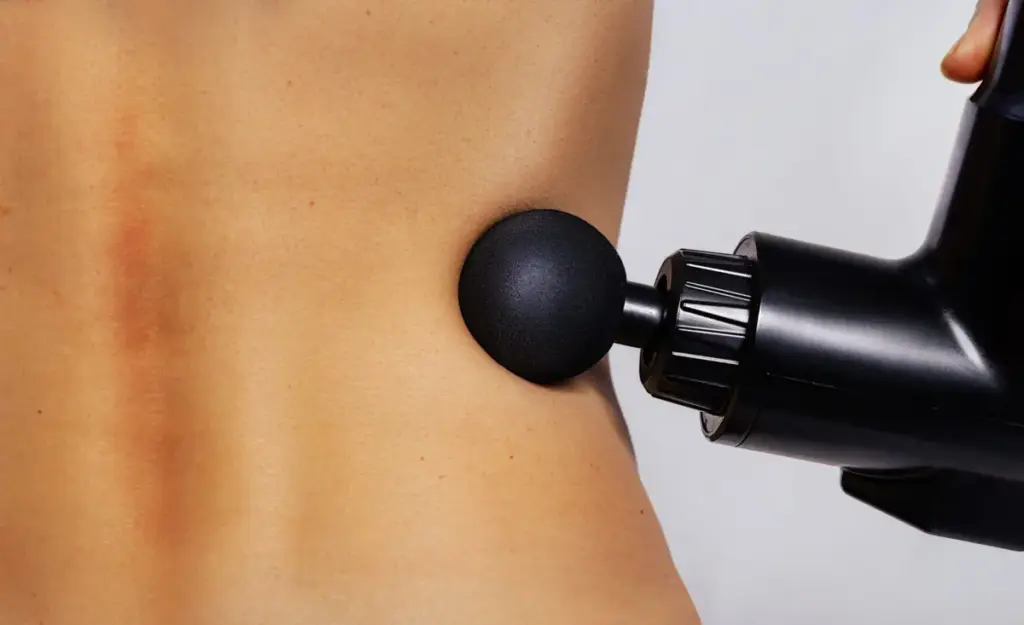
During the visit, Laurie watched her son unpack a modern high-amplitude massage gun, observing its rapid, percussive "wham-wham-wham" motion as he worked on his post-workout muscles. In that exact moment, Laurie and her husband of 41 years, Frank, locked eyes. The rapid mechanical oscillation of the modern fitness gun immediately triggered a mutual realization: they already owned a high-powered, multi-intensity oscillating device sitting quietly on their nightstand.
Determined to test their hypothesis, the couple designed an impromptu clinical trial at sunrise the following morning. Knowing that Laurie’s plantar fasciitis symptoms peaked immediately upon waking, Frank prepared her lower limbs using a specialized massage oil to reduce friction. He then retrieved their Magic Wand, powered it down to its lowest intensity setting, and began systematically working the device. Starting from Laurie’s calves, he guided the rounded head down toward her heels, lingering along the arches and the notoriously tight, tender lateral borders of her feet.
The results were instantaneous. According to Laurie, the gentle, rhythmic hum cut straight through the dense fascial layers of her feet, offering immediate relief to areas that conventional stretching often failed to reach. What began as an experimental morning routine quickly evolved into a fixed multi-weekly ritual for Laurie’s feet, while also expanding to treat Frank’s acute neck and shoulder tension.
Supporting Context & Metrics: The Science of Vibration Therapy
While using a sex toy to treat running injuries sounds like an internet novelty, the underlying biophysics are grounded in established sports medicine principles. Vibration therapy—whether delivered via clinical-grade plates, percussive massage guns, or high-powered wand massagers—has become a staple of modern physical conditioning and rehabilitation.
Physiological Mechanisms: Blood Flow and Neuromodulation
According to physical therapists, the human body responds dynamically to mechanical oscillations. When high-frequency vibrations are applied to the skin and underlying soft tissues, several physiological cascades occur:
Vasodilation and Microcirculation: Mechanical stimulation prompts local blood vessels to dilate, significantly increasing regional blood flow. Enhanced circulation floods fatigued or damaged tissues with oxygen and essential nutrients while accelerating the clearance of metabolic waste products like lactic acid.
The Gate Control Theory of Pain: Vibration overloads sensory nerve fibers in the skin and muscles. According to the gate control theory of pain, these non-painful tactile signals reach the spinal cord faster than pain signals, effectively "closing the gate" and muting the perception of discomfort, tightness, and stiffness.
Neuromuscular Relaxation: Rhythmic oscillation encourages hypertonic (overly contracted) muscles to lengthen by prompting the nervous system to down-regulate motor neuron firing rates. This creates a calming effect on the central nervous system, reducing localized muscle guarding and spasm.
The Nuances of Soft Tissue Remodeling
Despite the immediate sense of relief reported by users like Laurie, clinical experts emphasize a critical distinction between pain modulation and tissue remodeling.
Dr. Bree Nishibun, a San Diego-based Doctor of Physical Therapy, notes that while vibration can profoundly change an individual’s perception of stiffness, it does not mechanically alter the collagen structure of dense connective tissues like the plantar fascia over the long term.
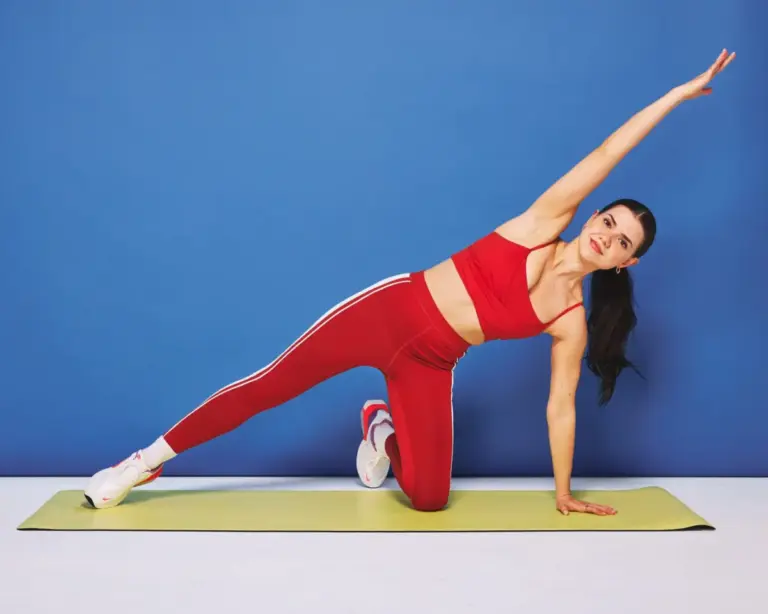
"Vibration can change your perception of pain, stiffness, or tension and therefore offer meaningful temporary relief," explains Dr. Nishibun. "But that feeling of relief doesn’t necessarily mean the vibration is mechanically changing the tissues themselves. For long-term changes to the tissues, most people need progressive strength training, mobility work, and other targeted interventions."
In the case of plantar fasciitis, true rehabilitation requires addressing foot and ankle biomechanics, strengthening the intrinsic muscles of the foot, and progressively loading the calf complex through exercises like heel drops. Therefore, while a wand vibrator can serve as an exceptional management and recovery tool, it remains an adjunct rather than a standalone cure.
Official Statements and Expert Perspectives
The convergence of sexual wellness products and athletic recovery has drawn commentary from a diverse array of health professionals, spanning physical therapy, pelvic floor rehabilitation, and certified sex education.
The Clinical Perspective: "Why Not?"
Dr. Nadia Ruffing, PT, DPT—widely known across digital platforms as "Pelvic Doc Nads"—views the cross-purposing of personal massagers with pragmatic enthusiasm. Rather than clutching pearls over the blurring lines between bedroom accessories and recovery gear, Dr. Ruffing champions resourcefulness.
"Vibration has been shown to support recovery by increasing blood flow and creating a calming effect on the nervous system," says Dr. Ruffing. "If someone is repurposing their vibrating pleasure devices for healing and pain relief, I say why not! It’s a great use of products you already have."
This sentiment reflects a broader cultural shift within physical therapy: encouraging patients to utilize whatever safe, accessible modalities help them manage symptoms, maintain consistency in their movement practices, and enhance their overall quality of life.
The Intersection of Sexual Wellness and Physical Relief
Beyond muscle recovery, experts in sexual health point out that integrating a pleasure device into an athletic recovery routine unlocks profound psychological and relational benefits.
Chronic pain and physical exhaustion are notorious libido killers. When an individual spends their day battling severe foot, back, or joint pain, the mental and physical energy required to engage in sexual intimacy is frequently depleted. Laurie openly acknowledges this barrier, noting: "It’s hard for me to want sexual activity if I’m hurting. So, using the tool in this way helps get me in the mood for sex, too." By alleviating the physical discomfort that acts as a roadblock to desire, the tool inadvertently fosters intimacy between her and Frank, who has been married for over four decades.
Certified sex educator Sarah Tomchesson, CSE, highlights an even deeper psychological mechanism at play when pleasure tools are used in non-sexual contexts. According to Tomchesson, utilizing a vibrator for post-exercise relief trains the human nervous system to recognize and process positive, soothing sensations without the pressure of a sexual endgame.
"By helping your body learn to receive pleasurable sensations in non-sexual contexts, you’re practicing a kind of physical mindfulness that lowers stress and rebuilds trust with your own body," Tomchesson explains. "This can ultimately make it easier to enjoy yourself during sexual contexts, too."
This somatic education helps dismantle internalized shame, encourages body neutrality, and fosters a healthier, more integrated relationship with physical sensation.
Future Outlook: The Future of Cross-Category Wellness
The journey of the Magic Wand—from mid-century therapeutic massager to underground adult novelty, and finally back to a celebrated dual-use recovery and intimacy tool—underscores a larger evolution in consumer habits. Today’s wellness consumer is increasingly dismantling the artificial silos that historically separated medical devices, fitness gear, and sexual health products.
As engineering in the wellness sector continues to advance, we can anticipate several industry trends emerging from this cross-pollination:
Erosion of Industry Taboos: Brands that historically catered exclusively to fitness or adult markets are beginning to recognize the power of cross-category utility. Marketing is shifting away from clinical sterility or hyper-sexualization toward holistic bodily well-being.
Mainstreaming of Multifunctional Devices: Consumers facing economic pressures and cluttered living spaces are increasingly drawn to high-quality, versatile items that serve multiple functions—acting as both therapeutic recovery tools and intimacy enhancers.
Holistic Pain Management Protocols: Forward-thinking physical therapists and wellness coaches are expanding their toolkits to incorporate somatic and sensory-based interventions, acknowledging that pain, stress, recovery, and sexual health are deeply intertwined aspects of human physiology.
Ultimately, whether used to soothe the frayed fascial tissues of a 63-year-old marathon runner or to cultivate deeper somatic awareness in the bedroom, tools like the Magic Wand demonstrate that effective wellness is not about adhering to strict category definitions. It is about finding what works, challenging old stigmas, and listening closely to what the body needs to heal, recover, and thrive.