Executive Overview
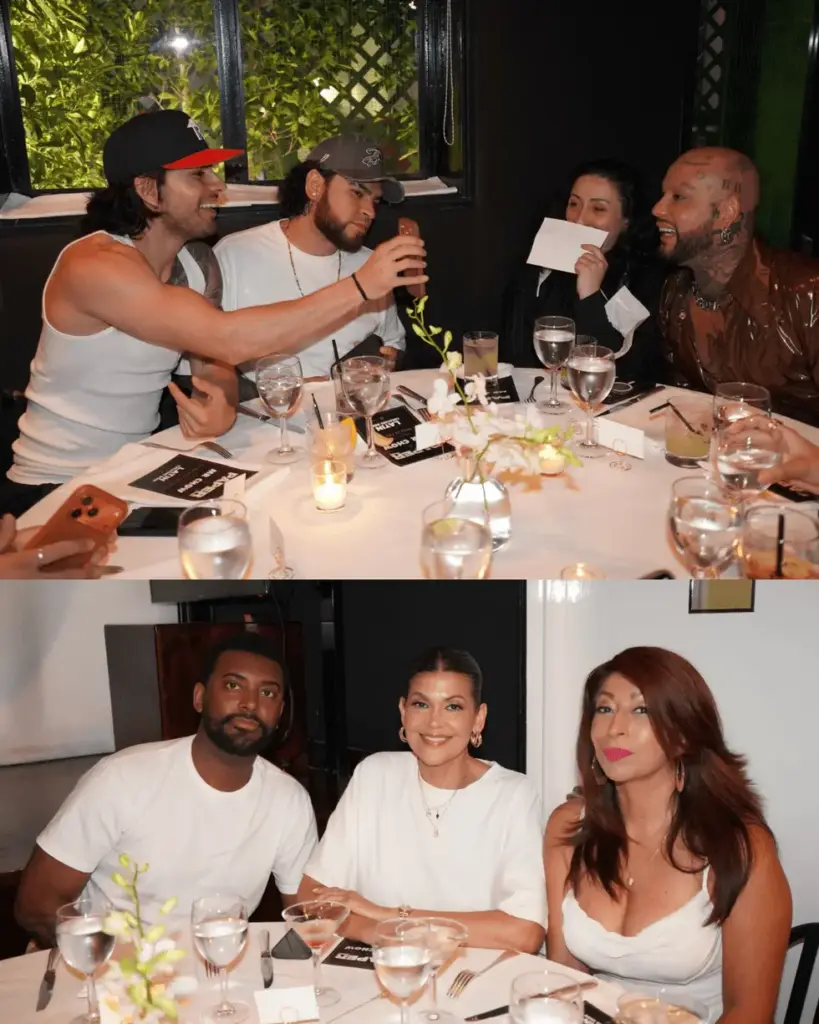
In an era defined by ephemeral content, algorithmic feeds, and the relentless velocity of the digital attention economy, the most profound cultural shifts still happen the old-fashioned way: face-to-face, over breaking bread, and away from the blinding flash of the red carpet. This was the guiding ethos behind one of the most exclusive and culturally significant gatherings of Latin Creators Week: an intimate private dinner hosted by PAPER Español at Mr. Chow in Beverly Hills.
Bringing together a carefully curated roster of the most influential musicians, fashion designers, digital creators, comedians, and cultural anthropologists shaping contemporary media, the evening functioned as both a celebration and a laboratory. Graciously hosted by Vanessa Chow, the event transcended the traditional Hollywood networking mixer. Instead, it served as a deliberate sanctuary for cross-disciplinary pollination—a place where the architects of modern Latin culture could step out of the spotlight and converse candidly about the past, present, and future of their respective industries.
From global arena-filling superstars like Fuerza Regida to multimedia powerhouses like Lele Pons, sharp-witted comedic voices like Aida Rodriguez, and visionary culinary anthropologists like Dr. Claudia Serrato, the room represented the multifaceted, borderless reality of modern Latin identity. As the boundaries between digital influence, traditional entertainment, high fashion, and the music industry continue to dissolve, PAPER Español’s gathering provided a vital physical anchor. It was a physical manifestation of a community that is no longer knocking on the doors of mainstream culture, but rather redesigning the entire house from the inside out.
Detailed Chronology: An Evening of Unscripted Connection
Arrival and the Art of Unwinding at Mr. Chow
The evening commenced as guests stepped past the velvet ropes and into the refined, minimalist elegance of Mr. Chow in Beverly Hills. Eschewing the frantic, timed choreography of a traditional industry gala, the atmosphere was immediately disarming. There were no press lines, no staged photo-ops upon entry, and no immediate demands for soundbites.
Instead, the early hours of the evening were characterized by a palpable sense of relief. Creators who spent their days navigating the high-pressure worlds of Instagram algorithms, TikTok trends, and grueling tour schedules were invited to simply decompress. Host Vanessa Chow greeted attendees personally, setting a tone of familial warmth and exclusivity that encouraged genuine human interaction from the outset.
As appetizers were served and conversations began to hum across the tables, early dynamics quickly formed. Lele Pons, a titan of the digital space who has successfully transitioned her massive online following into broad multimedia and musical success, was spotted deep in conversation with fellow digital creator Andrew Davila. Their exchange—bridging the gap between legacy digital stardom and the newer waves of online personality-building—highlighted the generational continuity present in the room.
Conversations Across Disciplines: Comedy, Music, and Social Evolution
As the night progressed past the first course, the intellectual and creative energy in the room shifted toward broader cultural reflections. At a central table, rapper Snow Tha Product—known for her razor-sharp lyrical delivery and fiercely independent approach to the music industry—engaged in a poignant dialogue with comedian and writer Aida Rodriguez.
The two artists, both renowned for using their platforms to challenge systemic tropes and champion authentic Latino narratives, discussed the arduous evolution of Latino representation in mainstream entertainment. Their conversation touched on the paradox of modern visibility: while Latin creators are commanding unprecedented numbers online, translating that digital clout into lasting, institutional power in Hollywood and the global music business remains an ongoing battle.
This thematic thread resonated throughout the entire dining room. Just seats away, members of the powerhouse regional Mexican group Fuerza Regida—including JOP, Pelón, and Moisés—mingled fluidly with legendary producer Lil Eddie Serrano and rising artist DobleU. The exchange between the regional Mexican heavyweights and veteran urban music producers was emblematic of the night’s broader purpose. In today’s musical landscape, genre boundaries are porous. The traditional walls separating regional Mexican music, urban reggaeton, American hip-hop, and pop are crumbling, and the people building the bridges were right there sharing plates and swapping theories on industry disruption.
Fashion, Image-Making, and the Visual Language of Identity
Culture, however, is not built on sound alone; it is inherently visual. Recognizing this, PAPER Español curated a guest list that placed fashion designers, stylists, and image-makers front and center, ensuring that the dialogue extended seamlessly into aesthetics and physical self-expression.
Designer Rio, founder of the boundary-pushing label RioWorld, was deep in discussion with celebrity stylist Joshua Alan Clark and visionary makeup artist David Velásquez. They were joined by acclaimed photographer Jora Frantzis, whose lens has helped define the visual iconography of some of music’s biggest modern stars. Their conversation moved effortlessly from the technical challenges of capturing raw artistic essence on film to the broader implications of style as armor and expression in the public eye.
In these intimate exchanges, the symbiotic relationship between music and fashion was laid bare. Artists look to stylists and designers to build their visual worlds, while creators look to photographers and directors to immortalize their brands. By seating these disciplines next to one another, the dinner fostered an environment where spontaneous artistic partnerships could take root.
Bridging Disciplines: Culinary Anthropology and Holistic Culture
Perhaps one of the most striking elements of the evening was its refusal to compartmentalize "creativity" into neat, commercial boxes. This was epitomized by the presence of Indigenous chef and culinary anthropologist Dr. Claudia Serrato.
Dr. Serrato’s inclusion served as a powerful reminder that Latin creativity extends far beyond the confines of digital feeds, recording studios, and fashion runways. It lives in ancestral roots, in gastronomy, in storytelling, and in the rituals of daily life. Her conversations with digital creators like Michelle Jenae and Jojo Sim underscored a vital truth: today’s Latin creators are not just producing entertainment; they are curating a holistic cultural ecosystem. Whether through a viral TikTok video, a high-fashion editorial, or the historical preservation of Indigenous ingredients, every discipline represented in the room was a different facet of the same multifaceted cultural gem.
Supporting Context & Metrics: The Ascent of Latin Creative Power
To truly understand the significance of PAPER Español’s private dinner, one must examine the macro-economic and cultural landscape in which it took place. Latin Creators Week is not merely a localized event series; it is a response to an unprecedented tectonic shift in global media consumption.
The Economic and Cultural Might of the Latin Creator Economy
According to recent industry reports, the U.S. Latino demographic commands a GDP exceeding $3.2 trillion, making it the fifth-largest economy in the world if considered as an independent nation. More importantly, this economic power is heavily indexed among younger, digitally native generations. Latinos over-index significantly in smartphone adoption, social media engagement, and streaming consumption across platforms like YouTube, TikTok, and Spotify.
Yet, despite these staggering consumption metrics, Latin creators and executives have historically faced systemic underrepresentation in traditional boardrooms, venture capital funding rounds, and legacy media gatekeeping positions. The rise of independent digital platforms has bypassed these traditional gatekeepers, allowing creators like Lele Pons, Snow Tha Product, and the members of Fuerza Regida to build direct-to-consumer empires without traditional institutional permission.
Fuerza Regida and the Regional Mexican Boom
The presence of Fuerza Regida at the dinner highlights another monumental shift in the global music market: the explosive international dominance of Regional Mexican music. Once marginalized as a niche, regional genre, artists like Fuerza Regida have shattered streaming records, regularly dominating the global Billboard charts and selling out massive arenas across the United States and Latin America.
This musical renaissance is a testament to a broader cultural confidence. Today’s creators do not feel compelled to dilute their heritage or anglicize their art to find global success. Instead, the global audience is increasingly eager to consume art delivered in Spanish, rooted in specific cultural traditions, and executed with uncompromising authenticity.
The Power of Cross-Pollination
The strategic brilliance of Latin Creators Week—and by extension, PAPER Español’s intimate dinner—lies in its recognition of cross-pollination. In the modern media landscape, silos are career killers. Musicians must think like fashion moguls; digital creators must understand music distribution; comedians must leverage digital platforms to build global touring brands.
By gathering representatives from music, fashion, comedy, culinary arts, and digital media into a single enclosed space, the organizers engineered a micro-economy of ideas. Research in organizational sociology consistently demonstrates that innovation happens at the intersections of disparate fields. When a digital-first creator learns about audience monetization from a veteran producer, or a fashion designer gains narrative inspiration from an Indigenous culinary anthropologist, the entire cultural ecosystem advances.
Official Statements and Cultural Philosophy
While the evening was intentionally designed to feel organic and unpretentious, the underlying philosophy guiding PAPER Español and the broader Latin Creators Week initiative is both intentional and ambitious.
In a joint framing of the event’s mission, organizers emphasized that the gathering was built to foster relationships that "outlast a campaign, a post, or an algorithm." In an industry obsessed with short-term metrics—clicks, views, algorithmic favor, and immediate return on ad spend—taking the time to build analog, offline relationships is a radical act.
As PAPER Español articulated in reflections following the event:
"At a moment when Latino talent continues to reshape culture on a global scale, bringing so many of the people driving that momentum together under one roof felt like the beginning of something new. After all, the best collaborations rarely begin in a boardroom or meeting. They start around a table."
This sentiment echoes a growing industry weariness with transactional networking. The modern creator economy can be notoriously isolating. The relentless pressure to produce content, manage public personas, and constantly feed the beast of social media often leaves creators feeling burnt out and disconnected from their peers. By carving out a physical space defined by good food, relaxed conversation, and genuine camaraderie, PAPER Español provided a much-needed antidote to digital fatigue.
Furthermore, the choice of host—Vanessa Chow—and the iconic venue of Mr. Chow added an air of understated prestige. It signaled that Latin culture does not merely occupy a temporary trend cycle in contemporary luxury and entertainment; it defines it.
Future Outlook: What Comes Next for the Latin Creative Vanguard?
As the plates were cleared and the evening at Mr. Chow drew to a close, the lingering energy in the room was not one of closure, but of anticipation. Gatherings like this rarely yield immediate press releases or overnight product drops, but cultural historians know that they plant the seeds for tomorrow’s watershed moments.
The Shift from Influence to Institutional Ownership
Looking ahead, the trajectory of the Latin creator community is moving decisively beyond mere "influence" and toward institutional ownership. Creators who once signed away their intellectual property to traditional record labels, networks, and management agencies are now launching their own venture funds, independent production companies, fashion houses, and digital platforms.
The conversations that took place between courses at Mr. Chow—where producers shared space with designers, and comedians debated business models with tech-savvy digital stars—are the exact incubators for these future independent enterprises. When creators control the narrative, the styling, the sound, and the distribution, the traditional power dynamics of Hollywood and Madison Avenue are permanently rewritten.
Deepening Cross-Border and Intergenerational Collaboration
Another vital takeaway for the future is the intentional dismantling of generational and geographic silos. By bringing together legacy veterans like Lil Eddie Serrano alongside Gen-Z digital powerhouses like Andrew Davila and Jojo Sim, the event bridged the historical knowledge gap that often plagues rapidly evolving industries.
Veterans bring institutional knowledge, negotiation savvy, and long-term strategic vision; digital natives bring an instinctive, frictionless understanding of modern consumer behavior, platform mechanics, and community building. When these two forces combine, the results are formidable.
The Enduring Legacy of Latin Creators Week
As Latin Creators Week continues to evolve and expand its footprint, events like PAPER Español’s private dinner will serve as its beating heart. They prove that while the internet may have given this generation of creators their initial global reach, it is real-world community, shared values, and face-to-face solidarity that will sustain them for decades to come.
Ultimately, the dinner at Mr. Chow was more than a glamorous night out in Beverly Hills. It was a snapshot of a cultural renaissance. It captured a moment in time when Latin creators are not just participating in the global cultural conversation—they are authoring its next great chapter, one table, one connection, and one groundbreaking collaboration at a time.