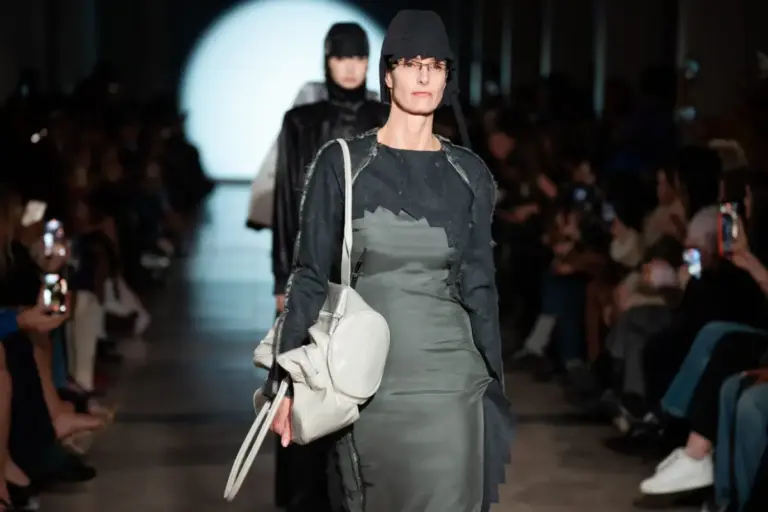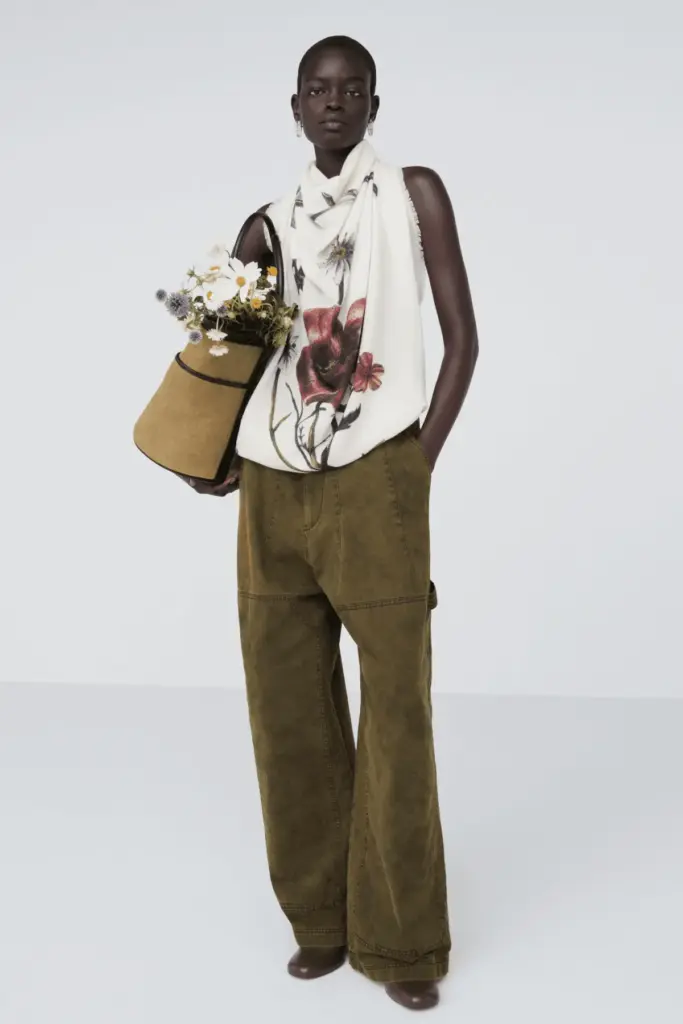
In an era where high-fashion collaborations have largely devolved into predictable logo-slapping exercises, Zara continues to carve out a more high-concept niche. The retail giant’s latest arrivals section is currently generating intense industry buzz, driven not just by its comprehensive forecasting of autumn staples, but by a profoundly intriguing creative partnership: Baisi Guadagnino for Zara.
Dubbed the “Atlas of Desire,” this capsule collection marks an intersection where architecture, production design, and arthouse cinema collide with global high-street retail. Born from the creative minds of architect and production designer Stefano Baisi and Challengers and Call Me by Your Name filmmaker Luca Guadagnino, the collection translates a lush, idiosyncratic cinematic language into wearable, expressive garments.
Beyond this headline-grabbing partnership, Zara’s broader autumn drop functions as an authoritative masterclass in seasonal retail forecasting. From painterly prints and statement outerwear to reimagined 9-to-5 tailoring and a robust early look at holiday party dressing, the brand’s latest arrivals argue convincingly that shoppers can curate an entire cold-weather calendar under one digital and physical roof. This report offers a comprehensive examination of the collection, detailing its genesis, design architecture, macroeconomic positioning, and what it signals for the future of high-street-meets-auteur fashion collaborations.
Detailed Chronology: From Concept to Runway-Ready High Street
The genesis of "Atlas of Desire" did not begin in a conventional design studio sketching boards; rather, it evolved out of a sustained creative dialogue between two men whose professional lives are dedicated to building worlds. Stefano Baisi, known for his rigorous architectural approach to spatial design, and Luca Guadagnino, celebrated for his hyper-sensory, visually intoxicating cinematic framing, spent months conceptualizing a wardrobe that feels as though it has been pulled directly from the wardrobe department of an unmade, sun-drenched European psychological thriller.
The Timeline of the Collaboration
- The Conceptual Phase (Late 2024–Early 2025): Baisi and Guadagnino began exploring the intersections of human desire, architectural lines, and tactile memory. The core philosophy centered on creating garments that act as "objects" rather than mere afterthoughts of dressing.
- Prototyping and Material Selection (Mid-2025): Translating the duo’s heavy atmospheric vision into Zara’s agile manufacturing framework required a delicate balance. Heavy wools, fluid silks, and rich suedes were selected to ensure the tactile integrity demanded by the designers remained uncompromised at a commercial scale.
- The Fall 2026 Rollout: Unveiled quietly within Zara’s digital new arrivals ecosystem, the collection bypassed traditional seasonal runway hype in favor of a direct-to-consumer digital and flagship reveal, instantly capturing the attention of fashion editors and trend forecasters alike.
Concurrently, Zara’s in-house design team developed a parallel seasonal narrative. As the transition from late summer heat to brisk autumn mornings materialized across global markets, the brand systematically deployed its macro-trend checklist. The rollout prioritized versatility, introducing multi-functional garments—such as reversible outerwear and convertible workwear—designed to adapt to the unpredictable climate patterns of early autumn.
Supporting Context & Metrics: The Anatomy of "Atlas of Desire" and Fall 2026 Trends
To understand the weight of Zara’s current inventory, one must examine the specific pieces driving consumer engagement and digital cart additions. The collection is defined by a distinct push-and-pull between structural precision and fluid romanticism.
Key Pieces from the Baisi Guadagnino Collaboration
- The Draped Dress ($229): A masterclass in fluid geometry, this midi scarf dress ($229) utilizes clever draping to echo the movement of classic cinematic costume design, offering an effortless transition from day events to evening galas.
- The Daily Coat ($459): A heavy-duty, contrast long coat that anchors the collection’s outerwear segment, blending architectural clean lines with cold-weather functionality.
- The Versatile Scarf & Daily Carryall ($179 and $269): 100% wool printed scarves and supple leather shopper bags that treat accessories not as supplementary add-ons, but as foundational styling pillars.
The Broader Autumn Assortment
Zara’s broader seasonal drop responds directly to macroeconomic shifts in consumer spending. With shoppers increasingly seeking "cost-per-wear" versatility amid economic tightening, the brand has heavily invested in items that perform double duty:
- The Modern Workwear Evolution: Moving away from the predictable poplin button-down (though ample options remain for the traditionalist), the 9-to-5 sector features tops with unexpected asymmetric draping, tie details, and rich jewel tones. Tweed cardigans successfully masquerade as polished blazers via decorative hardware, while lace-trimmed pencil skirts subtly introduce lingerie influences into corporate environments.
- Weekend Utility & Textures: As leisure bleeds further into casual wear, leather balloon pants ($269) present a contemporary alternative to the ubiquitous barrel-leg jean. Military-inspired blazers and blouson jackets tap into lingering utility trends, utilizing durable hardware and structured shoulders.
- Footwear and Accessory Infrastructure: The autumn footwear ecosystem covers every conceivable urban occasion. Suede knee-high boots ($169), leather loafers ($109), and backless flats provide robust day-to-day wear, while sculptural floral and jewel pin brooches ($36 for a 3-pack) allow consumers to personalize foundational coats and blazers with minimal investment.
Official Statements: Behind the Scenes of High-Street Auteurism
While mass-market collaborations with high-end designers are no longer novel, partnering with an architectural designer and an auteur filmmaker represents a distinct evolution in retail strategy.
In statements accompanying the release of "Atlas of Desire," representatives for the creative duo emphasized the narrative-driven nature of the clothing. "We were not interested in designing clothes that simply fill a closet; we wanted to construct garments that alter how the wearer inhabits space," notes the underlying philosophy of the Baisi-Guadagnino framework. By treating each piece—from the high-heel shoes ($169) to the oversized shirting—as an autonomous object of desire, the collaborators sought to democratize the sensory richness typically reserved for luxury cinematic costume design.
Industry analysts have praised the move. Speaking on condition of anonymity, a prominent retail strategist noted:
"Zara has realized that modern consumers—particularly Gen Z and millennial luxury-adjacent shoppers—crave narrative depth. By bringing in architects and filmmakers instead of standard runway designers, they bypass fashion fatigue and offer an intellectual curiosity that elevates the perceived value of the entire digital store."
Furthermore, Zara’s internal merchandising team has highlighted the strategic integration of transitional color palettes. The introduction of rich painterly prints juxtaposed against vibrant pops of turquoise—a dominant color trend for late 2026—demonstrates the brand’s ability to translate high-runway color forecasting into accessible, immediate commercial inventory without diluting the aesthetic edge.
Future Outlook: What the Baisi Guadagnino Collaboration Signals for Retail
As we look toward the remainder of the decade, the success of Zara’s partnership with Stefano Baisi and Luca Guadagnino establishes a compelling blueprint for the future of fast-fashion and retail collaborations.
1. The Rise of Interdisciplinary Collaborations
The era of predictable designer-meets-retailer capsule collections is facing consumer saturation. Future partnerships will likely look beyond traditional fashion design, drawing heavily from architects, interior designers, soundscape artists, and independent filmmakers. These collaborations promise to infuse mass-market apparel with a conceptual rigor that resonates deeply with digitally native consumers who value storytelling above all else.
2. Accelerated Holiday and Resort Forecasting
Zara’s early rollout of sequined dresses and party-season separates alongside heavy wool coats indicates a permanent shift in retail calendars. Traditional seasonal boundaries are dissolving; consumers now shop with a hyper-fluid calendar in mind, purchasing holiday party attire in early autumn while simultaneously stocking up on weather-proof outerwear. Retailers must maintain agile, year-round supply chains capable of pivoting between utility wear, tailoring, and evening glamor simultaneously.
3. Sustainability and "Object" Longevity
As scrutiny on fast-market consumption intensifies, collections that frame garments as enduring "objects" rather than disposable trends point toward a maturing industry. By focusing on tactile fabrics, timeless silhouettes with conceptual twists (such as reversible outerwear and heirloom-style brooches), brands are subtly encouraging consumers to invest in pieces designed to transcend a single micro-trend cycle.
Ultimately, "Atlas of Desire" proves that the high street is no longer content merely reacting to luxury runways. By inviting cinematic auteurs to reimagine the daily wardrobe, Zara has set a new benchmark—transforming a routine browse through a digital arrivals section into an immersive narrative experience.