Executive Overview
For decades, the fitness industry has operated under a rigid, often punishing dogma: if you aren’t breathless, drenched in sweat, and pounding the pavement with high-intensity plyometrics, running, or jumping, you aren’t doing "real" cardio. Gym culture has long equated cardiovascular success with joint-jarring impact, leaving millions of fitness enthusiasts, postpartum individuals, aging populations, and those recovering from injuries sidelined or enduring chronic joint pain.
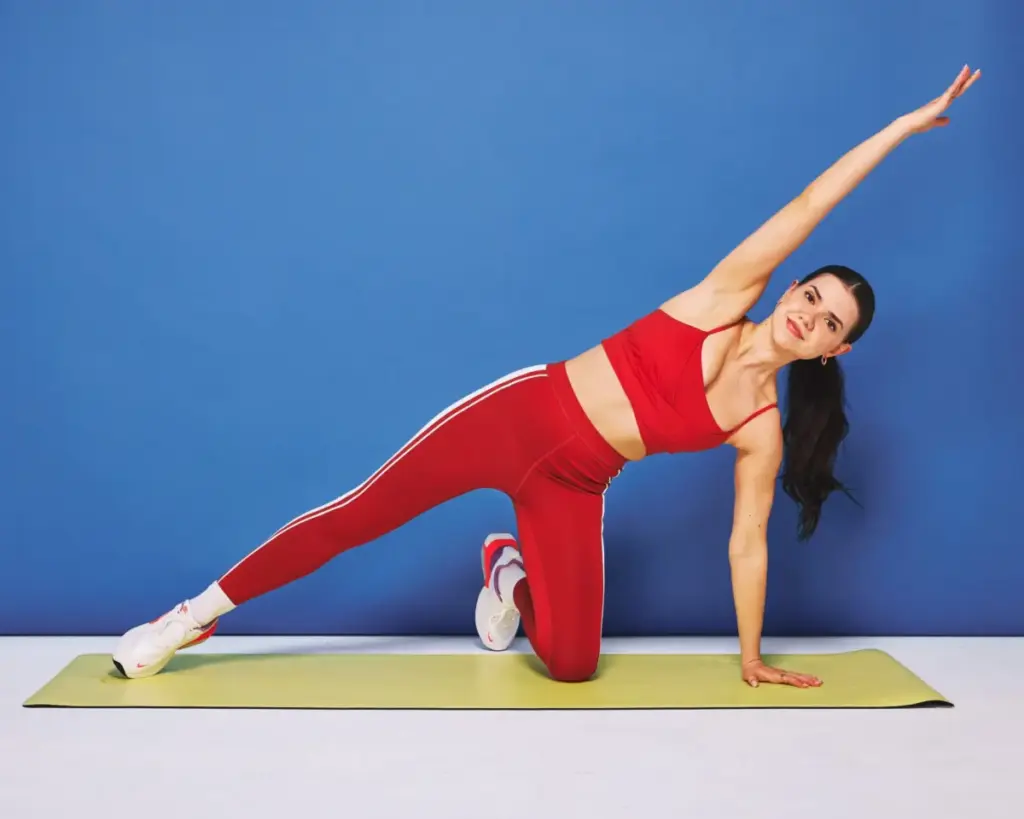
However, a paradigm shift is underway. Exercise physiologists, physical therapists, and certified strength coaches are redefining what it means to build cardiovascular endurance. The secret lies in low-impact cardio—a training modality that proves you can dramatically elevate your heart rate, burn substantial calories, and build functional stamina entirely without running or jumping.

According to fitness experts, low-impact bodyweight training is no longer viewed merely as a modified alternative for rehabilitation. Instead, it is being recognized as an elite, highly sustainable form of conditioning. By strategically leveraging compound movements, dynamic core stabilization, pacing, and multi-planar execution, practitioners can achieve the same cardiovascular stimulus as high-intensity interval training (HIIT) while drastically reducing the mechanical stress placed on the ankles, knees, hips, and lumbar spine.
This comprehensive report explores the biomechanics of low-impact cardiovascular training, its surprising skeletal health benefits, expert-backed strategies for maximizing heart rate without plyometrics, and the future outlook of joint-conscious fitness programming.

Detailed Chronology: The Evolution of Cardio Conditioning
To understand the current pivot toward low-impact training, it is essential to trace how modern cardiovascular conditioning evolved and why the fitness landscape became so fixated on high-impact regimens.
The Aerobics Boom and the "No Pain, No Gain" Era (1970s–1990s)
The modern obsession with high-impact cardio truly took root during the 1970s running boom, popularized by authors like Jim Fixx, followed rapidly by the high-octane, high-impact aerobic dance crazes of the 1980s. Characterized by relentless bouncing, leaping, and step-aerobics routines executed on unyielding studio floors, this era cemented the cultural belief that sweating required suffering.

While these routines successfully engaged the cardiorespiratory system, they also ushered in an unprecedented wave of overuse injuries. Shin splints, patellofemoral pain syndrome, plantar fasciitis, and lumbar disc strains became ubiquitous badges of honor among everyday exercisers.
The Rise of Extreme Conditioning and Plyometrics (2000s–2010s)
As the fitness industry matured, it shifted toward extreme conditioning programs, boot camps, and high-intensity interval training (HIIT) frameworks. While scientifically proven to improve VO2 max and metabolic health rapidly, these programs frequently relied on heavy plyometric movements—box jumps, burpees with maximal jumps, tuck jumps, and sprinting. For conditioned athletes, these movements offer undeniable power and agility benefits. However, for beginners, individuals with pre-existing joint vulnerabilities, or those returning from a sedentary lifestyle, the barrier to entry was steep, often resulting in discouragement and injury-induced dropouts.

The Modern Paradigm: Accessibility, Longevity, and Sustainability (Present Day)
Today, the fitness world is experiencing a correction. Driven by a deeper understanding of kinesiology, physical longevity, and holistic wellness, trainers and exercise scientists are prioritizing sustainable movement patterns. The contemporary fitness philosophy acknowledges that the "best" workout is not necessarily the one that pushes the body to its absolute mechanical breaking point, but rather the one an individual can perform consistently over decades.
Low-impact cardio has emerged at the center of this movement. By stripping away the requirement for jumping and running, trainers have unlocked a vast reservoir of physical potential, proving that cardiovascular conditioning can be inclusive, joint-friendly, and profoundly effective.

Supporting Context & Metrics: The Science of Low-Impact Conditioning
To appreciate how low-impact exercises can rival traditional running or jumping in terms of cardiovascular challenge, one must examine the physiological mechanisms at play.
The Biomechanics of Impact vs. Load
When a runner’s foot strikes the ground, the skeletal system absorbs a ground reaction force equivalent to roughly 2.5 to 4 times the runner’s body weight. Over thousands of strides, this repetitive mechanical loading accumulates micro-trauma in the cartilage, tendons, and bones.

In contrast, low-impact exercises maintain at least one point of contact with the ground or apparatus at all times. This drastically attenuates the peak impact forces transferred up the kinetic chain. For individuals with sensitive lower backs, arthritic knees, or compromised hip capsules, this reduction in sheer force is the deciding factor between a successful workout and days of debilitating pain.
The Bone Density Connection: Low-Impact vs. No-Impact
A common misconception is that because low-impact exercises avoid high-impact jumping, they offer no skeletal benefits. Exercise specialists clarify that bone tissue responds to mechanical stress (Wolff’s Law), which dictates that bones remodel and strengthen in response to the loads placed upon them.

- No-Impact Exercises (e.g., swimming, cycling): While exceptional for cardiovascular health and muscular endurance, these activities take place in buoyant or supported environments where gravity and ground reaction forces are minimized. Consequently, they offer relatively modest osteogenic (bone-strengthening) stimuli.
- Low-Impact Exercises (e.g., brisk walking, weighted step-outs, modified bodyweight circuits): Because these movements maintain ground contact and require the skeletal system to support full body weight against gravity, they still deliver vital mechanical stress to the bones. This makes low-impact routines a phenomenal tool for supporting bone mineral density and mitigating the risks of osteopenia and osteoporosis without the joint trauma of plyometrics.
Quantifying Cardiovascular Output Without Jumps
How does a workout keep the heart rate elevated in Zone 3 or Zone 4 without running? The answer lies in systemic vascular recruitment and muscular demand.
When you perform a traditional high-impact movement like a sprinting interval, your lower body muscles demand a massive volume of oxygen-rich blood, driving up your heart rate. Low-impact cardio achieves this exact same hemodynamic response through two primary mechanisms:

- Total Muscle Mass Engagement: By pairing lower-body patterns (like squats or lunges) with sweeping upper-body movements (like overhead reaches or large arm circles), you force blood to circulate across the entire body simultaneously.
- Elimination of Rest Phases: High-impact movements often require brief moments of airborne suspension or mandatory recovery due to impact fatigue. Low-impact flows allow for continuous, fluid transitions, keeping the cardiovascular system under a sustained load with shorter rest intervals.
Expert Insights and Practical Application
To successfully transition from high-impact or sedentary habits into an effective low-impact routine, fitness professionals emphasize specific programming techniques.
1. Harnessing Compound and Combo Movements
To spike the heart rate without leaving the floor, exercisers must recruit as many muscle groups as possible in a single repetition. Cara Bonney, a certified strength and conditioning specialist and Club Pilates Master Trainer, notes that integrating the upper and lower body simultaneously is a game-changer.

- Example: Instead of a standard static squat, incorporate a dynamic overhead reach. As you press up from the squat, sweep your arms upward. This compound action forces the heart to pump blood vertically across the entire torso, accelerating the heart rate far more effectively than lower-body mechanics alone.
2. Modifying Traditional High-Impact Moves
You do not need to abandon your favorite high-intensity exercises; you simply need to rewrite their execution.
- The Low-Impact Burpee: Instead of jumping your feet back into a plank and violently jumping back up, step your feet back one at a time into a high plank, and step them forward upon return. Maintain an athletic posture and rise quickly to keep the tempo brisk.
- The Low-Impact Jumping Jack: Eliminate the jump entirely by keeping both feet rooted and tapping one foot out to the side alternately while driving your arms overhead in a wide arc.
3. Elevating Full-Body Planks
Planks are inherently challenging, full-body isometric holds that demand immense core and shoulder stability. By introducing dynamic variations, you transform a stationary core exercise into a cardiovascular powerhouse.

- Shoulder Tap Planks: From a high plank position, alternate tapping each hand to the opposite shoulder. This forces the core to resist rotational forces while taxing the upper body and heart.
- Twisting Knee Drives: Weave in cross-body mountain climbers executed at a controlled, deliberate tempo to fire up the obliques and spike respiration rates.
- Lateral Plank Walks: Step your hands and feet side-to-side in a plank position to challenge stability while keeping the cardiovascular system engaged.
4. Manipulating Tempo and Programming Density
Intensity is not solely determined by how high you jump; it is heavily dictated by speed and density.
- Pace: By increasing the speed at which you execute bodyweight movements—while strictly maintaining pristine structural form—you ensure continuous blood flow and sustained cardiovascular taxation.
- Interval Structure: To achieve a true cardio effect from low-impact bodyweight work, structure your sessions with extended work intervals (e.g., 45 to 60 seconds of continuous movement) paired with compressed rest periods (e.g., 15 to 20 seconds).
Future Outlook: The Next Era of Inclusive Fitness
As the global fitness community becomes increasingly diverse, aging, and injury-conscious, the demand for intelligent, sustainable exercise modalities will only accelerate. The future of fitness programming is moving away from the exclusionary "all-or-nothing" mentality of the past and toward a nuanced, highly adaptable spectrum of movement.

Experts predict that low-impact cardio will soon shed its reputation as a secondary option for "beginners" or "the injured" and take its rightful place as a foundational pillar of athletic conditioning. Wearable fitness technology is already beginning to reflect this change, tracking cardiovascular strain, heart rate zones, and metabolic output independent of mechanical impact metrics.
Furthermore, as physical therapists and orthopedic surgeons collaborate more closely with personal trainers, exercise prescriptions will increasingly prioritize joint preservation alongside metabolic health. Programs that combine zero- and low-impact bodyweight calisthenics with mobility work will dominate home workouts and commercial gyms alike.

Ultimately, the low-impact cardio movement offers an empowering realization: cardiovascular excellence and joint longevity are not mutually exclusive. By embracing smart movement mechanics, total-body integration, and clever programming, anyone—regardless of age, joint health, or fitness background—can achieve a breathless, sweat-inducing workout that respects the body and stands the test of time.