Executive Overview
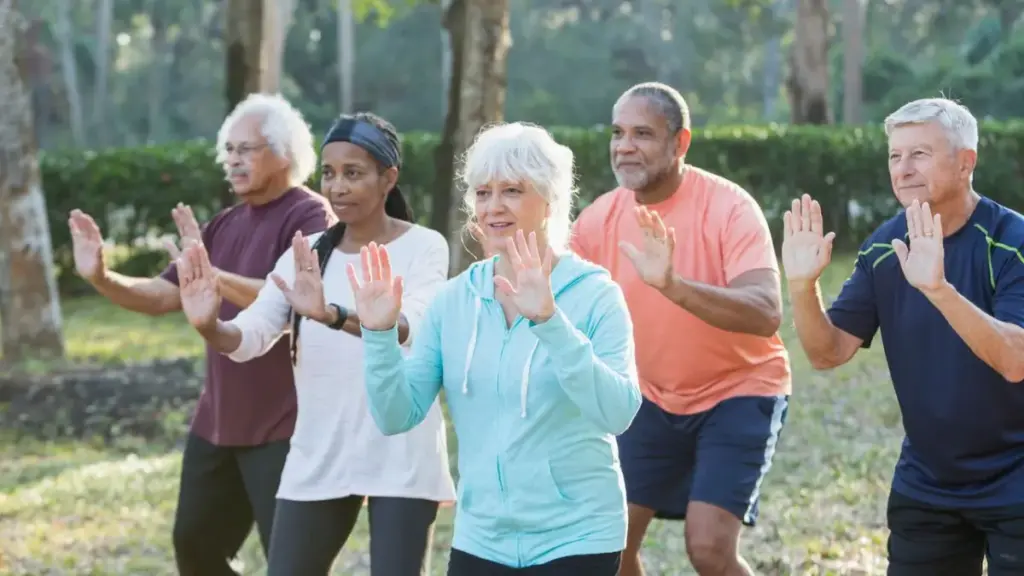
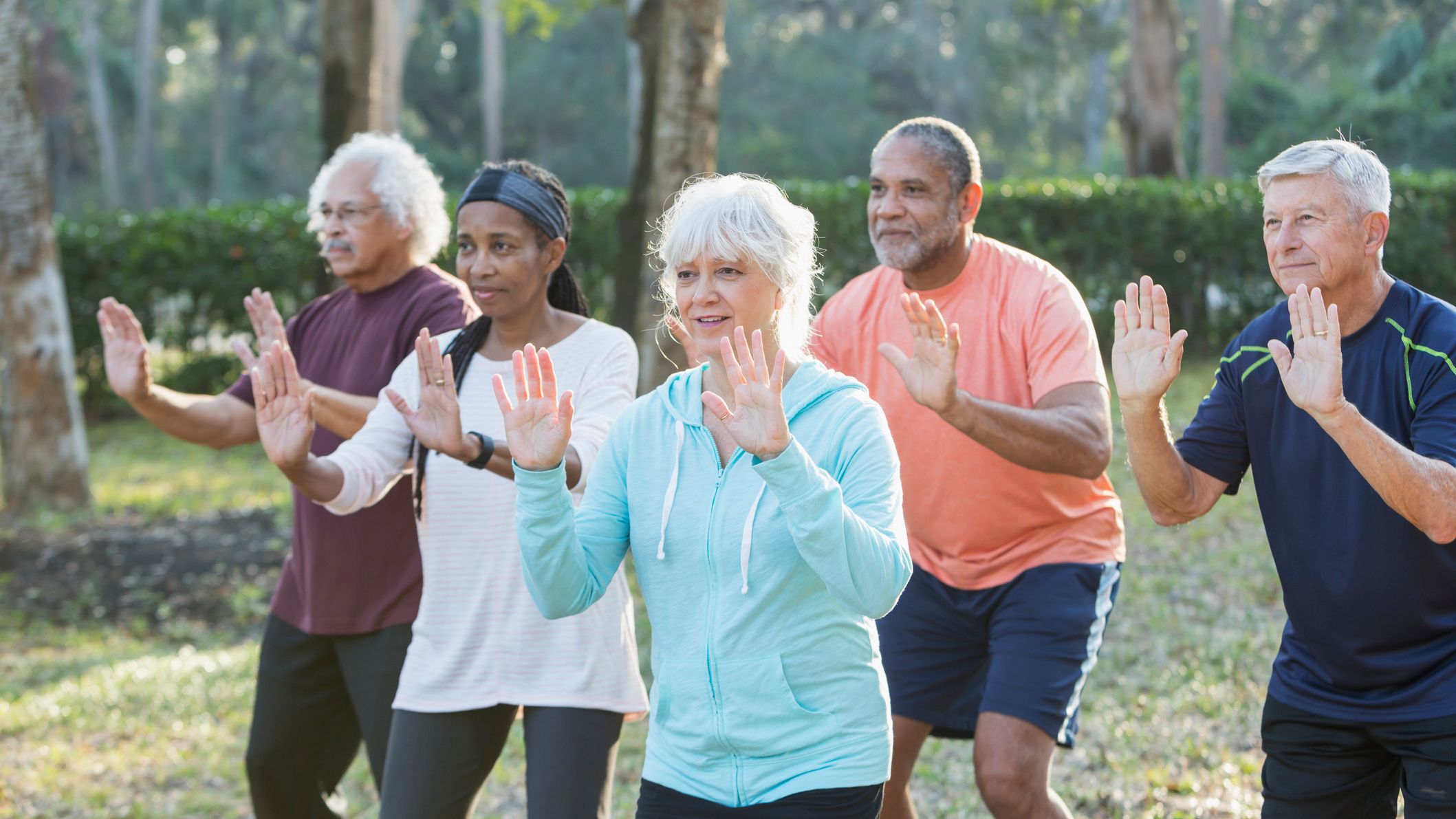
For decades, popular culture has pigeonholed Tai Chi into a singular, narrow category: a slow, leisurely exercise performed by seniors in public parks at dawn. To the untrained observer, it appears to be little more than glorified stretching, light gymnastics, or a meditative pastime devoid of any real physical rigor. However, beneath its graceful, fluid exterior lies a sophisticated, deeply scientific martial art underpinned by complex biomechanics, targeted breathwork, and advanced neuromuscular conditioning.
To challenge these common misconceptions, I spoke with Mark Peters, a preeminent UK-based Tai Chi and qigong expert who has dedicated his career to bridging the gap between ancient martial traditions and contemporary healthcare. Peters has spent years teaching health and fitness professionals how to translate these ancient practices into potent rehabilitative tools. Far from being a soft, esoteric hobby, Tai Chi is increasingly being recognized by the medical establishment—including the UK’s National Health Service (NHS)—as a rigorous clinical intervention. It is used systematically to prevent life-threatening falls in the elderly, accelerate recovery in cardiac patients, and improve quality of life for individuals suffering from chronic obstructive pulmonary disease (COPD).
This investigative feature delves deep into the biomechanics of Tai Chi, deconstructing the foundational movement principles taught by Peters and exploring how shifting one’s physical awareness can fundamentally alter stability, posture, and energy distribution. By examining official statements, expert insights, and structural methodologies, we explore why this traditional discipline is rapidly transitioning from the fringe of alternative wellness into the mainstream of evidence-based clinical rehabilitation.
Detailed Chronology: From Ancient Martial Art to Clinical Rehabilitation
To truly understand the value of Tai Chi in modern healthcare, one must retrace its evolution from a lethal battlefield combat system to an accessible, restorative daily practice.
The Martial Roots
Historically, Tai Chi (formally known as Tai Chi Chuan, translating roughly to "Supreme Ultimate Fist") was developed in ancient China as a formidable martial art. Its creators did not design the movements for relaxation; rather, they formulated a system based on internal leverage, weight distribution, redirection of force, and kinetic chain efficiency. Practitioners learned to neutralize an opponent’s attacks not by meeting force with equal force, but by yielding, grounding, and redirecting momentum.
At its core, Tai Chi is entirely dependent on mindfulness. Practitioners must possess acute proprioception—the body’s ability to sense movement, action, and location—to maintain structural integrity while under physical pressure. Over centuries, as the emphasis shifted from external combat application to internal health preservation, these martial mechanics were preserved, refined, and repurposed into a holistic system of longevity and physical conditioning.
The Encounter and the Awakening
My personal awakening to this reality occurred during my consultation with Peters. Like many people, I initially viewed the practice through the lens of gentle, low-impact senior fitness. Peters quickly dismantled this assumption. He explained that Tai Chi is fundamentally a martial art underpinned by mindful movement, controlled breathwork, and an intricate system of biomechanics that most laypeople completely overlook.
He pointed out a profound flaw in how humans navigate their physical environment: most people—myself included—never consciously consider what their bodies are doing when they are stationary or in motion. We operate on autopilot, letting poor postural habits dictate our physical decline.
To illustrate this, Peters had me perform a simple movement: rising onto my toes. First, he instructed me to do it conventionally—by simply lifting my heels off the ground. The result was familiar: a slight forward tipping motion, minor instability, and a heavy reliance on calf strength.
Next, he introduced a biomechanical cue. He asked me to imagine that I was pushing the floor away with my toes as I ascended.
"When you think about pushing down, although you’re still lifting your body, your brain tends to think more towards your feet and it often feels more stable," Peters explained.
The difference was instantaneous and undeniable. By shifting my cognitive focus from the act of lifting upward to the act of driving downward, my center of gravity remained aligned. My body stopped tipping forward, and the movement felt grounded, secure, and effortlessly controlled. This simple experiment revealed the core premise of Tai Chi: physical movement is dictated entirely by mental intention.
Supporting Context & Metrics: The Science of Low-Impact Conditioning
The integration of Tai Chi into clinical environments is not based on historical sentiment; it is supported by a growing body of peer-reviewed clinical research and measurable health metrics.
Biomechanical Efficiency and Fall Prevention
In aging populations, falls are a leading cause of fatal and non-fatal injuries. Traditional resistance training focuses heavily on muscular hypertrophy and raw strength, but strength alone is insufficient to prevent falls. True balance requires dynamic postural control, rapid neuromuscular response times, and an acutely low center of gravity.
Tai Chi trains these exact parameters. By emphasizing continuous weight-shifting between stances, slow eccentric muscle contractions, and deep proprioceptive awareness, the practice retrains the central nervous system. Clinical trials evaluating Tai Chi-based fall-prevention programs have consistently demonstrated significant reductions in fall rates among older adults—often by as much as 40% to 50%.
Respiratory and Cardiovascular Health
For patients managing chronic conditions like COPD or recovering from cardiac events, high-intensity exercise can be dangerous or unattainable. This is where Tai Chi and qigong shine as rehabilitative interventions.
- Cardiovascular Conditioning: The slow, continuous nature of Tai Chi forms offers low-intensity aerobic conditioning. It gently elevates the heart rate without placing undue stress on the myocardial tissue, making it ideal for phase-three cardiac rehabilitation.
- Respiratory Efficiency: Because the movements are strictly synchronized with diaphragmatic breathwork, practitioners learn to expand their lung capacity, reduce shallow chest breathing, and down-regulate the sympathetic nervous system (the "fight or flight" response). For COPD patients, this translates to reduced breathlessness, lower anxiety levels, and improved exercise tolerance.
Official Statements and Methodological Frameworks
To make these complex disciplines accessible to absolute beginners, Mark Peters utilizes a structured pedagogical framework designed to cultivate immediate physical awareness. He boils down foundational learning into two primary lessons.
Lesson 1: Lower Your Center
"Where attention goes, energy flows," says Peters, highlighting the cognitive aspect of movement. "When people think of themselves, they imagine themselves in their head and their center shifts up. It puts you slightly off balance. If you lower your center, your body adjusts. Your knees soften, your neck feels long, and it lowers the physical center of gravity and improves stability."
In modern society, sedentary desk jobs pull our posture forward, pushing our center of gravity upward and into our heads. This creates chronic muscular tension in the neck and shoulders while compromising lower-body stability. By consciously softening the knees, elongating the spine, and dropping the internal focus into the abdomen (the dantian in traditional martial arts terminology), practitioners immediately optimize their structural alignment.
Lesson 2: Synchronize Your Movement with Your Breath
Once a stable center has been established, the next hurdle for beginners is eliminating disjointed, mechanical movements. Peters suggests a foundational exercise: floating the hands up and down in sync with the breath.
"As you breathe in, your hands should gently float up as if you’re in water or holding a balloon under your hand," he explains. "I teach that as a starting movement because people often float down and bend over rather than just floating down upright."
This exercise teaches the practitioner to link their spatial awareness with the natural rhythm of respiration. By treating the air as if it offers resistance—visualizing water or a buoyant object—the muscles engage organically without excessive gripping or unnecessary tension. Once this mind-breath-movement synchronization is mastered, the student possesses the foundational tools required to execute complex Tai Chi forms safely and effectively.
Expert Spotlight: Mark Peters and National Standards
The formal codification of Tai Chi and qigong within the UK’s fitness and health infrastructure is due in no small part to the tireless efforts of Mark Peters.
Peters is a CIMSPA-accredited (Chartered Institute for the Management of Sport and Physical Activity) Tai Chi and Qigong trainer who works directly with the UK’s National Health Service (NHS). His mission is to mainstream Tai Chi as an authorized rehabilitative practice across public health facilities.
His leadership in professional standards is well-documented:
- 2010: Peters authored the Tai Chi and qigong Continuing Professional Development (CPD) standards for the Register of Exercise Professionals (REPs).
- 2022: He led the expert development team responsible for creating the official national standards for Tai Chi and Qigong in partnership with CIMSPA.
Through these rigorous frameworks, Peters has ensured that health and fitness professionals across the UK receive standardized, high-quality instruction, enabling them to safely prescribe these ancient arts to vulnerable populations, including stroke survivors, cardiac patients, and the elderly.
Future Outlook: The Medical Integration of Ancient Arts
As modern medicine increasingly embraces holistic, preventative, and multidisciplinary approaches to patient care, the boundary separating conventional Western medicine from traditional Eastern movement practices continues to dissolve.
The future of healthcare lies in interventions that address the whole person—mind, nervous system, and musculoskeletal structure—rather than merely treating isolated symptoms. Tai Chi sits at the intersection of this medical evolution. As clinical data accumulates, validating its efficacy in fall prevention, neurological rehabilitation, and chronic disease management, institutional support is bound to expand.
Programs championed by experts like Mark Peters are paving the way for Tai Chi to move from community recreation centers directly into clinical prescription pads. For individuals willing to look past the gentle exterior and engage with the profound biomechanics beneath, Tai Chi offers a lifetime of structural resilience, mental clarity, and physical longevity. It is no longer just exercise for the elderly; it is a masterclass in human movement available to anyone willing to lower their center, breathe, and push the floor away.