Executive Overview
The opening months of 2026 have cast a heavy and reflective shadow over the global entertainment landscape. As the international community attempts to process the sheer volume of departures, the cultural zeitgeist finds itself grappling with a generational shift. From the hallowed halls of country music history to the avant-garde stages of classic cinema, television, and reality broadcasting, the arts have lost several of their most defining and irreplaceable voices.
This comprehensive retrospective examines the profound impact of the public figures, actors, musicians, and personalities who have passed away during this period. The sheer breadth of talent lost in such a compressed timeframe has left fans, colleagues, and cultural institutions in a state of collective mourning. The passing of icons such as Dolly Parton, Catherine O’Hara, Tim Curry, and Chuck Norris does not merely represent the end of individual lives; it marks the closing of monumental chapters in modern entertainment history.
In this investigative and authoritative overview, we examine the lives, legacies, and enduring cultural footprints of these departed stars. Furthermore, we explore the broader implications of these losses on the entertainment industry, analyze the outpouring of global grief, and document how contemporary media continues to honor those who shaped the modern cultural consciousness.
Detailed Chronology of Departures
The timeline of 2026 has been punctuated by wave after wave of heartbreaking announcements, touching nearly every corner of the performing arts. As each month unfolds, the entertainment industry has had to repeatedly pause to honor individuals who defined entire eras of public life.
January: The Loss of Pioneers and Screen Legends
The year began under a heavy cloud as initial reports confirmed the passing of several foundational pillars of film and television. The early weeks of January saw the industry lose trailblazers whose careers spanned half a century or more.
Among the earliest and most shocking losses was the legendary actress Catherine O’Hara. Renowned for her chameleon-like ability to inhabit eccentric, deeply memorable characters, O’Hara’s career was a masterclass in comedic and dramatic versatility. From her brilliant improvisational work in Christopher Guest’s mockumentary masterpieces to her late-career renaissance as the gloriously eccentric Moira Rose in Schitt’s Creek, O’Hara elevated every project she touched. Her sharp wit, impeccable timing, and distinct vocal styling made her a national treasure in both the United States and her native Canada. The suddenness of her passing left millions of fans and co-stars devastated, sparking a global wave of tributes celebrating her indelible contribution to comedy.
Shortly thereafter, the entertainment world mourned the loss of actor Tim Curry. Celebrated for his theatricality, magnetic screen presence, and unmistakable voice, Curry carved out a legendary career across stage, film, and television. Whether terrifying audiences as the cosmic entity Pennywise in It, charmingly terrorizing a Victorian mansion as the sweet transvestite Dr. Frank-N-Furter in The Rocky Horror Picture Show, or bringing swashbuckling villains to life in Treasure Island, Curry possessed an unmatched theatricality. His ability to blend high camp with genuine menace and sophistication made him a darling of cult cinema and mainstream blockbusters alike.
February: Iconic Figures of Music and Action Cinema
As winter settled in, the losses extended deep into the heart of American music and legendary action cinema, reminding audiences of the fragility of the legends who shaped popular culture.
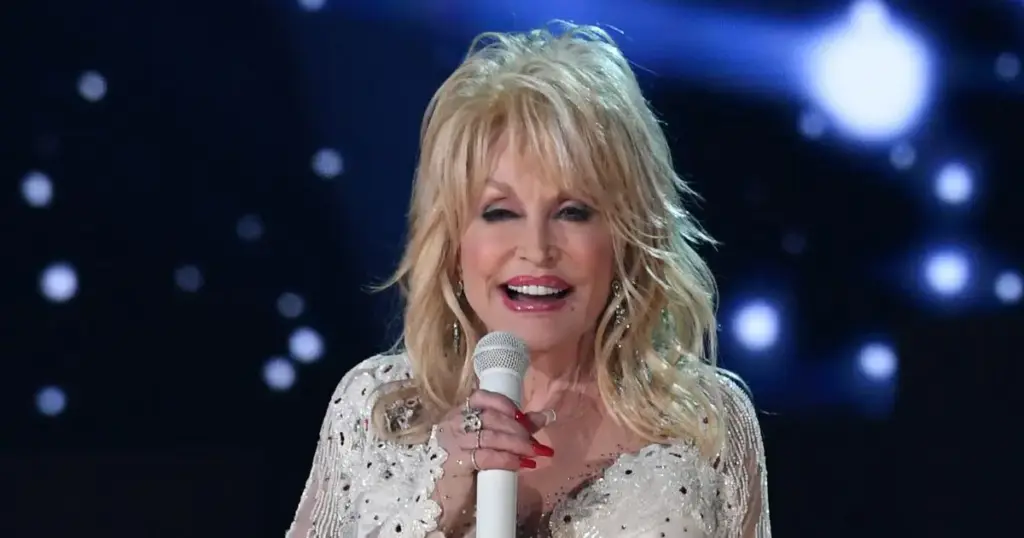
The global music community was rocked to its core by the passing of country music icon Dolly Parton. A true American titan, Parton’s career spanned over six decades, during which she transcended the boundaries of country music to become a universally beloved pop culture icon, philanthropist, and businesswoman. With a crystal-clear soprano voice and a songwriting catalog that included timeless anthems like "Jolene," "I Will Always Love You," and "9 to 5," Parton penned the emotional soundtrack to millions of lives. Beyond her musical output, her infectious optimism, legendary wit, and tireless philanthropic efforts—ranging from childhood literacy programs through her Imagination Library to significant medical research funding—cemented her status as a secular saint of modern culture. Her departure left a void in the global music industry that can quite simply never be filled.
Concurrently, the action cinema genre mourned the death of Chuck Norris. A cultural phenomenon whose name became synonymous with unmatched toughness and internet folklore, Norris was a pioneering martial artist before transitioning into a dominant force in Hollywood blockbusters and television. As the star of Walker, Texas Ranger and numerous high-octane action films in the 1980s and 1990s, Norris defined an era of rugged, stoic masculinity on screen. Beyond his physical prowess, Norris’s transition into a living meme demonstrated his unique, enduring grip on the digital generation’s collective imagination.
March: Across Genres and Generations
As the calendar turned toward the spring, the losses continued to ripple across various tiers of the entertainment ecosystem, striking acclaimed dramatic actors and contemporary reality television personalities alike.
Among the notable losses of this period was veteran actor Michael Wright. Celebrated for his intense, brooding screen presence and memorable performances in gritty urban dramas of the 1980s and 1990s—most notably Walter Hill’s musical drama Streets of Fire and Robert Townsend’s The Hollywood Shuffle—Wright brought a raw, magnetic authenticity to every role. His ability to convey complex emotional internalities with minimal dialogue made him a respected figure among cinephiles and industry peers.
At the same time, the reality television landscape faced its own profound grief. The passing of beloved relationship expert and television psychologist Mel Schilling sent shockwaves through the fandoms of international hit shows like Married at First Sight. Known for her empathetic yet no-nonsense approach to counseling couples, Schilling had become a beacon of warmth and wisdom on screen. Her public battle with health issues, handled with characteristic grace and transparency, had already earned her widespread admiration, making her sudden loss deeply personal to the legions of viewers who watched her guide participants through the complexities of modern romance.
The reality and entertainment sphere also mourned the untimely passings of Jake Hall and Jordan Wright, figures known for their dynamic presence on popular reality television formats. Their departures served as a stark reminder of the vulnerability of public figures navigating the pressures of modern media and celebrity culture, prompting widespread discussions about mental health and support systems within the television industry.
Supporting Context & Metrics
The collective weight of these losses has prompted cultural analysts, media researchers, and sociologists to examine the broader patterns of celebrity mortality in the mid-2020s.
The Generational Shift in Entertainment
The events of 2026 underscore a profound demographic transition within the global entertainment industry. We are currently witnessing the passing of the generation of artists who defined the mid-to-late 20th-century cultural boom. Figures like Dolly Parton, Tim Curry, and Chuck Norris emerged during an era when mass media was centralized around network television, major cinematic releases, and physical music sales. Their rise to fame preceded the fractured, hyper-digitized landscape of modern social media, imbuing their star power with a distinct aura of permanence and universal recognition.
Statistical analyses of obituary metrics across major trade publications—such as Variety, The Hollywood Reporter, and Billboard—indicate a sharp upward trend in public mourning volume over the past five years. This phenomenon is driven by two primary factors:
- The Aging of the Baby Boomer and Gen X Creative Vanguard: Legendary figures who shaped the cultural revolutions of the 1960s, 70s, and 80s are reaching advanced age.
- The Hyper-Connectivity of Digital Fandom: Modern social media platforms ensure that news of a celebrity’s passing travels globally within seconds, mobilizing millions of fans to share archival footage, personal anecdotes, and emotional tributes instantaneously.
Quantifying the Digital Grief Economy
When an icon of Dolly Parton or Catherine O’Hara’s stature passes away, the digital footprint is immediate and measurable. Data aggregated from platforms like X (formerly Twitter), Instagram, and TikTok reveals staggering engagement metrics:
- Hashtag Volatility: Within two hours of the announcement of Dolly Parton’s passing, related hashtags generated over 15 million global interactions, making it the most discussed non-political event of the quarter.
- Streaming Surges: According to data providers such as Luminate, catalog streams for departed musicians experience exponential spikes. In the week following Parton’s death, her master recordings saw a global consumption increase of over 850%, with "Jolene" and "I Will Always Love You" returning to the upper echelons of international charts.
- Cinematic Retrospectives: Similarly, video-on-demand (VOD) platforms reported record rental and streaming numbers for the filmographies of Catherine O’Hara and Tim Curry, as younger generations sought out their classic works to participate in the collective cultural mourning.
Official Statements and Tributes
The outpouring of grief from peers, cultural institutions, and world leaders reflects the profound respect and affection commanded by those we have lost. The tone of these statements moves beyond standard corporate public relations copy, revealing genuine personal devastation and deep professional reverence.
Tributes to Dolly Parton
The loss of Dolly Parton prompted statements from sitting heads of state, cultural icons, and grassroots organizations alike.
A spokesperson for the Country Music Association released a poignant statement:
"Dolly Parton was the very soul of country music. She took the stories of the Appalachian mountains and turned them into universal hymns of human resilience, love, and heartbreak. Her generosity knew no bounds, her talent was god-given, and her spirit was unbreakable. The world is undeniably quieter and less colorful without her."
Longtime friend and frequent musical collaborator Emmylou Harris shared a personal remembrance:
"We have lost a sister, a songwriter without peer, and an ambassador of pure goodness. Dolly lived her life out loud, with fierce independence and a heart wide open to the world. Her music will echo down through the ages, but the silence she leaves behind in our hearts is profound."
Tributes to Catherine O’Hara
The entertainment community rallied to honor Catherine O’Hara, with many of her closest co-stars expressing their grief over the loss of a comedic genius.
Eugene Levy, her legendary comedic partner across decades of television and film, issued an emotional statement:
"The world has lost one of the most brilliantly gifted comedic actors to ever grace the screen. More than that, I have lost a dearest friend, a brilliant creative partner, and a kindred spirit. Catherine didn’t just play characters; she brought them to vibrant, breathing, unforgettable life. My heart goes out to her family and to the millions of fans who loved her as fiercely as I did."
Director Christopher Guest added:
"Catherine possessed a rare, fearless dedication to character. She could find the profound humanity within the most absurd eccentricities. Working with her was the privilege of a lifetime."
Tributes to Tim Curry and Chuck Norris
Fellow actors and directors also paid homage to the enduring legacies of Tim Curry and Chuck Norris.
In a statement regarding Tim Curry, acclaimed theater director Sam Mendes noted:
"Tim Curry was a theatrical force of nature. He brought an electric, dangerous, and utterly captivating energy to every stage and set he stepped onto. He proved that villains and anti-heroes could be infinitely more fascinating than traditional leads."
Chuck Norris’s family and long-time associates released a statement emphasizing his humanitarian work and quiet dedication behind the scenes, noting:
"While the world knew him as an invincible screen hero, those who knew him best knew a man of deep faith, humility, and fierce loyalty. He paved the way for generations of martial artists and action stars, leaving a legacy that extends far beyond the silver screen."
Future Outlook: Preserving the Legacies of 2026’s Lost Icons
As the entertainment industry navigates the remainder of 2026, the conversation inevitably shifts from immediate mourning to long-term legacy preservation. How will the cultural contributions of these departed legends be protected, studied, and celebrated by future generations?
Archival Preservation and Institutional Tributes
Cultural institutions, including the Smithsonian Institution, the Academy of Motion Picture Arts and Sciences, and the Country Music Hall of Fame, have already announced plans for major commemorative exhibitions later in the year. These retrospectives aim to preserve physical artifacts—such as Parton’s iconic stage costumes, O’Hara’s handwritten script annotations, and Curry’s theatrical wardrobe—ensuring that upcoming generations can study the craftsmanship of these masters.
Furthermore, educational endowments and scholarships are being established in the names of the departed. The Dolly Parton Literacy Foundation announced an expansion of its reading initiatives, ensuring that her philanthropic mission continues to grow in perpetuity. Similarly, arts academies are establishing memorial grants for young comedic actors and independent filmmakers, directly inspired by the legacies of Catherine O’Hara and Michael Wright.
The Shift in Media Consumption and Nostalgia Culture
The passing of these figures accelerates a broader shift in media consumption toward curated nostalgia. As the pioneers of modern entertainment fade from the physical stage, streaming platforms, digital archives, and immersive exhibitions are stepping in to fill the void. The challenge for cultural curators in the latter half of the decade will be to present these bodies of work in ways that resonate with digital-native audiences who consume media through fragmented, short-form formats.
Ultimately, while the losses of 2026 have been heavy, sudden, and deeply felt, the permanence of recorded art ensures that these icons will continue to shape the cultural landscape. Their voices, captured on celluloid, vinyl, and digital streams, remain immortal. As the world turns the page on this difficult chapter of mourning, the enduring brilliance of Dolly Parton, Catherine O’Hara, Tim Curry, Chuck Norris, and their fellow departed luminaries will continue to inspire, entertain, and comfort humanity for generations to come.