Executive Overview
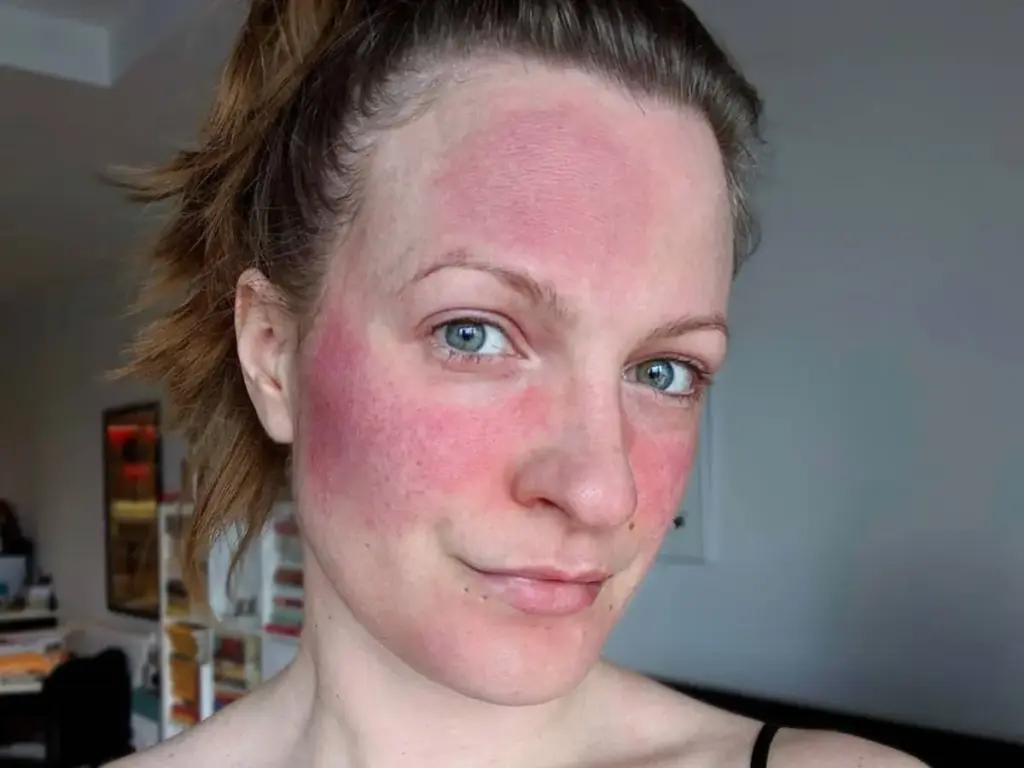
For millions of individuals worldwide, the daily ritual of looking in the mirror brings an unexpected wave of frustration. While glowing, uniform complexions dominate curated social media feeds, a significant portion of the population navigates life with a chronic, unpredictable dermal condition known as rosacea. Characterized by persistent facial erythema, flushing, visible blood vessels, and inflammatory papules or pustules, rosacea is far more than a superficial cosmetic annoyance. It is a complex, multi-faceted medical condition that intertwines genetics, vascular anomalies, environmental triggers, and emotional well-being.
Historically misunderstood and frequently misdiagnosed as simple shyness, temporary allergic reactions, or adolescent acne, rosacea typically manifests during a person’s thirties, disproportionately affecting individuals with fair skin types. However, contemporary dermatology and a growing movement of patient advocates are reshaping the narrative. Moving away from secretive coping mechanisms and trial-and-error home remedies, the medical and digital communities are fostering a transparent dialogue about chronic skin conditions.
This comprehensive report explores the multifaceted nature of rosacea—tracing one individual’s decades-long journey from confusion to empowerment, detailing expert dermatological insights, analyzing triggers and medical interventions, and outlining a meticulously curated skincare regimen designed to restore dermal barrier integrity. Ultimately, this article serves as a definitive guide for those seeking to reclaim their confidence and master the management of atypical skin without letting it dictate their lives.
Detailed Chronology: A Personal Journey Through Undiagnosed Rosacea
To truly understand the psychological and physical toll of rosacea, one must examine how it develops across a lifetime. For many, the earliest memories of the condition do not arrive with a medical label, but rather as moments of profound confusion during formative years.
The Early Years: Redness Brushed Aside
Growing up with a naturally pink or flushed complexion often blends into the background of familial traits. In childhood and adolescence, participation in school sports teams frequently triggered burning, hot sensations across the cheeks and nose. At the time, these episodes were easily rationalized. Looking around the classroom or sports field, the assumption was simply that physical exertion caused everyone to turn red, even if personal observations suggested an intensity that peers seemed to lack. Because close relatives shared a similar ruddy undertone, the trait was accepted as genetic inheritance rather than a medical pathology.
University Pressures and Physiological Triggers
As the individual transitioned into young adulthood and university life, the symptoms escalated from mild flushing to severe, episodic flare-ups. Social environments—ranging from evening outings to stressful academic settings—became unpredictable minefields.
- The Social Flush: Moments of acute embarrassment, such as arriving late to a university lecture, triggered an immediate, intense vascular response. The face would flood with heat, locking into a deep crimson hue that persisted for hours long after the social anxiety had subsided.
- The Thermal Reaction: Nightlife settings frequently required hurried trips to the nearest restroom, where splashing freezing cold water onto a glinting, throbbing face became the only immediate mechanism to pacify the intense, pulsing heat beneath the skin.
- Dietary Consequences: Casual dietary habits, such as sharing fast-food meals with roommates, routinely resulted in delayed inflammatory repercussions: a swollen, throbbing facial landscape populated by unexpected pustules and deep irritation.
Despite these dramatic physiological reactions, the concept of a chronic skin disorder remained entirely absent. Having never experienced "bad skin" during teenage years and maintaining zero formal skincare routine, the working hypothesis defaulted to transient issues: an undiagnosed food allergy, a mild contact dermatitis, or a passing infection that would naturally resolve.
The Shock of Diagnosis
The turning point arrived inside a physician’s office. Anticipating a prescription for a mild antihistamine or a quick-healing topical cream, the patient was met with a life-altering sentence from the attending doctor: "It’s rosacea—and there is no cure."
The immediate aftermath of the diagnosis was characterized by profound isolation. Handed a potent medical gel without adequate context or empathetic counseling—a topical treatment that felt as though it were chemically burning through delicate skin layers—the patient left the clinic feeling dismissed. The medical interaction reinforced a damaging stigma: that chronic facial redness was a superficial, trivial concern unworthy of clinical depth.
Navigating the early 2000s without the benefit of today’s ubiquitous digital communities meant relying on fragmented advice from well-meaning relatives, subjective beauty magazines, and early internet message boards. Finding solace in American online support forums where ordinary people shared triumphs and setbacks marked the true beginning of a rigorous, multi-year self-discovery journey.
Supporting Context & Metrics: Understanding the Anatomy of Rosacea
To demystify the condition, we turn to leading dermatological experts and clinical classifications. According to renowned dermatologist Dr. Justine Kluk, rosacea is a chronic inflammatory skin disease primarily localized to the central face, manifesting as recurrent erythema and a heightened propensity to flush.
Demographics and Prevalence
Clinical data indicates that rosacea most frequently emerges during the third and fourth decades of life. While individuals of all ethnic backgrounds can develop the condition—though diagnosis in skin of color presents unique challenges due to obscured erythema—it exhibits a significantly higher prevalence among individuals with Fitzpatrick skin types I and II (fair skin that burns easily).
The Multi-Factorial Etiology
Dr. Kluk emphasizes that modern dermatology views rosacea through a multifactorial lens. No single root cause dictates its emergence; rather, a complex web of contributing elements interacts to trigger and perpetuate the disease:
- Genetic Predisposition: A strong family history of flushing and sensitive skin often serves as the foundational baseline.
- Vascular Dysregulation: Structural abnormalities and hyper-reactivity in the microvasculature of the face lead to inappropriate dilation and prolonged blood pooling.
- Immunological and Microbial Factors: Altered innate immune responses and an overproliferation of microscopic skin mites (Demodex folliculorum), which naturally inhabit human hair follicles, are frequently elevated in rosacea patients.
- Hormonal Influences: Fluctuations in systemic hormones can significantly exacerbate vascular responses.
- Dietary and Environmental Triggers: External and internal stimuli that induce vasodilation play a major role in acute flare-ups.
Clinical Classifications of Rosacea
Rosacea is not a monolith; the National Rosacea Society and dermatological consensus recognize distinct subtypes, which can often overlap within a single patient:
- Erythematotelangiectatic Rosacea (ETR): Characterized by persistent central facial redness (erythema), intermittent flushing, and visible, dilated blood vessels (telangiectasias).
- Papulopustular Rosacea: Often visually confused with adult acne, this subtype features persistent central facial redness accompanied by acne-like papules and pustules.
- Glandular-Hyperplastic Rosacea (Phymatous): Marked by skin thickening, irregular surface nodularities, and enlargement—most commonly affecting the nose (rhinophyma).
- Ocular Rosacea: Involves the eyes and eyelids, leading to symptoms such as dryness, irritation, swollen eyelids, burning, and a gritty sensation.
Official Statements & Expert Perspectives: Managing Triggers and Treatment
Managing rosacea requires a delicate balance of lifestyle modifications, pharmaceutical interventions, and precision skincare.
Identifying and Mitigating Triggers
For decades, patients have cataloged personal triggers to maintain control over their flare-ups. Dr. Justine Kluk highlights several primary environmental and lifestyle factors known to provoke rosacea symptoms:
- Ultraviolet (UV) Radiation: Sun exposure is one of the most potent universal triggers, necessitating daily, broad-spectrum SPF utilization.
- Environmental Extremes: Strong, cold winds, high humidity, and sudden temperature shifts challenge compromised skin barrier functions.
- Systemic Stress: Psychological and emotional stress triggers autonomic nervous system responses, directly instigating severe flushing episodes.
- Physical Exertion: High-intensity workouts raise core body temperature, prompting the vascular system to dilate facial blood vessels.
- Dietary Stimulants: Consumption of hot beverages, caffeinated drinks, alcohol (particularly red wine), and spicy foods frequently induces immediate cutaneous vasodilation.
Medical and Dermatological Interventions
When lifestyle modifications are insufficient to control moderate-to-severe presentations, modern dermatology offers an array of targeted treatments:
- Topical Therapies: Prescription-strength topical agents such as azelaic acid and metronidazole help reduce inflammatory lesions and redness. Newer formulations, including Ivermectin creams, target inflammatory cascades and Demodex mite densities.
- Vascular-Constricting Gels: Topical brimonidine or oxymetazoline gels work by selectively constricting dilated superficial blood vessels, temporarily neutralizing persistent erythema.
- Systemic Medications: For persistent flushing unresponsive to topicals, clinicians occasionally explore oral medications historically utilized for anxiety or menopausal flushing, such as low-dose beta-blockers or clonidine.
- Energy-Based Devices: When visible telangiectasias persist, vascular lasers (such as Pulsed Dye Lasers or Nd:YAG lasers) and intense pulsed light (IPL) therapies offer exceptional efficacy in destroying aberrant microvessels.
The Modern Skincare Blueprint: A Personal Routine for Compromised Skin
Living with rosacea—frequently compounded by co-existing conditions like seborrheic dermatitis—demands a minimalist, highly disciplined approach to topical formulations. French pharmacy brands have long stood as gold standards for sensitive skin due to their rigorous testing, hypoallergenic profiles, and barrier-repairing properties. Below is a detailed exploration of a curated daily regimen designed to soothe, protect, and anti-age sensitive skin without provoking inflammatory cascades.
The Evening Protocol: Cleansing and Barrier Support
The nighttime routine focuses on gentle purification, hydration, and targeted cellular turnover without stripping the lipid matrix.
- Gentle Cleansing: The process begins with a non-foaming, ultra-gentle cleansing fluid, such as La Roche-Posay Toleriane Reinigungsfluid. This formulation effectively lifts environmental impurities and makeup without inducing post-cleansing tightness or thermal flushing.
- Hydration Infusion: Following cleansing, a hydrating serum rich in humectants—such as La Roche-Posay Hyalu B5 Serum—draws moisture deep into the epidermal layers, plumping fine lines and reinforcing hydration stores.
- Moisturization: A minimalist, soothing moisturizer like La Roche-Posay Toleriane Sensitive Fluid seals in hydration while maintaining a non-comedogenic, calming barrier.
- Targeted Retinoid Incorporation: As skin matures, incorporating vitamin A derivatives is crucial for collagen synthesis and cellular renewal. While standard retinoids can severely irritate rosacea-prone skin, low-concentration or encapsulated retinol formulations—such as Medik8 Crystal Retinal 6 or La Roche-Posay Redermic Retinol Intensiv—can be introduced slowly (e.g., twice weekly). Retinoids offer profound transformations in texture and firmness, but caution is paramount; any sign of excessive flaking, stinging, or persistent erythema requires immediate reduction in frequency.
The Morning & Emergency Protocol: Cooling and Crisis Management
On days when flare-ups are acute—when the facial skin feels as though it is engulfed in thermal flames—emergency soothing agents provide immediate relief.
- Anti-Itch and Anti-Inflammatory Sprays: Utilizing specialized thermal or active-infused sprays, such as Bioderma Atoderm SOS Spray, instantly mitigates neuropathic itch and localized heat.
- Refrigerated Masks: Maintaining a specialized cooling mask, such as SkinCeuticals Phyto Corrective Masque, in the refrigerator offers instant vascular constriction and profound relief for tight, burning skin tissues.
- The Ultimate Barrier Repair Balm: For compromised skin barriers, post-procedure recovery, or severe irritation, La Roche-Posay Cicaplast Baume B5+ acts as an indispensable shield. Enriched with panthenol (Vitamin B5) and madecassoside, it accelerates epidermal recovery, quells stinging sensations, and provides robust occlusion suitable for compromised skin.
Future Outlook: Normalizing Atypical Skin
Reflecting upon a fourteen-year journey of adaptation, blogging, and community building reveals a fundamental truth: while rosacea currently lacks a definitive biological cure, it is entirely manageable. The transition from isolated suffering to digital advocacy underscores a broader cultural shift in how society perceives dermatological diversity.
Today, digital platforms are saturated with transparent discussions led by dermatologists, makeup artists, and patients alike. This democratization of skincare knowledge ensures that newly diagnosed individuals do not have to endure the lonely trial-and-error phases of the past.
Ultimately, living with a chronic skin condition does not require hiding behind heavy layers of cosmetics or feeling an enduring sense of shame. Atypical skin is neither the defining metric of personal character nor the most compelling aspect of human identity. By shifting the cultural paradigm toward the complete normalization of conditions like rosacea, individuals reclaim their autonomy. The skin ceases to define or control the individual; rather, through education, precise management, and radical self-acceptance, the individual takes full control of their narrative.