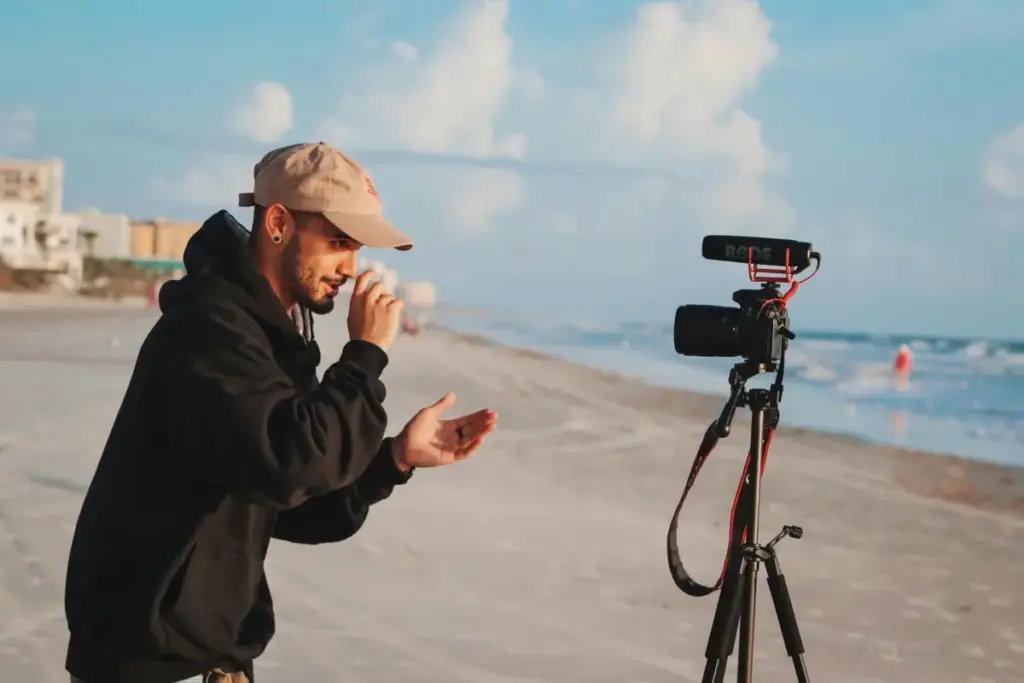
The modern digital creator economy presents a paradox of unprecedented proportions. On one hand, it has evolved into a multi-billion-dollar juggernaut characterized by mainstream recognition, sophisticated brand spends, and staggering consumption rates. On the other hand, the day-to-day reality for the vast majority of individuals powering this industry is defined by financial precariousness, chronic undervaluation, and a complex tightrope walk between monetization and audience alienation.
A landmark new study—the State of Creators report, jointly released by industry leader CreatorIQ and partnership network influencers.club—pulls back the curtain on these dynamics. Surveying over 5,000 digital videomakers, the report exposes deep structural fissures in the creator ecosystem. From stagnant compensation and widespread skepticism toward sponsored content to the solitary operational models of most creators and their measured skepticism toward generative AI, the report paints a stark picture of an industry at a critical crossroads.
Executive Overview: A Multi-Billion-Dollar Industry Built on Scrappy Foundations
For years, cultural narratives surrounding the creator economy have focused on the outliers: multi-million-dollar net worths, luxury brand trips, and overnight virality. However, the data from CreatorIQ and influencers.club reveals that for most participants, content creation remains a high-effort, emerging profession rather than a reliable full-time career.
The core dilemma boils down to a fundamental squeeze. Creators increasingly rely on brand deals to sustain their operations, yet they face stagnant budgets, intense viewer scrutiny, and profound internal skepticism about the very monetization tactics they employ. More than 46% of creators depend on brand deals for the bulk of their income. Yet, paradoxically, only 15% of those same creators fully trust sponsored content produced by their peers when making personal purchasing decisions.
This dynamic leaves creators walking a razor-thin line. They must secure enough revenue to justify the grueling hours of content production while keeping audience alienation at bay, all while navigating partnerships that offer true creative autonomy. As the creator economy matures, the central question is no longer how fast the industry can grow, but whether its foundational labor force can achieve sustainable, equitable livelihoods.
Detailed Chronology: The Evolution of the Monetization Struggle
To understand how the creator economy reached this volatile juncture, it is helpful to trace the evolution of the creator-brand relationship over the past several years.
Phase 1: The Wild West of Brand Integration (Early 2010s–2020)
In the early days of professional content creation, brand deals were straightforward, transactional, and often unregulated. Creators functioned primarily as human billboards, reading ad scripts provided by agencies in exchange for flat fees or free products. Audiences were forgiving, and the novelty of digital sponsorships meant that consumer trust remained relatively high, even if the content lacked creative integration.
Phase 2: Professionalization and the Pandemic Boom (2020–2023)
As global lockdowns supercharged digital consumption, brands rushed to reallocate advertising budgets from traditional media to digital creators. This era saw the professionalization of the industry: the rise of specialized talent management agencies, multi-platform expansion, and the normalization of long-term brand partnerships. However, this rapid growth outpaced standard market regulations and rate standardization, creating a Wild West of uneven compensation models.
Phase 3: The Stagnation and Saturation Era (2024–Present)
Today, the industry faces market saturation and macroeconomic caution from brands. According to the State of Creators report, over 50% of respondents reported that their personal earnings from brand deals have either stayed entirely flat or increased only marginally between 2025 and 2026. Furthermore, 35% of creators cited the lack of consistent brand deals as the single greatest barrier to scaling their operations. The era of easy brand dollars has given way to an environment where creators must fight harder for fewer, tighter budgets.
Supporting Context & Metrics: By the Numbers
The quantitative findings of the CreatorIQ and influencers.club report dismantle several prevailing myths about the wealth and stability of the average digital creator.
The Income Divide
- Two-Thirds Struggle: A staggering 66% of creators make less than $10,000 annually from their content creation efforts.
- The Elite 5%: Only 5% of creators clear $100,000 or more per year, illustrating a massive wealth gap at the top of the pyramid.
- Side Hustle Reality: For 62% of creators, content creation is not their primary source of income, functioning instead as a side hustle that demands full-time hours.
The Brand Deal Landscape
Brand partnerships remain the primary engine of monetization, manifesting in various configurations:
- 43% engage in a hybrid mix of one-off deals and long-term partnerships.
- 42% rely primarily on one-off, transactional deals.
- 12% secure primarily long-term partnerships.
However, entering and sustaining these relationships is fraught with friction. Besides the 35% who cite inconsistent deal flow as their primary barrier to growth, 21% pointed to "low pay or undervaluation of creator content" as a major impediment to building a sustainable business.
The Trust Deficit
Perhaps the most surprising psychological insight from the data involves consumer behavior within the creator community itself:
- 15% of creators fully trust sponsored content from other creators.
- 48% "somewhat trust" branded content, noting that trust depends heavily on the specific individual.
- 11% harbor outright skepticism, believing creators are simply paid to say positive things.
- 4% express zero trust, stating that sponsored content is rarely authentic.
The Solo Operator Dilemma
Because most creators earn under $100,000 a year, scaling their business through delegation is financially prohibitive:
- 73% of creators handle everything themselves, acting as writer, director, editor, accountant, and social media manager.
- Only 8% retain a talent manager or agent.
- Just 3% employ a dedicated video editor.
- Only 3% utilize a social media manager or content strategist.
- 7% use AI tools to assist with copywriting or basic editing tasks.
Official Statements and Industry Insights
The report underscores that content creation is fundamentally an art form rooted in human connection—a reality that automated systems and rigid corporate marketing strategies often fail to grasp.
"Creator professionalization isn’t about building more systems, but about expanding leverage for creators to do what only they can do: create content that resonates deeply with their audience," note the authors of the CreatorIQ and influencers.club report. "The number one thing that creators wanted brands to understand is that creator content takes real work."
This profound desire for creative autonomy is the primary catalyst driving creators to go full-time, outranking financial security. When asked why they took the plunge into full-time content creation:
- 40% cited a desire for creative freedom and autonomy, rather than guaranteed income or a matched salary.
- 17% made the leap only after their content earnings exceeded their day-job salaries.
- 16% wanted to capitalize on a fleeting industry window of opportunity.
- 8% were driven away by unhappy traditional employment.
- 7% credited a financial commitment from an early brand partner as the confidence boost needed to transition.
Regarding the existential threat of generative AI, the industry remains surprisingly grounded. Despite fears of AI avatars (such as virtual influencers like Tilly Norwood) displacing human talent, creators show minimal panic:
- 50% are either "not concerned at all" (21%) or "not very concerned" (29%) about AI bots stealing their revenue or audience.
- Only 14% are "very concerned."
- 9% optimistically believe that the widespread adoption of AI in content workflows will actually increase their individual revenue.
When it comes to utilizing AI themselves, resistance is fierce: 65% of creators feel zero pressure to integrate AI into their workflows, with 40% explicitly rejecting the idea of using AI to fully generate content, and 14% strongly opposed to AI cloning their voice, likeness, or filming processes.
Future Outlook: Navigating the Next Era of the Creator Economy
As the creator economy matures into a cornerstone of modern media and commerce, the industry stands at an important crossroads. The ecosystem is arguably at its wealthiest and most culturally influential point in history, boasting sophisticated brand spends, mainstream recognition, and an unprecedented volume of creative talent.
Yet, the traditional playbook of brand sponsorships is clearly broken. Creators are exhausted by the emotional and operational toll of being solo enterprises, squeezed by flat compensation models, and burdened by audience skepticism regarding brand integrations.
To bridge this gap, brands and agencies must fundamentally alter their approach. Moving forward, successful influencer marketing will require deeper, longer-term collaborations that offer creators true creative control and fair compensation that reflects the exhaustive labor behind high-performing content. Brands that continue to treat creators as transactional billboards risk alienating both the creators and the audiences that trust them.
Ultimately, creators remain remarkably resilient and adaptable. As they have done at every technological and economic pivot over the past decade, they will figure out how to navigate the turbulence. But for the ecosystem to thrive equitably, brands, platforms, and agencies must step up to help pave a sustainable way forward.