Executive Overview
For millions of individuals worldwide, the daily ritual of looking in the mirror brings an unexpected wave of anxiety. What begins as a warm flush across the cheeks is often dismissed as shyness, exertion, or the temporary aftermath of a vigorous workout. However, for a significant demographic, these persistent crimson tones are the hallmark of a complex, chronic, and frequently misunderstood dermatological condition: rosacea.
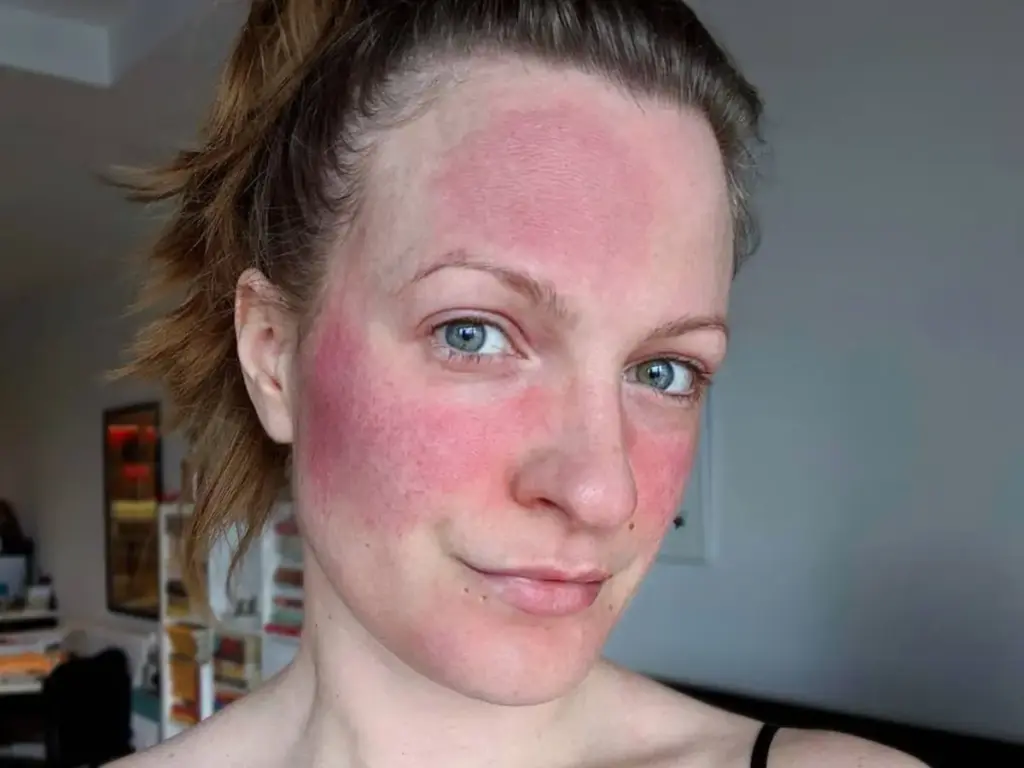
Often misdiagnosed or trivialized as simple sensitivity, rosacea is a multifaceted inflammatory skin disorder that extends far beyond aesthetics. It impacts the physical comfort, mental well-being, and social confidence of those who live with it. Characterized by facial redness, dilated blood vessels, pustules, and a sensation akin to facial sunburn, the condition defies a simple cure.
This deep dive explores the lived reality of navigating rosacea, moving from the isolating days of early diagnosis to the modern landscape of digital community support, dermatological advancements, and customized skincare regimens. Drawing on insights from leading skin experts, this report examines the underlying causes of rosacea, evaluates clinical and at-home treatment modalities, and challenges the cultural stigmas that tie self-worth to clear, unblemished skin. Ultimately, it offers a roadmap for taking back control from a condition that has dictated the lives of its sufferers for far too long.
Detailed Chronology: From Teenage Flush to Lifelong Diagnosis
The journey of a rosacea patient rarely begins with a formal medical consultation; instead, it starts in the quiet, confusing moments of youth. Long before terms like "erythematous-teleangiectatic" or "skin barrier" enter the vernacular, the symptoms manifest in everyday life.
The Early Years: Dismissed as Shyness
Growing up with a naturally pink or flushed complexion is frequently normalized within families. If parents, siblings, or extended family members share the same ruddy undertones, a teenager is unlikely to view their blushing face as a medical anomaly.
During school years defined by competitive sports, physical exertion naturally drives blood flow to the surface. Yet, for future rosacea sufferers, the lingering redness far outlasts the post-workout cool-down. In lecture halls and social settings, the physiological response to minor embarrassments—such as arriving late to a university seminar—triggers an intense, burning wave of heat across the face, trapping the individual in a self-perpetuating loop of social anxiety and physiological flushing.
Dietary choices, too, serve as early, unrecognized catalysts. A casual late-night fast-food run with roommates might result not just in momentary culinary satisfaction, but in a subsequent morning of swollen features and inflamed pustules.
The Shock of the Clinical Reality
Because many individuals experience clear skin during their youth without ever establishing a formal skincare routine, they often misinterpret these sudden inflammatory episodes. Common assumptions point toward temporary contact dermatitis, allergic reactions, or minor bacterial infections that should resolve independently.
The turning point typically arrives in a sterile dermatologist’s office. Expecting a quick prescription for a topical antihistamine or a mild steroid cream, patients are frequently met with a life-altering sentence: "It’s rosacea, and there is no cure."
In the early 2000s, this diagnosis carried a profound sense of isolation. Medical consultations were often brief, leaving patients bewildered and handed a harsh, alcohol-based medical gel that felt akin to pouring acid onto compromised skin. Without the sprawling network of digital support available today, patients left clinics feeling as though they had wasted a physician’s time on a superficial vanity.
Lacking peers who understood the invisible burden of a chronic facial condition, sufferers turned to early internet message boards. These digital enclaves—populated by everyday people sharing their triumphs and failures—became the unlikely genesis of personal healing and trigger management.
Supporting Context & Metrics: Understanding the Pathology of Rosacea
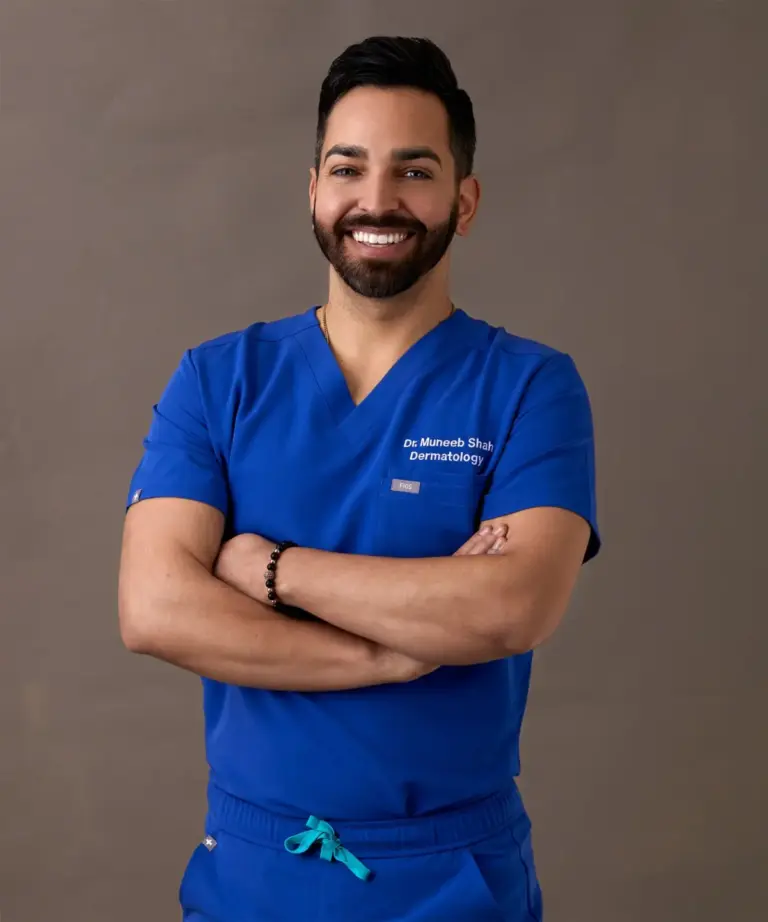
To effectively manage rosacea, one must first understand the complex physiological mechanisms driving the condition. According to renowned consultant dermatologist Dr. Justine Kluk, rosacea is a chronic inflammatory skin disease primarily characterized by facial flushing and persistent erythema.
Demographics and Triggers
Statistically, rosacea most frequently emerges when individuals reach their thirties, exhibiting a higher prevalence among those with fair skin types. However, dermatologists increasingly emphasize that rosacea affects diverse ethnic backgrounds, albeit with varying visual presentations that can complicate timely diagnoses.
Dr. Kluk highlights that the etiology of rosacea is multifactorial, stemming from a delicate interplay of genetic predispositions, vascular abnormalities, hormonal fluctuations, cutaneous microorganisms, and dietary habits.
+-------------------------------------------------------------+
               PRIMARY ROSACEA TRIGGER FACTORS
+-------------------------------------------------------------+
  • Ultraviolet (UV) Radiation    • High-Intensity Workouts
  • Severe Wind & Temperature     • Dietary Caffeine & Alcohol
    Extremes                      • Spicy and Acidic Foods
  • Chronic Psychological Stress  • Vasodilating Medications
+-------------------------------------------------------------+
The Clinical Subtypes of Rosacea
Medical science categorizes rosacea into four distinct subtypes, which frequently overlap within a single patient:
- Erythematotelangiectatic Rosacea: Characterized by persistent central facial redness (erythema) and visible, dilated superficial blood vessels (teleangiectasia). Patients frequently report stinging and burning sensations.
- Papulopustular Rosacea: Often visually confused with adult acne, this subtype features persistent redness accompanied by dome-shaped red papules and pus-filled pustules.
- Glandular-Hyperplastische (Phymatous) Rosacea: A more advanced form involving skin thickening and tissue enlargement, most commonly affecting the nose (rhinophyma).
- Ocular Rosacea: Manifests around the eyes, causing dryness, irritation, swollen eyelids, and a gritty sensation that can impact vision if left untreated.
Official Statements and Clinical Intervention Strategies
Medical management of rosacea has evolved substantially over the past two decades. Modern dermatology offers a robust toolkit designed to target specific symptoms, ranging from vascular constriction to antimicrobial control.
Pharmacological and Topical Treatments
When lifestyle modifications fall short of controlling flare-ups, physicians deploy targeted pharmaceutical interventions. Dr. Kluk outlines several standard-of-care treatments depending on the presentation of symptoms:
- For Flushing and Emotional Erythema: Off-label medications traditionally utilized for anxiety management or menopausal flushing—such as low-dose beta-blockers or clonidine—can help mitigate sudden vascular dilation.
- For Redness and Pustules: Topical therapies containing azelaic acid or specific antibiotics (such as metronidazole) reduce inflammation and microbial load. Newer innovations include ivermectin cream, which targets the Demodex mites naturally present on human skin that proliferate abnormally in rosacea patients.
- For Immediate Vascular Reduction: Brimonidine gel acts as an alpha-adrenergic agonist, temporarily constricting dilated facial blood vessels to rapidly diminish visible redness.
- For Persistent Teleangiectasia: When topical formulations prove insufficient, vascular lasers and intense pulsed light (IPL) therapy offer effective modalities for collapsing stubborn surface capillaries.
The Evolution of the Skincare Routine
For the everyday patient, maintaining a calm complexion requires strict adherence to a minimalist, gentle skincare philosophy. Because rosacea frequently co-occurs with other barrier-disrupted conditions—such as seborrheic dermatitis—harsh formulations, physical scrubs, and heavy fragrances must be strictly avoided.
French pharmacy brands (such as La Roche-Posay, Avène, and Bioderma) have long served as gold standards for sensitive skin due to their minimalist ingredient lists and reliance on soothing thermal spring waters.
A Sample Evening Regimen for Barrier Repair
- Gentle Cleansing: A non-stripping, milky or fluid cleanser (e.g., La Roche-Posay Toleriane Reinigungsfluid) that removes impurities without inducing thermal flushing or tightness.
- Hydration: A low-molecular-weight humectant serum containing hyaluronic acid to draw moisture into the epidermis without causing congestion.
- Barrier Protection: A minimalist, lipid-replenishing moisturizer designed for reactive skin types.
- Targeted Actives (Advanced/Tolerant Skin Only): While vitamin A derivatives like retinol offer anti-aging benefits for patients in their mid-thirties, they must be introduced with extreme caution. Starting with a low-concentration, encapsulated retinol or alternative retinoids (such as retinaldehyde) helps prevent excessive desquamation, irritation, and flare-ups.
Emergency Protocols for Flare-Ups
When skin feels as though it is "on fire," patients often rely on targeted soothing agents:
- Anti-itch and anti-inflammatory thermal spring water sprays stored in refrigerated environments.
- Centella Asiatica-infused balms (such as La Roche-Posay Cicaplast Baume B5+) that accelerate epidermal recovery, alleviate tightness, and reinforce the compromised skin barrier.
Future Outlook: Normalizing Atypical Skin
As we look toward the future of dermatological health and cultural representation, the narrative surrounding rosacea is undergoing a profound paradigm shift.
The Digital Empowerment Era
The transition from isolated suffering to digital community building has fundamentally changed how patients experience chronic skin conditions. Today’s patients have immediate access to transparent peer reviews, expert dermatological advice via social platforms, and dedicated advocacy blogs. This democratization of information ensures that newly diagnosed individuals do not have to endure the silent, lonely years that defined previous generations.
Redefining Beauty Standards
Beyond clinical treatments, the most significant progress lies in the cultural de-stigmatization of atypical skin. Society is gradually moving away from airbrushed perfection toward radical transparency. Dermatologists, beauty content creators, and everyday individuals are actively normalizing conditions like rosacea, acne, and eczema, dismantling the outdated notion that facial blemishes equate to poor hygiene or personal failure.
Ultimately, living with a chronic skin condition requires a holistic commitment to lifestyle adjustments—ranging from stress regulation and dietary mindfulness to strict UV protection. But as contemporary voices prove every day, atypical skin is neither the most important nor the most interesting facet of human identity. By refusing to let a condition dictate self-worth, patients are reclaiming their narratives, proving that beauty thrives far beyond the surface blush.