In the contemporary landscape of digital culture, celebrity endorsements frequently dictate consumer behavior, spanning from high-fashion partnerships to quick-hit social media brand sponsorships. Yet, rare is the recommendation that transcends fleeting internet trends to secure a permanent place in a consumer’s daily regimen. Such is the case with a throwaway beauty tip offered three years ago by Park Ji-min—globally recognized simply as Jimin of the monumental K-pop septet BTS.
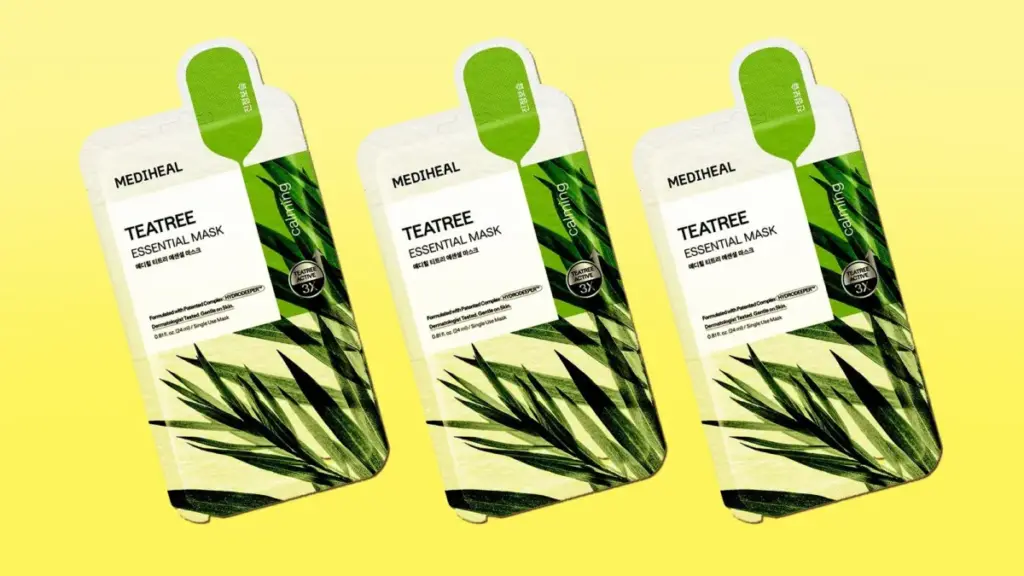
During a routine promotional feature for Vogue, Jimin casually singled out a singular travel essential: the Mediheal Tea Tree Essential Face Mask. What followed was not merely a momentary spike in K-beauty retail sales, but a long-term consumer adoption cycle that highlights the profound, cross-cultural authority wielded by modern music icons. This report examines the intersection of K-pop influence, dermatological science, and consumer loyalty. By analyzing the chemistry of tea tree oil, the physiological impacts of travel-induced skin trauma, and the broader commercial implications of celebrity-endorsed skincare, we explore how a single, unscripted soundbite reshaped beauty routines across international borders.
Detailed Chronology
The Genesis: The 2021 Vogue Revelation
The trajectory of the Mediheal Tea Tree Essential Face Mask shifted fundamentally during a 2021 video segment produced by Vogue. Amidst a global touring schedule and relentless media appearances, members of BTS were asked to present the non-negotiable items they packed in their luggage. While other members showcased specialized tech, apparel, or distinct luxury goods, Jimin held up a humble, widely accessible sheet mask.
With striking conviction, Jimin explained his choice: the arid environment of hotel rooms consistently ravaged his skin during international travel, and the Mediheal Tea Tree variant was his sole reliable countermeasure. Crucially, the endorsement lacked the sterile, transactional quality of a formalized brand ambassador contract; it was presented as an authentic, lived-in solution to a universal traveler’s dilemma. Within hours of publication, global fandom communities—colloquially known as ARMY—cross-referenced the packaging, identified the active ingredients, and initiated a wave of international purchasing that overwhelmed online inventory systems.
The Immediate Aftermath and Consumer Integration
In the months following the broadcast, beauty enthusiasts and casual consumers alike began testing the product. Among them were individuals wrestling with stubborn acne, compromised skin barriers, and adverse reactions to harsh chemical cleansers. Standard sheet masks had long occupied a novelty space in retail—purchased impulsively like confectionery at a checkout counter, offering momentary hydration followed by negligible long-term efficacy.
The Mediheal formulation, however, distinguished itself through tangible post-use results. Consumers noted that unlike masks that left a temporary, sticky residue, the tea tree variant actively mediated acute inflammation. Redness diminished, active breakouts contracted without leaving hyperpigmentation scars, and the skin barrier maintained its structural integrity despite fluctuating climates. What began as an experimental purchase inspired by a pop star rapidly evolved into a holy-grail staple, securing permanent residency in bathroom cabinets worldwide.
The Ultimate Stress Test: Back-to-Back Travel and Event Prep
The definitive validation of Jimin’s recommendation occurred during periods of intense logistical strain. When subjected to continuous time-zone shifts, recirculated airplane cabin air, and the environmental stress of high-profile events, skin barriers frequently experience acute degradation. For many, this manifests as cystic breakouts or dry patches just days before major social engagements.

When faced with a sudden triple-breakout prior to a high-stakes weekend, users returning to the Mediheal protocol implemented a rigorous, multi-step recovery regimen. By pairing the Mediheal Tea Tree Trouble Calming Toner Pads for daily maintenance with the Essential Face Mask for intensive overnight repair, compromised skin underwent rapid rehabilitation. Rather than facing an evening of concealing irritated blemishes, users reported a stabilized skin landscape capable of receiving cosmetics smoothly—proving that the initial 2021 recommendation was not an isolated fluke, but a functionally superior dermatological tool.
Supporting Context & Metrics
The Science of Tea Tree Oil in Dermatological Care
To comprehend the sustained popularity of the Mediheal Tea Tree Essential Face Mask, one must examine its primary active constituent: Melaleuca alternifolia (tea tree) oil. According to dermatological evaluations published in publications like Allure, tea tree oil functions similarly to benzoyl peroxide—the gold standard for treating acne vulgaris—yet operates with a significantly lower risk of desquamation (severe flaking and dryness).
[Environmental Stressor / Travel]
       │
       ▼
[Skin Barrier Dehydration]
       │
       ▼
[Compensatory Sebum Surge]
       │
       ▼
[Bacterial Proliferation & Acne]
       │
       ▼
[Intervention: Mediheal Tea Tree Mask] ──► (Anti-inflammatory & Hydration Balance)
The botanical extract possesses well-documented antimicrobial and anti-inflammatory properties, neutralizing Cutibacterium acnes bacteria while simultaneously calming the surrounding erythema. However, a persistent fallacy in skincare dictates that oily skin is the exclusive host of acne. In reality, individuals with dry skin frequently experience micro-tears and compromised lipid barriers due to weather or harsh topicals. This dryness prompts the sebaceous glands to overcompensate by producing excess oil, subsequently trapping debris and generating new breakouts.
By delivering concentrated hydration alongside botanical purifying agents, the sheet mask addresses both ends of the hydrological spectrum. It provides moisture to soothe the compromised stratum corneum while regulating microbial activity—a dual-action mechanism that explains its efficacy across diverse skin types.
The Rise of K-Beauty and the Ecosystem of Trust
The phenomenon surrounding Jimin’s recommendation is symptomatic of a broader structural shift in global beauty markets: the absolute dominance of K-beauty (Korean skincare). Characterized by preventative care, innovative delivery systems (such as sheet masks and toner pads), and skin-barrier-first philosophies, Korean brands have systematically dismantled Western dominance in topical treatments.
Within this ecosystem, the currency of trust operates on radical transparency. When a global icon promotes a product priced accessibly—typically hovering between $20 and $26 USD on platforms like Amazon—it democratizes luxury-grade skincare. Consumers who might remain skeptical of high-end dermatological lines are willing to invest nominal sums based on peer or idol recommendations. Consequently, brands like Mediheal have transitioned from regional pharmacy staples into global powerhouses, propelled entirely by organic digital word-of-mouth and the unscripted habits of cultural figures.
Official Statements and Industry Insights
While official corporate press releases from Mediheal typically focus on quarterly growth metrics and technological patents regarding sheet fabric adherence, industry analysts have openly acknowledged the transformative impact of organic celebrity culture on their product lines.

"When high-net-worth individuals or global artists advocate for accessible, utilitarian products rather than ultra-exclusive luxury formulations, it creates an unprecedented wave of consumer trust," notes a prominent retail market analyst specializing in Asian beauty exports. "The consumer feels invited into an insider secret. They realize that even someone with access to the world’s most elite dermatology teams relies on a simple, over-the-counter sheet mask to survive international transit."
Dermatological professionals have similarly weighed in on the synergy between tea tree formulations and sheet mask delivery systems. Clinical estheticians emphasize that the occlusive nature of a sheet mask forces active ingredients deeper into the epidermis than standard topical application.
"Occlusion is the secret weapon of sheet masking," explains a board-certified consulting dermatologist. "By sealing the tea tree oil, chamomile, and Centella extracts against the skin for fifteen to twenty minutes, you prevent premature evaporation. This allows the anti-inflammatory compounds to penetrate micro-fissures in the skin barrier, halting inflammatory cascades before they manifest as full-scale cystic lesions."
Future Outlook
As the global skincare market continues to saturate with algorithmic advertisements and influencer-led brand launches, consumer skepticism is at an all-time high. Shoppers are increasingly fatigued by sponsored content where financial incentives supersede product integrity. In this climate, recommendations rooted in organic, unprompted usage—such as Jimin’s 2021 casual endorsement—will only appreciate in value.
Looking ahead, the longevity of products like the Mediheal Tea Tree Essential Face Mask and its companion Trouble Calming Toner Pads points toward a permanent evolution in consumer behavior. Skincare routines are no longer viewed merely as clinical chores, but as ritualistic acts of self-care intimately tied to personal identity, fandom culture, and sensory comfort.
For the everyday consumer navigating the trials of modern travel, environmental pollution, and unexpected breakouts, the lesson remains clear: sometimes, the most reliable dermatological advice originates not from a textbook or a sponsored reel, but from a quiet, authentic moment shared by a global artist on a digital screen. Three years on, that single soundbite has proven that true efficacy outlasts trends—transforming a temporary tour essential into an enduring beauty standard.