Executive Overview
In the modern theater of American politics, the boundary between pop culture and electoral strategy has not merely blurred; it has entirely dissolved. Few episodes in recent history illustrate this phenomenon as vividly as the rhetorical fallout surrounding Vice President candidate JD Vance’s "childless cat ladies" remark. What began as a provocative talking point on late-night cable news in 2021 transformed into a defining cultural battleground of the 2024 presidential election, ultimately culminating in a high-profile endorsement of the Democratic ticket by global pop icon Taylor Swift.
However, the ripple effects of this clash continue to produce unexpected narratives. In a recent interview on the digital program Tomi Lahren Is Fearless, Beverly Vance—mother of the Ohio Senator and Vice Presidential nominee—revealed a surprising disconnect from the digital zeitgeist. Beverly admitted that she was entirely unaware that Taylor Swift’s highly publicized political endorsement was a direct, pointed response to her son’s past comments.
[2021: JD Vance's Tucker Carlson Interview]
       │
       ▼
[Summer 2024: Vance Selected as VP / Comment Resurfaces]
       │
       ▼
[Sept 2024: Taylor Swift Endorsement / "Childless Cat Lady" Sign-off]
       │
       ▼
[2026: Beverly Vance Interview / JD Vance's Memoir "Communion" Release]
This revelation offers a unique window into the insular nature of modern political communication, where viral controversies that dominate national headlines and mobilize millions of voters can remain virtually unacknowledged within the immediate family circles of the politicians themselves. This report provides an authoritative, chronological, and analytical investigation into the origins of the "cat lady" controversy, the mechanics of Swift’s political intervention, the subsequent reflections of the Vance family, and the broader implications for celebrity influence in contemporary statecraft.
Detailed Chronology
The Genesis: 2021 and the Cable News Circuit
The origin of the controversy dates back to July 2021. At the time, JD Vance was a candidate in a highly competitive Republican primary for the U.S. Senate in Ohio. Seeking to establish his populist credentials and appeal to the conservative grassroots, Vance appeared on Fox News’ Tucker Carlson Tonight.
During the broadcast, Vance criticized the leadership of the Democratic Party, arguing that the nation was being run by "a bunch of childless cat ladies who are miserable at their own lives and the choices that they’ve made and so they want to make the rest of the country miserable, too." He specifically named prominent Democratic figures, including Vice President Kamala Harris, Transportation Secretary Pete Buttigieg, and Representative Alexandria Ocasio-Cortez, asserting that the lack of direct biological descendants left progressive leaders with no physical "stake" in the future of the republic.
While the comment generated minor controversy at the time among progressive commentators, it largely faded from the mainstream news cycle as Vance secured his Senate seat in the 2022 midterm elections.
The Resurfacing: Summer 2024
The political landscape shifted dramatically in July 2024 when Donald Trump selected Vance as his vice-presidential running mate. Within hours of the announcement, opposition researchers and digital activists revived the archival footage of the 2021 Tucker Carlson interview.
The clip went viral across TikTok, Instagram, and X (formerly Twitter), igniting a fierce backlash from suburban women, childless couples, pet owners, and progressive organizers. The phrase "childless cat lady" was rapidly reclaimed by critics of the Republican ticket, transforming from a derogatory label into a badge of honor and a potent fundraising tool for the Democratic Party.
The Climax: The September 2024 Debate and Swift’s Endorsement
On September 10, 2024, Donald Trump and Kamala Harris met for their first televised presidential debate. Immediately following the conclusion of the broadcast, Taylor Swift utilized her massive social media footprint to break her political silence.
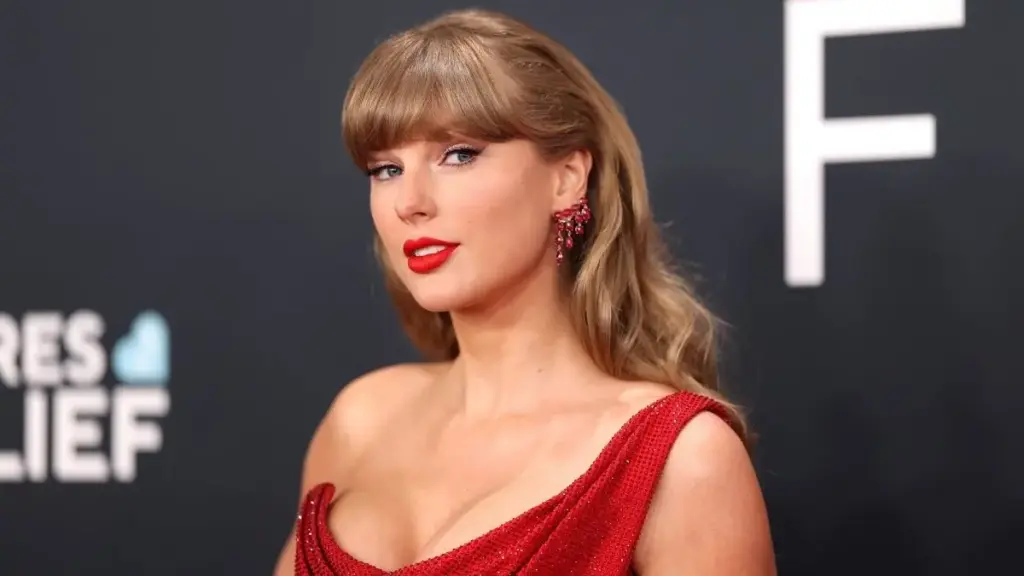
In a meticulously crafted Instagram post, Swift endorsed Kamala Harris and Tim Walz. Crucially, the post featured a photograph of Swift holding her beloved Ragdoll cat, Benjamin Button, and concluded with the signature: "With love and hope, Taylor Swift, Childless Cat Lady."
                       ┌───────────────────────────┐
                       │  Taylor Swift Endorsement  │
                       └─────────────┬─────────────┘
                                     │
             ┌───────────────────────┴───────────────────────┐
             ▼                                               ▼
┌──────────────────────────┐                    ┌──────────────────────────┐
│  Mobilized Voter Base    │                    │ Counter-Offensive        │
│  - 340k+ Vote.gov visits │                    │ - GOP downplays comment  │
│  - Cultural reclamation  │                    │ - Focus on "humor"       │
└──────────────────────────┘                    └──────────────────────────┘
The sign-off was universally interpreted by political analysts and the public as a direct, satirical swipe at JD Vance. The endorsement galvanized the electorate, driving unprecedented traffic to non-partisan voter registration portals.
The Reflection: Beverly Vance’s Revelation and the 2026 Memoir
The discourse surrounding the comment entered a new chapter during Beverly Vance’s appearance on Tomi Lahren Is Fearless. When Lahren asked Beverly if it was surreal to witness a global pop star construct a national political statement around her son’s rhetoric, Beverly responded with laughter and admitted complete ignorance of the connection.
"I had no idea that’s what she was even doing," Beverly stated, explaining that she had not linked Swift’s "Childless Cat Lady" sign-off to her son’s 2021 remarks until Lahren explained the context during the interview. "I didn’t even put the two together."
This admission of oblivion coincided with a broader reassessment by JD Vance himself. In his 2026 memoir, Communion, Vance took a highly reflective tone regarding his early political rhetoric. According to reports from NBC News, Vance openly addressed the "cat ladies" comment in the book, classifying it as one of the "dumbest things" he had ever said, signaling a rare public admission of regret from the high-profile conservative leader.
Supporting Context & Metrics
The intersection of Taylor Swift’s cultural dominance and JD Vance’s political messaging highlights the quantifiable power of celebrity influence in modern elections.
The Scale of the Swift Effect
The impact of Swift’s endorsement was immediate and measurable. Political strategists have long debated the efficacy of celebrity endorsements, but the "Swift Effect" provided concrete data:
- Direct Digital Engagement: Within 24 hours of Swift’s Instagram post, which featured a custom referral link, federal officials reported that 337,826 individuals visited the Vote.gov website to register or verify their registration status.
- Demographic Reach: The surge in traffic was driven primarily by young women aged 18 to 29, a demographic critical to the Democratic coalition’s turnout strategy.
The Role of Artificial Intelligence and Misinformation
Swift’s decision to issue a formal endorsement was not merely a reaction to Vance’s rhetoric, but also a defensive maneuver against digital deception. Prior to her announcement, highly realistic, AI-generated deepfakes had circulated online, falsely portraying Swift in Uncle Sam attire endorsing Donald Trump.
Trump himself shared some of these manipulated images on his social media platform, Truth Social, with the caption "I accept!"
In her endorsement post, Swift explicitly cited these AI creations as a catalyst for her public statement:
"It really conjured up my fears around AI, and the dangers of spreading misinformation. It brought me to the conclusion that I need to be very transparent about my actual plans for this election as a voter."
Official Statements
Beverly Vance
During her interview on Tomi Lahren Is Fearless, Beverly Vance sought to reframe her son’s controversial remarks as an lighthearted misunderstanding rather than a malicious policy stance:
"JD’s just got a sense of humor. He was making a joke… I know he just meant it as a joke."
Beverly also reacted warmly to the mention of Swift’s partner, NFL star Travis Kelce, highlighting his Midwestern roots:
"He played college football at the University of Cincinnati."
JD Vance
Writing in his 2026 memoir Communion, the Senator offered a candid post-mortem on the political damage caused by the remark:
"It was one of those moments where you say something that is fundamentally dumb, and even if you think the press is distorting it, you have to take ownership of the fact that you gave them the weapon to begin with."
Taylor Swift
In her September 2024 endorsement, Swift emphasized her policy alignment with the Harris-Walz ticket, focusing on social issues and democratic stability:
"I’m voting for Kamala Harris because she fights for the rights and causes I believe need a warrior to champion them. I think she is a steady-handed, gifted leader and I believe we can accomplish so much more in this country if we are led by calm and not chaos."
Future Outlook
The trajectory of the "childless cat lady" controversy offers several key insights into the future of political communication and campaign strategy:
                  ┌─────────────────────────────────────────┐
                  │    The Future of Political Rhetoric     │
                  └────────────────────┬────────────────────┘
                                       │
         ┌─────────────────────────────┼─────────────────────────────┐
         ▼                             ▼                             ▼
┌──────────────────┐          ┌──────────────────┐          ┌──────────────────┐
│ Defensive Media  │          │ Meme-Proofing    │          │ Deepfake Defense │
│ Training         │          │ Strategies       │          │ Rapid-response   │
│ Focus on long-   │          │ Anticipating how │          │ protocols for AI │
│ tail viral risk. │          │ jokes age online.│          │ manipulation.    │
└──────────────────┘ └──────────────────┘ └──────────────────┘- The Long-Tail Risk of Archival Media: Vance’s 2021 remarks demonstrate that in the digital age, no comment is truly forgotten. As political figures transition from local or state-level races to national tickets, their entire media catalog will be systematically mined, repackaged, and weaponized. Future campaigns will likely invest heavily in "meme-proofing" candidates before they enter the national spotlight.
- The Weaponization of Humor: Beverly Vance’s defense of her son’s comments as "just a joke" underscores a persistent tension in political discourse. While populism relies on informal, sometimes provocative humor to connect with voters, the national stage demands a level of scrutiny that can easily strip away irony, transforming a colloquial jest into a damaging political liability.
- Celebrity Counter-Messaging: The rapid mobilization of the "Swifties" and the broader reclamation of the "cat lady" moniker suggest that traditional political campaigns are no longer the sole arbiters of cultural narrative. Decentralized fan communities and high-influence cultural figures can seize on a candidate’s rhetorical misstep and scale a counter-narrative faster than a campaign’s communications department can respond.
- The AI Frontier: As artificial intelligence continues to lower the cost of creating highly convincing fake media, public figures will increasingly find themselves forced to make political statements they might have otherwise avoided, simply to correct the record. Swift’s preemptive strike against AI-driven misinformation will likely serve as a blueprint for other high-profile figures navigating future electoral cycles.