Executive Overview
The intersection of digital content creation and professional sports has long been viewed as a high-growth frontier—a mutually beneficial alliance designed to capture younger, digitally native demographics who have largely abandoned traditional cable packages. For years, sports leagues rolled out the red carpet for YouTube stars, TikTok creators, and Instagram personalities, granting them sidelines passes, locker room access, and dedicated tournament integrations. However, the fragile harmony of this relationship has fractured.
What began as localized friction has evolved into a full-scale cultural clash across multiple sporting codes. A single tone-deaf promotional campaign in the golf community sent shockwaves through the industry, lowering the tolerance threshold for influencer missteps. Almost overnight, sports governing bodies shifted from accommodating partners to skeptical gatekeepers.
Today, creators find themselves navigating an increasingly hostile landscape characterized by revoked credentials, blanket bans from historic institutions, and intense public scrutiny regarding sideline etiquette. Yet, even as tennis majors slam doors in the faces of digital creators, mainstream football leagues are doubling down on creator-led strategies.
This article explores the anatomy of the current sports-creator crisis. We examine how a localized controversy upended industry standards, the fallout across tennis majors, the defense mounted by prominent digital figures, and why leagues that embrace the creator economy are ultimately positioning themselves to win the future, regardless of traditionalist pushback.
Detailed Chronology of the Crisis
Phase 1: The Golden Age of Integration and the Good Good Watershed
For much of the early 2020s, sports organizations viewed digital influencers as the ultimate key to unlocking Gen Z and Millennial audiences. Nowhere was this more evident than in professional golf. Traditional golf organizations, historically bound by rigid etiquette and conservative television broadcasting deals, aggressively courted online talent.
The apex of this integration was achieved by Good Good, a massive YouTube golf collective whose popularity soared to such heights that they secured their own official title-sponsored event on the PGA Tour. To the sports marketing world, Good Good represented the gold standard: authentic, community-driven digital native talent capable of driving massive merchandise sales and turning a traditional sport into digital entertainment.
However, the symbiotic relationship imploded following the release of an insensitive promotional campaign involving Good Good members and major golf equipment manufacturer Callaway. The ad missed its mark entirely with both the core golfing community and casual viewers, generating immediate, severe backlash.
In the hyper-connected digital sports ecosystem, the repercussions were not contained to golf. The Good Good controversy served as a catalyst, abruptly ending the honeymoon phase between sports leagues and digital creators. Behavior that was once excused as harmless "growing pains" was suddenly re-evaluated through a lens of suspicion, setting off a domino effect across the broader sports landscape.
Phase 2: The U.S. Open Flashpoints and Etiquette Wars
As the summer of 2026 unfolded, the epicenter of the creator-sports conflict shifted from the links of the PGA Tour to the hard courts of the U.S. Open. Flush with influencer marketing budgets, brands and tournaments flooded the grounds of Flushing Meadows with digital creators tasked with capturing "vibe-centric" content.
The strategy quickly backfired, giving rise to high-profile incidents that alienated both athletes and purist fans. Most notably, several creators brought professional ring lights directly into tennis stadiums to optimize their lighting for live-streaming and short-form video production. The intrusive lighting directly distracted players during crucial service games, resulting in avoidable match delays and public frustration from competitors.
Beyond technical disruptions, general-admission attendees and media outlets launched heavy criticisms regarding influencer conduct. Critics pointed out that numerous creator attendees appeared fundamentally disinterested in the actual tennis matches, treating the Grand Slam less as a premier athletic competition and more as a backdrop for unrelated lifestyle vlogs, fashion shows, and sponsored activations. Incidents involving rowdiness, excessive noise pollution, and unauthorized brand promotions created a toxic environment that threatened the sanctity of the tournament.
The backlash was swift. Unlike previous years where security would manage isolated disturbances, tournament officials took aggressive punitive measures. Multiple influencers had their U.S. Open media and VIP passes officially revoked mid-tournament, signaling a definitive hardening of institutional attitudes toward digital media personalities.
Supporting Context & Metrics: The Backlash Deepens and Traditionalism Fights Back
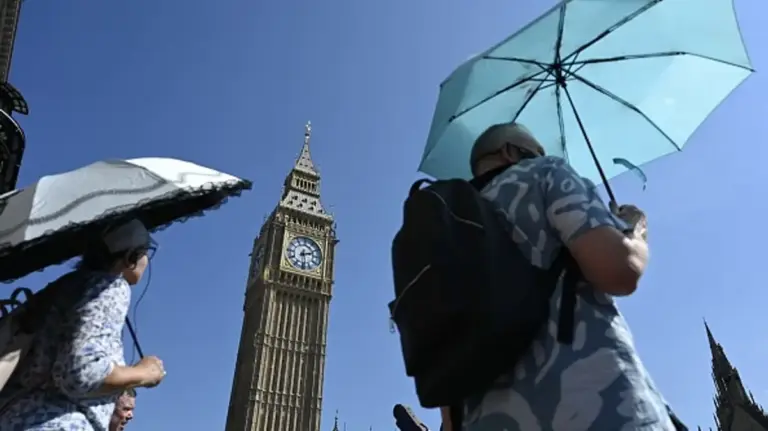
The fallout from the 2026 U.S. Open incidents reverberated globally, prompting historic institutions to take pre-emptive defensive measures. Chief among them was England’s Wimbledon, the most traditional and historically protective Grand Slam tennis tournament in the world.
In the wake of the New York chaos, Wimbledon officials confirmed a radical policy shift for the 2027 tournament: the historic club will no longer issue media or special access credentials to digital influencers. By completely cutting off creator-specific access, Wimbledon aims to preserve the quiet, hyper-focused atmosphere that defines grass-court tennis, effectively turning back the clock on modern sports marketing strategies.
This clampdown highlights a fundamental ideological war within sports management:
- The Traditionalist Camp: Believes that major sporting events are sacred athletic competitions that demand absolute focus, institutional reverence, and strict adherence to established decorum. Proponents argue that prioritizing engagement metrics over sporting integrity degrades the value of the competition.
- The Modernist Camp: Argues that in an era of fractured attention spans, sports leagues cannot survive by relying solely on traditional broadcast viewers. They maintain that creators act as vital cultural bridges, introducing legacy sports to millions of young consumers who consume media exclusively via platforms like TikTok, YouTube, and Instagram.
The tension raises a critical question: Will restricting creator access actually solve the underlying behavioral issues, or is the sports world simply using influencers as a convenient scapegoat for broader cultural shifts in audience behavior?
Official Statements and Industry Perspectives
To understand the nuance of the debate, one must look to figures who straddle both worlds—traditional elite sports and modern content creation. Few are better positioned to comment than Morgan Riddle, a prominent digital creator who spent years embedded in the highest levels of professional tennis as the partner of ATP Tour star Taylor Fritz. Having navigated the grounds of major tennis tournaments both with and without official creator credentials, Riddle offers a unique perspective on the controversy.
Weighing in on the public outcry, Riddle challenged the narrative that influencers are solely responsible for the disruptions at major sporting events:
"Obviously people love to bag on influencers for doing that, but every single person who goes to the Open is going to take photos and take content, except maybe the older, die-hard, OG tennis fans. So yes, people do want to blame influencers, but I do think a lot of people you see taking content around the grounds are just regular people."
Riddle’s commentary touches on a profound sociological shift: the democratization of media creation. In the smartphone era, every spectator is effectively a content creator. Isolating and punishing a specific class of professional influencers does not stop the sea of glowing screens, live streams, and selfie-sticks from flooding stadium concourses. It merely alienates digital partners who possess professional production capabilities and established channels of communication with younger demographics.
Furthermore, Riddle’s ongoing prominence—exemplified by her inclusion in major mainstream sports initiatives like the NFL Creator of the Week program—demonstrates that while tennis may attempt to close its doors, other major sports leagues are actively opening theirs wider.
Future Outlook: The Gridiron Embraces the Creator Economy
While tennis majors double down on restriction and exclusion, the commercial reality of modern sports media dictates a very different trajectory across North American leagues. The National Football League (NFL) and its franchise partners have taken a calculated bet that the future of sports fandom relies on deep integration with the creator economy, viewing past missteps not as a reason to retreat, but as a lesson in better execution.
For the upcoming season, the TikTok and NFL official game plan partnership has returned with an expanded slate of collaborations, ensuring that short-form video creators remain front and center throughout the professional football calendar. Similarly, YouTube is actively clearing the path for top-tier creators—such as football influencer Deestroying and visual innovator Zach King—to secure premium access to season-opening games and high-profile matchups.
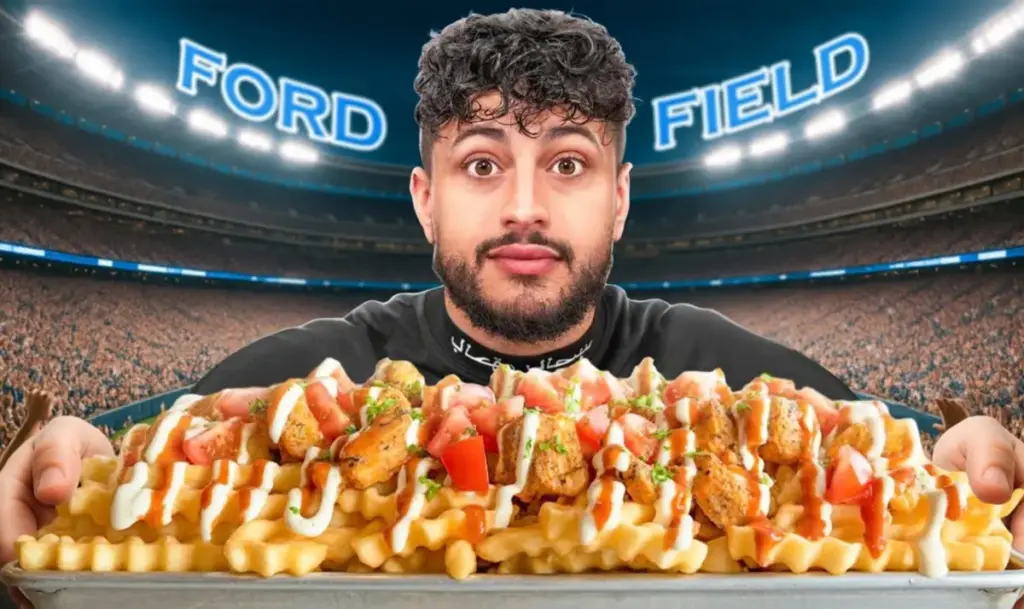
The economic and entertainment value of these partnerships is undeniable. Last year, creator-driven activations yielded unprecedented viral engagement, best exemplified by YouTube star The Golden Balance, whose viral concept video—"I Cooked for an ENTIRE NFL Stadium"—redefined the boundaries of sports-adjacent culinary and entertainment content, pulling in millions of views and bridging the gap between sports fandom and lifestyle culture.
Conclusion: Can Sports and Creators Coexist?
The collision between professional sports and digital creators in 2026 marks a maturing phase for both industries. The era of unchecked, anything-goes influencer access is officially over. Incidents involving tone-deaf corporate ads like Good Good’s and disruptive on-site behaviors at the U.S. Open have forced leagues and creators alike to establish boundaries, prioritize stadium etiquette, and respect athletic competition.
However, tournaments like Wimbledon that choose to entirely lock out digital creators are fighting a losing battle against the tide of media consumption habits. Restricting credentials may temporarily eliminate ring lights from Centre Court, but it will not stop the cultural demand for creator-led storytelling.
Ultimately, the sports leagues that thrive in the coming decade will not be those that retreat into traditionalist isolation, but those that successfully forge disciplined, respectful, and innovative partnerships with the digital creators who hold the attention of the next generation of fans.