Executive Overview
The intersection of digital content creation and traditional corporate marketing has long been characterized by a paradox: astronomical audience reach paired with a persistent communication barrier. While digital creators command the attention of billions daily, legacy brands and Chief Marketing Officers (CMOs) have frequently struggled to translate this cultural dominance into streamlined, high-value corporate partnerships.
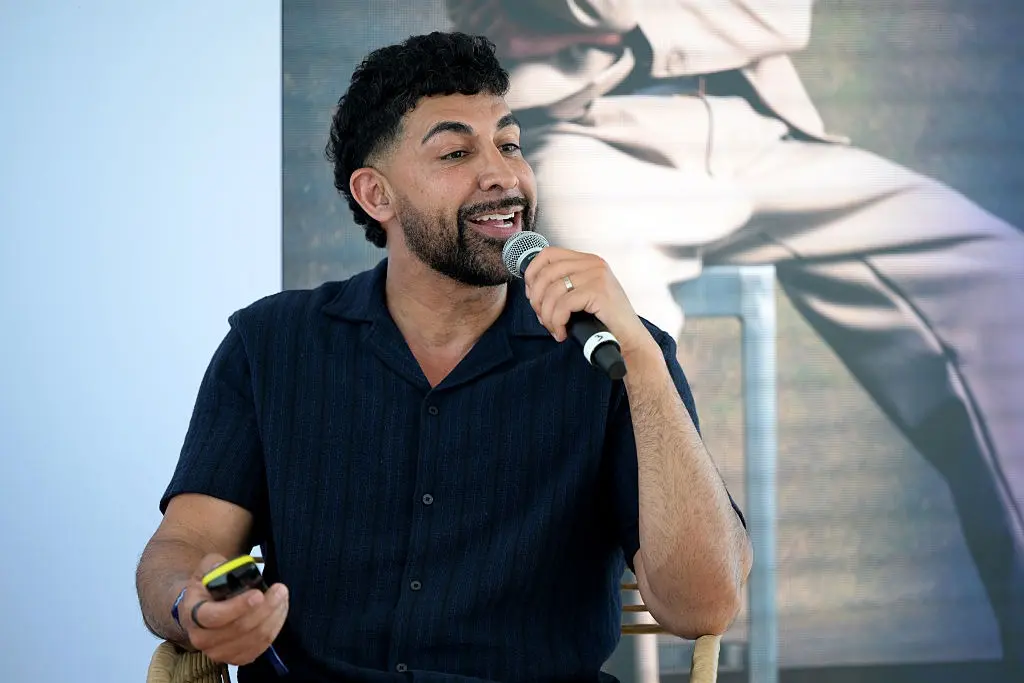
At Advertising Week New York (AWNY), prolific YouTube filmmaker and entrepreneur Dhar Mann stepped into a newly minted role—the event’s inaugural "Chief Creator Officer"—to directly confront this disconnect. Entering the conference with an ambitious mandate, Mann set a target to broker $100 million in sponsorship and partnership commitments between top-tier brands and digital creators by the conclusion of the event.
According to reports from Digiday, Mann claims to have successfully unlocked that nine-figure milestone through verbal and strategic pledges from major corporate CMOs. However, industry insiders note a caveat: while the financial commitments have been verbally secured, none have been formalized into legally binding contracts as of yet. This nuance highlights the systemic realities of corporate marketing pipelines, where annual budgets are mapped out quarters in advance, and immediate capital allocation remains tightly controlled.
Beyond his immediate matchmaking efforts at AWNY, Mann used the global stage to unveil his most ambitious physical infrastructure project to date: Creator City. Spanning four acres in Los Angeles, this massive production campus is designed to serve as the long-awaited geographic and cultural epicenter for the creator economy—functioning much like Silicon Valley does for tech or Wall Street does for finance. Slated to open its doors during Super Bowl weekend in February 2027, Creator City aims to house soundstages, collaborative workspaces, and resources that bridge the gap between digital creators, Hollywood legacy studios, and Fortune 500 brands.
This comprehensive report examines the structural shifts occurring within the modern creator economy, detailing Mann’s initiatives at AWNY, the realities of corporate sponsorship pipelines, the physical and strategic blueprint of Creator City, and what these milestones signal for the future of entertainment and advertising.
Detailed Chronology: Dhar Mann’s Week at AWNY
Dhar Mann’s tenure as Advertising Week New York’s first Chief Creator Officer was designed to be high-impact, disruptive, and unapologetically ambitious. Known across the digital landscape as YouTube’s resident "moral philosopher"—producing tens of millions of views weekly through high-concept, moralistic parable videos with titles like Ugly Girl FAKES PRETTY To Find Love and BILLIONAIRE PAYS Poor Boy To Date Her—Mann brought his characteristic theatricality and structured optimism to the corporate boardrooms of Manhattan.
Day One: Setting the $100 Million Target and the Art of the Pledge
From the outset, Mann’s primary metric of success was clear: $100 million in creator-brand sponsorship pledges. Stepping onto the AWNY keynote stage, he positioned himself as an intermediary, a translator fluent in both the hyper-fast language of digital content creators and the deliberate, metrics-driven vernacular of corporate CMOs.
By utilizing his network and organizing high-level roundtables behind closed doors, Mann initiated a series of dialogues designed to fast-track creator integration into mainstream advertising budgets. Speaking with Digiday, Mann revealed that he had hit his $100 million goal through direct commitments from major corporate marketing executives.
However, Mann was quick to contextualize the nature of these pledges. Because traditional corporations plan their fiscal calendars and marketing allocations multiple quarters—sometimes years—ahead of time, CMOs cannot instantly unlock millions of dollars on a whim. Instead, the pledges represent a commitment to future campaign funding, designed to be executed as upcoming marketing cycles align.
"People will meet people during this week that they otherwise would not have met in order to get those deals to happen," Mann explained during his keynote, emphasizing the networking power of the summit.
Interactive Activations: Merging Entertainment and Marketing
To drive engagement and break the monotony of traditional panel discussions, Mann incorporated high-profile interactive elements into his AWNY residency:
- The Creator Challenge: Mann established a rigorous seven-task challenge for participating creators. Those who successfully completed the gauntlet were awarded a coveted, golden Zillow key. While the exact commercial or experiential entitlements tied to the golden key remained somewhat ambiguous, the gamified challenge successfully drove creator participation and competitive drive.
- The Masked CMO: In a playful nod to mainstream pop culture, Mann hosted The Masked CMO, a corporate parody of the hit television show The Masked Singer. Hosted by veteran media personality Nick Cannon, the activation brought marketing executives face-to-face with creators in a lighthearted environment designed to strip away corporate intimidation and foster organic rapport.
Revealing the Blueprint: The Announcement of Creator City
The crown jewel of Mann’s AWNY programming occurred during his premier keynote address, where he stepped away from immediate deal-making to address a structural vulnerability within the creator ecosystem: its lack of a physical home.
While acknowledging that the digital revolution was built on platforms and software, Mann pointed out a glaring historical anomaly: unlike technology (Silicon Valley), finance (Wall Street), or traditional film and television (Hollywood), the multi-billion-dollar creator economy has never possessed a centralized, physical headquarters.
To solve this, Mann officially unveiled Creator City, a sprawling, four-acre production campus based in Los Angeles. Designed as an ecosystem where creators, Hollywood executives, brands, and technology companies can converge, the campus represents Mann’s long-term vision for institutionalizing the creator economy.
Supporting Context & Metrics: The Creator-CMO Disconnect
Despite the cultural ubiquity of digital creators—many of whom command audiences that rival or exceed traditional broadcast networks—a profound disconnect continues to exist between executive suites and independent digital studios. This gap manifests in two distinct ways: corporate hesitation regarding brand safety and valuation metrics, and creator unfamiliarity with corporate pitching structures.
The Corporate Hesitation: Why CMOs Move Slowly
For decades, traditional advertising budgets have flowed through predictable channels: television networks, out-of-home billboards, print media, and programmatic digital display ads. While influencer marketing has matured significantly over the last ten years, legacy brands often view individual creators as unpredictable investments. A single controversy can imperil a multi-million-dollar partnership.
Furthermore, as Mann noted, corporate budgeting cycles are notoriously rigid. CMOs operating within Fortune 500 companies are bound by strict shareholder expectations, quarterly earnings reports, and long-term media planning. Asking a brand executive to immediately divert funds to a creator they met at a conference is structurally impossible without pre-allocated innovation or experimental budgets.
The Creator Blindspot: Boardrooms vs. Production Studios
Conversely, Mann discovered that the barrier to entry is not solely a corporate problem. During the preparation for his AWNY creator challenges, where he intended to have top digital creators pitch advertising ideas directly to corporate sponsors on stage, Mann encountered unexpected resistance.
"I would have thought it’d be more of a brand problem," Mann admitted in interviews. "When I asked creators to participate… I said, ‘I’m going to have you on stage and pitch a brand some ideas.’ Some of the biggest creators in the world were like, ‘Wait, are you serious? I don’t know how to do that.’"
This revelation underscores a major structural deficit in the creator economy: while millions of young people possess elite skills in audience retention, video editing, algorithm optimization, and narrative pacing, very few have formal training in corporate B2B communication, media kit valuation, legal negotiation, or boardroom pitching.
Mann’s initiative at AWNY—and his broader philosophy moving forward—is designed to bridge this educational gap. By acting as a mentor and translator, he aims to equip creators with the vocabulary and professionalism required to navigate corporate procurement processes successfully.
Official Statements and Industry Reception
The response to Dhar Mann’s active intervention at Advertising Week New York has been a mix of cautious optimism, industry fascination, and critical evaluation.
Industry analysts have praised Mann’s ability to generate tangible momentum at an event traditionally dominated by agency executives and media conglomerates. By stepping into the role of Chief Creator Officer, Mann effectively leveraged his personal brand equity to command the attention of high-level decision-makers who might otherwise overlook independent digital talent.
In a press release detailing the vision behind Creator City, Dhar Mann Studios articulated the broader cultural necessity of the project:
"The creator economy was built on technology and platforms, but unlike the industries around it, it has never had a physical home of its own, the way technology has Silicon Valley, finance has Wall Street and entertainment has Hollywood. Creator City is Dhar’s vision for that home."
The studio further emphasized the collaborative nature of the campus:
"Creator City will bring creators, Hollywood, brands and technology companies together to make content, build businesses, experiment, learn from one another and develop new partnerships."
Meanwhile, marketing pundits have debated the viability of un-inked $100 million pledges. While skeptics point out that verbal commitments carry no legal weight, seasoned advertising executives argue that major corporate partnerships are rarely consummated on the floor of a convention center. Instead, events like AWNY serve as the vital genesis point—the initial handshake and relationship-building phase that ultimately bears fruit in subsequent fiscal quarters.
Future Outlook: Building the Infrastructure of Tomorrow
Dhar Mann’s high-profile appearance at Advertising Week New York and his sweeping infrastructure announcements signal a maturation phase for the global creator economy. The industry is rapidly transitioning from its "Wild West" era of independent, isolated operators into a highly professionalized, institutionalized sector of the global media landscape.
1. The Road to Creator City (February 2027)
The scheduled opening of Creator City during Super Bowl weekend in February 2027 represents a critical milestone to watch. The timing is strategically deliberate, coinciding with Mann’s concurrent role as the NFL’s "Chief Kindness Officer"—a position that already bridges major sports leagues with positive digital storytelling.
When Creator City officially opens its five soundstages and collaborative facilities in Los Angeles, it will test a compelling hypothesis: Can a physical campus accelerate the convergence of Silicon Valley tech, Hollywood production values, corporate brand dollars, and independent creator agility? If successful, the campus could serve as a blueprint for similar regional hubs around the world.
2. Institutionalizing Creator Education
Beyond physical real estate, Mann’s push to mentor creators in corporate communication highlights a necessary evolution in creator development. As platforms become more saturated and ad revenues fluctuate, top-tier creators must diversify their revenue streams through high-margin corporate partnerships, equity stakes, and brand ownership. Programs that teach creators how to speak the language of the boardroom will likely become standard industry practice in the years ahead.
3. The Future of Brand-Creator Partnerships
The $100 million in pledges secured during AWNY—whether fully realized in the upcoming quarters or serving as a catalyst for future negotiations—demonstrates that corporate America is eager to deploy capital into the creator space. The challenge moving forward will be execution: streamlining the bureaucratic friction of legacy brands while maintaining the authentic, direct connection that made digital creators successful in the first place.
As Dhar Mann continues to position himself as a master builder between these two worlds, his efforts at AWNY and the impending launch of Creator City suggest that the future of advertising will not be dictated by traditional agencies alone, but by a hybrid ecosystem where creators hold a permanent seat at the executive table.