Executive Overview
When the conversation turns to physical preparation for enhanced sexual wellness, conventional wisdom almost invariably points toward a single destination: the Kegel. For decades, pelvic floor contractions have been championed as the ultimate panacea for everything from urinary incontinence to achieving more potent orgasms. However, modern physical therapy and sports science are revealing a much more nuanced picture of human anatomy in the bedroom.
Sexual function is not an isolated event handled exclusively by a localized muscle group; rather, it is a complex, full-body symphony requiring precise muscle engagement, deep body awareness, muscular endurance, and—crucially—the ability to both build and release tension.
According to Justine Roper, PT, a certified women’s health specialist and pelvic floor physical therapist, achieving optimal sexual responsiveness requires looking far beyond the pelvic floor. While these foundational muscles act as the central anchor of the sexual response cycle, they do not operate in a vacuum. A successful sexual experience demands stability from the deep core, power from the glutes, flexibility in the hip rotators, and dynamic balance from the inner thighs.
Furthermore, the obsession with relentless Kegel exercises can actually backfire. Muscles that are chronically clenched lose their elasticity, inhibiting the vital blood flow required for arousal and blocking the relaxation phase necessary to experience a full orgasmic release. By shifting our focus from isolated, repetitive squeezing to a holistic, full-body movement routine, individuals can cultivate greater comfort, flexibility, confidence, and physical pleasure in the bedroom. This comprehensive guide explores the mechanics of pelvic health, the hidden pitfalls of over-exercising the pelvic floor, the essential muscle groups involved in sexual stamina, and a practical, 10-minute routine designed to transform your physical capabilities.
Detailed Chronology: The Evolution of Sexual Fitness and Pelvic Health Awareness
To understand where we are today in the realm of sexual conditioning, it is helpful to trace how societal and medical perspectives on pelvic health and fitness have evolved over the years.
- The Mid-20th Century (The Birth of the Kegel): In 1948, American gynecologist Dr. Arnold Kegel introduced pelvic floor muscle training—originally designed to treat urinary incontinence in women following childbirth. Over subsequent decades, the medical community realized that these exercises also increased vaginal tone, inadvertently sparking widespread interest in their secondary benefits for sexual gratification.
- The Late 20th to Early 21st Century (Mainstream Adoption): As fitness culture exploded and women’s health advocacy gained momentum, Kegels became a household recommendation dispensed in women’s magazines, prenatal classes, and routine gynecological check-ups. However, instructions were often generalized, leading to widespread misapplication of the technique.
- The 2010s (The Rise of Pelvic Physical Therapy): Medical science began to recognize a distinct shift in clinical presentations: a massive uptick in patients suffering from hypertonic (overly tight) pelvic floors. Experts realized that instructing every woman to endlessly squeeze her pelvic floor was causing more harm than good, leading to pelvic pain, painful intercourse (dyspareunia), and difficulty achieving orgasm.
- The Modern Era (Holistic Functional Movement): Today, pelvic floor physical therapy has matured into an interdisciplinary science bridging orthopedics, neurology, and sexual wellness. Specialists like Justine Roper and organizations worldwide advocate for an integrated approach. Fitness routines now emphasize core stability, hip mobility, and diaphragmatic breathing over simple, isolated isometric squeezes, transforming how we view the physical mechanics of intimacy.
Supporting Context & Metrics: The Anatomy of Arousal and Movement
To appreciate why a full-body approach is superior to isolated pelvic exercises, one must first understand the physiological choreography of sexual response.
The Pelvic Floor: A Muscular Hammock
The pelvic floor is a complex sling or "hammock" of muscles stretching from the pubic bone to the tailbone. Structurally, it cradles the internal organs—including the bladder, uterus, and rectum. Neurologically and anatomically, it serves as a direct interface for erectile tissue, the clitoris, and the vaginal canal.
During the initial stages of the sexual response cycle (arousal), the body experiences a dramatic surge in blood flow to the pelvic region. This vascular engorgement naturally introduces muscular tension into the pelvic floor. The climax of this cycle—the orgasm—is fundamentally a neuromuscular reflex characterized by the rapid, rhythmic contraction and subsequent complete release of these very same muscles.
The Danger of Hypertonicity ("Over-Kegeling")
A healthy pelvic floor possesses two essential capabilities: it can contract powerfully, and it can completely relax. When individuals become fixated on "over-Kegeling"—performing endless, unmonitored squeezes throughout the day—they frequently develop a hypertonic (chronically tight) pelvic floor.
- Restricted Blood Flow: Constant muscular contraction compresses local blood vessels, starving genital tissues of the rich oxygenated blood supply necessary for peak arousal.
- Blocked Orgasmic Release: Just as a clenched fist cannot quickly open and close, a chronically clenched pelvic floor cannot easily execute the rhythmic release required for orgasm.
- The Compensation Trap: Studies and clinical observations indicate that a significant percentage of people execute Kegels incorrectly. Instead of isolating the deep pelvic muscles, they inadvertently squeeze their glutes, tighten their inner thighs, or hold their breath—none of which target the pelvic floor effectively.
The Symphony of Supporting Muscle Groups
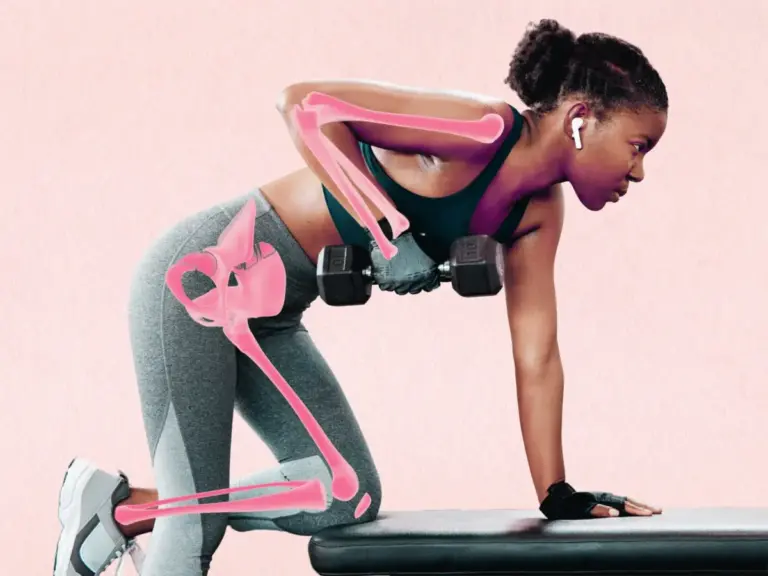
Sex is an athletic endeavor that relies on a kinetic chain spanning from the shoulders down to the toes. If any link in this chain is weak, inflexible, or misaligned, it can lead to physical strain, fatigue, or discomfort during intimacy.
- The Glutes: Serving as the primary engine for hip extension (the mechanical basis for thrusting motions), strong glutes stabilize the pelvis across various positions. Weak glutes inevitably force the lower back and hamstrings to pick up the slack, frequently resulting in post-coital backaches.
- The Deep Core: Transverse abdominis and obfiique muscles act in tandem with the diaphragm and pelvic floor to stabilize the trunk, ensuring fluid, coordinated movement and breath control during exertion.
- The Inner Thighs (Hip Adductors): These muscles share direct fascial and neurological connections with the pelvic floor. Excessive tension or weakness in the adductors directly impacts pelvic tension, making targeted mobility work essential.
- Hip Rotators: Limited internal and external hip rotation is a primary culprit behind stiffness, cramping, and awkward positioning during intimacy. Loosening these joints expands your range of motion and comfort.
Official Statements and Expert Insights
The transition from a siloed, singular focus on Kegels to an expansive, kinetic-chain approach is backed by leading voices in women’s health and physical therapy.
"The pelvic floor is central to the sexual response cycle," notes Justine Roper, PT, a certified women’s health specialist and pelvic floor physical therapist. "Think of it like a hammock of muscles. Its job is to support our bladder, uterus, rectum—and it’s a direct interface for the clitoris and vaginal canal."
Addressing the common misconception that more squeezing always equates to better health, Roper cautions against the pervasive cultural pressure to constantly train these muscles in isolation:
"Most people want a strong pelvic floor, and that’s great. But the pelvic floor should do two things: It should be able to contract and it should be able to relax."
She highlights the physiological paradox of the modern fitness mindset regarding intimacy:
"The harm in over-Kegeling is the stopping of the blood flow and ultimately the stopping of orgasmic response."
To counteract this, Roper emphasizes the necessity of the mind-body connection, noting that true pelvic control cannot be achieved without engaging the respiratory system.
"A Kegel is very isolated. You’ve got to tap into your mind-body connection. When you breathe in, your pelvic floor relaxes; when you exhale, it recoils. Your breath has to do that salsa dance with the pelvic floor."
Future Outlook: The Integration of Fitness, Therapy, and Intimate Wellness
As we look toward the future of health and wellness, the boundaries separating clinical physical therapy, athletic training, and sexual wellness are rapidly dissolving. For years, sexual health was treated as a taboo subject restricted to the domains of psychology or gynecology, entirely divorced from physical conditioning.
The emerging paradigm views sexual longevity as an intrinsic component of overall musculoskeletal health. Just as individuals train for a marathon, a tennis match, or hiking season, proactive body maintenance is becoming recognized as essential for maintaining a vibrant, pain-free, and deeply satisfying sex life well into later decades.
Several key trends define this future outlook:
- Holistic Pelvic PT Access: Insurance and healthcare systems are increasingly recognizing pelvic floor physical therapy not as an elective luxury, but as a crucial component of postpartum care, geriatric mobility, and sexual health medicine.
- Mindful Movement Integration: Fitness modalities like yoga, Pilates, and functional bodyweight training are placing greater emphasis on breath-to-movement synchronization, teaching practitioners how to consciously release deep-seated tension.
- De-stigmatization: Open public discourse spearheaded by physical therapists on digital platforms is dismantling archaic myths about sexual function, empowering individuals to take charge of their physical anatomy without shame or confusion.
Your Go-To Routine for Enhanced Sexual Wellness
You do not need an expensive gym membership, heavy weights, or complicated machinery to build a resilient, responsive body for the bedroom. What you need is an open space, a supportive yoga mat to protect your joints, and just 10 minutes of focused, intentional movement.
This full-body bodyweight routine is designed to enhance core stability, glute strength, hip mobility, and pelvic floor awareness. Spend two minutes per exercise, completing 8 to 10 controlled repetitions, ensuring that your breath remains fluid throughout.
1. The Lying Butterfly Stretch
- How to do it: Lie flat on your back on your mat. Bring the soles of your feet together, allowing your knees to drop open toward the floor, creating a diamond shape with your legs. Place one hand on your chest and the other on your lower belly.
- Why it helps: This movement gently opens the inner thighs (adductors) and hip rotators while encouraging diaphragmatic breathing. As you inhale deeply, focus on allowing your belly to rise and your pelvic floor to completely soften and expand against the floor.
2. The Hip Bridge
- How to do it: Lie on your back with your knees bent and your feet flat on the floor, hip-width apart. Press through your heels, engage your glutes, and lift your hips toward the ceiling until your body forms a straight line from your shoulders to your knees. Hold for two seconds at the top, then slowly lower down.
- Why it helps: Targets and strengthens the glutes and hamstrings—the primary power generators for pelvic thrusting—while teaching pelvic alignment and preventing lower back strain.
3. The Dead Bug
- How to do it: Lie on your back with your arms extended toward the ceiling and your knees bent at a 90-degree angle directly over your hips (tabletop position). Slowly lower your right arm and left leg toward the floor simultaneously, stopping just before your lower back arches off the mat. Return to the starting position and switch sides.
- Why it helps: Engages the deep core stabilizers (transverse abdominis) that work synergistically with the pelvic floor to maintain trunk stability during movement.
4. The Deep Squat Hold
- How to do it: Stand with your feet slightly wider than shoulder-width apart. Lower your hips down and back into a deep squat, bringing your hips below parallel if mobility allows. Use your elbows to gently press your knees outward, keeping your chest tall and your heels flat on the floor.
- Why it helps: This is one of the most powerful movements for opening the hips, lengthening the pelvic floor, and improving ankle and hip mobility, directly counteracting the stiffness caused by prolonged sitting.
5. Windshield Wipers
- How to do it: Sit or lie on your back with your knees bent and your feet wider than shoulder-width apart. Gently drop both knees to the right side, allowing them to move toward the floor, then fluidly sweep them across to the left side.
- Why it helps: Promotes internal and external rotation of the hip joints, releasing chronic tension in the hip capsules and ensuring greater comfort and adaptability in various intimate positions.
By integrating these mindful, functional movements into your weekly routine, you will cultivate a stronger, more flexible, and deeply responsive body—ensuring that your physical foundation is as vibrant and resilient as your intimate life.