Executive Overview
The creator economy is no longer a localized digital experiment operating on the fringes of traditional media; it is a sprawling, multi-billion-dollar apparatus that dictates modern culture, consumer habits, and institutional entertainment strategies. Over the past week, the industry has witnessed remarkable intersections between legacy institutions and native digital creators. From educational mainstays reaching historic multi-decade viewership milestones to Hollywood heavyweights pivoting to independent vlogging formats, the boundaries separating traditional and digital media continue to dissolve.
At the same time, platforms are intensifying their race for top-tier talent. While streaming giants like Netflix continue to aggressively onboard native digital creators, infrastructure providers are introducing sophisticated community-building tools to sustain creator monetization and audience retention. Yet, rapid expansion brings its own set of vulnerabilities. High-profile missteps, rigorous pricing debates in niche sports communities, and evolving policy frameworks regarding legacy digital assets highlight an industry maturing through both triumph and turbulence. This report provides an exhaustive analysis of the trends, strategic business moves, and cultural shifts shaping the creator ecosystem this week.
Detailed Chronology & Industry Developments
1. Creator Commotion: Milestones and Crowdfunded Terrors
The creator landscape is defined by its capacity to sustain multi-year relevance and mobilize hyper-engaged audiences. This dual reality was on full display as one of digital video’s foundational educational channels marked a monumental birthday, while independent creators turned directly to their communities to finance ambitious new cinematic projects.
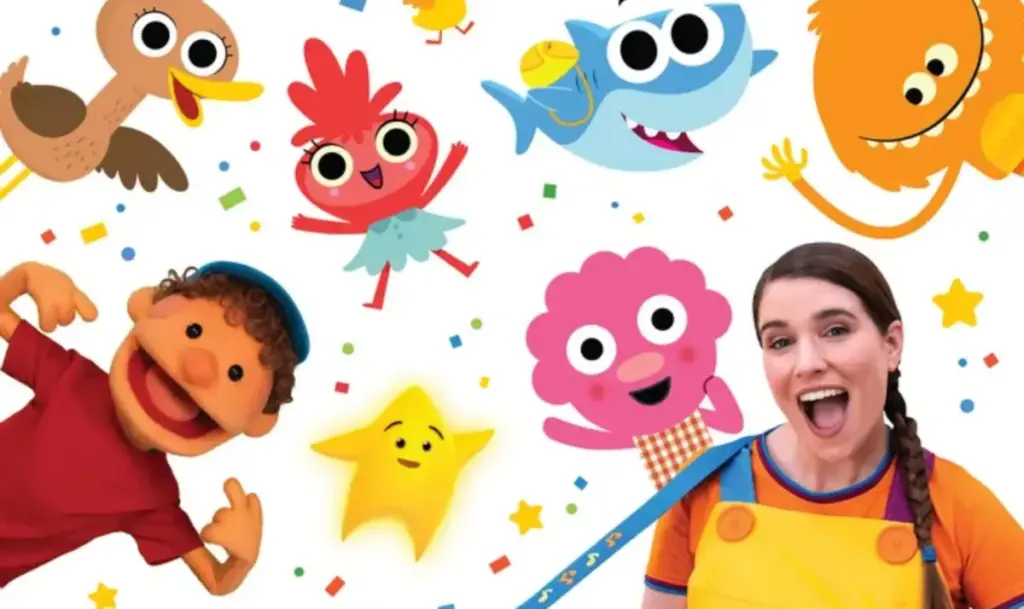
- Two Decades of Super Simple Songs: Reaching its 20th anniversary, the Super Simple Songs YouTube channel stands as a towering testament to digital longevity. Launched in 2006, the channel has amassed over 46 million subscribers and surpassed an astonishing 63 billion lifetime views. Built on a teacher-centric pedagogical framework, its content is arguably more vital to modern early-childhood development today than it was at its inception. With fresh content pipelines announced, the brand demonstrates that foundational educational programming can outlast platform algorithms and generational shifts.
- Crowdfunding Independent Horror via Cinema Therapy: The democratization of filmmaking has reached a new threshold. Moving beyond viral independent sensations like Kane Parsons or Curry Barker, the team behind the popular Cinema Therapy YouTube channel is leveraging direct fan support to fund The Vessel, a narrative horror feature exploring the complexities of friendship. Surpassing the halfway mark of its $100,000 BackerKit crowdfunding goal swiftly upon launch, the project signals a growing appetite among audiences to bypass traditional studio gates and directly sponsor creator-led cinema.
2. Strategic Business Moves: Platforms, Retail, and Star Power
Monetization and promotional strategies within the tech and retail sectors are increasingly reliant on creator-led distribution models. Companies are discovering that traditional marketing campaigns fall flat without the authentic resonance of native internet personalities.
- AMP Stars in Club’s Launch Trailer: Kick’s sister platform, Club, has adopted a high-impact promotional playbook by enlisting the prominent creator collective AMP to headline its inaugural trailer. Fusing the high-energy aesthetic of a Kai Cenat subathon with the visual grandiosity of Janet Jackson’s Rhythm Nation, the promotional video underscores how community-building hubs must lean into established creator networks to drive instantaneous user acquisition and cultural relevance.
- Marques Brownlee and Best Buy’s 60-Year Retrospective: To celebrate six decades of retail history, Best Buy partnered with premier technology reviewer Marques Brownlee. The resulting campaign guides audiences through an evolutionary timeline of consumer electronics sold at the retailer. While functioning as a nostalgic masterclass in product history, the collaboration highlights the unrivaled authority digital reviewers hold over consumer tech narratives.
3. Media Personalities Migrating to YouTube
The traditional entertainment industry’s migration toward Google’s premier video platform has accelerated. Rather than viewing YouTube as a secondary promotional tool, elite directors, historians, and culinary icons are treating it as a primary broadcasting destination.
- M. Night Shyamalan’s Unexpected Vlog Pivot: In a classic narrative twist, acclaimed Hollywood horror director M. Night Shyamalan has launched his own YouTube channel. Embracing the confessional, behind-the-scenes vlogging style popularized by contemporary digital creators—complete with thumbnail aesthetics reminiscent of Ryan Trahan—Shyamalan’s entry into the space signifies a profound blurring of lines between Hollywood authorship and digital-native transparency.
- Ken Burns Brings American History to Classrooms: Renowned documentarian Ken Burns is making his extensive catalog accessible to students through an initiative with PBS LearningMedia and YouTube Courses. Launching with his definitive work on the American Revolution, this educational push realizes Burns’s long-held vision of democratizing historical archives for the digital generation.
- Ina Garten’s ‘Happy Hour’ Podcast Transition: Culinary icon Ina Garten, universally known as the Barefoot Contessa, is expanding her media footprint to YouTube. In partnership with Vox Media, Happy Hour with Ina Garten brings intimate, conversation-driven dinner party dialogues directly to video and podcast feeds, offering a fresh digital format for her millions of devoted home-cooking enthusiasts.
4. Platform Ecosystems and Policy Shifts
As platform competition intensifies, digital hubs are deploying advanced retention tools, acquisition strategies, and sensitive policy updates to secure their market positions.
- Netflix Counters YouTube Retention Efforts: Even as major video platforms deploy multi-million-dollar incentive packages to lock down their top creators, streaming giant Netflix continues to curate its own pipeline of digital talent. The platform has secured a landmark distribution deal with Kevin Langue, bringing his popular comedy and investigative channels directly to the subscription video-on-demand (SVOD) service.
- TikTok Introduces Legacy Contacts: Addressing the delicate and complex reality of digital mortality, TikTok has rolled out a "legacy contacts" policy. This feature allows designated individuals to manage and preserve the accounts of deceased creators, establishing an unprecedented layer of digital continuity and estate management for virtual personalities.
- Substack’s Creator Match Feature: Newsletters and written media are undergoing a community-focused renaissance. Substack’s introduction of the "creator match" tool pairs writers with peers sharing similar audience sizes and thematic interests, fostering cross-collaboration and systemic network growth within the long-form publishing economy.
5. Sports, Gaming, and Cultural Anomalies
From professional athletes entering digital broadcasting to grassroots streaming communities achieving unexpected virality, the periphery of the creator economy remains intensely volatile.
- The Scrutiny of YouTube Golf: The burgeoning niche of YouTube golf has faced a challenging period. Following severe industry backlash over an insensitive Callaway promotional partnership that impacted the Good Good collective, top-tier independent golf creator Grant Horvat has drawn intense public scrutiny over pricing models. His newly launched line of junior golf clubs has sparked nationwide debate regarding whether $199 is an equitable price point for youth sports equipment.
- Jamie Vardy’s Post-Playing Broadcasting Career: Former Premier League champion Jamie Vardy is redefining athlete transitions by broadcasting the German Bundesliga live on YouTube across the U.K. and Ireland. Capitalizing on the global momentum leading up to the 2026 FIFA World Cup, Vardy proves that live sports distribution is increasingly viable outside of legacy television syndication.
- Doja Cat and the Viral Twitch Streamer Uplift: A heartwarming reminder of the internet’s erratic kindness occurred when streaming star Stable Ronaldo raided Nitro Camden—a creator averaging minimal viewership. Following an emotionally charged on-stream incident involving the creator’s mother, high-profile celebrities, including music icon Doja Cat, rallied their massive followings to urge subscriptions and support for the nascent streamer.
Supporting Context & Metrics
To contextualize these developments, quantitative indicators reveal an ecosystem operating at unprecedented scale:
- Viewership Longevity: Channels prioritizing early childhood education, such as Super Simple Songs, continue to dominate baseline watch time, proving that evergreen utility generates compounding, generational returns superior to transient viral trends.
- Crowdfunding Viability: Independent creator campaigns requiring substantial capital (such as The Vessel’s $100,000 threshold) are successfully clearing funding milestones within days, demonstrating that diversified fanbases are increasingly willing to act as venture capitalists for passion projects.
- Platform Arbitrage: The movement of IP fluidly across ecosystems—from Netflix licensing digital comedy channels to prominent directors adopting YouTube vlog aesthetics—proves that audiences no longer distinguish between "traditional" and "digital" media; they consume entirely based on creator equity and format preference.
Official Statements & Industry Perspectives
Reflecting on the democratization of historical documentation via his partnership with YouTube and PBS LearningMedia, Ken Burns articulated a core philosophy driving contemporary media distribution:
"I’ve always thought that our shared history should be accessible to everyone. Bringing these works into classrooms through digital platforms ensures that our national narrative remains a living, shared experience for the next generation of learners."
Commenting on the structural shifts in creator monetization and cross-platform acquisitions, digital media analysts note that platforms are no longer fighting merely for user attention, but for infrastructural dominance. As traditional media executives increasingly adopt digital-native formats—exemplified by M. Night Shyamalan’s structural pivot to vlogging—the hierarchy of cultural authority has fundamentally flattened.
Future Outlook
As the creator economy charts its course through the remainder of the decade, several definitive trajectories are emerging:
- The Dissolution of Media Boundaries: The line separating Hollywood studios and independent digital creators will continue to evaporate. Expect more A-list directors, veteran journalists, and legacy television personalities to launch native digital channels, utilizing algorithmic feedback loops to refine their artistic output.
- Institutional Governance and Digital Estates: With TikTok pioneering legacy contact policies and platforms standardizing community safety frameworks, the creator economy is rapidly developing formal legal, estate, and administrative infrastructure. Creators are no longer just temporary viral sensations; they are building permanent digital estates.
- Niche Monetization Pressures: As demonstrated by the debates surrounding pricing in the creator golf sector and the success of community crowdfunding for independent horror films, audiences are demanding absolute authenticity and fair value exchange. Creators who misjudge their community pricing models or fail to maintain genuine audience alignment will face immediate, measurable pushback.
Ultimately, the creator economy has matured into the primary engine of global culture. Those who successfully navigate the delicate balance between institutional scale and authentic, community-driven connection will define the next twenty years of media history.