Executive Overview
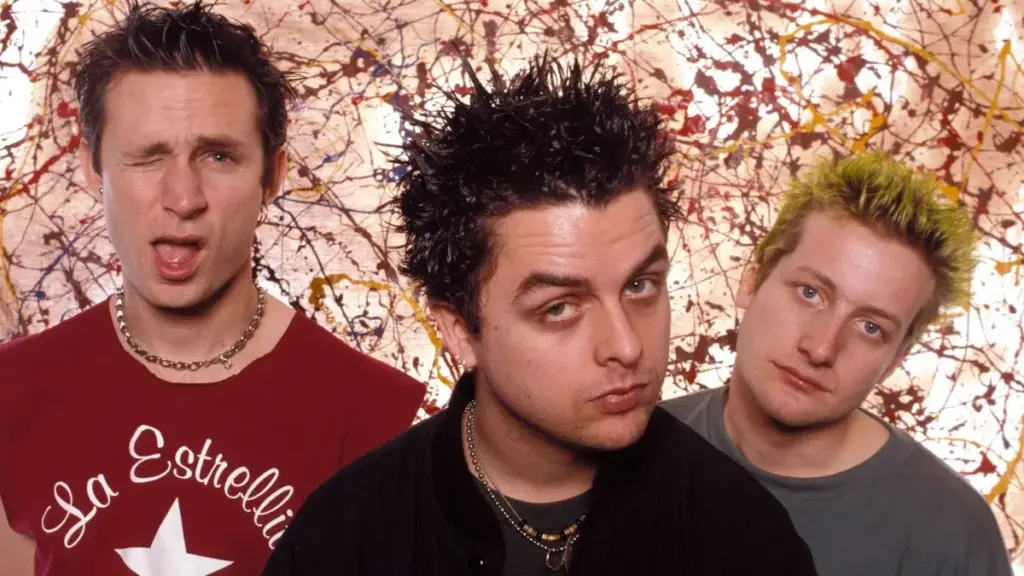
The trajectory of American punk rock cannot be fully understood without examining the improbable rise, cultural friction, and ultimate mainstream triumph of Green Day. Long before they were filling stadiums worldwide, headlining major international festivals, and securing their status as Rock & Roll Hall of Inductees, the band was simply a collection of precocious teenagers navigating the vibrant, fiercely protective underground music scene of the East Bay in Northern California.
At the center of this cultural phenomenon are childhood friends Billie Joe Armstrong and Mike Dirnt, whose musical partnership blossomed in the early 1980s. From recording a local track as a five-year-old to acquiring the iconic light-blue Fernandes Stratocaster affectionately named "Blue," Armstrong’s musical journey was destined for the spotlight. Yet, the path from local-circuit openers playing to dozens of punks at the legendary 924 Gilman Street club to multi-platinum, genre-defining superstars was fraught with ideological battles, accusations of "selling out," and a dramatic excommunication from the very subculture that nurtured them.
This retrospective explores the comprehensive history of Green Day’s formative years, charting their ascent through the underground punk circuit, the pivotal lineup changes that shaped their definitive sound, the explosive commercial breakout of 1994’s Dookie, and their eventual, surprising reconciliation with their punk roots. Through a journalistic lens, we examine how a trio of young musicians managed to bridge the gap between anti-establishment ethos and global pop-punk dominance, leaving an indelible mark on the musical landscape of the late 20th and early 21st centuries.
Detailed Chronology: From "Sweet Children" to Global Icons
Early Foundations and the Birth of a Partnership (1972–1987)
The genesis of Green Day stretches back to the California suburbs, where a young Billie Joe Armstrong displayed an early, undeniable affinity for music. By the age of five, Armstrong had already recorded a local track titled "Look For Love." As he matured, his musical vocabulary expanded rapidly. When he reached the age of 11, he received his first electric guitar—a light-blue Fernandes Stratocaster that would become his lifelong companion, famously customized with stickers, paint, and relentless use throughout his career.
By age 14, Armstrong was actively penning his own material. That year, he wrote his first complete song, "Why Do You Want Him?", an introspective and emotionally charged track dealing with the complex dynamics between his mother and stepfather.
Fate intervened during a middle school lunch period when a 10-year-old Armstrong met Mike Dirnt in the school cafeteria. The two instantly bonded over a shared passion for music, forging a lifelong friendship and creative partnership. Interestingly, before Dirnt cemented his legacy as one of rock’s most ferocious and melodic bass players, his initial childhood ambition leaned toward becoming a stand-up comedian—a comedic wit that would later manifest in the band’s notorious on-stage banter.
The Gilman Street Era and the Formation of Sweet Children (1987–1990)
By the late 1980s, Armstrong and Dirnt formalized their musical aspirations by forming a band originally christened Sweet Children. Seeking a rhythmic backbone, they recruited John Kiffmeyer (known professionally as Al Sobrante) to play drums.
Operating out of Berkeley, California, the trio quickly immersed themselves in the local underground punk ecosystem, finding a spiritual home at the legendary non-profit punk club 924 Gilman Street. The venue was renowned for its strict DIY (Do-It-Yourself) ethos, anti-commercial stance, and fiercely loyal community.
In 1989, at the age of 17, the group decided to rebrand themselves to better reflect their evolving identity and lifestyle. Adopting the moniker Green Day—a slang reference to a day spent heavily consuming cannabis—they released their debut extended play (EP), 1,000 Hours. The EP captured the raw, melodic angst of the East Bay scene.
Capitalizing on their local momentum, Green Day entered the studio in 1990 to record their official debut studio album, 39/Smooth. Released to immediate critical acclaim within underground circles, the album showcased Armstrong’s knack for combining rapid-fire punk tempos with infectious, Beatles-esque pop sensibilities. That same year, the band released two additional EPs: Slappy and Sweet Children. Recognizing the thirst for their early material, these releases were later compiled into a single 1991 compilation album titled 1,039/Smothered Out Slappy Hours.
Lineup Stabilization and the Dawn of "Kerplunk" (1990–1993)
As Green Day’s profile began to rise within the underground circuit, structural changes tested the band’s resolve. In 1990, founding drummer John Kiffmeyer departed the group to attend college. Facing a crucial juncture, Armstrong and Dirnt enlisted Frank Edwin Wright III, universally known as Tré Cool, to take over behind the drum kit.
Tré Cool’s addition proved to be the final, vital puzzle piece for the classic Green Day lineup. His hyperactive, precise, and dynamic drumming style propelled the band’s sound into overdrive. With this refreshed roster, the band immediately returned to the studio to record their sophomore full-length album, Kerplunk.
Released on December 17, 1991, Kerplunk arrived at a seismic moment in rock history. Just months prior, Nirvana’s Nevermind had exploded into the cultural mainstream, obliterating hair metal and shifting the global music industry’s focus toward alternative rock and punk. Kerplunk rode the immediate wake of this seismic shift. Independent music critics and alternative tastemakers suddenly cast their eyes toward Berkeley, identifying Green Day as prime candidates to be crowned "the next Nirvana."
The underground buzz caught the attention of major record labels eager to mine the burgeoning alternative scenes across the United States. In 1993, veteran A&R executive Rob Cavallo, sensing generational talent, signed Green Day to Reprise Records—a decision that would permanently alter the trajectory of their careers and ignite a bitter controversy within their home community.
Supporting Context & Metrics: The Mainstream Explosion and Community Backlash
The 924 Gilman Street Excommunication
Up until their major-label signing, Green Day’s identity was inextricably linked to 924 Gilman Street. However, signing with Reprise Records—a subsidiary of Warner Music Group—instantly put the band at odds with the strict ideological purity of the Berkeley punk club. Gilman Street’s unwritten rules strictly forbade major-label affiliations, viewing them as antithetical to the egalitarian, anti-capitalist ethos of the DIY movement.
Realizing that a storm of controversy was inevitable, Green Day played a defiant, emotional "farewell" show at Gilman Street on September 3, 1993, just six months before their major-label debut would hit shelves. The reaction from local purists was swift and merciless. Accused of "selling out" for corporate dollars, the band was formally blackballed and banned from performing at the venue that had nurtured their infancy. The punk community essentially closed its doors to its former darlings, leaving Armstrong, Dirnt, and Tré Cool to navigate the intimidating waters of mainstream stardom entirely isolated from their roots.
The Phenomenon of Dookie (1994)
Released on February 1, 1994, Green Day’s major-label debut, Dookie, shattered all commercial expectations and cemented itself as one of the definitive rock albums of the 20th century. Infusing classic punk aggression with immaculate pop structures, lyrical themes of anxiety, boredom, and suburban listlessness resonated deeply with disaffected youth worldwide.
Dookie peaked at No. 2 on the Billboard 200 chart and spawned a relentless succession of radio-conquering singles. Tracks like "Longview," "Basket Case," "When I Come Around," and "Good Riddance (Time of Your Life)"—though the latter appeared on a later record, the era’s output dominated the Alternative Airplay and Mainstream Rock Charts. To date, Dookie has sold over 20 million copies globally, earning Diamond certification and redefining the boundaries of commercial radio for alternative music.
Reconciliation and Philanthropy
Despite the bitterness of their 1993 expulsion, time ultimately softened the animosity between Green Day and the Berkeley punk community. On September 16, 2001, the band made a stunning, unauthorized surprise appearance at 924 Gilman Street. Slipping into the venue, they borrowed another performing band’s equipment and tore through a high-energy, nostalgic set that stunned the unsuspecting crowd.
The reconciliation deepened further on May 17, 2015, when Green Day returned to the venue for a highly publicized, official surprise benefit concert. The show was organized to raise vital funds for local Oakland publishing and recording spaces that had been devastated by a massive, catastrophic warehouse fire. Despite years of ideological friction and the community turning its back on them during their ascent, Green Day proved that their commitment to their foundational stomping grounds remained intact when disaster struck.
Official Statements and Industry Reflections
Reflecting on the whirlwind years of their youth, the members of Green Day have frequently addressed the tension between their underground beginnings and their planetary success. In various retrospective interviews, Billie Joe Armstrong has acknowledged the necessity of the band’s early struggles, noting that the discipline required to write, tour, and survive in the punk underground forged a bond between him and Mike Dirnt that corporate management could never manufacture.
Industry insiders have equally praised the band’s resilience. Rob Cavallo, who signed the band to Reprise Records in 1993, noted in retrospective analyses that despite industry pressures to polish their sound into a safe commercial product, the trio maintained absolute creative control over Dookie. They refused to compromise their songwriting identity, ensuring that their transition to the mainstream felt organic to the listener, even if ideological gatekeepers viewed it as treasonous.
Music historians and cultural commentators often cite Green Day’s career as the ultimate template for modern alternative longevity: achieving massive commercial viability without ever fully shedding the raw, unhinged performance energy cultivated in sweat-soaked underground basements and cooperative clubs.
Future Outlook
As Green Day looks toward the future, their legacy as punk rock royalty is permanently secured. Having weathered decades of musical shifts, personal trials, and evolving cultural landscapes, the band continues to release chart-topping material and sell out international stadiums with the same frenetic energy that defined their adolescent years in Berkeley.
The journey from a five-year-old recording local tracks on tape to filling arenas with tens of thousands of screaming fans serves as an inspiring testament to perseverance and artistic integrity. While the punk scene of the 1980s and 1990s has evolved, Green Day’s blueprint remains timeless: write honestly, play fiercely, and never forget the raw power of three chords and a genuine emotion. Whether headlining global festivals or executing surprise benefit concerts for local community spaces, Green Day remains, at their core, the same East Bay kids who simply wanted to make music that mattered.