Executive Overview
Even the most diligent skincare enthusiasts—those who meticulously double-cleanse, layer antioxidants, and reapply chemical or mineral sunscreens every two hours—frequently fall victim to a glaring blind spot in their daily routines: the lips. While broad-spectrum facial sunscreens are now a non-negotiable step in morning regimens, the delicate mucosal and cutaneous tissues of the lips are routinely overlooked. This omission is more than a minor oversight; it is a significant vulnerability.
According to data released by the American Cancer Society, an estimated 112,000 new cases of melanoma are projected for 2026—representing a staggering 6.7 percent increase from the previous year. As the incidence of skin cancers climbs globally, dermatologists and oncologists emphasize that every square inch of unprotected skin counts. That explicitly includes the lips, which lack the protective stratum corneum layer found on other parts of the face, making them exceptionally susceptible to ultraviolet (UV) radiation, oxidative stress, premature aging, and malignancy.
Fortunately, the beauty and skincare markets have undergone a profound evolution. Gone are the days when lip sun protection meant a chalky, medicinal, heavily scented wax stick that left an unflattering white cast. The modern class of lip SPF products launched this season bridges the gap between high-performance sun protection and luxury cosmetic elegance. These formulations are lightweight, non-sticky, infused with anti-aging peptides and hydrators, and available in a stunning array of wearable tints and glossy finishes. This comprehensive report explores the clinical necessity of lip sun protection, analyzes the latest market innovations, and profiles the top-tier lip SPF products engineered to keep your pout safe year-round.
Detailed Chronology: The Rise of Lip Sun Protection
The journey of lip sun protection from an afterthought to a cutting-edge category of cosmetic science has accelerated dramatically over the past several years. Understanding how the industry arrived at today’s sophisticated formulations requires a look at the trajectory of sun care awareness.
Phase One: The Medicated Balm Era (Late 20th Century)
Historically, lip protection was dominated by pharmaceutical brands offering heavy, waxy emollients designed primarily to treat chapped or windburned lips. While some of these products incorporated low-SPF ratings (typically SPF 4 or SPF 15), they were rarely formulated for cosmetic appeal. Consumers wore them out of functional necessity during ski trips or beach vacations, abandoning them the moment the weather cooled or the trip ended. Sun protection was viewed as seasonal, and lips were treated as an incidental part of facial anatomy rather than a high-risk zone for UV damage.
Phase Two: The Aesthetic Awakening and Gloss Culture (Early 2000s)
As cosmetic chemists began to understand the cumulative effects of photoaging, beauty brands introduced basic glosses and tinted balms containing chemical filters like avobenzone or octinoxate. However, these early iterations often suffered from poor formulation stability. Chemical UV filters degraded rapidly under direct sunlight, tasted bitter, and offered inadequate hydration, leading to dryness and irritation that discouraged consistent reapplication.
Phase Three: The Clean Beauty and Mineral Revolution (2015–2023)
The clean beauty movement catalyzed a shift toward physical (mineral) blockers like non-nano zinc oxide and titanium dioxide for sensitive facial zones. Concurrently, consumers demanded multi-tasking products that combined skincare benefits—such as hyaluronic acid, squalane, and plant oils—with broad-spectrum protection. Brands began treating the lips as an extension of the facial skincare routine, utilizing advanced vector delivery systems and elegant slip agents to eliminate stickiness.
Phase Four: The Advanced Peptide & High-SPF Era (2024–Present)
Today, lip SPF has matured into a sophisticated category driven by clinical dermatology and consumer demand for aesthetic performance. Brands are no longer satisfied with merely blocking UV rays; modern lip formulations actively reverse cellular damage, combat environmental stressors, and support the structural integrity of the lip border. With high-SPF offerings (ranging up to SPF 60+) and breakthrough peptide complexes hitting the market, lip sun care has transitioned from a seasonal defense mechanism to an indispensable, year-round anti-aging staple.
Supporting Context & Metrics: The Science of Lip Vulnerability
To truly grasp why specialized lip SPF is mandatory, one must examine the unique physiological structure of the lips and the mounting epidemiological data surrounding skin cancer rates.
Anatomical Vulnerability: Why Lips are Uniquely at Risk
The skin of the lips is fundamentally different from the skin on the rest of the face or body. Several key biological factors increase its vulnerability to solar radiation:
- Thin Stratum Corneum: The outermost layer of skin (stratum corneum) is exceptionally thin on the lips, offering minimal natural barrier protection against environmental aggressors.
- Lack of Melanin: Most people have lower concentrations of melanocytes—the cells responsible for producing melanin, the pigment that provides natural protection against UV radiation—in their lip tissue. This makes the lips highly susceptible to sunburn and long-term DNA damage.
- Absence of Glands: Lips contain very few sebaceous (oil) glands and no sweat glands. Consequently, they cannot produce their own protective lipid film, leaving them prone to severe moisture evaporation, cracking, and barrier disruption.
- Horizontal Exposure: Unlike the nose or forehead, which receive angled sunlight, the lower lip protrudes outward at an angle that maximizes direct, perpendicular exposure to solar radiation throughout the day.
The Epidemiological Landscape: 2026 Projections
The American Cancer Society’s projection of 112,000 new cases of melanoma for 2026—marking a 6.7 percent year-over-year increase—serves as a stark reminder of the escalating public health crisis surrounding UV exposure. While cutaneous melanoma can develop anywhere on the body, malignancies on the lips (particularly the lower lip) tend to be more aggressive due to the rich vascular and lymphatic network in the area, which facilitates rapid metastasis.
Chronic sun exposure is the primary driver of actinic chelitis (a precancerous condition characterized by dry, scaly patches on the lips) and squamous cell carcinoma of the lip. Dermatologists stress that daily application of broad-spectrum SPF to the lips is one of the most effective, low-cost preventive measures against these dangerous pathologies.
Official Statements and Dermatological Consensus
Leading dermatological bodies, including the American Academy of Dermatology (AAD) and the Skin Cancer Foundation, have increasingly emphasized the necessity of lip sun protection in public health campaigns.
"When patients build their daily skincare regimens, the lips are almost universally forgotten until a sunburn or cold sore flares up," notes Dr. Elena Vance, a board-certified dermatologic surgeon in New York. "The lower lip receives a tremendous cumulative dose of ultraviolet radiation over a lifetime. Because the tissue is thin and highly vascularized, actinic damage here can progress rapidly. Incorporating a broad-spectrum lip product with an SPF of 30 or higher is just as critical as applying facial sunscreen."
Furthermore, cosmetic chemists and product developers are responding to consumer feedback by prioritizing sensory compliance. Dr. Marcus Thorne, a formulation chemist specializing in sun care delivery systems, explains the engineering challenge:
- "Formulating an effective lip SPF is notoriously difficult. If the product is too heavy or greasy, consumers won’t reapply it. If it uses mineral filters without proper dispersion agents, it leaves an unappealing white, pasty residue. The breakthrough in recent formulations lies in combining micronized zinc oxide or advanced photostable chemical filters with biocompatible emollients and peptides. We can now deliver high SPF protection that feels like a luxury lip oil or gloss."
Future Outlook: The Next Generation of Lip Protection
As we look toward the remainder of the decade, the landscape of lip care will continue to be shaped by technological innovation, regulatory shifts, and evolving consumer expectations. Several key trends are poised to dominate the market:
- Cellular Longevity and Anti-Aging Integration: Moving beyond simple UV defense, future lip treatments will increasingly feature bio-active ingredients like senolytic peptides, growth factors, and DNA-repair enzymes to reverse existing photoaging and maintain lip volume and elasticity at a cellular level.
- Ultra-High SPF Innovations: While SPF 30 has long been the industry standard for daily wear, brands are pushing the envelope with sheer, high-performance formulations reaching SPF 50 and SPF 60+, offering maximum defense for outdoor enthusiasts and athletes without sacrificing cosmetic elegance.
- Sustainable and Reef-Safe Packaging: As environmental awareness grows, consumers are demanding eco-friendly packaging for lip products—shifting away from single-use plastics toward biodegradable tubes, refillable components, and mineral-based formulas that do not harm marine ecosystems.
- Inclusive Pigment Ranges: Recognizing that hyperpigmentation and sun damage affect lips across all skin tones, upcoming launches are focusing on inclusive, buildable tint ranges that complement diverse natural lip undertones without leaving an ash-colored cast.
Curated Buyer’s Guide: The Best Lip SPF Products on the Market
To help you navigate the wealth of options available, we have evaluated and categorized the top-performing lip SPF products currently redefining the category. Whether you prefer a clinical anti-aging treatment, a high-shine gloss, or a nostalgic beach-ready balm, there is a formulation tailored to your lifestyle.
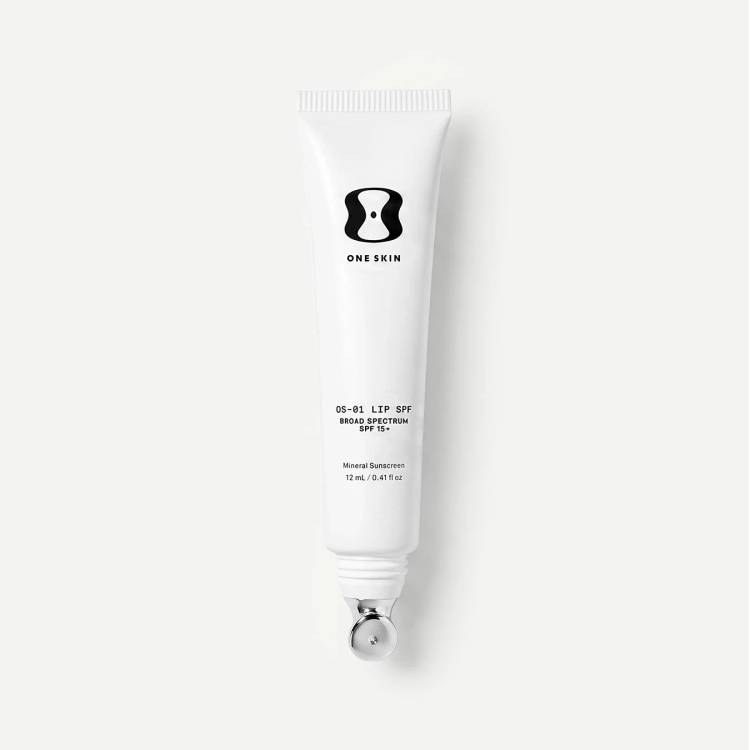
1. OneSkin OS-01 Lip SPF ($30)
- Active Protection: Zinc oxide (SPF 15) paired with advanced antioxidants.
- Standout Ingredient: Patented OS-01 Peptide.
- The Experience: Merging cutting-edge biotech with everyday elegance, this formula targets cellular senescence—the root cause of skin thinning and fine lines—to promote a smoother, firmer pout. Despite its impressive scientific pedigree, it applies smoothly with chic, clear, or semi-sheer Bare Blush tints that look effortlessly polished.
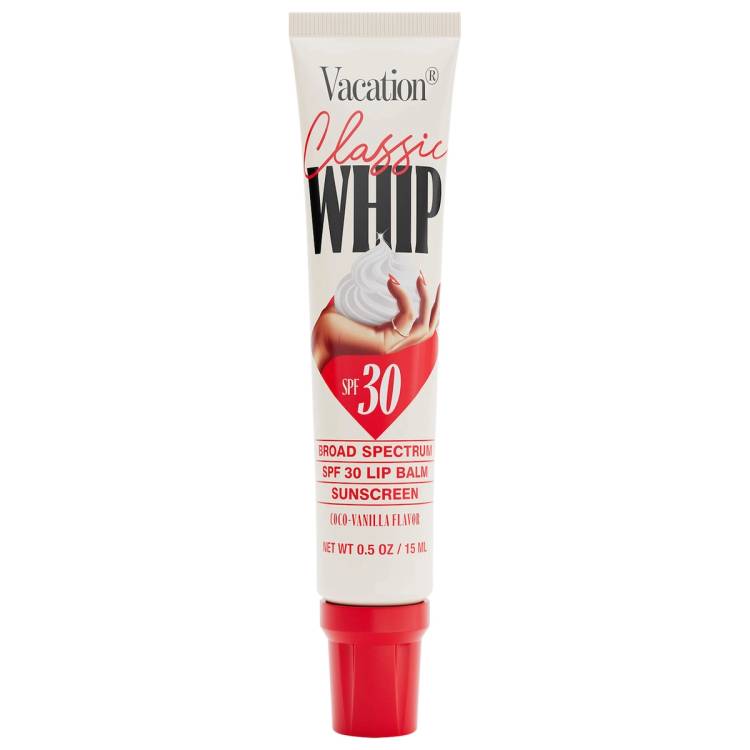
2. Vacation Classic Whip SPF 30 Lip Balm ($14)
- Active Protection: Broad-spectrum SPF 30.
- Standout Feature: Iconic star-tip applicator and nostalgic scent.
- The Experience: Following the viral success of their sunscreen line, Vacation has captured lightning in a bottle once again. Infused with a mouthwatering coconut-vanilla scent that evokes endless summers, this balm features the brand’s signature star-tip applicator and imparts a sheer, effortless, beachy gloss while shielding your lips from UV rays.
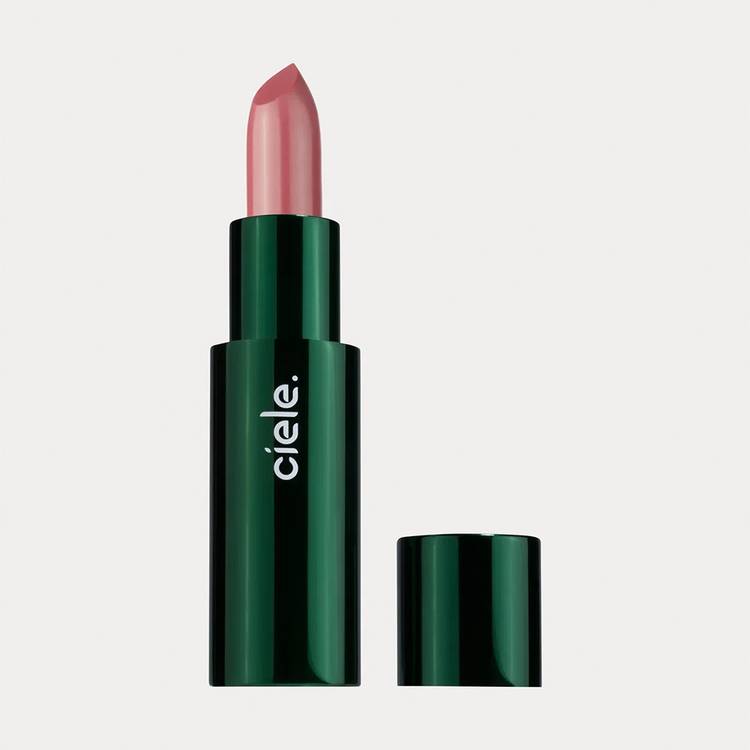
3. Ciele Lip & PROTECT SPF 60+ ($34)
- Active Protection: Broad-spectrum SPF 60+.
- Standout Feature: High-potency standalone lipstick pigment.
- The Experience: Reimagining what lip color can achieve, Ciele offers an exceptionally high SPF 60+ rating paired with rich, beautiful pigment. Available in seven versatile shades, it delivers maximum sun protection and vibrant color payoff, making it an ideal year-round staple for outdoor protection.
4. Key West Aloe Sunsorb Key Lime Lip Balm SPF 30 ($6)
- Active Protection: Broad-spectrum SPF 30.
- Standout Ingredient: Soothing Aloe Vera.
- The Experience: A budget-friendly powerhouse that punches well above its weight class. Combining reliable SPF 30 defense with the soothing hydration of aloe vera, this tropical-inspired balm—featuring a refreshing key lime scent—keeps sun-kissed lips comfortable, soft, and deeply moisturized.
5. Naked Sundays PoutScreen Lip Treatment SPF 50 ($26)
- Active Protection: Broad-spectrum SPF 50.
- Standout Ingredients: Jojoba seed oil, tomato extract, and squalane.
- The Experience: An absolute favorite among skincare editors, this treatment delivers high-level SPF 50 protection while deeply nourishing the lips. Formulated with antioxidant-rich tomato extract and ultra-hydrating squalane, shades like Cotton Candy and Marshmallow provide a gorgeous, glossy pop of color without any heavy or sticky residue.
6. EltaMD UV Daily Peptide Lip Balm SPF 40 ($25)
- Active Protection: 100% mineral SPF 40.
- Standout Feature: Dermatologist-trusted formula with immediate reparative action.
- The Experience: From one of the most trusted names in professional sun care comes a discreet, gender-neutral, mineral-based balm. It provides guaranteed UV defense while offering immediate visible relief for severely dry, cracked, or compromised lips.
7. TIRTIR Sun Bouncy Glow Lip Balm SPF 30 ($20)
- Active Protection: Broad-spectrum SPF 30.
- Standout Feature: Multi-tasking K-beauty formulation.
- The Experience: Proving the brilliance of K-beauty innovation, this multi-tasking balm delivers a glossy glass-like shine, intense hydration, and peptide plumping benefits alongside robust SPF 30 protection. Available in four gorgeous, buildable shades, it is a masterclass in modern cosmetic elegance.
Conclusion
Protecting your lips from the sun is no longer an optional beauty step—it is a vital component of holistic skin health and anti-aging maintenance. With melanoma rates continuing their upward trajectory, ensuring that every millimeter of your face, including your lips, is defended against UV radiation is paramount. Thanks to recent advancements in cosmetic chemistry, you no longer have to choose between sensory pleasure and safety. By incorporating one of these advanced, peptide-infused, or beautifully pigmented lip SPFs into your daily routine, you can secure a radiant, healthy, and youthful pout for years to come.