Executive Overview
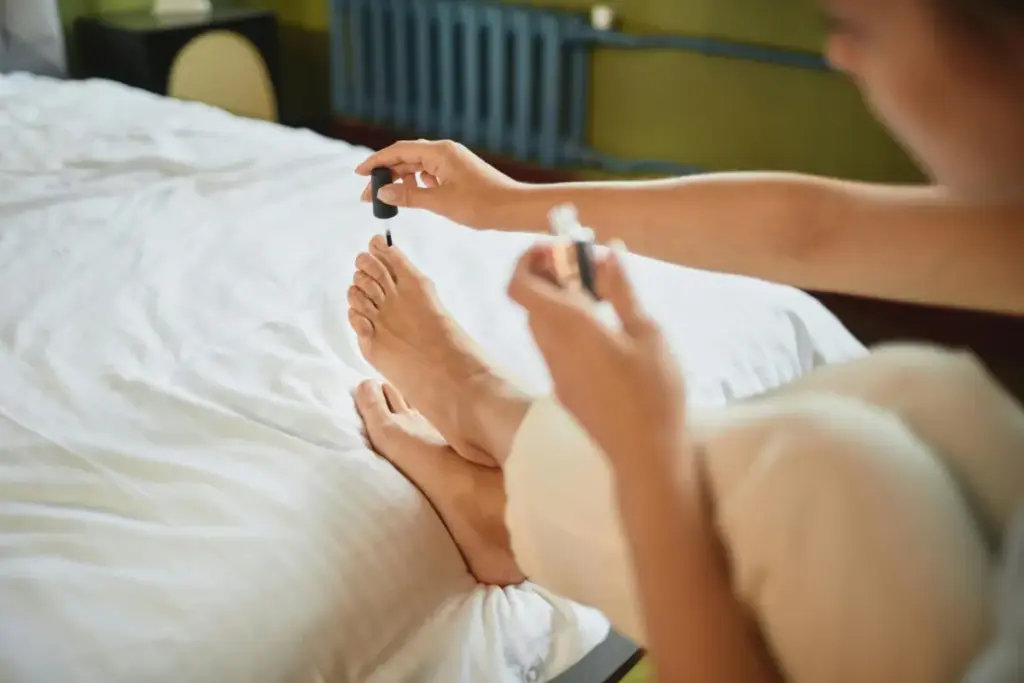
For beauty enthusiasts and wellness seekers alike, the routine maintenance of fingernails is a cherished ritual. A vibrant pop of color, a meticulously shaped almond tip, or the sleek durability of a modern gel manicure can instantly elevate personal style and boost confidence. Yet, a striking dichotomy exists in modern self-care practices: while fingernails receive constant adoration, grooming, and investment, toenails are frequently subjected to a state of benign neglect.
This disparity is especially pronounced during the colder winter months. Encased in thick woolen socks, heavy winter boots, and tightly laced sneakers, feet vanish from sight—and consequently, from mind. The prevailing cultural attitude dictates that if feet are not visible to the outside world, they require no active management. Old nail polish is left to chip away in darkness, calluses are allowed to thicken unchecked, and the basic hygiene of the foot is reduced to whatever soapy runoff happens to cascade down during a hasty morning shower.
However, dermatological science paints a vastly different, more concerning picture of winter foot health. Hidden beneath layers of hosiery and footwear, feet and toenails endure unique environmental stressors that can compromise skin integrity and trigger painful infections. To bridge the gap between popular beauty habits and medical reality, we consulted renowned board-certified dermatologist and nail health specialist Dr. Dana Stern. In this comprehensive investigation, we explore the physiological reasons why winter foot neglect is a recipe for disaster, debunk common pedicure myths, and outline an authoritative, science-backed routine to transform your foot health from the ground up.
Detailed Chronology: The Lifecycle of Winter Foot Neglect
To understand how minor maintenance lapses compound into serious dermatological issues over the winter season, one must examine the typical timeline of foot neglect from the first autumn chill to the arrival of spring.
Phase 1: The Transition to Cover (October – November)
As temperatures plummet, sandals and breathable footwear are retired to the back of the closet. This transition marks the official commencement of the "hidden foot" season. Individuals who may have maintained a bi-weekly or monthly pedicure routine during the summer abruptly halt all salon visits.
At this stage, the lingering remnants of a late-autumn pedicure are often left intact. Because open-toed shoes are no longer worn, the psychological motivation to refresh chipped polish disappears. Consumers rationalize keeping the same color on their toenails for weeks on end, blissfully unaware that the micro-environment inside a winter boot is actively working against them.
Phase 2: The Silent Accumulation (December – January)
By mid-winter, the foot has adapted to a state of semi-permanent confinement. Heavy boots create constant friction points against the heels, toes, and soles of the feet. In response to this mechanical pressure, the epidermis triggers a protective defense mechanism: hyperkeratosis, commonly known as callus formation.
Simultaneously, indoor heating systems sap moisture from the air, dehydrating the thick stratum corneum of the foot. Without targeted intervention—such as specialized urea-based moisturizers—the skin on the heels begins to crack and fissure. Inside the dark, warm, and occasionally damp microclimate of winter footwear, neglected toenails trapped under stale layers of polish begin to exhibit signs of stress, including surface discoloration and early-stage keratin granulation.
Phase 3: The Pathological Peak (February – March)
Late winter represents the peak season for podiatric and dermatological consultations regarding preventable nail infections. This is the timeline when minor, untreated annoyances blossom into painful clinical conditions.
Dry winter air causes the delicate cuticle and perionychium (the skin framing the nail plate) to form micro-tears known as hangnails. When these are ignorantly pulled or bitten off in the absence of proper nail oil hydration, pathogenic bacteria find an open gateway into the living tissue. The result is acute paronychia—a painful, throbbing, pus-filled bacterial infection requiring medical drainage and systemic antibiotics. By the time spring arrives, many individuals are forced to seek emergency dermatological care just to get their feet sandal-ready.
Supporting Context & Metrics: The Science of Podiatric Vulnerability
The human foot is an anatomical marvel, but it is also a biological hotspot for microbial activity. Understanding the unique physiological properties of the foot helps contextualize why standard hygiene practices are wholly insufficient during the winter months.
The Swellington Effect: Water Absorption in the Nail Plate
A common misconception among beauty consumers is that soaking the feet in warm water prior to a pedicure is a harmless, relaxing prelude. According to Dr. Stern, this is scientifically problematic.
"Our nails are essentially sponges," Dr. Stern explains. "When exposed to water, a nail absorbs liquid at a rate roughly one thousand times greater than the surrounding skin. As moisture penetrates between the microscopic cellular bonds of the nail plate, the cells expand. When the foot is removed from the water and dries, those cells contract back to their original size."
This volumetric expansion and contraction wreaks havoc on cosmetic enhancements. When a nail swells under water and subsequently shrinks, any rigid coating—such as traditional nail polish, gel, or acrylic—is subjected to immense mechanical stress. This drastically accelerates chipping, lifting, and micro-fissuring of the product, creating microscopic spaces where moisture and debris can become trapped.
The Microbial Habitat of the Sole
The plantar surface of the foot possesses a higher concentration of sweat glands per square centimeter than almost any other area of the human body. When encased in non-breathable winter boots, this perspiration cannot evaporate efficiently.
This creates a high-humidity, dark environment populated by corynebacteria and micrococci—organisms that feed on dead skin cells and sweat, metabolizing them into volatile organic compounds responsible for foot odor. Furthermore, this trapped moisture softens the skin barrier, making the interdigital spaces (the webbed areas between the toes) prime breeding grounds for tinea pedis (athlete’s foot) and onychomycosis (fungal nail infections).
Official Statements & Expert Guidance from Dr. Dana Stern
To establish a definitive protocol for home and professional foot care, we turn directly to the expert insights provided by Dr. Dana Stern. Her clinical directives challenge several long-held consumer habits.
1. Ditch the Three-Plus-Month Polish Routine
The most pervasive habit identified by Dr. Stern is the multi-month retention of winter toenail polish.
"Because we don’t wear open shoes in the winter, we tend to neglect our feet completely," notes Dr. Stern. "Consequently, people leave polish on their toenails for an excessive duration—often a month or more."
This prolonged occlusion leads directly to keratin granulation. These are chalky, white, rough patches that form on the surface of the nail plate. They occur when surface-level nail cells become excessively dehydrated and fused with residual pigment particles after long periods under polish. To prevent this aesthetic and structural damage, Dr. Stern issues a strict operational rule: Never leave nail polish on your toenails for longer than three to four weeks. A gentle, non-acetone remover should be utilized to strip the pigment, followed by a mandatory resting period for the nail plate.
2. Embrace the "Dry Pedicure"
When salon visits are warranted, Dr. Stern advocates firmly for the "dry pedicure" over traditional water-bath services.
"A dry pedicure is definitively preferable for several reasons," she emphasizes. "First and foremost, it carries a vastly lower infection risk. If the foot basins and whirlpool tubs in nail salons are not meticulously sanitized between every single client, they become breeding grounds for bacteria, fungi, and mycobacteria. This is particularly true for piped foot spas, where it is structurally impossible to disinfect the internal plumbing network."
Beyond hygiene, avoiding the water bath prevents the aforementioned "sponge effect," ensuring that any subsequent polish application adheres smoothly and lasts significantly longer without premature lifting.
3. Revolutionize Your Shower Routine
A recurring theme in dermatological consultations is the gross mischaracterization of how feet are cleaned.
"People generally let shower gel run down their legs and simply hope it cleans their toes and soles by osmosis," Dr. Stern observes.
Given the dense microbial population and high sweat-gland concentration of the feet, passive rinsing is entirely inadequate. Dr. Stern stresses that the interdigital spaces and plantar surfaces require active, intentional scrubbing with soap and water during every single shower. This simple mechanical action removes accumulated sebum, dead skin cells, and microbial loads before they can establish an inflammatory foothold.
4. Banish Hangnails with Precision Cuticle Care
The spike in winter nail infections is directly tied to the mishandling of cuticles and periungual skin. Cold air strips the skin of its natural lipid barrier, causing hangnails to sprout around the toenails.
"I cannot tell you how many acute paronychia cases I’ve seen in my practice over the last few weeks," Dr. Stern warns. "When a hangnail is simply yanked or torn off, it creates an open pathway for bacteria to enter the skin pocket. This triggers acute paronychia—a swollen, red, painful, purulent infection that frequently requires formal surgical drainage and oral antibiotics."
The preventative antidote is twofold: never pull at loose skin around the nail, and consistently apply a high-quality nourishing nail and cuticle oil to maintain skin elasticity.
5. Utilize Urea for Hyperkeratotic Skin
Addressing dry, callused winter feet requires more than a generic body lotion. Because the stratum corneum on the soles of the feet is exceptionally thick, topical agents must possess keratolytic properties to penetrate effectively.
"Urea breaks down the intercellular matrix of the cells in the stratum corneum, making it exceptionally effective at sloughing off dead skin," explains Dr. Stern. "Furthermore, it actively prevents the accumulation of new calluses."
Incorporating a 10% urea-based moisturizer into a nightly foot-care routine offers a vastly superior, gentler, and more targeted alternative to aggressive chemical foot peel masks, which can sometimes compromise the healthy skin barrier.
Future Outlook: The Evolution of Preventive Podiatric Care
As the wellness industry continues to mature, the artificial boundary separating cosmetic nail care (manicures) from medical-grade foot care (podiatry) is rapidly dissolving. Consumers are increasingly recognizing that foot health is not merely a seasonal aesthetic concern, but a fundamental component of holistic physical wellness and mobility.
Looking ahead, the future of foot care lies in preventive dermatology and at-home ritual optimization. The traditional salon model—characterized by communal foot baths and rushed cosmetic masking of underlying issues—is giving way to specialized "medi-pedis" and educated personal regimens.
By adopting the clinical recommendations of specialists like Dr. Dana Stern—embracing dry maintenance, respecting the three-week polish threshold, actively cleansing interdigital spaces, and leveraging keratolytic ingredients like urea—individuals can permanently eliminate the cycle of winter neglect. Ultimately, treating your feet with the same technological and dermatological reverence as your face and hands ensures that when warm weather finally returns, your foundation is as healthy, resilient, and radiant as the rest of your presentation.