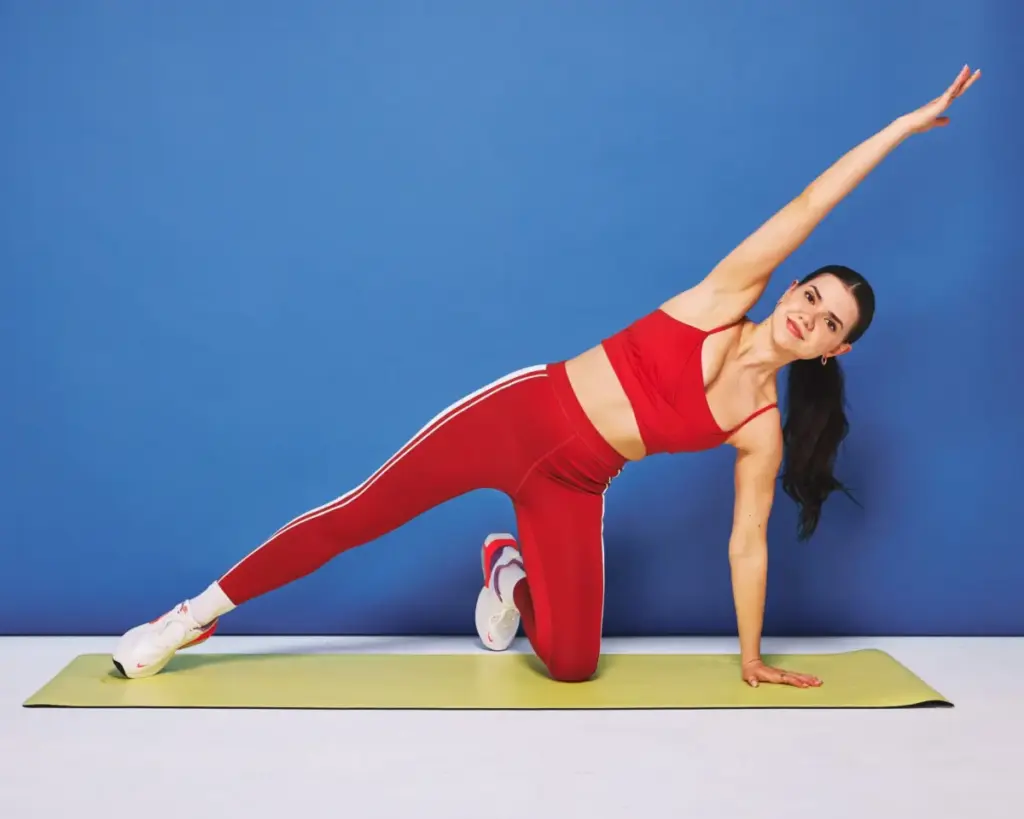
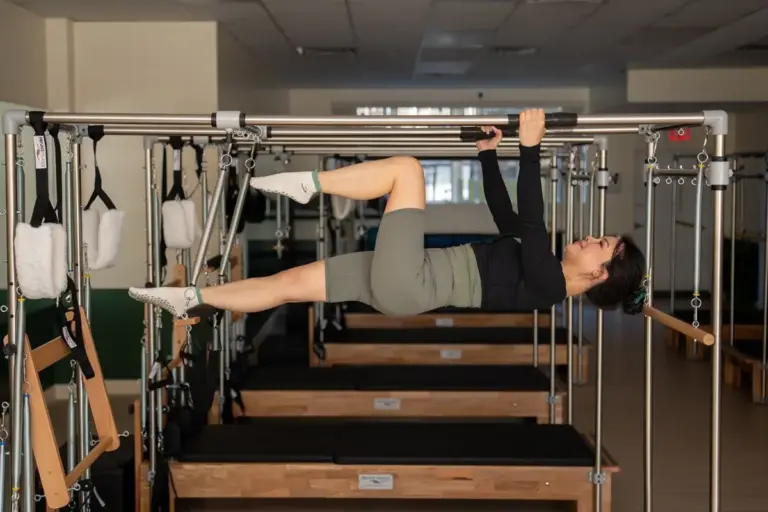
For decades, the prevailing dogma of cardiovascular fitness has relied on high-impact, high-intensity movements: running marathons on unforgiving asphalt, executing explosive plyometric box jumps, and enduring punishing burpees that test the limits of structural resilience. For millions of fitness enthusiasts, weekend warriors, and individuals navigating physical limitations, these traditional avenues come with an unwelcome toll. Cranky knees, aching lower backs, inflamed hips, and strained ankles often sideline those striving to maintain a consistent exercise routine.
Enter the realm of low-impact cardio—a paradigm that challenges the persistent misconception that an effective cardiovascular workout requires pounding the pavement or leaping into the air. By definition, low-impact exercise ensures that at least one foot remains in contact with the ground at all times. Yet, far from being a watered-down alternative for rehabilitation, modern exercise science demonstrates that low-impact bodyweight cardio can dramatically elevate heart rates, torch calories, build foundational strength, and foster long-term cardiovascular health.
Backed by insights from elite fitness professionals like Cara Bonney, CSCS, CPT, and Club Pilates Master Trainer, this comprehensive investigation explores the biomechanics of low-impact training, the hidden bone-density benefits that set it apart from swimming or cycling, and actionable strategies to scale your workouts without sacrificing your joints. Whether you are recovering from an injury, entering the fitness landscape for the first time, or seeking a sustainable, joint-friendly routine for longevity, low-impact cardio offers a scientifically validated pathway to peak physical conditioning.
Detailed Chronology: The Evolution of Cardiovascular Training Paradigms
To understand how low-impact cardio gained its current prestige, it is helpful to trace the evolution of fitness philosophy over the past half-century.
The High-Impact Boom (1970s–1990s)
The modern fitness boom, catalyzed by the 1970s running craze and popularized by Jane Fonda’s high-energy aerobic videos in the 1980s, established high-impact movement as the gold standard for cardiovascular health. The prevailing cultural narrative was simple: no pain, no gain. Workouts were evaluated by how much sweat they induced and how aggressively they taxed the joints. While this era successfully brought public awareness to cardiovascular disease prevention, it also introduced widespread overuse injuries, particularly among recreational athletes who lacked the baseline stability or biomechanical awareness required for repetitive high-impact loading.
The Rise of Specialized Cross-Training (2000s–2010s)
As sports medicine advanced, physical therapists and biomechanists began sounding the alarm regarding chronic joint degradation. The turn of the millennium saw a shift toward cross-training, introducing low-impact modalities like indoor cycling, elliptical machines, and rowing. However, these machine-based modalities often required specialized gym equipment, creating accessibility barriers. Furthermore, strictly non-weight-bearing activities like swimming and cycling—while exceptional for the heart—missed a crucial physiological component: skeletal loading.
The Modern Bodyweight Movement (Present Day)
Today, the fitness industry is experiencing a democratization of exercise driven by functional movement science and home-workout accessibility. Practitioners recognize that cardiovascular endurance is not strictly tied to velocity or vertical displacement. By intelligently manipulating compound muscle recruitment, tempo, and programming intervals, fitness experts have unlocked the ability to generate a massive cardiovascular response using strictly bodyweight movements—all while keeping joint stress to an absolute minimum.
Supporting Context & Metrics: The Science of Low-Impact Cardio
Why does low-impact cardio work so effectively, and how does it stack up against traditional training methods? To answer this, we must examine the physiological mechanics of blood circulation, skeletal stress, and injury prevention.
The Biomechanics of Heart Rate Elevation
The primary objective of cardio is to challenge the cardiorespiratory system, forcing the heart to pump oxygenated blood efficiently to working skeletal muscles. In high-impact modalities, this is often achieved through the sheer force of gravity and explosive acceleration (e.g., the landing phase of a run).
In low-impact bodyweight training, heart rate elevation is achieved through three distinct biomechanical pathways:
Compound Muscle Recruitment: Engaging multiple large muscle groups simultaneously creates a systemic demand for oxygen. When you perform a lower-body squat paired with an expansive overhead arm reach, you force blood to circulate across the entire body rather than pooling exclusively in the lower extremities. This total-body engagement triggers a rapid spike in heart rate.
Kinetic Chain Integration: Dynamic movements that transition smoothly from upper to lower body—such as walking planks with shoulder taps or rotational lunges—demand high metabolic output. The continuous muscular contraction acts as a peripheral pump, assisting venous return to the heart.
Pacing and Density: By reducing or eliminating rest intervals between complex bodyweight movements, exercisers can maintain an elevated heart rate zone equivalent to moderate-intensity steady-state (MISS) or high-intensity interval training (HIIT) without the structural trauma.
The Bone Density Advantage: Weight-Bearing vs. Non-Weight-Bearing
A frequently overlooked benefit of low-impact training lies in its impact on skeletal health. Bone is a living, dynamic tissue that remodels itself in response to mechanical stress—a phenomenon known as Wolff’s Law.
High-Impact Exercise (e.g., Running, Plyometrics): Delivers high-magnitude mechanical loads that stimulate profound bone mineral density adaptation, but carries a high risk of acute and chronic joint injury.
Non-Impact Exercise (e.g., Swimming, Cycling): Offers phenomenal cardiovascular benefits but provides virtually zero gravitational loading on the skeleton, rendering them less effective for osteoporosis prevention.
Low-Impact Exercise (e.g., Modified Burpees, Step-Jacks, Dynamic Bodyweight Sequences): Maintains continuous contact with the ground while still exerting moderate, rhythmic stress on the skeletal system. According to experts, this unique sweet spot delivers vital bone-boosting benefits without overwhelming the articular cartilage of the knees, hips, and spine.
Official Statements & Expert Insights
Navigating the transition from high-impact to low-impact training requires an understanding of structural longevity. Industry leaders emphasize that protecting your joints does not mean compromising on intensity.
"Low-impact cardio exercises can be a smart choice for people with joint conditions or injuries, as well as folks who are new to working out," explains Cara Bonney, CSCS, CPT, a certified strength and conditioning specialist and Club Pilates Master Trainer in Melbourne, Florida.
Bonney notes that the fundamental advantage of these routines is their ability to stimulate the cardiovascular system while sparing vulnerable structures. "That’s because they get your blood pumping without pounding your ankles, knees, hips, and back," she states. "That means they carry a lower risk of injury compared to high-impact activities like running, jumping, or other plyometrics, and bounding. And that can allow you to be more consistent with your exercise routine if you’re dealing with certain limitations—say, cranky knees or a sensitive back—or just getting in the workout groove."
Addressing the common skepticism surrounding bone health, Bonney emphasizes that intensity does not always equate to impact when building skeletal resilience:
"Impact exercises are good for bone health, like preventing or improving osteoporosis, but it doesn’t always have to be high-impact. As long as you have some contact with the ground, you’re stressing your bones, which is ultimately what makes them stronger."
Actionable Strategies: How to Level Up Bodyweight Moves Without Joint Pain
Transforming standard bodyweight exercises into heart-pounding, low-impact cardio sessions requires strategic modifications. Here are the core methodologies recommended by fitness professionals:
1. Harness Compound and Combo Movements
To elevate your heart rate without jumping, incorporate sweeping arm movements alongside lower-body exercises.
The Technique: Instead of performing a standard bodyweight squat, add an expressive overhead reach at the top of the movement. Alternatively, execute high knee marches paired with expansive, rhythmic arm swings.
The Physiological Effect: This forces blood to circulate throughout the entire body, immediately triggering an upward tick in heart rate.
2. Modify High-Impact Classics
You do not have to abandon your favorite high-impact movements; you simply need to alter their execution.
Low-Impact Burpees: Eliminate the jump entirely. Instead, hinge at the hips, place your hands on the floor, step your feet back into a high plank position, step your feet back in, and stand tall with an optional overhead reach.
Low-Impact Jumping Jacks: Replace the hop with a rhythmic lateral tap. Step one foot out to the side while sweeping your arms overhead, then return to center and alternate sides.
3. Introduce Dynamic Core and Upper-Body Integration
Planks are inherently challenging full-body exercises, making them exceptional tools for cardiovascular conditioning when movement is introduced.
Shoulder Taps: Hold a strong high plank and alternate tapping opposite shoulders, challenging core stability and upper-body endurance.
Twisting Knee Drives: Weave in dynamic knee tucks that twist across the body to fire up the obliques.
Lateral Plank Walks: Step your hands and feet sideways while maintaining a rigid plank position, vastly increasing the stability challenge while keeping the cardiovascular system engaged.
4. Manipulate Tempo and Programming Density
Cardiovascular output is heavily influenced by pace and work-to-rest ratios.
Velocity: Increase the speed at which you perform an exercise while strictly maintaining pristine biomechanical form. Rapid, continuous movement keeps blood flowing and taxes the aerobic system.
Interval Structure: Design your low-impact workouts with extended work intervals (e.g., 45 to 60 seconds of continuous movement) paired with shorter, targeted rest periods (e.g., 15 seconds of recovery).
Future Outlook: The Sustainable Future of Fitness
As the global fitness demographic ages and our understanding of biomechanical longevity deepens, the cultural reverence for "pain-inducing" workouts is rapidly fading. The future of physical conditioning belongs to sustainability, functional autonomy, and intelligent joint preservation.
Low-impact bodyweight cardio is no longer viewed as a modification for the injured or the elderly; it is recognized as a sophisticated, highly adaptable training discipline suitable for athletes at every level of the spectrum. By decoupling cardiovascular intensity from joint destruction, fitness enthusiasts can build routines that endure for decades rather than months. Whether performed in a living room without a single piece of equipment or integrated into a comprehensive cross-training schedule, low-impact cardio proves that you can achieve peak physical fitness, protect your skeletal system, and safeguard your joints—all while leaving you breathless, energized, and ready for whatever life demands.