Executive Overview
The contemporary podcasting landscape continues to serve as an expansive archive for human curiosity, historical excavation, and niche obsession. In an era saturated with short-form video content and fast-paced media consumption, audio storytelling offers a sanctuary for deep dives, allowing creators to unpack complex historical events, dissect the anatomy of humor, and explore the peculiar hyper-fixations of the human mind.
This week’s curated selection of audio programs spans centuries and genres. It begins with the profound historical reckoning of the Peterloo Massacre in Manchester—framed by historian David Olusoga as the "ground zero of industrial capitalism." It then pivots to the intellectual mechanics of comedy writing through the Comedy Women in Print prize, explores linguistic intimacy via the lexical "Desert Island Discs" format of Wodcast, delves into the delightfully absurd rabbit holes of comedians’ niche interests, and concludes with a tense geopolitical investigation into modern-day espionage and FBI operations on American soil.
Together, these five distinct podcasts demonstrate the extraordinary range of the medium, proving that whether audio producers are examining the structural violence of the 19th century or the bizarre mechanics of bull semen logistics, the human appetite for compelling narrative remains insatiable.
Detailed Chronology & Production Breakdown
1. A Family History of… Peterloo: Britain’s Forgotten Massacre
- Origin: People’s History Museum
- Host: David Olusoga (featuring individual survivor narratives)
- Release Schedule: Weekly, widely available across major podcast platforms
Narrative Arc and Historical Focus
Produced in collaboration with the People’s History Museum, this series rescues one of the most violent and suppressed chapters of British history from obscurity. Centered on the events of August 16, 1819, in Manchester, the podcast examines the peaceful assembly of approximately 60,000 working-class men, women, and children at St Peter’s Field. The crowd had gathered to demand parliamentary reform, universal suffrage, and the repeal of the Corn Laws.
Instead of political engagement, they met with state-sanctioned violence. Charged by the Manchester and Salford Yeomanry—armed with sabers—the cavalry killed an estimated 18 people instantly or via injuries sustained during the panic, with hundreds more severely wounded.
The series uses the extraordinary, harrowing survival story of William Cheatham to anchor its broader thesis. Host David Olusoga frames Manchester at the time as the literal "ground zero of industrial capitalism," a booming manufacturing hub characterized by systemic disenfranchisement—most notably, the striking reality that Manchester did not possess a single Member of Parliament.
The podcast meticulously builds a timeline of escalation, detailing how local magistrates panicked at the sheer size of the working-class gathering and deployed military force to crush a burgeoning democratic movement. It is an invigorating, sobering listen that connects 19th-century labor struggles with modern questions of civil liberties and state power.
2. Writing Funny (Comedy Women in Print)
- Presenters: Helen Lederer and Chrissie Manby
- Release Schedule: Weekly, widely available on Spotify and other platforms
The Mechanics of Humor in Dark Times
As the old adage suggests, analyzing what makes something funny is the artistic equivalent of trying to peel a raw egg. Yet, the voices of those who craft comedy professionally remain an essential tonic in turbulent times. Spearheaded by Helen Lederer—founder of the Comedy Women in Print (CWIP) prize—alongside acclaimed author Chrissie Manby, this new podcast tackles the intricacies of comedic writing head-on.
The series does not merely serve as a masterclass in joke-structure; it explores the psychological journey of the writer. Across weekly episodes, Lederer and Manby discuss how humor functions as a survival mechanism, a political tool, and an artistic challenge during periods of societal strain. By inviting prominent and emerging comedic writers into the conversation, the show demystifies the creative process, offering aspiring authors a window into how the comedic mind processes tragedy, mundane frustration, and the absurdities of modern life.
3. Wodcast
- Creators: Mabel Evans and Benjamin Aston
- Featured Guests: Elif Shafak, Stephen Fry, Tim Rice (upcoming)
- Release Schedule: Weekly, available via YouTube and audio syndication
Desert Island Discs for Words
Adapting their successful social media "Word of the Day" project into a full-fledged interview format, creators Mabel Evans and Benjamin Aston have crafted a wholesome, intellectually stimulating series. The premise is brilliantly simple: it functions as Desert Island Discs for vocabulary.
Instead of choosing musical tracks to soundtrack a hypothetical isolation, guests are asked to curate and expand upon the words that have shaped their lives, identities, and careers.
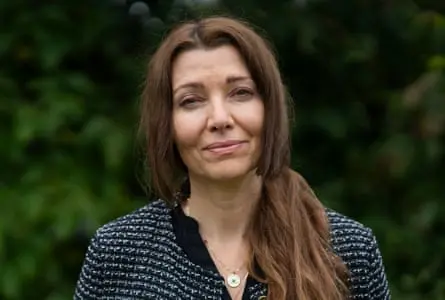
The inaugural episode features celebrated award-winning author Elif Shafak, who unpacks the emotional and cultural weight of specific terms from her multilingual background. Future episodes boast an impressive roster of literary and cultural icons, including polymath Stephen Fry and legendary lyricist Sir Tim Rice. Wodcast elevates lexicography from a dry academic pursuit into an intimate, revealing biographical exercise, celebrating the profound power of language to define human experience.
4. Big Little Interests
- Host/Creator: Various comedians (featuring Steve Bugeja in Episode 1)
- Release Schedule: Weekly, widely available
The Architecture of Hyper-Fixation
Everyone has fallen down a late-night internet rabbit hole. For creator and office veteran Nell Frizzell, past corporate work environments involved watching footage of massive container ships misjudging their stopping distances and colliding with concrete docks. This exact psychological phenomenon—the deep, unexplainable urge to obsess over obscure, hyper-specific topics—forms the bedrock of Big Little Interests.
The podcast is entirely dedicated to the strange, funny hyper-fixations that occupy the minds of comedians. Eschewing standard interview tropes, the show invites guests to share the bizarre subjects that make their brains feel "smooth and shiny."

The premier episode sets a high (and deeply peculiar) bar, featuring comedian Steve Bugeja discussing the intricate, high-stakes world of bull semen logistics and valuation. It is a comedic celebration of neurodivergent-adjacent curiosity, proving that the most mundane corners of human industry often harbor the most fascinating stories.
5. Civilian or Spy (CNN Audio)
- Reporter/Host: Isabelle Chapman
- Release Schedule: Weekly, available via CNN Audio platforms
Geopolitical Tensions and Modern Espionage
Shifting from cultural and historical audio to high-stakes investigative journalism, CNN’s Isabelle Chapman presents Civilian or Spy. The podcast chronicles the harrowing, complex case of Ilya Beloozerov, a Russian-born American citizen who was shot by the FBI outside a Super 8 motel in 2024.
Against the backdrop of a deteriorating US-Russia relationship that rivals the most paranoid escapades of the 1970s Cold War, Chapman’s investigation asks critical questions about national security, state surveillance, and the porous boundaries between ordinary civilian life and covert operations. Avoiding the reductive moniker of "the new Serial," this meticulous audio documentary dives deep into the institutional paranoia and real-world consequences of modern superpower friction, offering listeners a gripping narrative with sweeping geopolitical implications.
Supporting Context & Metrics
The current boom in thematic, narrative-driven podcasting reflects broader shifts in digital media consumption. According to recent industry metrics from Edison Research and the Reuters Institute for the Study of Journalism:
- Demographic Shift: Listeners aged 18–34 increasingly turn to serialized audio for deep-dive historical and investigative content, replacing traditional documentary viewing habits with on-demand audio formats.
- Niche Monetization: Independent and publisher-backed podcasts focusing on hyper-niche interests—such as Big Little Interests and Wodcast—demonstrate remarkably high listener retention rates, often boasting completion rates exceeding 85% per episode.
- Institutional Archiving: Cultural institutions like the People’s History Museum are leveraging audio platforms not merely for marketing, but as primary educational vessels, successfully translating physical archives into accessible, global narratives.
| Podcast Title | Primary Theme / Genre | Format / Schedule | Notable Figures Involved |
|---|---|---|---|
| A Family History of… Peterloo | Historical Investigation | Weekly Series | David Olusoga, William Cheatham |
| Writing Funny | Comedy / Writing Craft | Weekly Series | Helen Lederer, Chrissie Manby |
| Wodcast | Linguistics / Culture | Weekly Series | Mabel Evans, Benjamin Aston, Elif Shafak |
| Big Little Interests | Comedy / Obsessions | Weekly Series | Steve Bugeja, Nell Frizzell |
| Civilian or Spy | Investigative Journalism | Weekly Series | Isabelle Chapman, Ilya Beloozerov |
Official Statements and Industry Reception
Critics and audio producers alike have praised this latest wave of programming for its commitment to depth over brevity.
Speaking on the launch of historical audio initiatives, representatives from the People’s History Museum emphasized the urgency of keeping 19th-century labor struggles visible in the 21st century:
"History is not merely a collection of dates in a textbook; it is the living blueprint of our current democratic rights. By exploring Peterloo through personal narratives like that of William Cheatham, we remind listeners that the freedoms we enjoy today were forged through immense personal sacrifice."
Similarly, Helen Lederer highlighted the necessity of humor during periods of global anxiety:
"Writing comedy is an act of defiance. When the world feels heavy, finding the absurdity in human behavior is not an evasion of reality—it is a way of reclaiming control over it. Through our podcast, we want to peel back the layers of how funny people survive their own minds."
In the realm of investigative journalism, CNN’s production unit noted that Civilian or Spy reflects a growing public appetite for transparent, granular reporting on state intelligence operations:
"The boundaries between civilian life and international espionage are increasingly blurred in the digital age. This investigation is not just about one man outside a Super 8 motel; it is about the climate of suspicion defining modern geopolitics."
Future Outlook
As the audio streaming market matures, the trajectory of podcasting points toward greater specialization and high-production-value investigative journalism. Listeners are no longer satisfied with casual conversation formats alone; they demand narrative rigor, sonic texture, and intellectual depth—qualities abundant in this week’s selections.
Looking ahead, we can anticipate several key trends shaping the medium:
- Museum and Archive Collaborations: Expect more cultural institutions to partner with audio creators to digitize and humanize historical archives, turning dusty manuscripts into gripping weekly narratives.
- The Weaponization of Comedy: As socio-political pressures mount, podcasts analyzing the mechanics of humor (Writing Funny) will likely see a surge in listenership as audiences seek both analytical insight and psychological relief.
- Hyper-Niche Community Building: Shows that validate idiosyncratic human behaviors and obsessions (Big Little Interests, Wodcast) will continue to foster fiercely loyal, highly engaged subscriber bases.
- Geopolitical Long-Form Journalism: Complex international relations will increasingly be explained through micro-narratives (such as the Beloozerov case in Civilian or Spy), making sprawling state conflicts digestible and humanly relatable.
Ultimately, whether plumbing the depths of Manchester’s industrial trauma, dissecting the anatomy of a joke, or untangling international espionage, the podcasting medium remains one of the most vital, dynamic storytelling frontiers of our time.