Executive Overview
Nearly three years after a tragedy that shook the nation, the legal and emotional fallout surrounding the case of Lindsay Clancy continues to unfold. On September 4, a Plymouth Superior Court judge declared a mistrial in the high-profile murder trial of Lindsay Clancy, a 36-year-old former nurse accused of killing her three young children—Cora (5), Dawson (3), and Callan (8 months)—at their Duxbury, Massachusetts, home on January 24, 2023. The jury, deadlocked after a grueling six-week trial, was unable to reach a unanimous decision on whether Lindsay was criminally responsible for the deaths, given her severe struggles with postpartum psychosis.
As the legal system prepares for a crucial status hearing on September 29 to determine the next steps, the focus has shifted intensely to the emotional survival of her ex-husband, Patrick Clancy. In a deeply personal and heartbreaking preview of his first sit-down interview with 60 Minutes, set to air on September 20, Patrick opened up about his enduring grief, his ongoing communication with his late children, and the vitriolic online conspiracy theories that have targeted him since the tragedy.
Supported by legal representatives from both sides who have firmly debunked baseless rumors of his involvement, Patrick is attempting to reclaim the narrative of his children’s legacy while navigating a path forward that includes a remarriage in April 2026 and the expectation of another child. This exhaustive report examines the trial’s progression, the psychiatric defense, the forensic evidence, and the profound human cost of a medical crisis misunderstood by the public.
Detailed Chronology: The Anatomy of a Tragedy and Trial
The Spiral into Darkness
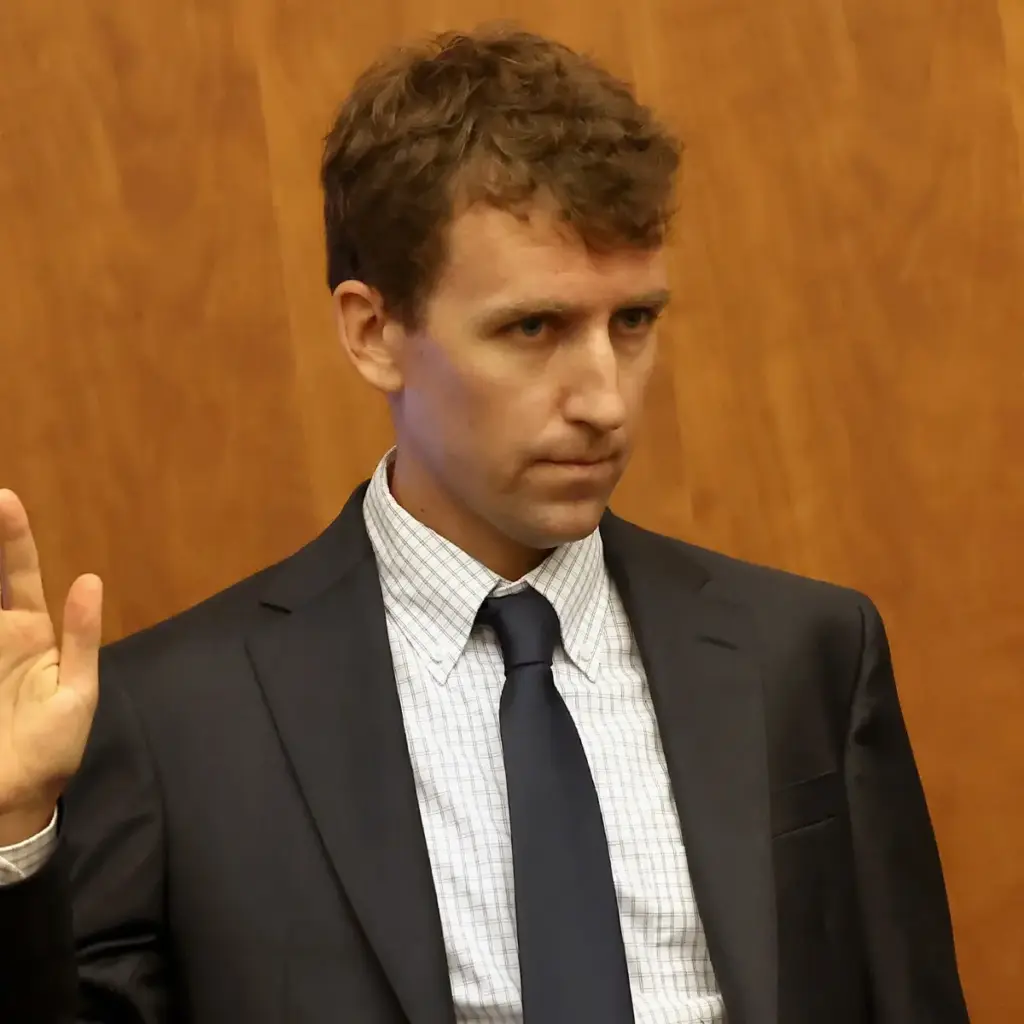
The events leading up to January 24, 2023, were meticulously detailed during the summer trial in Plymouth Superior Court, where Patrick Clancy took the stand as the prosecution’s first witness. Testifying before Judge William Sullivan, Patrick detailed his ex-wife’s growing mental health battles following the birth of their children. While Lindsay had briefly sought psychiatric help after Dawson’s birth in 2019, her condition deteriorated significantly following the birth of their youngest child, Callan, in May 2023.
According to testimony, Lindsay’s "big spiral" commenced in December 2023 after she was prescribed a new medication—one of several cocktails introduced since September of that year. Lindsay confided in Patrick that she was experiencing terrifying "intrusive thoughts" about harming herself and the children. Despite these harrowing admissions, Patrick testified that he never suspected she harbored actual malice or intent to hurt the kids, believing her to be overwhelmed by postpartum depression and anxiety.
On December 31, 2023, Lindsay checked herself into the emergency room at Massachusetts General Hospital due to persistent suicidal ideation. She was subsequently transferred to an affiliated psychiatric facility and discharged on January 5, 2024. Upon her release, family members and colleagues noted an apparent improvement in her mood; she even spent January 24 building a snowman and playing outside with her children, an illusion of normalcy that would shatter hours later.
The Fatal Afternoon and 911 Call
Prosecutors alleged that Lindsay deliberately orchestrated errands to clear the house, sending Patrick out to pick up takeout and medication for Cora. During this window, investigators argued she strangled the three children using exercise bands with calculated precision.
Upon returning home, Patrick discovered his unresponsive children in the basement and Lindsay severely injured in the backyard after an apparent suicide attempt. In a harrowing piece of evidence played for the jury, the audio of Patrick’s seven-minute 911 call captured his raw, unfiltered shock as he screamed to the dispatcher, "She killed the kids!"
State troopers and digital forensics experts later reconstructed the afternoon through cell phone records and Apple Watch data. Forensics showed Lindsay climbing stairs shortly before the murders, while text message logs revealed mundane conversations about dinner orders from ThreeV just moments before the tragedy unfolded.
Supporting Context & Metrics: Trial Evidence and Expert Testimonies
The courtroom battle fundamentally centered on a legal dichotomy: did Lindsay Clancy retain criminal responsibility, or was she entirely robbed of her cognitive faculties by acute postpartum psychosis?
Psychiatric and Forensic Findings
- The Defense Position: Defense attorney Kevin Reddington argued that Lindsay suffered from severe bipolar disorder exacerbated by improperly managed psychiatric medications. On the day of the killings, Reddington asserted that auditory hallucinations commanded her: "This is your last chance. Kill the children so you can kill yourself."
- Toxicology Reports: Forensic toxicologist Justin Brower testified that post-incident blood screens detected antidepressants (mirtazapine, trazodone), a mood stabilizer (lamotrigine), and an atypical antipsychotic (quetiapine). While quetiapine levels were slightly elevated, Brower noted they did not reach toxic or suicidal thresholds, though he conceded that toxicology reports "don’t tell the entire story."
- Digital Footprint: Digital forensics expert Ian Whiffin revealed that in the days leading up to the tragedy, Lindsay searched online for terms such as "how quickly does wellbutrin work for depression," "ketamine for suicidal ideation," and "postpartum psychosis."
- The Journal Entries: Jurors were presented with heartbreaking excerpts from Lindsay’s personal diary, in which she chronicled her desperation, severe "brain fog," and a desperate plea: "I want help. I want to be well."
Juror Deadlock and Trial Turbulence
The trial was marked by high-stakes tension. On August 19, Judge Sullivan abruptly dismissed the 18 jurors for the day due to an undisclosed "unforeseen circumstance." Later, as deliberations stretched across several days, Reddington moved to replace a juror allegedly withholding a verdict due to personal bias, a motion Judge Sullivan denied, citing the sensitive nature of discharging deliberating jurors. Ultimately, on September 4, the inability of the jury to reconcile criminal responsibility versus mental illness resulted in a mistrial.
Official Statements and Public Vindication
Patrick Clancy Speaks Out
In his upcoming 60 Minutes interview with correspondent Shanelle Kaul, Patrick addressed the deeply painful aftermath of the trial. He revealed that he still maintains an internal dialogue with his late children, noting that he frequently whispers, "Help me. All the time."
Furthermore, Patrick fiercely condemned the online conspiracy theories that blossomed during and after the trial. He labeled these fabricated narratives—which baselessly accused him of complicity—as "deeply harmful to the legacy of his children and a distraction to perinatal mental health."
Legal Defense Unity
Despite representing opposing sides in the courtroom, defense attorney Kevin Reddington went out of his way to defend Patrick from online trolls during a September appearance on CBS Mornings.
"No actor in California could ever imitate that," Reddington said, referencing Patrick’s agonizing 911 call. "It’s obvious that Patrick was a man who stood by his wife through all of the difficulty of the medical issues, the psychiatric issues… The man ought to be able to move on with his life, and stop with the speculation and horrific conspiracy allegations."
Patrick’s civil and family attorney, David Meier, echoed these sentiments in a post-mistrial statement:
"The loss of Patrick’s children is something from which he will never recover and from which there will never be closure. The prospect of reliving this tragedy through another trial is extraordinarily painful—for Patrick, for his family, and for all of us."
Future Outlook
As the calendar turns toward late September, the legal proceedings surrounding Lindsay Clancy hang in a delicate balance. A crucial status hearing is scheduled for September 29, where prosecutors and defense counsel will return to Plymouth Superior Court to establish a roadmap for the case. The Commonwealth must decide whether to pursue a retrial before a new jury or evaluate alternative resolutions given the profound complexities of prosecuting a severe mental health crisis.
Meanwhile, Patrick Clancy is attempting to rebuild his life amidst unimaginable grief. Having married Dr. Rachel Danis in April 2026 and currently expecting another child, Patrick’s journey reflects a dual reality: honoring the eternal memory of Cora, Dawson, and Callan while striving to advocate for better awareness, destigmatization, and safety protocols surrounding postpartum psychiatric care.