Executive Overview
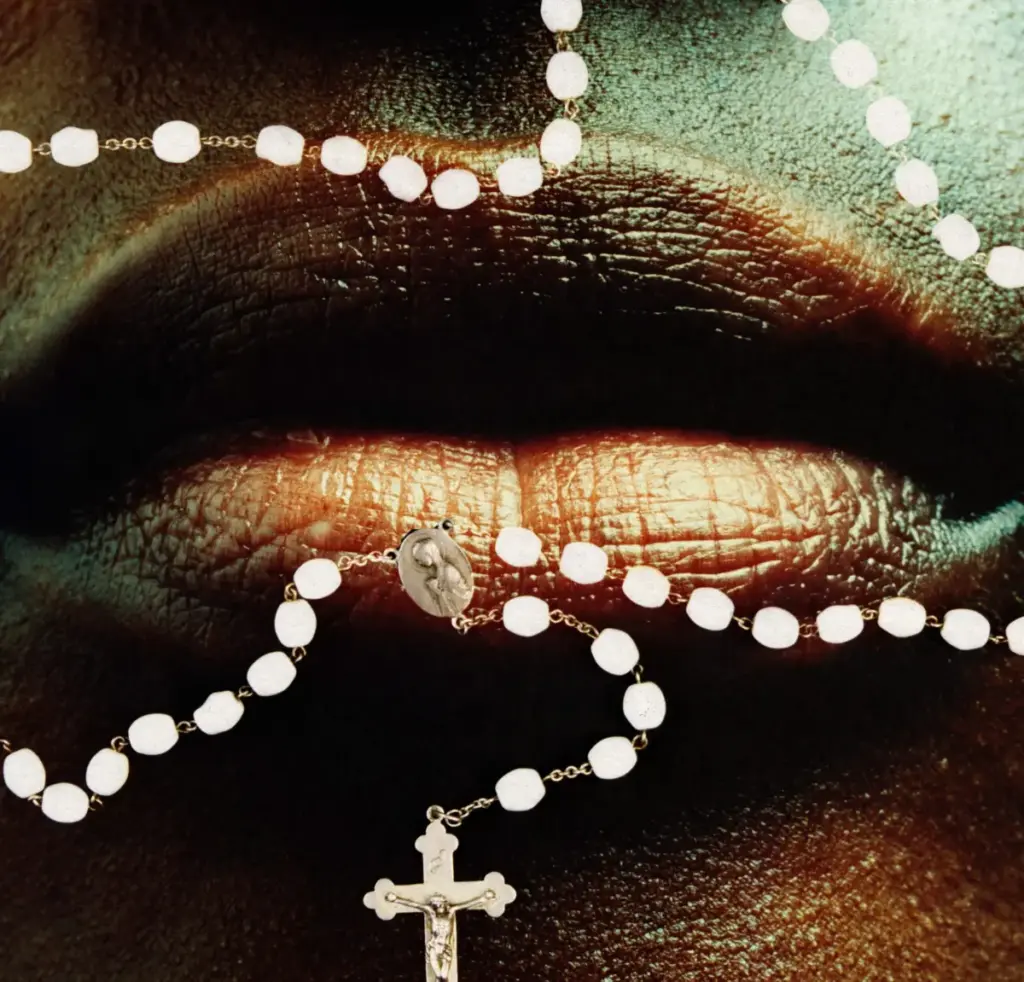
For millions of individuals raised in strict religious households, the journey away from faith is rarely a clean break of the mind. While ideological beliefs can be intellectually discarded, the physiological and psychological imprints of dogma often linger, manifesting as deep-seated somatic distress. This phenomenon—increasingly recognized by mental health professionals as religious trauma syndrome—bridges the gap between spiritual indoctrination and physical trauma.
This investigative feature examines the lingering impact of purity culture within traditional communities, exploring how centuries-old doctrines surrounding the "sins of the flesh" manifest as somatic anxiety, physical pain, and internalized guilt during adulthood. Through personal narrative and expert psychological insights, this article traces the arduous journey from ideological deconstruction to somatic healing. Furthermore, it investigates how marginalized communities are reclaiming bodily autonomy through alternative spaces, including Brooklyn-based kink and sex-positive communities, where consent, safety protocols, and radical acceptance offer an antidote to historical shame.
Detailed Chronology: From the Pew to the Playroom
The internal conflict between ancestral faith and personal autonomy rarely happens overnight. For many, it is a gradual, often agonizing evolution shaped by early indoctrination, the disruption of global crises, and the eventual reclamation of bodily sovereignty.
Phase 1: Indoctrination and the Architecture of Fear
Growing up within strict Southern religious traditions often means living under a constant, low-grade hum of surveillance. In many tight-knit congregations, particularly within historical Black churches, the community dynamic is deeply communal: "No one suffers alone, and no one gets to Heaven alone." While this fosters profound love, support, and cultural richness, it also weaponizes collective accountability.
In these environments, the preservation of moral purity is treated as a communal responsibility. Behavioral policing extends far beyond the individual; parents are frequently "sat down," barred from the choir, or stripped of leadership roles if their children transgress church moral codes. This structural public shaming creates an environment where personal desires are inextricably linked to familial and social ruin.
Purity culture frames premarital intimacy not merely as a mistake, but as a direct affront to the divine order—often equated with spiritual destruction or, in extreme rhetorical framing, "murder against the Lord." For young women, the ideal is explicitly defined through patriarchal modesty and untouchability. Consequently, natural developmental milestones, dating, and sexual curiosity become fraught with terror, establishing a conditioned nervous system response characterized by hypervigilance and fear of eternal damnation.
Phase 2: The Pandemic Deconstruction and Somatic Residue
For many individuals, the COVID-19 pandemic served as an unexpected catalyst for deconstruction. Isolated during a global health crisis characterized by widespread loss and systemic institutional failures, traditional frameworks of a protective, interventionist deity began to fracture. The sudden silence of lockdown provided the space necessary to question long-held theological assumptions.
However, discarding an ideology does not automatically reset the body. When individuals raised in purity culture begin exploring adult relationships and intimacy, the psychological ghost of the church often manifests physically. Symptoms frequently include:
- Somatic tension: Unexplained muscle stiffness, seized backs, and restricted posture during intimacy.
- Autonomic distress: Pounding headaches, labored breathing, and post-encounter panic attacks.
- Intrusive ideation: Flashbacks to hellfire sermons, intrusive thoughts of divine retribution, and an overwhelming sense of impending doom during consensual sexual encounters.
These physical manifestations are classic indicators that the autonomic nervous system has encoded religious doctrine as physical danger, triggering a trauma response whenever bodily autonomy is exercised.
Phase 3: Therapeutic Intervention and the Recognition of Trauma
Recognizing that physical distress is not a spiritual warning sign, but rather a symptom of trauma, marks a critical turning point in healing. Modalities such as Eye Movement Desensitization and Reprocessing (EMDR) have proven effective in processing the somatic distress associated with religious fear. By targeting the neurological storage of traumatic memories, therapy helps transition debilitating terror into manageable, neutral emotional responses.
Through professional guidance, individuals learn to identify religious trauma not as a formal diagnostic disorder in the DSM-5, but as a recognized clinical reality affecting millions of adults worldwide. Understanding that intrusive thoughts of damnation are trauma responses—rather than prophetic warnings—allows survivors to separate their intrinsic worth from external dogma.
Phase 4: Reclaiming Pleasure Through Alternative Spaces
Healing from purity culture requires more than cognitive reframing; it demands the active, intentional redefinition of pleasure. For many deconstructing individuals, traditional dating environments can still feel compromised by residual patriarchal dynamics. Consequently, some turn to alternative, sex-positive communities—such as specialized kink collectives in urban centers like Brooklyn—to explore boundaries on their own terms.
Spaces like Sucia, an inclusive group catering to Black and marginalized communities seeking safe exploration of alternative sexualities, provide an empirical model for safety. By prioritizing rigorous consent workshops, strict behavioral boundaries, and peer-monitoring systems (such as identifier wristbands for those needing assistance), these communities offer a counter-cultural refuge. Here, the focus shifts from moral purity to absolute bodily autonomy, transforming sex from a site of spiritual anxiety into an expression of personal agency.
Supporting Context & Metrics: The Scale of Religious Trauma
While religious trauma is not currently codified as a standalone diagnosis within the Diagnostic and Statistical Manual of Mental Disorders (DSM-5), it is an area of growing empirical study within psychology and sociology.
- Prevalence: Recent public health and sociological surveys indicate that up to one-third of U.S. adults have experienced some form of religious trauma or adverse religious experiences throughout their lives.
- Symptomatology: Clinical observations from organizations such as the Religious Trauma Institute identify common symptom clusters, including:
- Cognitive impairment: Difficulty with independent decision-making, black-and-white thinking, and persistent guilt.
- Emotional dysregulation: Chronic anxiety, depression, and a pervasive fear of abandonment or damnation.
- Somatic disturbances: Sleep disorders, hypervigilance, sexual dysfunction, and stress-induced physical ailments.
- The Intersection of Marginalization: Studies highlight that religious trauma is frequently compounded for individuals holding intersectional identities (such as LGBTQ+ individuals or people of color within traditional faith communities), where the cost of leaving a supportive cultural institution involves a double alienation from both spiritual and ethnic safety nets.
Official Statements and Expert Perspectives
Mental health professionals and community organizers emphasize the necessity of structured, non-judgmental environments for individuals healing from dogmatic control.
"A lot of the people [in alternative kink spaces] have either experienced or have been the arbiters of a lot of judgment and control around sex," notes Jocylynn Stephenson, a licensed marriage and family therapist specializing in relational and sexual health. "It’s freeing to be surrounded by people who are going to come from a place of acceptance first. There’s so much commitment to consent and safety protocols, whether they’re formalized or informal in kink communities. For a lot of people, it becomes a safe place to be able to explore because they’re not being judged, and they know that the people they’re having sex and interacting with are in agreement that there should be rules."
Clinical researchers stress that recovery from religious trauma requires dismantling the internalized surveillance state. Dr. Marlene Winell, a pioneer in the study of Religious Trauma Syndrome (RTS), notes that recovery involves moving away from externalized moral validation toward internal emotional regulation—a process that requires patience, professional support, and safe social restructuring.
Future Outlook: Redefining Healing and Autonomy
The conversation surrounding religious trauma is undergoing a paradigm shift. As mental health literacy improves, clinicians are better equipped to diagnose and treat the physical and emotional scars left by purity culture.
Moving forward, the destigmatization of deconstruction will rely heavily on the expansion of accessible psychological resources, dedicated trauma-recovery networks, and peer-led support structures. Communities that successfully integrate rigorous safety protocols with radical acceptance—whether found in therapeutic offices, supportive friendships, or progressive alternative spaces—demonstrate that healing is possible.
Ultimately, the journey from dogmatic fear to self-determined autonomy proves that the human body can unlearn shame. By replacing external religious imperatives with internal consent, survivors are discovering that pleasure, safety, and sovereignty belong entirely to the individual, free from the shadow of ancestral guilt.