Executive Overview
For decades, the personal care aisle has prioritized odor neutralization and sweat suppression above all else, often treating the delicate underarm region as an afterthought. However, a major paradigm shift is underway in modern dermatology and cosmetic chemistry. Consumers are no longer satisfied with simply staying dry; they are demanding advanced skincare benefits—specifically targeted brightening, texture smoothing, and barrier protection—from their daily deodorants.
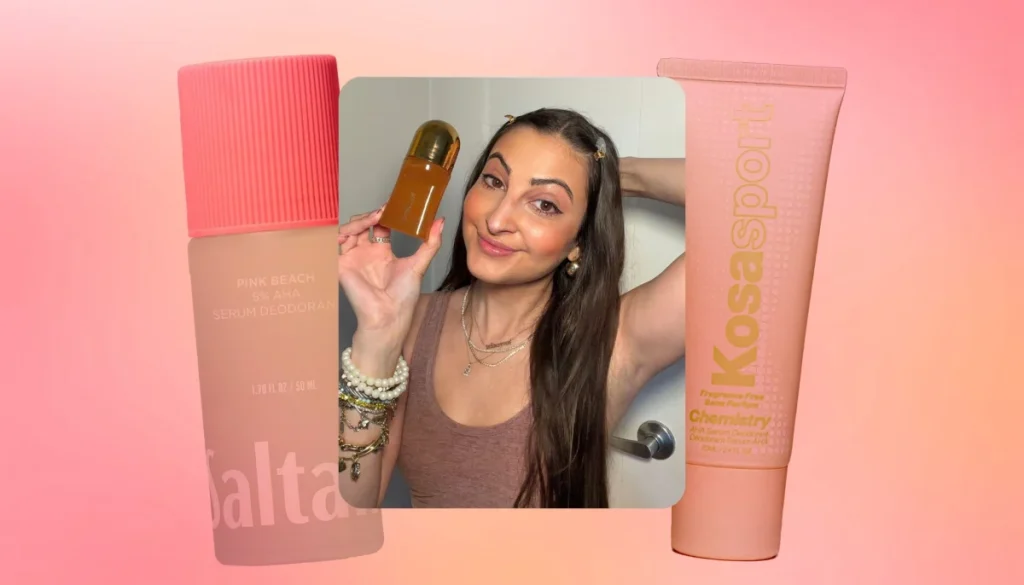
At the forefront of this movement is the rise of fragrance-free, acid-infused roll-on formulas designed to tackle one of the most common yet rarely discussed beauty concerns: underarm hyperpigmentation. Driven by expert dermatological insights, brands are moving away from harsh, traditional antiperspirants loaded with potential irritants and embracing sophisticated blends of alpha-hydroxy acids (AHAs), soothing botanicals, and barrier-supporting hydrators.
This comprehensive report explores the clinical causes of dark underarms, the delicate balance required to treat hyperpigmentation without triggering further inflammation, the expert-backed ingredients leading the charge, and what consumers can realistically expect from a modern underarm care routine.
Detailed Chronology: The Evolution of Underarm Care
To understand where underarm skincare stands today, it is helpful to trace how personal care has evolved from basic hygiene to clinical-grade maintenance.
Phase One: The Era of Pure Masking (Mid-20th Century)
Historically, the primary goal of underarm products was simple: stop sweat and cover up body odor. Early formulations relied heavily on aluminum salts to plug sweat ducts and intense synthetic fragrances to mask scents. Little consideration was given to the long-term physiological impact these ingredients had on the delicate, highly sensitive skin of the axilla (armpit).
Phase Two: The Natural and Aluminum-Free Movement (Early 2000s)
As consumers grew more health-conscious, a massive shift occurred toward "natural" deodorants. The market was flooded with alternatives free of aluminum and parabens. However, many early natural formulas relied on baking soda (sodium bicarbonate) and high concentrations of essential oils to neutralize odor. While effective for some, these ingredients frequently caused severe contact dermatitis, micro-tears, and chemical burns, inadvertently sparking a massive wave of post-inflammatory hyperpigmentation among users.
Phase Three: Skincare Meets Body Care (The Present Day)
Today, the beauty industry views the body below the neck with the same meticulous clinical standards previously reserved for facial skincare. Recognizing that the underarm is prone to friction, shaving trauma, and hyperpigmentation, formulators have begun integrating facial-grade active ingredients—such as mandelic acid, niacinamide, and hyaluronic acid—directly into deodorants. This marks a new era where hygiene products double as active treatment serums.
Supporting Context & Metrics: The Science of Underarm Discoloration
Why do underarms darken in the first place? According to leading dermatologists, the causes are multifaceted, deeply rooted in the skin’s inflammatory response, and frequently exacerbated by common grooming habits.
The Primary Culprit: Post-Inflammatory Hyperpigmentation (PIH)
Underarm darkening is rarely a permanent or untreatable condition; instead, it is most frequently a direct result of low-grade, chronic inflammation.
"There are a few different reasons underarms can appear darker, but irritation is probably one of the most common culprits," explains renowned dermatologist Dr. Palm. Shaving, repetitive friction from clothing, ingrown hairs, and even poorly formulated deodorants trigger micro-injuries in the skin. In response to this trauma, melanocytes (the pigment-producing cells) overdrive their melanin production, leading to dark patches known as post-inflammatory hyperpigmentation (PIH).
Dr. Palm notes that PIH "tends to be more noticeable and can linger longer in patients with medium to deeper skin tones," making gentle, anti-inflammatory care paramount for diverse demographics.
The Delicate Nature of Axillary Skin
Many consumers mistakenly assume that body skin is resilient enough to handle aggressive treatments. However, axillary skin is remarkably thin, folded, and subjected to constant friction.
"The underarm skin is also more delicate and sensitive than skin in many other areas, making it more susceptible to irritation and subsequent pigmentation," notes Dr. Shah. Because of this heightened vulnerability, everyday habits like dry shaving or applying high-concentration alcohol-based sprays can quickly compromise the skin barrier.
When Discoloration Signals an Underlying Medical Condition
While cosmetic hyperpigmentation caused by friction and hair removal is common and manageable, dermatologists urge caution regarding sudden changes in skin texture and tone.
"Consult a health care professional if the darkening develops suddenly, worsens rapidly, becomes thickened or velvety, or appears in other body folds, such as the neck or groin," advises Dr. Shah.
Conditions such as acanthosis nigricans present as thickened, velvety, darkened patches of skin and can serve as an external indicator of internal metabolic shifts, such as insulin resistance, obesity, or endocrine disorders. Furthermore, genetic factors and hormonal fluctuations naturally influence how and where the body deposits melanin over time.
Official Statements: Expert Insights on Ingredients and Application
Navigating the sea of active ingredients in skincare can be overwhelming. Leading dermatologists share their clinical perspectives on what works, what to avoid, and how to safely achieve brighter underarms.
The Power of Fragrance-Free Formulas
For consumers dealing with sensitive skin or existing hyperpigmentation, the elimination of synthetic fragrances is non-negotiable.
"For somebody whose darkening is being driven by irritation, fragrance-free is generally where I’d start," says Dr. Palm. She highlights that top-tier modern formulas are "marketed as clinically and allergy tested and include hydrating ingredients alongside the acids."
The Gold-Standard Brightening Ingredients
When formulating an effective routine to combat uneven tone, dermatological science points to several proven active ingredients. According to Dr. Shah, the most effective agents include:
- Niacinamide: Helps calm inflammation while blocking pigment transfer to skin cells.
- Kojic Acid & Azelaic Acid: Powerful tyrosinase inhibitors that slow down melanin production.
- Vitamin C: A potent antioxidant that brightens existing discoloration and protects against free radicals.
- Alpha Hydroxy Acids (AHAs): Such as lactic acid and mandelic acid, which gently exfoliate surface dead skin cells and encourage cellular turnover.
- Tranexamic Acid: Highly effective at fading stubborn hyperpigmentation.
"These ingredients work through different mechanisms, including reducing melanin production, promoting skin cell turnover, and helping to fade existing discoloration over time," explains Dr. Shah.
The Danger of Over-Exfoliation
A common pitfall in modern skincare is the temptation to layer multiple active products to fast-track results. Dermatologists strongly advise against treating the underarm like a multi-step facial routine.
If a consumer is already using a deodorant formulated with exfoliating acids (such as mandelic or lactic acid), layering additional chemical serums or abrasive scrubs is completely counterproductive.
"I would rather have someone use a gentler product consistently than layer several acids together, irritate the area, and end up darker than where they started," warns Dr. Palm.
Future Outlook: What to Expect in Body Care Innovation
As the boundaries between facial skincare and body care continue to dissolve, the future of underarm maintenance looks increasingly sophisticated, personalized, and gentle.
1. Microbiome-Friendly Deodorants
Future formulations will move beyond simply killing bacteria or suppressing sweat. Scientists are focusing on nurturing the skin microbiome of the axilla, using prebiotics and postbiotics to foster healthy bacterial communities that naturally reduce odor-causing microbes without triggering inflammatory responses.
2. Tailored Acid Concentrations for Sensitive Skin
While initial acid-based deodorants relied on broad-spectrum AHAs, upcoming innovations will feature micro-encapsulated acids and soothing agents (such as centella asiatica, aloe vera, and hyaluronic acid) that release active ingredients slowly. This minimizes the risk of stinging—especially on freshly shaved skin—while maximizing brightening efficacy.
3. Realistic Timelines and Patient Education
As clinical transparency improves, brands are shifting away from misleading "overnight transformation" claims. Dermatologists emphasize a slow-and-steady approach:
- Initial Improvements: Consumers may notice smoother texture and reduced bumps within 4 to 8 weeks.
- Significant Brightening: Clinically speaking, a consistent routine requires 8 to 12 weeks of continuous use before assessing true efficacy against deeper pigmentation.
Conclusion
The evolution of underarm care reflects a broader cultural shift toward holistic, skin-first wellness. By treating the axillary region with the same gentleness, scientific rigor, and respect traditionally reserved for the face, consumers can successfully address hyperpigmentation, soothe chronic irritation, and achieve long-lasting comfort. Backed by expert dermatological guidance, the modern fragrance-free, acid-infused roll-on proves that effective personal care does not need to come at the expense of skin health.