Executive Overview
For decades, the cultural script governing female bodies was written in the language of eradication. From the hyper-plucked brows of the late 1990s to the ubiquitous requirement of Brazilian waxes and silky-smooth legs, smooth skin was codified as the ultimate standard of femininity, hygiene, and desirability. Yet, a quiet cultural tremor is shaking the foundations of the beauty industry. Today, a growing number of women are putting down their razors, canceling their waxing appointments, and embracing their natural body hair.
This is not merely a lazy Sunday aesthetic or a passing lifestyle trend; it is a profound political and personal statement. For many, the decision to let body hair grow—whether on their legs, underarms, in the pubic region, or across their faces and arms—acts as a direct challenge to patriarchal expectations. It serves as a physical manifestation of evolving attitudes toward gender, sexuality, and self-expression.
However, this movement exists in sharp tension with lingering societal double standards. While cultural norms are slowly shifting toward greater inclusivity, women who reject hair removal still encounter institutional scrutiny, microaggressions, and rigid binary definitions of what a "woman" is supposed to look like. By examining the personal narratives of ten women who have consciously chosen to ditch hair removal, this article investigates the complex intersections of autonomy, beauty standards, and bodily freedom in the 21st century.
Detailed Chronology: From the Era of Total Eradication to the Natural Renaissance
To understand the weight of today’s body hair revolution, one must first trace the historical arc of how society came to view female body hair as something shameful, unnatural, and urgently in need of removal.
The Late 20th Century: The Peak of Artificial Haarlosses
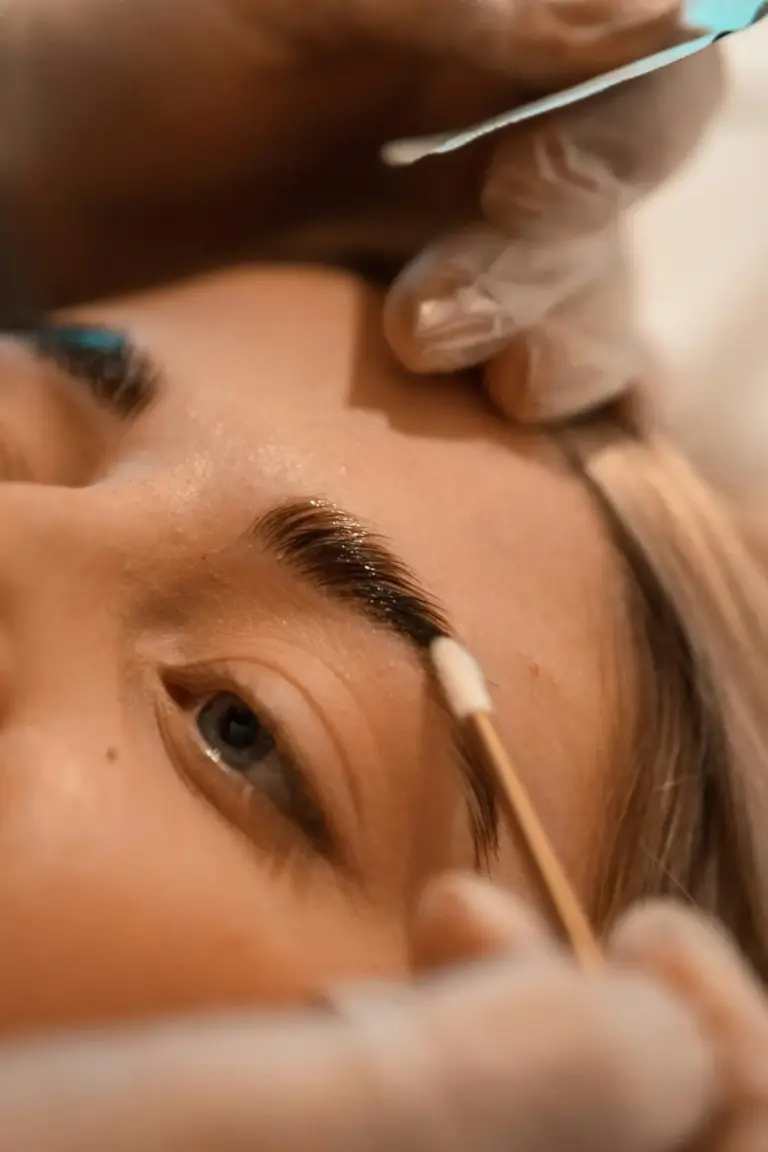
The trajectory of modern body hair standards accelerated dramatically in the late 20th century. The 1990s and early 2000s marked the absolute zenith of enforced hairlosses—an aesthetic that demanded immense investments of time, money, and physical discomfort. Eyebrows were aggressively plucked into pencil-thin lines, and the completely hairless "Brazilian" wax became the gold standard of intimate grooming. Magazines, cinema, and advertising hammered home a singular message: female bodies should be pre-pubescently smooth. Hair was framed as unhygienic, masculine, and inherently offensive to the male gaze.
The Turning Point: Deconstructing the Binary
As the cultural landscape entered the 2010s and 2020s, a broader socio-political awakening around gender identity, LGBTQ+ rights, and intersectional feminism began to ripple through mainstream consciousness. People started questioning the arbitrary nature of beauty standards. Slowly, the pendulum began to swing in the opposite direction. Full brows, unplucked underarms, and natural pubic hair re-entered the cultural vocabulary, championed by Gen Z and millennial tastemakers alike.
The Present Day: A Spectrum of Choices
Today, the landscape is defined less by a single counter-culture trend and more by the radical concept of personal choice. While some women still prefer total hairlessness for comfort or personal aesthetic, a growing cohort views non-removal as an act of reclamation. As our interviews reveal, the modern relationship with body hair is dynamic, varied, and deeply tied to individual identity construction.
Supporting Context & Metrics: The Psychology and Sociology of Body Hair
Why does a few millimeters of keratin spark such fierce cultural debate? The answer lies in the deep sociological ties between hair, gender performance, and social control.
Breaking Down the Gender Binary
Historically, body hair has been heavily gendered. Dense hair growth on arms, legs, or faces has long been weaponized as "masculine" or "unfeminine," effectively policing the boundaries of womanhood. Women with natural hirsutism or simply standard-issue body hair have frequently been subjected to bullying or social exclusion.
Yet, many contemporary women are intentionally flipping this script. By allowing their hair to grow, they are expanding the definition of femininity itself. As one queer participant noted:
"When you start to actually look at cultural myths, you realize they’re just made up. You’re continually fed the heteronormative narrative of what your life ‘should’ look like—and once you question that and realize it’s all nonsense and doesn’t work for you, you start to question the compulsion toward heterosexuality, too."
The Medical and Sensory Realities
Beyond politics, physical reality plays a massive role in the shift away from hair removal. Countless women suffer from follicular irritation, razor burn, ingrown hairs, and chronic skin sensitivity. For many, ditching the razor is simply an act of dermatological self-preservation. When skin refuses to tolerate aggressive shaving or chemical depilatories, nature becomes the only logical—and comfortable—option.
Voices from the Frontlines: Ten Women on Their Hair Journeys
The theoretical debate around body hair finds its true meaning in the lived experiences of real women. Here, ten individuals share why they chose to stop removing their body hair and how it transformed their relationship with themselves.
1. The Light and the Indifferent
"My hair is very blonde. Because of that, I always used to think: ‘Oh wow, I don’t actually need to shave.’ So I let the hair keep growing and realized, when it finally became visible anyway, that I actually didn’t care. I just felt very comfortable with it."
2. The Partner’s Perspective
"My boyfriend encourages me to leave my body hair alone wherever I want. He wants me to do what makes me happy. It’s your body—and therefore your business how you present yourself."
3. Redefining Underarm Aesthetics
"I love body hair and see no reason not to have any if you like it. I stopped shaving my underarms because I realized that hairless armpits don’t automatically make me look feminine. I actually felt more feminine with body hair, so I decided to just let it grow. I feel super about it, and I’m all the happier when I see more and more women skipping underarm shaving. Yes, ladies!"
4. The Two-Year Evolution
"I’ve been letting my underarm hair grow for over two years now. I’ve basically always left my leg and intimate hair alone, trimming my pubic hair into shape at most. I used to shave, but I find it very uncomfortable, so I stopped. I also like the way my hair looks."
5. The Secret Club of the Subways
"I just let my underarm hair grow for myself, and it was a totally empowering feeling. They feel very comfortable, and when I see other women with unshaved armpits—for example, on the subway holding onto an upper pole—it feels like we’re part of some secret club. I used to be definitely shocked when I saw a woman with underarm hair. But it’s becoming more and more normal. People I’ve dated mostly didn’t mind at all. Some did, though. But I was never ready to change anything about my hair—I just don’t see the point."
6. Embracing Natural Density
"My arms are quite hairy, and that used to make me very insecure. I definitely have more body hair than many others. I also have pretty thick eyebrows. But I get compliments for those. That’s great!"
7. The "Downton Abbey" Lawn
"I used to rock a full ’70s bush and just let the hair sprout. Today, though, I trim it into shape more. I call it ‘Downton Abbey’ because it looks as well-kept as a British lawn."
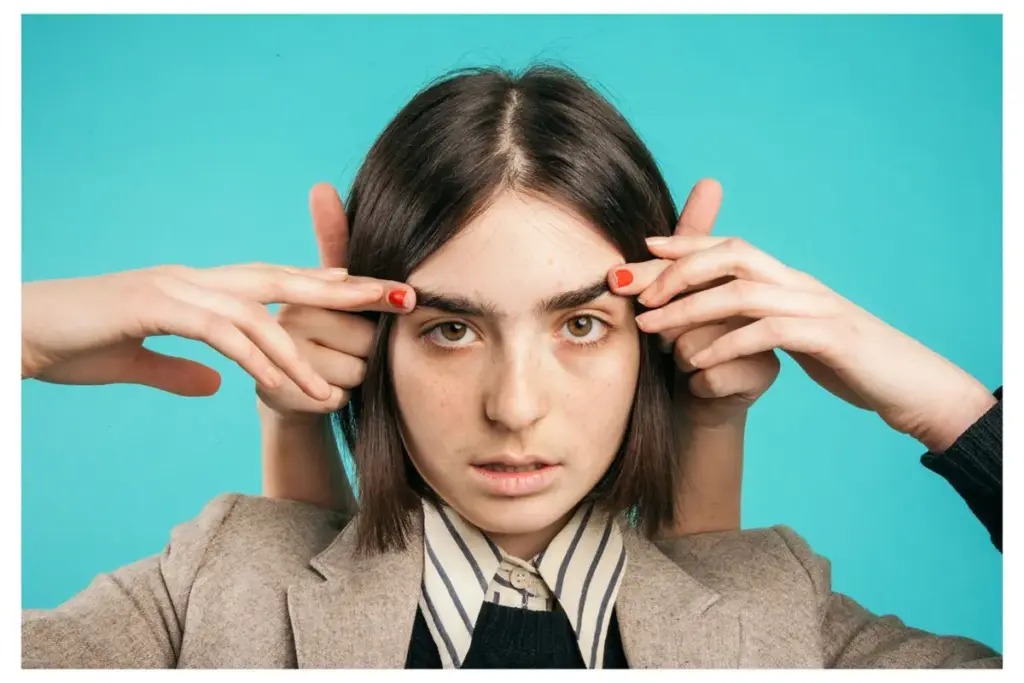
8. Brow Power and Frida Kahlo Comparisons
"As a child, many people made fun of my eyebrows. At some point, someone said I looked like a monkey—pretty mean. Some women prefer to be completely hairless. But I believe the trend is moving toward acceptance of body hair, and that more and more women are content to just keep it completely natural. That’s tolerated much more today. — What I like best about my eyebrows is how strong they look. They make me look strong, and I feel that way, too. And when people tell me I remind them of Frida Kahlo, even though I don’t look like her, it’s very flattering; she was, after all, a great painter and a strong woman. It’s cool to have that connection with other women with thick eyebrows."
9. Challenging Cultural Myths Through Queerness
"When I came out as a queer woman and explored that identity a bit, I stopped shaving. At the same time, though, it also had to do with my very sensitive skin. I think for the most part it was about re-evaluating gender and trying out all the facets of what a woman or femininity can look like—and how that connects with sexuality and other forms of gender presentation. — As a queer person, I feel that once you really examine cultural myths, you quickly realize they’re all just made up… When you realize that the compulsion toward heterosexuality doesn’t work for you either, you turn to other parts of your life—like your beauty routine or social issues. I think that really opens your eyes to such myths."
10. Navigating Hometown Norms vs. City Life
"In my hometown, simply no one shaved. It was completely normal—especially for women at my art school—to just have underarm and arm hair. But when I moved to a new city, that was different. Suddenly it totally depended on the people you hung out with. I have a lot of queer friends, and in that circle, body hair is nothing strange at all."
Future Outlook: Where Do We Go From Here?
As society marches further into an era that values individualism and authentic self-expression, the future of female body hair looks increasingly decentralized. The monolithic beauty standards of the late 20th century are fracturing, replaced by a mosaic of personal choices.
Future projections suggest several key shifts:
- The Normalization of Choice: The ultimate goal of the modern body hair movement is not to mandate hair growth (which would simply mirror the patriarchal trap of mandatory hairlessness), but to achieve true neutrality. Whether a woman chooses laser hair removal, waxing, shaving, or letting every follicle flourish, the decision should be free from social stigma.
- Corporate and Media Representation: Brands are slowly adapting. While beauty conglomerates still market hair removal products aggressively, an increasing number of mainstream campaigns feature women with natural body hair without framing it as a political stunt or a joke.
- Intersectional Awareness: The conversation is expanding to include women of color, trans women, and individuals with medical conditions like hirsutism, ensuring that the definition of natural beauty is as diverse as humanity itself.
Ultimately, the humble hair follicle has become an unexpected battleground for autonomy. As more women continue to choose comfort over conformity, the cultural narrative shifts closer to a simple, liberating truth: a woman’s body belongs to her, and her alone.