Executive Overview
Historically, the arrival of autumn has heralded an instinctive retreat into the shadows of the color spectrum. As the natural world orchestrates a spectacular, high-contrast visual display of falling leaves, human sartorial choices have traditionally defaulted to a protective, muted uniformity. For decades, the transitional chill of September signaled the immediate rollout of slate grays, inky blacks, and heavy charcoal wools. Bright, optimistic hues embraced during sun-drenched summer months were swiftly shelved, locked away until the subsequent calendar cycle demanded warmth.
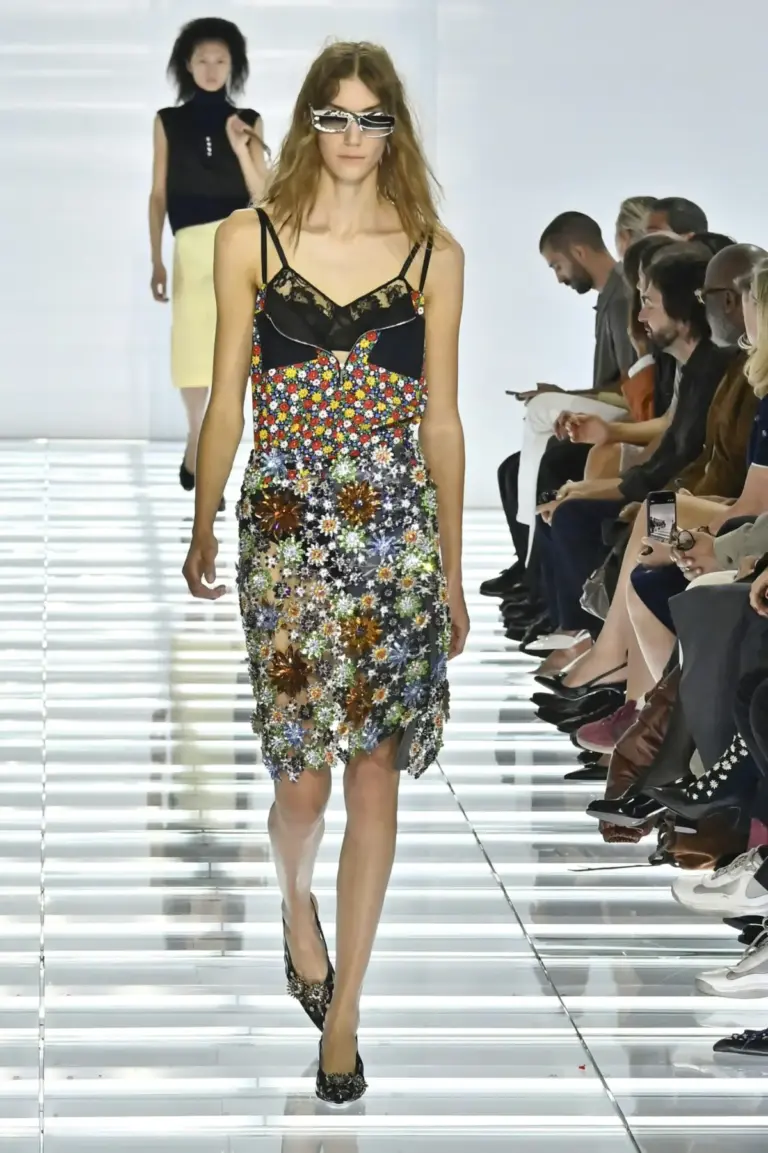
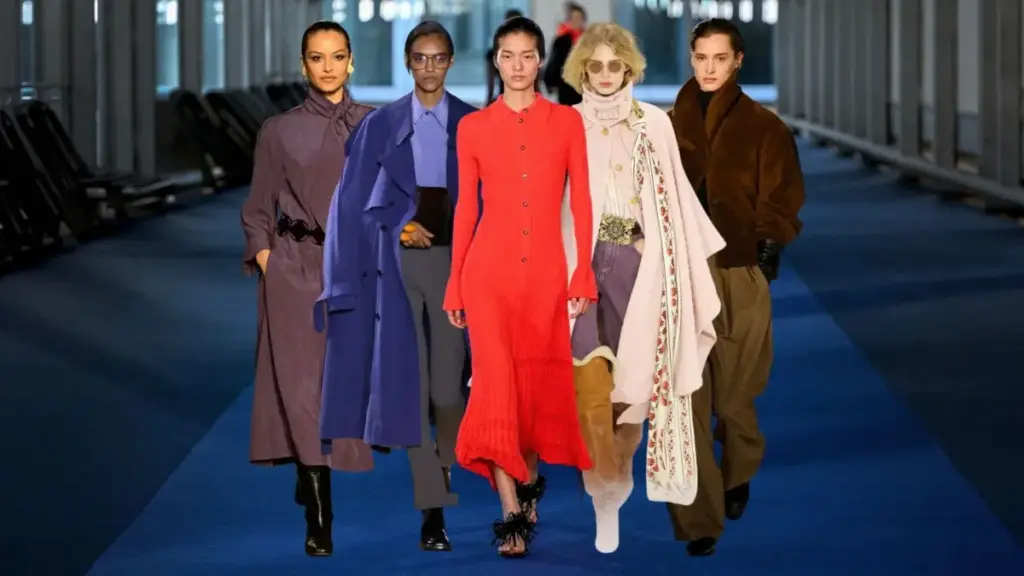
However, the global design vanguard has aggressively rewritten this seasonal rulebook. Across the Fall/Winter collections presented by luxury powerhouses from Chloé and Valentino to Celine and Tory Burch, a striking mandate has emerged: vibrancy is no longer tethered strictly to warm-weather dressing. While traditional anchors like navy and earth-toned browns maintain a foundational presence on the runways, they are being aggressively disrupted by a suite of high-impact, unexpected newcomers. These vibrant shades do not merely contrast with traditional autumnal palettes; they actively integrate with them, creating complex, multi-dimensional wardrobes.
This comprehensive analysis investigates the top five color trends dominating the 2026 fall fashion landscape. Through an authoritative journalistic lens, we examine how tomato red, midnight navy, chocolate brown, strawberries-and-cream pinks, and royal purple are redefining modern luxury. Furthermore, we explore the socio-cultural underpinnings of these choices, market metrics influencing consumer demand, and actionable styling methodologies for translating high-fashion runway concepts into accessible, real-world execution.
.jpg)
Detailed Chronology & Runway Evolution
The paradigm shift away from monotone autumn dressing did not happen overnight; it represents the culmination of a multi-season evolution within the global fashion ecosystem. To understand the gravity of the 2026 color landscape, one must trace the trajectory of how these hues infiltrated both haute couture houses and commercial markets.
Phase One: The Rise of the Accidental Neutral (2023–2024)
The awakening began modestly with the rehabilitation of poppy and tomato reds. Initially treated as high-risk statement accents, red accessories—specifically footwear, hosiery, and structured handbags—began outperforming traditional black staples in retail data reports. By proving that a saturated chromatic shade could function effectively as a neutral, designers laid the psychological groundwork for consumers to embrace broader color experimentation during cold-weather months.
Phase Two: The Softening of Romance (2025)
As pop-culture narratives increasingly leaned into romanticism, historical aesthetics, and tactile indulgence, the runways responded with tactile softness. Pastels made an unprecedented cross-seasonal migration. Designers demonstrated that pale pinks and creams were not exclusively reserved for spring laundering; when rendered in heavyweight cashmere, silk-blends, and structured wool, they offered a soothing counterbalance to the rapidly darkening winter evenings.

Phase Three: Total Chromatic Reclamation (2026)
The current season represents the full realization of this chromatic rebellion. High-end collections debuted monochromatic statements in rich chocolate browns and authoritative royal purples, while midnight navy supplanted black as the premier tailoring canvas. The 2026 runway presentations confirmed that consumers are no longer seeking safety in uniformity; instead, they are utilizing color as a primary vehicle for self-assurance and emotional expression.
Supporting Context & Market Metrics
The transformation of the autumn color palette is heavily supported by shifts in consumer psychology and retail analytics. According to recent market research from major global fashion forecasting firms, post-pandemic consumer spending habits have pivoted toward mood-enhancing apparel—a phenomenon frequently termed "dopamine dressing."
The Economics of Color Longevity
Data indicates that items purchased in non-traditional autumn hues—such as tomato-red knitwear and royal purple maxidresses—exhibit a longer wear-cycle among consumers than traditional seasonal items. Because these colors challenge conventional seasonal limitations, wearers are actively retaining and styling them across multiple quarters, increasing the perceived value and sustainability of the garments.

Material Innovation Driving Shade Fidelity
The success of the 2026 palette relies heavily on textile technology and raw material sourcing. Rich colors require exceptional fiber receptivity to achieve true depth. The prominence of cashmere, fine merino wool, and high-gloss silk across these collections ensures that even the brightest shades—such as strawberry pink and vibrant red—retain an elevated, sophisticated weight suitable for cooler climates.
The 5 Definitive Fall 2026 Color Trends
1. Tomato Red: The Permanent Fixture
Despite its cautionary positioning on a traffic light, tomato red continues to demonstrate absolute momentum within the fashion ecosystem. Entering its fourth consecutive year as a dominant market favorite, this poppy, high-octane shade has officially secured its status as a foundational neutral.
- Aesthetic Appeal: A single statement piece in tomato red instantly elevates an ensemble, injecting an undeniable editorial edge. Its gravitational pull is unmatched, drawing the eye whether worn as a monolithic silhouette or utilized as a calculated accent via footwear, hosiery, or a casually knotted sweater.
- Strategic Pairings: Black, taupe, cream, and navy.
- The Transition Strategy: For consumers hesitant to embrace a full tomato-red look, stylists recommend introducing the hue incrementally. Start with athletic-inspired low-top sneakers, a minimalist tank top layered beneath a structured blazer, or a lightweight merino wool neckerchief.
- Key Investment Pieces: Seek out pieces like the Sézane Conrad T-shirt or the tailored sophistication of a COS Pleated Jacquard Sleeveless Maxidress.
2. Midnight Navy: The Sophisticated Successor to Black
While basic black has historically claimed the throne of eveningwear and professional tailoring, midnight navy has staged a commanding coup for Fall 2026. Stripping away any clinical associations of sorrow, this moody, sophisticated shade channels academic heritage, collegiate prep, and high-end equestrian aesthetics.

- Aesthetic Appeal: Midnight navy offers a profound sense of calm and maturity. It provides all the slimming, grounding benefits of black while delivering a softer, more dimensional interaction with natural light.
- Strategic Pairings: Cream, metallic gold, tomato red, and soft pinks.
- The Transition Strategy: Pair midnight navy with lighter shades of ice blue, crisp cream, or rich camel brown to achieve a dynamic, multi-tonal look. Splashes of red introduced via accessories can also lend the ensemble a subtle, chic nautical undertone.
- Key Investment Pieces: Incorporate staples such as the J.Crew Relaxed Polo Sweater in vintage wool, the Anine Bing Bar Maxiskirt, or a classic Everlane cotton-twill Mac coat.
3. Chocolate Brown: Deep, Grounding, and Relentlessly Chic
Chocolate brown is a generational fall classic, as reliable as the transition of the leaves themselves. However, the 2026 iteration of brown is far from ordinary; it has evolved into the quintessential anchor of modern layering.
- Aesthetic Appeal: Offering a deeper contrast than traditional khaki, chocolate brown introduces immediate visual warmth to any silhouette. It functions as the ultimate bridge between rustic heritage wear and sleek, metropolitan minimalism.
- Strategic Pairings: Tomato red, soft lavender, vibrant orange, and clean ivory.
- The Transition Strategy: Combine multiple fall trends simultaneously by investing in chocolate-brown leather block-heel boots, funnel-neck jackets, or structured workwear trousers. To avoid a monotonous aesthetic, intentionally mix in accents of red or purple, or commit fully to an all-brown monochromatic look.
- Key Investment Pieces: Essential additions include the Banana Republic Merino Cardigan Sweater, the Dôen Elowen Skirt featuring delicate cream lace detailing, and Quince Italian-leather block-heel boots.
4. Pink & Cream: The Sweetest Contrast of the Season
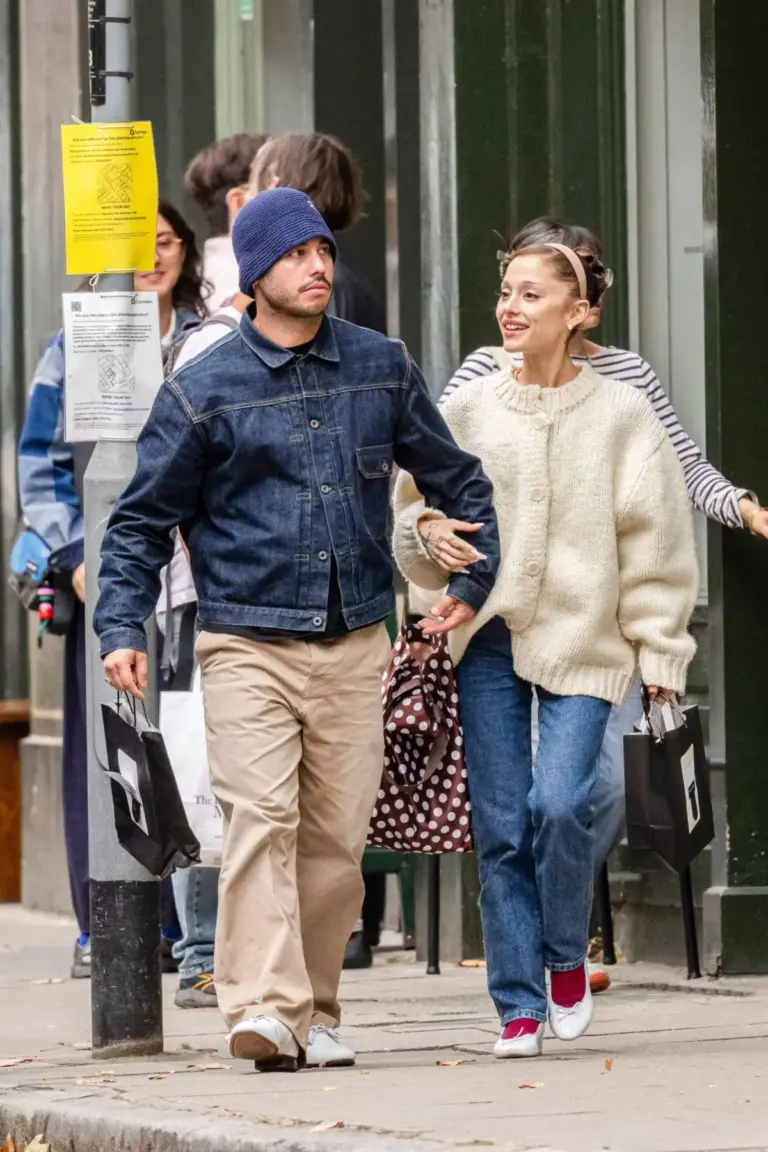
Informed by recent romantic cultural touchstones and runway presentations that prioritized softness, the pairing of strawberries-and-cream hues has established itself as an unexpected cold-weather powerhouse. Designers such as Chloé showcased a fluid spectrum of pinks—transitioning seamlessly from delicate blush to dusty rose and soft baby purple—anchored heavily by Pantone’s designated color of the year: Cloud Dancer (cream).
- Aesthetic Appeal: This combination introduces a much-needed drizzle of light and optimism into rapidly darkening autumn evenings. It subverts traditional expectations of heavy, dark winter wear by prioritizing airy, romantic elegance.
- Strategic Pairings: Classic blue denim, rich caramel browns, and stark white.
- The Transition Strategy: Texture is paramount when executing this trend. To prevent pastel and cream garments from feeling out of place in cooler weather, prioritize luxurious heavyweight fabrics like silk satin, premium cashmere, and ribbed wool.
- Key Investment Pieces: Consider the Sézane Baptiste Jumper in ecru, Aritzia’s Bare Cashmere short-sleeve cardigan, or the tactile comfort of J.Crew stretch-corduroy barrel pants.
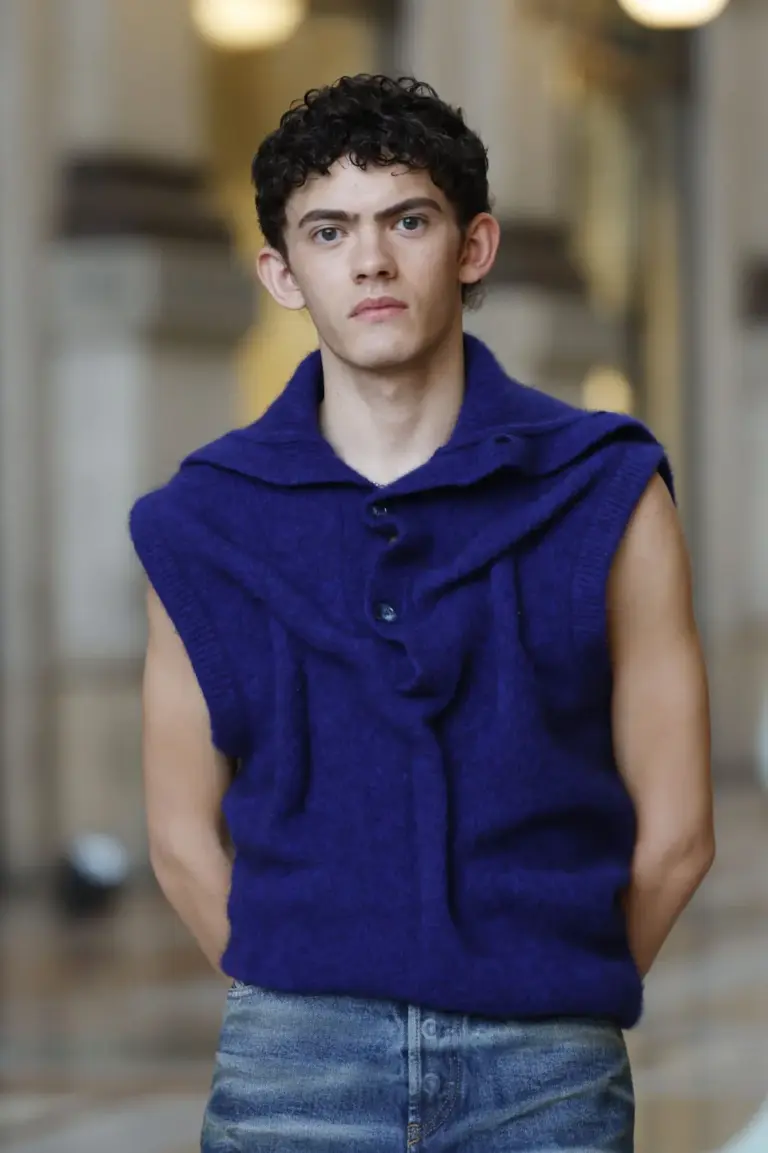
5. Royal Purple: The New Apex "It" Color
From structured leather accessories and overcoats at Celine to dramatic eveningwear at Tory Burch and architectural tailoring at Loewe, the global design community has reached a unified consensus: royal purple is the definitive statement color of the season. Historically associated with royalty due to the extreme rarity and cost of its ancient dye extraction methods, the hue retains an intrinsic aura of affluence, power, and self-assurance.

- Aesthetic Appeal: Royal purple commands attention without the aggression often associated with neon shades. It offers a cool, slightly mysterious backdrop that feels perfectly attuned to the atmospheric mood of autumn and winter.
- Strategic Pairings: Inky black, pristine cream, and contrasting tomato red.
- The Transition Strategy: Because head-to-toe purple can feel imposing, stylists recommend initiating the trend via high-impact accessories. A rich purple cashmere crewneck, a structured leather bag, or a sculptural winter hat can instantly modernize an otherwise conservative wardrobe.
- Key Investment Pieces: Standouts include the J.Crew Oversized Cashmere Crewneck Sweater in Tetra Purple, Boden 5-pocket cord column jeans, and the architectural drama of the COS Draped Turtleneck Maxidress.
Official Statements & Industry Expert Perspectives
The departure from traditional seasonal palettes has generated significant commentary from leading figures within the international fashion community.
"We are witnessing a fundamental psychological shift in how consumers approach cold-weather dressing," notes a leading trend analyst based in Milan. "For years, dark neutrals acted as a psychological shield during the winter months. Today, consumers are using color as an active tool for self-expression and vitality. The 2026 runways have proven that luxury and vibrancy are not mutually exclusive—in fact, they are the defining markers of modern style."
Furthermore, prominent design directors have emphasized that these color choices are rooted in versatility rather than fleeting novelty. By engineering rich shades like royal purple and chocolate brown into timeless silhouettes—such as tailored trousers, trench coats, and fine-gauge knitwear—fashion houses are ensuring these trends possess genuine longevity within the consumer closet.

Future Outlook: What Lies Beyond 2026
As the fashion industry continuously looks toward the horizon, the success of the Fall 2026 color palette serves as a clear indicator of where future design trajectories are heading. The rigid demarcation of seasonal color rules—where pastels belong strictly to spring and jewel tones are locked away for winter—has permanently dissolved.
Looking ahead, we can anticipate an even greater blurring of seasonal chromatic boundaries. Consumers are increasingly demanding garments that transcend traditional calendar constraints, favoring versatile pieces that can be cross-styled 365 days a year. The unexpected longevity of tomato red, the elevation of midnight navy as a premier tailoring staple, and the sophisticated integration of royal purple and strawberries-and-cream pinks establish a compelling precedent.
Ultimately, the 2026 fall color forecast signals an era of fearless, highly personalized dressing. By embracing a spectrum that balances grounding earth tones with electrifying statement hues, the modern wardrobe is no longer defined by seasonal conformity, but by limitless chromatic possibility.