Executive Overview
In the cinematic opening of the 1957 classic musical Funny Face, Audrey Hepburn’s character encounters a bolt of vibrant bubblegum-pink fabric, sparking a joyful musical sequence with the unforgettable lyric: "Everything goes pink! I want the whole country pink!" Nearly seventy years later, contemporary culture has taken those words to heart, albeit with a modern, high-fashion twist. While last year’s beauty landscape was dominated by moody, rich shades of cherry cola and deep burgundy, the current zeitgeist has firmly pivoted toward optimism, playfulness, and high-shine luminosity. Rosy hues—ranging from subtle, understated rose gold and champagne blush to electric fuchsia and bold salmon—have officially seized the top spot as the definitive hair color trend of the season.
This resurgence is far from a random aesthetic whim; it is a calculated cultural movement championed by A-list celebrities, top-tier beauty innovators, and internet personalities alike. From Martha Stewart debuting a sophisticated rose gold bob to Ice Spice embracing a salmon-toned signature look, and historical nods to pop culture icons like Kylie Jenner and Rihanna, pink hair has evolved from an edgy countercultural statement into a versatile, luxurious aesthetic choice.
Behind this colorful wave is a sophisticated blend of advanced hair-coloring techniques, damage-mitigating product formulations, and a collective psychological desire for lighthearted expression. According to celebrity hairstylist and Schwarzkopf Professional global color ambassador Chris Appleton, the modern approach to pink hair is all about customization. Whether worn as a translucent, light-reflecting glaze or a high-impact statement, pink has proven that it is more than just a trend—it is a transformative beauty tool that functions much like a permanent soft-focus filter for the hair.
Detailed Chronology: The Evolution of Pink Hair in Modern Pop Culture
To understand the current dominance of rosy hair, one must trace its journey through the annals of modern pop culture and high fashion. While pastel and neon hair dyes have long been associated with punk subcultures of the 1970s and 1980s, the twenty-first century transformed bright hair colors into mainstream couture statements.
The Mid-2010s: The Pioneer Era of Pastel and Neon
The modern era of celebrity pink hair truly crystallized in the mid-2010s. In 2014, Rihanna stepped courtside at an NBA playoff game between the Oklahoma City Thunder and the Los Angeles Clippers sporting a daring, textured bubblegum-pink pixie cut. The look sent shockwaves through the fashion industry, instantly immortalizing itself as a masterclass in how to pair avant-garde hair with effortless streetwear. To this day, Rihanna’s 2014 courtside moment remains one of the most heavily referenced reference points in modern beauty history.

Shortly thereafter, the trend found another powerful ambassador in Kylie Jenner. During her iconic "King Kylie" era in 2016, Jenner frequently fluctuated between neon green, seafoam blue, and various shades of pink. This era cemented bright hair as an essential accessory for social media stars, laying the groundwork for the digital-first beauty landscape we navigate today.
The Late 2023–2025 Renaissance: From Nostalgia to Luxury
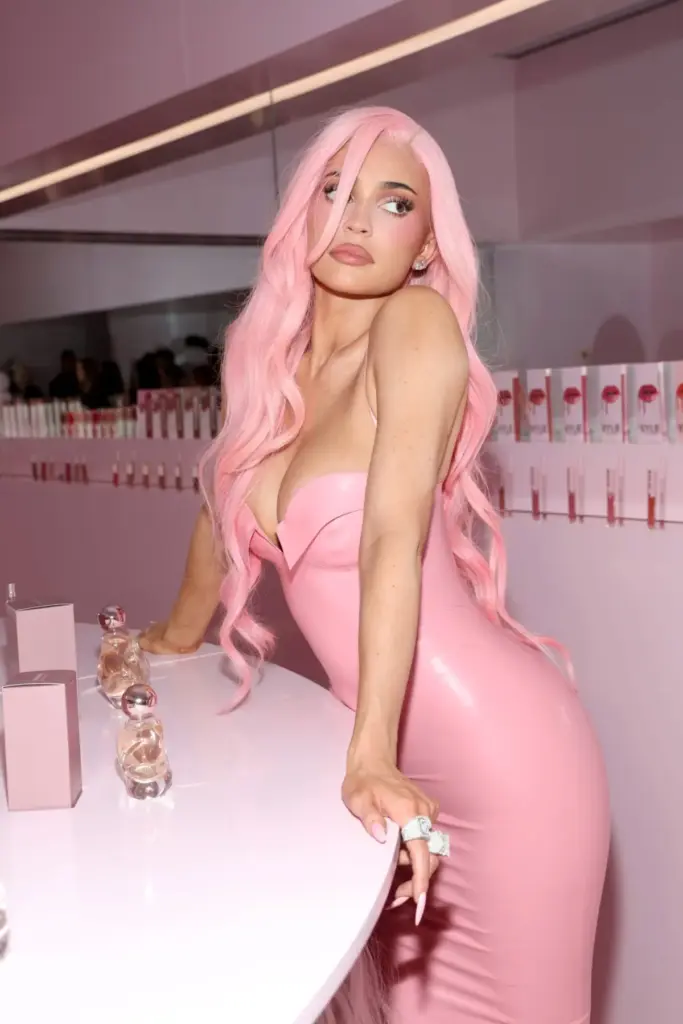
After a brief hiatus where darker, earthier, and vampy tones took precedence, pink made a triumphant return to the spotlight in late 2024. Kylie Jenner revisited her roots—literally and figuratively—by bringing back a sleek pink hairstyle to celebrate the monumental 10th-anniversary milestone of Kylie Cosmetics.
Simultaneously, the spectrum of pink began to mature. High fashion embraced "rose gold" and "champagne pink" as sophisticated alternatives to traditional blondes and brunettes. Icons across generations—including Megan Thee Stallion, supermodel Kate Moss, acting royalty Helen Mirren and Cate Blanchett, and global style stars like Adéla—began experimenting with whisper-soft rosy tones. This cross-generational adoption signaled a profound shift: pink hair was no longer restricted to rebellious youth culture; it had become an emblem of chic, ageless confidence.
The Present Day: Reality TV, Rap, and Mainstream Domination
Today, the trend has permeated every corner of media. Following the conclusion of Love Island USA Season 8, finalist Melanie Moreno shocked and delighted fans by stepping out of the villa with a voluminous, high-impact fuchsia hairstyle defined by bouncy barrel curls. Meanwhile, rap sensation Ice Spice has transitioned away from her signature fiery orange locks to embrace a soft, sophisticated salmon-pink hue.
"I just naturally gravitate to it," Ice Spice shared in an interview detailing her evolving aesthetic. "Pink is such a fun color."

This widespread adoption by artists, reality television stars, and entrepreneurs alike proves that the current pink wave is the most democratic and diverse hair trend in recent memory.
Supporting Context & Metrics: The Science and Style of Blush Hair
While the aesthetic appeal of pink hair is undeniable, executing the look requires a careful balance of chemistry, hair health, and professional artistry. The transition from dark or neutral hair to a vibrant or pastel pink is rarely a simple one-step process, making education and technique paramount for consumers.
The Technical Foundation: Lifting and Leveling
According to industry experts, achieving the perfect shade of pink depends heavily on the hair’s starting canvas.
- Darker Hair Tones: Individuals with dark brown or black hair who desire a lighter, pastel, or rose-gold finish must undergo a lightening process. Colorists typically "lift" the natural pigment to create a clean, pale yellow or platinum base, ensuring the pink deposit remains true to tone without muddying.
- Lighter Hair Tones: Those starting with natural blondes, balayages, or pre-lightened hair have an easier path. They can often skip heavy bleaching phases and instead utilize demi-permanent glosses or color-depositing masks to achieve a temporary or semi-permanent rosy veil.
Hair Health and Damage Mitigation
In an era where consumers are increasingly hyper-aware of hair integrity, the fear of chemical damage remains a primary barrier to entry for bold hair colors. However, advancements in bond-building treatments, gentle developers, and nourishing post-color care have transformed the bleaching and coloring process.
"The starting point of the hair really matters," notes Chris Appleton. "That’s where the products your colorist uses become really important." Appleton stresses that patience is a virtue when executing a major color transformation. Depending on the current health and porosity of the hair, achieving a pristine pink finish may require breaking the transition down into multiple, strategic salon appointments to preserve structural integrity.

Market Adaptability: From Demis to Direct Dyes
The commercial market has responded swiftly to the trend. The beauty retail sector has seen a massive surge in demand for at-home maintenance products, color-depositing conditioners, and professional-grade demi-permanent kits. Products such as the Madison Reed ColorWonder Demi-Permanent Hair Color Kit in Pink Orchid, Schwarzkopf Professional Igora Vibrance, and specialized IGK Color Depositing Masks allow consumers to maintain their vibrant salon-fresh hues or experiment with low-commitment pastel glosses in the comfort of their own homes.
Official Statements and Expert Insights
To gain a deeper perspective on why pink has captured the collective imagination of the beauty industry, industry insiders and style leaders have weighed in on its cultural resonance.
Chris Appleton, speaking on the versatility of the trend, highlights why pink feels so refreshing compared to traditional hair colors:
"People are having fun with hair color again. Pink can be soft and subtle, like a rosy champagne or rose gold, or you can take it much brighter and make it a real statement. It gives you that transformation without necessarily feeling too extreme."
Appleton further elaborates on the optical illusion that a well-executed blush tone provides for the wearer:

"Pink feels optimistic and playful right now. It can be incredibly chic when you get the tone right. A soft rose or blush catches the light beautifully and almost works like a filter for the hair. It gives it this really luminous, expensive-looking finish."
This sentiment is echoed by cultural analysts who note that beauty trends often act as a barometer for public mood. Following years of minimalist, "clean girl" aesthetics characterized by sleek neutral buns and muted tones, consumers are craving joy, self-expression, and a touch of theatrical escapism. Pink delivers this in abundance—bridging the gap between avant-garde editorial styling and everyday wearable chic.
Future Outlook: Where is the Pink Hair Trend Headed?
As we look toward the future of beauty and personal grooming, the pink hair trend shows no signs of fading. Instead, it is evolving into a permanent fixture of modern hair artistry, much like copper or platinum blonde.
1. The Rise of "Expensive" Pastels
While high-impact neon fuchsias will always have a home in festival and streetwear culture, the commercial trajectory of the trend points heavily toward luxury pastels. Shades like rose gold, champagne pink, and dusty peach are projected to dominate bridal and red-carpet styling. These sophisticated tones offer the whimsy of a colorful dye job with the refinement required for professional and formal environments.
2. Low-Commitment Glossing Technologies
As chemical engineering in haircare advances, the future will likely see an increase in bond-infused, acid-balanced glosses that deposit temporary pink pigments while simultaneously treating the hair shaft. This will democratize the trend further, allowing consumers to experiment with transient pink hues that wash out gracefully over four to six weeks, eliminating the fear of permanent regret.

3. A Broader Cultural Philosophy
Ultimately, the enduring popularity of pink hair ties back to the timeless wisdom embedded in the very film that started it all. As Audrey Hepburn’s character famously advises in Funny Face: "Now, I wouldn’t presume to tell a woman what a woman ought to think, but tell her if she’s gotta think: think pink."
In a fast-paced, unpredictable world, choosing to wear pink is an intentional act of joy, optimism, and unyielding self-expression—ensuring that this vibrant aesthetic will continue to color our world for years to come.