Executive Overview
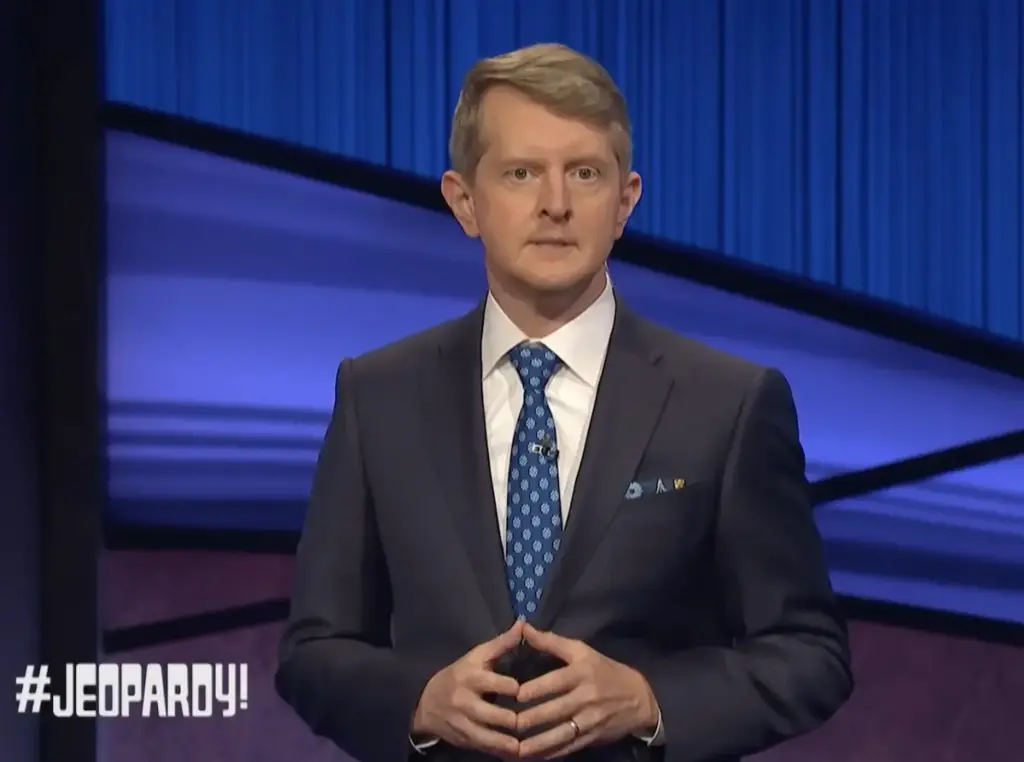
Ken Jennings’ 74-game winning streak on Jeopardy! in 2004 remains one of the most dominant performances in American broadcasting history. Over five months of television broadcasts, the former software engineer transformed from an obscure trivia enthusiast into a household name, amassing over $2.5 million in regular-season winnings and fundamentally altering the landscape of syndicated game shows. However, behind the seamless intellectual dominance lay an unforeseen operational challenge: the demands of television banter.
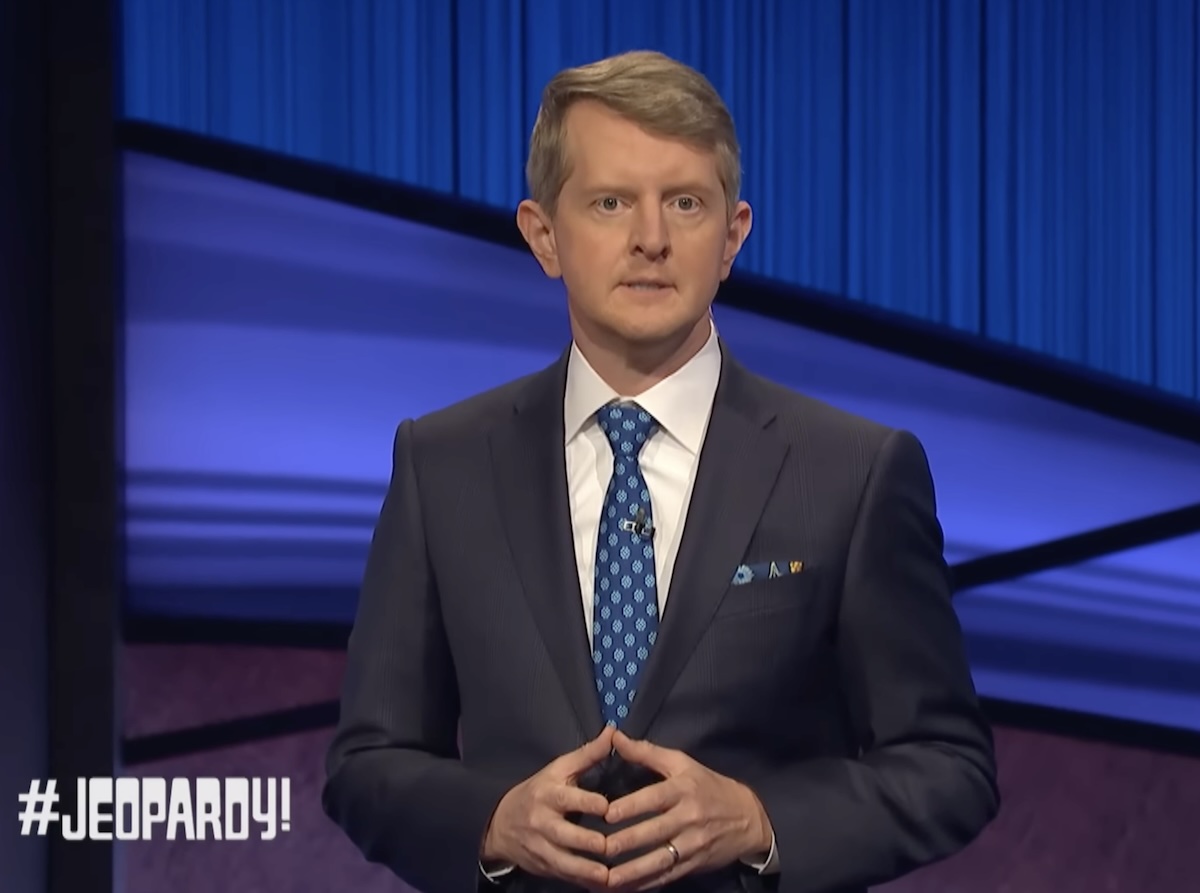
In recent disclosures, Jennings—who succeeded the late Alex Trebek as the permanent host of Jeopardy!—admitted that the personal anecdotes he shared during the show’s mid-broadcast contestant interview segments were frequently embellished, recycled, or entirely fabricated. As his streak stretched across dozens of episodes, the supply of genuine, engaging personal stories evaporated, prompting Jennings to invent lighthearted fictions to satisfy the show’s rapid production pace.
While these revelations do not diminish his intellectual achievements, they provide a fascinating glimpse into the psychological pressure, production mechanics, and narrative demands of long-form television production. Jennings’ candid admissions illuminate the subtle artifice required to sustain viewer engagement across an unprecedented streak, offering a rare look behind the curtain of an American cultural institution.
Detailed Chronology: From Contestant Burnout to Syndicated Icon
The 2004 Breakout and the Taping Grind
Prior to 2003, Jeopardy! rules mandated a five-game retirement limit for undefeated champions. When Sony Pictures Television lifted this cap for the show’s 20th season, it paved the way for an unprecedented run. Jennings made his debut on June 2, 2004. At the time, the software engineer from Salt Lake City possessed an extraordinary memory and rapid buzzer mechanics, but he was unaccustomed to the rigors of television production.
       [June 2, 2004]                  [Summer/Fall 2004]                   [Nov 30, 2004]
 Jennings' First Appearance   --->   74 Consecutive Victories    --->   Final Game (#75) Defeat
 (Rule change allows streak)         (Requires 75 unique stories)          Winnings: $2,520,700
Jeopardy! operates on an intensive filming schedule, recording five full episodes per day, two days per week. For a typical contestant, preparing one or two interesting personal facts for the mid-first-round chat with Alex Trebek is a minor hurdle. For Jennings, who filmed up to ten episodes in a two-day span, the requirement rapidly became an operational burden.
By his second week of taping, Jennings had exhausted his authentic pool of noteworthy life experiences. The show’s contestant coordinators, tasked with vetting personal cards prior to each game, were forced to mine increasingly mundane details from his background.
The Evolution of the Stage Banter
As the streak extended into July and August 2004, the disconnect between Jennings’ trivia prowess and his available personal lore widened. Between Clue 15 and Clue 16 of the Jeopardy! round, Trebek routinely turned to Jennings for a 20-to-30-second casual exchange. Faced with an acute narrative deficit, Jennings transitioned from authentic autobiography to improvised, low-stakes storytelling.
These fabricated anecdotes ranged from harmless false preferences—such as claiming a passion for airline food—to surreal, deadpan improvisations designed to test the limits of game show banter. On one notable occasion, when pressed by Trebek regarding whether he possessed any "dark secrets," Jennings casually quipped that he had once "killed a man down south," a joke that highlighted both his dry humor and the unscripted nature of the segment.
The Host Transition and Latter-Day Revelations
Jennings’ streak ultimately came to an end on November 30, 2004, at the hands of contestant Nancy Zerg, finishing with $2,520,700 in regular-play earnings. Over the next two decades, Jennings remained a central figure in the franchise, competing in high-stakes tournaments including the 2020 Jeopardy! The Greatest of All Time event, which he won.
Following the passing of Alex Trebek in November 2020, Jennings entered a interim rotation of guest hosts before being named full-time co-host alongside Mayim Bialik, eventually becoming the sole host of the syndicated broadcast. Years removed from the pressure of the contestant podium, Jennings’ recent reflection on his 2004 performance highlights the stark difference between the rigorous vetting of trivia clues and the unvetted world of game show contestant banter.
Supporting Context & Metrics: The Mechanics of the Streak
To understand why Jennings resorted to fabricating stage anecdotes, one must examine the operational metrics of his 2004 run alongside the production requirements of Jeopardy!.
| Metric / Dimension | Statistical Value | Operational Impact |
|---|---|---|
| Consecutive Games Won | 74 | Required 75 separate mid-game interview segments. |
| Total Clues Responded To | 2,700+ | Required total cognitive focus, leaving little bandwidth for storytelling prep. |
| Tape Days Required | ~15 Production Days | Compressed 75 games into roughly three months of actual filming. |
| Daily Taping Load | 5 Episodes / Day | Forced Jennings to produce up to 5 distinct personal stories in a single afternoon. |
| Average Interview Length | 20–30 Seconds | Demanded punchy, immediate hooks without time for narrative buildup. |
| Regular Season Earnings | $2,520,700 | Created immense national scrutiny on every aspect of his performance. |
The "Anecdote Deficit"
The average Jeopardy! contestant prepares three to five anecdote topics on their initial audition paperwork. A successful champion winning three games will utilize three of those topics before exiting the show.
Jennings, however, played in 75 games (including his loss). Production staff were forced to continuously interview Jennings between taping sessions to extract new material. When legitimate material ran dry, the unwritten agreement between contestant and producer shifted: the priority was maintaining broadcast momentum, not historical accuracy.
Standard Contestant Preparation:
[Topic 1: Childhood Hobby] + [Topic 2: Unusual Job] + [Topic 3: Travel Story] = 3 Episodes Covered

Ken Jennings' Reality:
[Authentic Stories (Games 1-5)] ---> [Minor Embellishments (Games 6-20)] ---> [Outright Fabrications (Games 21-75)]
Official Statements and Narrative Analysis
Reflecting on his historic run in a recent interview with People, Jennings offered a candid assessment of the narrative pressures he faced at the podium, acknowledging that the expectations of the television format forced his hand.
"I didn’t feel like I had a great story in game number three, much less game number 73. So a lot of my stories are — and I’ve confessed this before — not 100% true. It’s just, you know, something that you and Alex Trebek can chat about for 25 seconds. Like, mission accomplished."
— Ken Jennings, Host of Jeopardy!
Jennings highlighted the low-stakes nature of these stage chats, pointing out that while the quiz elements of Jeopardy! are monitored by strict legal compliance teams, the personal interviews are designed purely for entertainment value.
+---------------------------------------------------------------------------------+
|                       LEGAL AND EDITORIAL SPECTRUM                              |
+---------------------------------------------------------------------------------+
|                                                                                 |
|  [TRIVIA CLUES & RESPONSES] ----------------------> [CONTESTANT STAGE BANTER]  |
|  • Rigorously Fact-Checked                            • Unverified / Informal   |
|  • Federal Game Show Regulations                      • Purely Entertainment    |
|  • Independent Compliance Auditors                    • Zero Legal Oversight    |
|                                                                                 |
+---------------------------------------------------------------------------------+
"So I told them that I liked airline food. That’s not really true. He asked me if I had any dark secrets, and I told him, ‘I killed a man down south once.’ Also, not true … We don’t fact-check. We’re not The New Yorker on Jeopardy!"
— Ken Jennings
The "Mad Libs" Formula for Contestant Banter
Beyond mere survival, Jennings developed a structural framework for what makes an effective game show anecdote. He noted that long, complex narratives often fail in short-form television, whereas absurd or specific details capture the viewer’s imagination immediately.
"A good Jeopardy! anecdote is a little bit like a Mad Lib. Something like, you know … Even though you’re in your 30s, you own two tricycles, and they’re both orange. On paper, that’s kind of a boring story. Somebody has two orange tricycles. But when you think about it on Jeopardy!, that’s kind of the perfect thing."
— Ken Jennings
Jennings’ breakdown reveals how game show banter functions: it relies on memorable, incongruous details that give the host a clear prompt and allow the contestant to seem relatable before returning to the game.
Media Criticism & Industry Context
Jennings’ confession touches on a broader truth about non-scripted television: the construction of "authentic" television personalities often requires deliberate staging.
Game Show Compliance vs. Entertainment Value
Following the quiz show scandals of the 1950s—where shows like The $64,000 Question and Twenty-One were exposed for rigging outcomes—the U.S. Congress amended the Communications Act of 1934 (specifically 47 U.S.C. § 509) to make non-legitimate intellectual competition illegal in broadcasting.
Consequently, Jeopardy! employs strict third-party security standards. Clues are locked in safes, compliance officers monitor every tape day, and answer verifications are conducted with extreme rigor.
However, these statutory regulations apply strictly to the gameplay. The contestant interview segments exist in an entirely separate broadcast category:
- Gameplay Segment: Governed by federal law, strict editorial oversight, and mathematical verification.
- Interview Segment: Governed by broadcast timing, network standards of decency, and entertainment value.
Because the interview segment carries no monetary value and confers no advantage in the game, Jennings’ creative embellishments violated no industry regulations or network policies.
The Host-Contestant Dynamic
The admissions also offer insight into Alex Trebek’s role as the master of ceremonies. Trebek, who hosted Jeopardy! for 37 seasons until his death in 2020, was legendary for his efficient, dry delivery during contestant interviews.
Former contestants have often noted that Trebek was working off brief index cards populated by production staff minutes before the segment. When Jennings delivered absurd responses—such as liking airline food or making offhand jokes about dark secrets—Trebek’s skilled reaction work kept the show moving without missing a beat.
Future Outlook & Broadcaster Legacy
Jennings’ transition from a contestant stretching the truth to the host guiding today’s players brings his journey full circle. Today, as host, Jennings sits on the opposite side of the podium, responsible for guiding nervous contestants through the very segment he once found challenging.
    [2004: Contestant Podium]                   [2026+: Host Podium]
   • Struggled to find stories                 • Guides new contestants
   • Improvised absurd anecdotes               • Recognizes forced/rehearsed stories
   • Managed high pressure                     • Maintains game flow & atmosphere
Empathy in Hosting
Jennings’ personal experience with narrative fatigue has directly influenced his hosting style. Viewers and media critics have noted that Jennings exhibits noticeable empathy during contestant interviews, often helping players recover if their anecdotes falter or fail to land cleanly. Having experienced story burnout firsthand, he understands the subtle artifice required to keep the segment engaging.
The Modern Contestant Era
In the modern era of Jeopardy!—characterized by hyper-prepared super-champions like Amy Schneider, Matt Amodio, and James Holzhauer—the interview segment remains a unique hurdle. Contestants now enter the show aware of the "Jennings Precedent," knowing that while their trivia knowledge will be thoroughly tested, their performance during those 25 seconds of casual banter helps define their public image.
Jennings’ lighthearted admission demystifies an iconic piece of game show lore. It underscores that while raw intelligence and rapid reflexes are required to win on Jeopardy!, navigating the reality of television production requires a talent for storytelling—even if it means inventing an orange tricycle along the way.