Executive Overview
For decades, the footwear landscape has oscillated between the authoritarian height of the stiletto, the utilitarian durability of the sneaker, and the cyclical reclamation of chunky platforms. Yet, the current cultural zeitgeist has settled upon something far more understated, highly divisive, and steeped in heritage: the classic ballet flat. Once relegated to the realms of mid-century cinematic glamour and late-90s indie-sleaze nostalgia, the ballet flat has undergone a vigorous, internet-accelerated revival.
What distinguishes the current craze from past revivals is not merely the frequency of its appearance on high fashion runways—from Maison Margiela to local New York concert venues—but the hyper-democratized, peer-to-peer discourse dominating social media platforms. Across TikTok, Instagram, and specialized digital communities, a new sect of fashion chroniclers has emerged. These creators do not merely showcase outfits; they dissect toe shapes, evaluate arch support across grueling urban commutes, curate digital archives of vintage finds, and engage in deeply specific brand debates.
This modern fixation transcends basic consumerism. It represents a collective cultural examination of comfort, heritage, urban walkability, and micro-curated personal identity. By turning the humble slipper into an exhaustive digital catalog of pros, cons, and provenance, internet users have transformed the ballet flat from a simple footwear option into a modern status symbol of deliberate, low-key chic.
Detailed Chronology: A Century of the Slipper
To understand why the internet is currently waging passionate debates over bow placement and deadstock leather, one must trace the lineage of a shoe that has continually reinvented itself across generations.
1. The Mid-Century Cinematic Breakthrough (1950s)
Though early iterations of soft-soled slippers existed historically, the modern ballet flat as a mainstream fashion staple was born in the 1950s. The definitive cultural ignition occurred in 1956 when French designer Rose Repetto crafted a bespoke pair of lightweight slippers for Brigitte Bardot. Worn in Roger Vadim’s iconic film And God Created Woman, Bardot’s red Repettos instantly shifted public perception, moving the ballet slipper off the classical stage and onto the silver screen—and subsequently, city streets worldwide.
2. The Global Adoption and the 1960s Standard
Following Bardot’s cinematic endorsement, the silhouette was swiftly embraced by global style icons. Audrey Hepburn cemented the shoe’s timeless geometry, pairing black ballet flats with slim-fitting trousers in films like Funny Face and throughout her daily wardrobe. Concurrently, Jackie Kennedy championed the look stateside, establishing the flat as the uniform of intellectual, effortless elegance. Women everywhere adopted the comfortable stride, proving that chicness did not require elevation.
3. The 1990s Indie-Sleaze and Bohemian Revival
After a quiet period during the power-pump era of the 1980s, the ballet flat returned with a distinct 1990s swagger. Spearheaded by style architects like Kate Moss, the shoe was recontextualized for the grunge and bohemian movements. Worn scuffed with slip dresses or paired with tailored menswear, 90s ballet flats shed their pristine mid-century innocence in favor of a lived-in, effortless cool that resonated deeply with youth culture.
4. The 2000s Mall-Culture Oversaturation
As the new millennium dawned, the ballet flat suffered a brief period of democratic fatigue. Mass-produced, paper-thin leatherette flats flooded fast-fashion malls, often resulting in poor arch support and rapid deterioration. While ubiquitous, the shoe temporarily lost its high-fashion edge, becoming viewed by some as a utilitarian fallback rather than a coveted style statement.
5. The Modern Digital Renaissance (2020s–Present)
The contemporary era has seen the ballet flat rehabilitated through a sophisticated lens. Triggered by vintage revivals—such as Miu Miu’s viral 2022 reintroductions—and sustained by digital content creators, the shoe has regained its high-fashion status. Today’s revival is characterized by a hyper-aware collector culture, where provenance, vintage authenticity, and cost-per-wear metrics are openly debated in algorithmic feeds across the globe.
Supporting Context & Metrics: The Anatomy of Digital Discourse
The modern fascination with ballet flats is uniquely fueled by the mechanics of contemporary content creation. A review of social media feeds reveals a distinct structural formula that mimics traditional print fashion listicles, yet carries an intimacy unique to the creator economy.
The Formula of the Digital Flat Review
Unlike traditional fashion magazines that present spring trend reports from an omniscient perspective, social media creators approach the ballet flat through hyper-localized, highly practical parameters. Content creators routinely preface their reviews with specific metrics:
- Urban Walkability: How many daily steps can the shoe withstand on European cobblestones versus asphalt grids?
- Foot Anatomy: Detailed disclosures regarding narrow arches, wide toes, or blister-proneness.
- Price-to-Value Ratios: Direct comparisons between luxury archival pieces and accessible entry-level options.
This hyper-analysis creates a paradoxical space where high-end luxury items (such as vintage Lanvin or Repetto) sit side-by-side with budget-friendly alternatives (such as Primark or Sam Edelman), all evaluated with equal gravity. The discourse acknowledges a universal truth highlighted by creators: a shoe praised by fifty users for enduring a 20,000-step day may simultaneously be denounced by fifty others as instrumentally torturous. This subjectivity is precisely what drives the relentless cycle of video essays, response videos, and collection tours.
Official Statements & Industry Perspectives
To capture the pulse of this movement, industry voices and independent designers offer a firsthand look at how the digital obsession translates into real-world creation and collection.
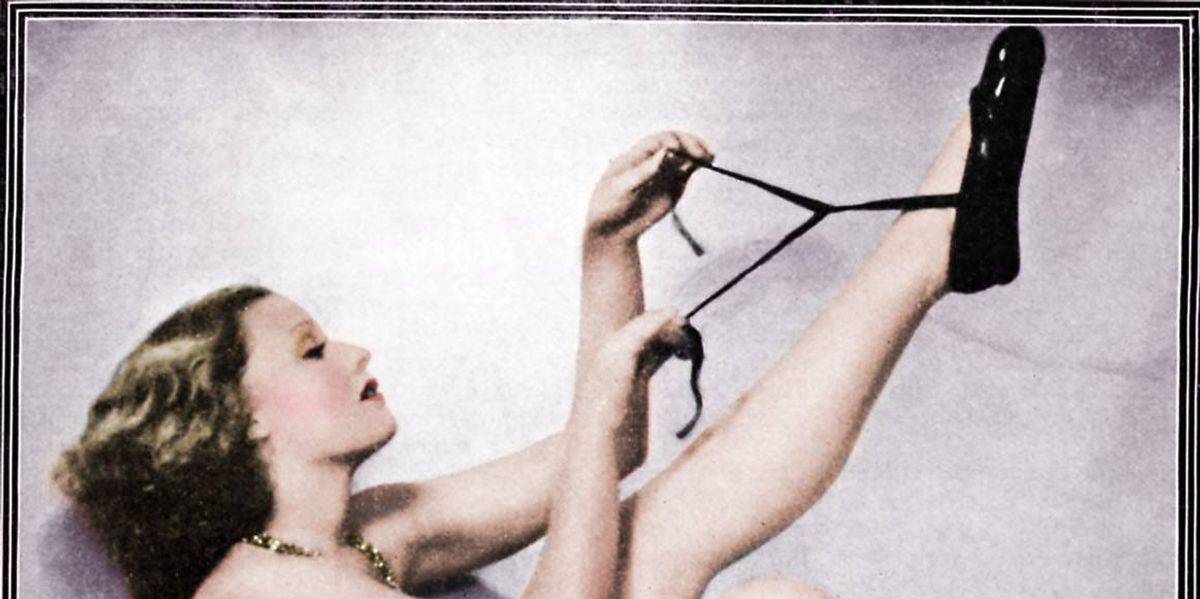
Charlie Hourston, founder of the Los Angeles-based sustainable clothing brand Charlie Beads—which specializes in deadstock fabrics—found herself at the center of the TikTok flat discourse alongside co-workers and collaborators Margot Menveg and Jaden Power.
"I started a series on TikTok with my co-workers and best friends, where we discuss ballet flats from different brands and what we love or don’t love about a certain style, brand, or color," Hourston shares.
Her personal entry point into the obsession bridges familial nostalgia with digital influence. Growing up, Hourston bypassed modern children’s shoes to borrow her mother’s preserved pairs—including a well-worn red E. Porselli x A.P.C. collaboration brought back from a 2008 trip to France. However, the modern spark was ignited digitally.
"Cierra O’day is an old friend, and I remember she posted about vintage Miu Miu ballet flats in 2022. I hardly buy things online, but I found a silver pair for around $150. I ordered them immediately."
Since then, Hourston’s collection has expanded through digital discovery and brand partnerships with labels like Maguire and Margaux NY, though she notes that her ultimate allegiance remains with classical heritage. Looking forward, she eyes vintage Lanvin: "They aren’t typical ballet flats. They don’t have bows, which I like, and the shape is really stunning."
On the other end of the economic spectrum, creator Emelia Cherry went viral by addressing the accessibility gap in online fashion content.
"I saw a lot of people making videos recommending specific ballet flats, but all of them were $150 or more. I wanted to share my collection, which is at a much more realistic price point," Cherry explains.
Offering advice to novices entering the trend, Cherry champions versatility:
"I think ballet flats are the most versatile shoe, they look good with everything. I highly recommend a plain black flat from Primark. After a couple of wears they’re pretty comfortable, and they’re a super affordable way to test out the style."
Future Outlook: The Enduring Footprint of the Flat
As the fashion cycle continues to accelerate, prognosticators frequently question the longevity of micro-trends. Yet, the ballet flat occupies a rare space in wardrobe architecture: it is simultaneously a trend-driven social media obsession and an enduring historical staple.
The integration of peer-to-peer digital recommendations has permanently altered how consumers discover, vet, and purchase footwear. No longer reliant solely on editorial dictates from legacy publications, modern consumers curate their wardrobes based on the lived experiences of creators navigating real-world transit systems, office environments, and cultural events.
Whether worn scuffed on cobblestone European streets, paired with tailored trousers at contemporary art venues, or unboxed from vintage reseller platforms like The RealReal and Poshmark, the ballet flat is here to stay. The verdict from the collective internet is clear: find the aesthetic reference point that resonates with your personal style, weigh the functional parameters of your daily life, and take a flat-footed leap into the footwear staple that continues to define generations.