Executive Overview
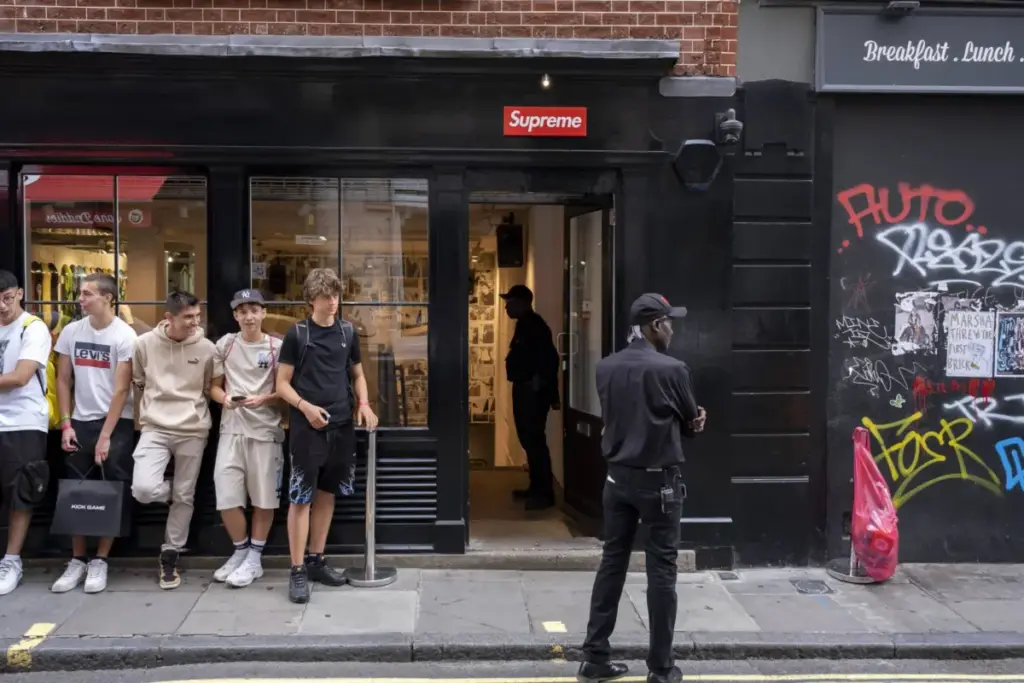
In the opening moments of her Solar Power ballad "California," Lorde sings a bittersweet farewell to the golden state, bidding adieu to its signature cultural exports: the models, the bottles, and the relentless climb for clout. Specifically, she croons, "Bye to the kids in line for the new Supreme."
For years, the physical queue snaking down a metropolitan sidewalk has served as the ultimate urban altar of cool. It is a socio-spatial ritual where streetwear aficionados, hypebeasts, and fashion zealots trade comfort for cachet. But as retail trends rapidly pivot in the post-pandemic digital landscape, that neighborhood line has evolved. Today, it is no longer just about skate decks and box logos. Instead, a new generation of internet-native, "it-girl" digital brands—from the funky-chic Spanish imprint Gimaguas to the elevated basics of Tankair and the intimate luxury of CouCou—are transforming the transient brick-and-mortar storefront into an aggressive engine of modern consumer culture.
This is the era of #WaitingInLineSummer. In major cultural hubs like New York City and Los Angeles, digital-first direct-to-consumer (DTC) labels are breaking out of the confines of the browser window. By staging temporary, hyper-curated pop-ups, these brands manufacture acute scarcity, weaponize parasocial proximity, and tap directly into the psychological wiring of a generation raised inside the algorithmic glow of social media.
Beneath the veneer of vapes shared on Melrose Avenue sidewalks and mirror selfies snapped in purple-carpeted fitting rooms lies a profound shift in modern capitalism. Physical retail is no longer about convenient inventory distribution; it is about museum-grade experiential marketing. For Gen Z shoppers, the pop-up store functions as a hybrid gallery, a social club, and a content creation studio—proving that while the internet built these brands, the physical line is where they truly come alive.
Detailed Chronology: From the Supreme Blueprint to the Ephemeral Pop-Up Boom
The architecture of modern retail scarcity didn’t materialize overnight. To understand the contemporary pop-up phenomenon, one must trace its lineage back to the skate-culture hegemony established by brands like Supreme.
The Blueprint: Supreme and the Art of the Drop
For decades, Supreme served as the foundational legacy indicator for limited-edition manufacturing. Long before digital-native brands began renting empty storefronts in SoHo or West Hollywood, Supreme conditioned its consumers to treat clothing like fine art. By dropping tightly capped collections on rigid schedules, the brand engineered a secondary market where hoodies and graphic tees appreciated like blue-chip stocks.
The psychological blueprint was simple: make it scarce, make it difficult to acquire, and watch the demand skyrocket. Whether it was a thwarted attempt to cop a piece from the brand’s high-profile collaboration with witch-house pioneers SALEM—where eager buyers lost out to hyper-fast checkout bots and dedicated fans—or making the pilgrimage to a flagship store, the friction of acquisition became part of the garment’s intrinsic value.
The Digital-Native Pivot: Spring to Summer 2024
As the 2020s progressed, digitally native DTC labels realized that relying solely on algorithmic feeds had a ceiling. To truly cement their cultural equity, they needed to conquer physical space.
- March – April 2024: Spanish designer Gimaguas kicked off the warm-weather migration, bringing its distinct, sun-drenched aesthetic to Southern California before marching across the country to conquer New York City in April.
- May – June 2024: The calendar densified rapidly. CouCou Intimates launched a high-profile New York pop-up that spanned late spring into early summer, drawing massive crowds eager to acquire its coveted cotton basics and signature lace-trimmed garments. Simultaneously, Tankair planted its flag on Melrose Avenue in Los Angeles for a high-intensity, week-long residency, showcasing its sleek, Thailand-inspired silhouettes.
Rather than serving as permanent fixtures, these temporary retail installations operate with military precision. They open for a matter of days, generate massive digital shockwaves, and vanish before the novelty can curdle into mundane accessibility.
Supporting Context & Metrics: The Mechanics of Modern Scarcity
The success of the ephemeral pop-up relies on a sophisticated synthesis of psychological manipulation, social media amplification, and community-driven FOMO (Fear Of Missing Out).
The Gallery of Capitalist Indulgence
Stepping into a modern indie brand pop-up feels less like entering a clothing store and more like navigating a contemporary art gallery. Inventory is strictly limited; numbered garments hang loosely within meticulously designed, minimalist architectural spaces.
The shopping journey itself is ritualized:
- The Queue: Patrons brave hours-long outdoor lines, turning the wait into an impromptu social gathering where vapes are passed and outfits are critiqued.
- The Selection Card: Upon entry, shoppers fill out physical cards with their desired colorways and sizes, reminiscent of ordering dim sum or checking off a gallery exhibition checklist.
- The Dressing Room Queue: A second round of waiting ensues before accessing a meticulously lit, highly aestheticized fitting room designed specifically to encourage digital self-documentation.
Parasocial Marketing and the "Friends & Family" Divide
The modern pop-up marketing funnel is a masterclass in parasocial exploitation. In the days leading up to a public opening, brands routinely host exclusive "Friends and Family" previews. This is when Instagram models, micro-influencers, and C-list celebrities are granted unhurried, plebeian-free access to browse the racks.
Days later, the brands flood their social media feeds with imagery of these tastemakers—names like Kaia Gerber, Addison Rae, Alana Champion, and Molly Blutstein—effortlessly gliding through the space. When everyday consumers see their favorite internet icons lounging in the same fitting rooms, a powerful psychological switch is flipped. The consumer is no longer just buying a tube top or a miniskirt; they are purchasing a tangible point of contact with an aspirational lifestyle.
The Rise of the "Monkey-See, Monkey-Press" Consumer
Gen Z’s capitalist consumption habits are inextricably linked to the intense digital integration of their daily lives. Raised in an era where social media operates as a 24/7 pseudo-mall, young shoppers exhibit a heightened tendency toward immediate, impulse-driven acquisition.
When items like CouCou’s Rina long-sleeve top are spotted on cultural barometers like Sabrina Carpenter, Hailey Bieber, or niche literary influencers on BookTok, demand spikes exponentially. Because these independent brands maintain higher price points and strict production caps, their inherent inaccessibility fuels a compulsive obsession. Shoppers are driven by a "monkey-see, monkey-press" reflex—buying at first sight to ensure they aren’t left behind in the cultural conversation.
Official Statements & Industry Perspectives
The cultural weight of the pop-up phenomenon has not gone unnoticed by fashion theorists, podcasters, and industry insiders who analyze the intersection of digital identity and material consumption.
Fashion writer and Nymphet Alumni podcast co-host Biz Sherbert captured the ethos of the movement perfectly in her Substack, American Style, when she wrote the rallying cry: "Time to put on some tank air and handle it."
This sentiment reflects a broader generational attitude toward clothing as armor. Independent labels like Tankair have managed to cultivate fiercely loyal followings not just through clever marketing, but through product integrity. As consumers increasingly reject the low-quality saturation of ultra-fast-fashion platforms and dubious TikTok shop dupes, they are doubling down on independent designers whose cuts, fits, and breathability justify the steep price tags.
Furthermore, industry observers note that the documentation of the shopping experience has become just as valuable as the garments themselves. As one regular pop-up attendee notes of their time in the fitting rooms:
"I act like I’m simply notifying my followers about my day, using social media how it was intended. It’s not my fault it’s a Tuesday morning and I’m casually thotting in the same mini shorts the girl from Snow Strippers posted in two days ago!"
This blurring of lines between personal documentation and strategic brand marketing is the cornerstone of contemporary retail success. Brands no longer need traditional advertising budgets when their consumers are willingly turning themselves into walking billboards, chronicling every second of their wait times, hauls, and try-ons for the digital ether.
Future Outlook: Where Do We Go From Here?
As the retail landscape continues to evolve, the ephemeral pop-up model faces a fascinating crossroads. Can brands sustain their momentum entirely on the fumes of exclusivity, or must they eventually plant permanent roots?
The Evolution of the Permanent Footprint
While the temporary nature of the pop-up is its greatest marketing asset, logistically, it is an exhausting cycle for both brands and consumers. The endless lines, the crushed inventory, and the frantic travel schedules point toward a need for stability.
Several pioneering indie labels are already proving that graduation from the pop-up circuit to permanent brick-and-mortar storefronts is possible. Take Paloma Wool, for instance, which successfully transitioned from an elusive online and pop-up entity to establishing permanent, highly stylized retail spaces on both coasts. By anchoring themselves in physical neighborhoods permanently, these brands manage to retain their avant-garde credibility while alleviating the exhaustion of the perpetual drop cycle.
The Enduring Appeal of the Queue
Yet, for the foreseeable future, #WaitingInLineSummer is here to stay. As long as young consumers derive deep social capital and psychological adrenaline from the act of acquisition—from sharing vapes on the sidewalk of Melrose to sliding into DMs in a newly acquired service tank—the physical line will remain sacred.
To quote Lorde once more: bidding adieu to the kids in line for the new drop is a romantic notion, but the truth is far simpler. The line is where the culture happens. Until every digital-native brand trades its temporary storefronts for permanent real estate, expect the youth of Los Angeles, New York, and beyond to keep clearing their schedules, refreshing their checkout pages, and waiting patiently for their turn to buy into the dream.