Executive Overview
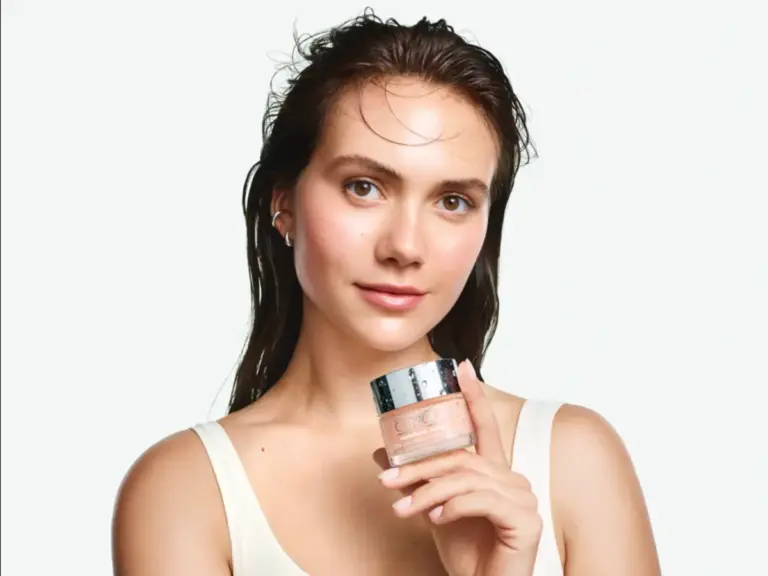
Talk to any leading runway makeup artist, and they will share an industry-wide consensus: learning how to properly prepare the skin for cosmetics is the single most critical determinant of a flawless, long-lasting finish. Long before a professional reaches for a high-performance liquid foundation, a vibrant cream blush, or a precision sculpting brush, the foundational architecture of the look is established through rigorous skin preparation.
To borrow a classic artistic analogy used by professional makeup artist Ariane Victoria in conversations with Vogue, imagine attempting to paint a drywall that has never been spackled, sanded, smoothed, or primed. Every single bump, micro-ridge, and dry flake would inevitably telegraph straight through the layers of paint.
The exact same scientific principle applies to human skin. If a makeup application does not begin with a thoroughly cleansed, gently exfoliated, expertly moisturized, and pH-balanced visage, the cosmetics will struggle to adhere, blend, or wear evenly. The absence of proper skin preparation will always reveal itself in the final look—manifesting as pilling, premature sliding, separation, or uneven patchiness.
Far from being an arbitrary accumulation of luxury steps, professional skin prep is a strategic, highly customized choreography designed to optimize the skin’s canvas, minimize the workload required by subsequent cosmetics, and guarantee maximum longevity throughout the day or evening.
Detailed Chronology: The 6-Step Pro Blueprint for Makeup-Ready Skin
According to top-tier industry artists Ariane Victoria and MarQuis Ward, there is no single "holy grail" routine that fits every individual. Instead, the process must be fluid, shifting dynamically based on a person’s unique skin type, daily micro-climate, and current complexion needs.
However, when breaking down a professional routine into actionable phases, a precise chronological blueprint emerges. Here is the definitive step-by-step masterclass on how to prep your skin like a celebrity makeup artist.
Step One: Achieving a Fresh, Pristine Canvas
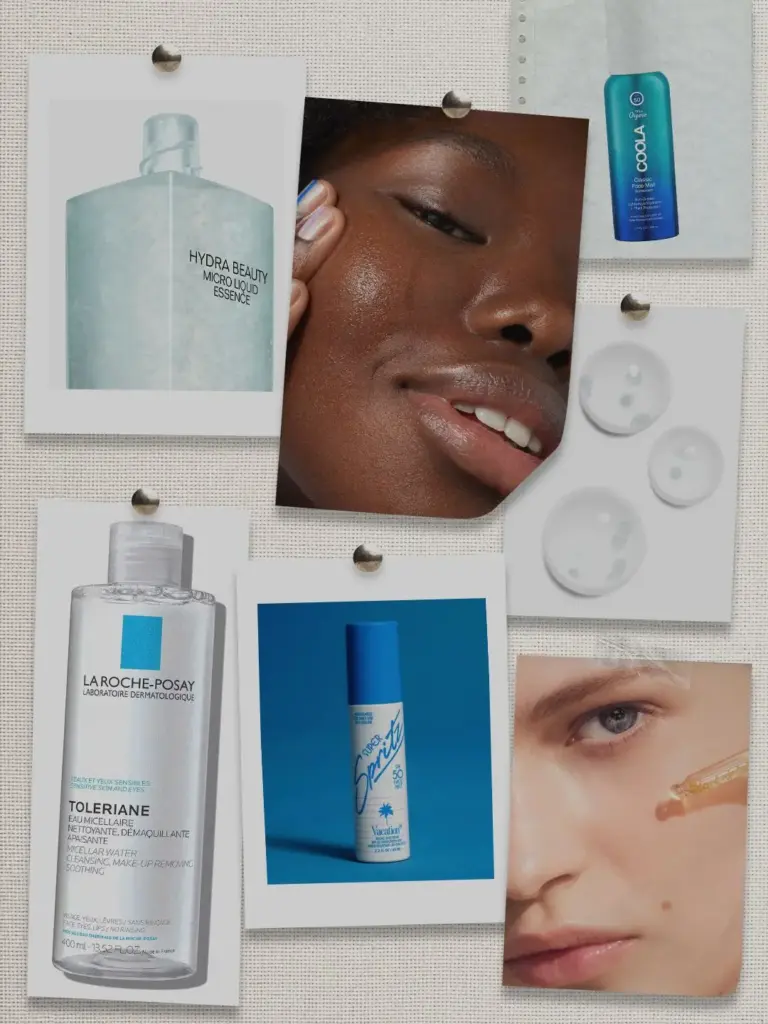
Just as a classical painter begins with a blank, clean canvas, a makeup artist starts by stripping away any impediments to product absorption. In professional settings, artists frequently use micellar water on cotton pads to lift away residual surface oils, overnight sebum, and lingering impurities without disrupting the skin’s moisture barrier. At home, you can replicate this by using your preferred gentle daily cleanser.
The primary objective at this stage is absolute purity: removing any microscopic debris or excess oils that could interfere with the seamless layering and chemical absorption of subsequent skincare and makeup formulations.
Step Two: Gentle Exfoliation for Unrivaled Texture
Once the skin is clean, addressing surface texture becomes paramount. Victoria recommends incorporating a gentle exfoliant into your prep routine "to even out skin texture and ensure everything layers on top beautifully."
Drawing another parallel to home improvement, this step functions similarly to sanding a wall prior to painting, establishing a uniform micro-surface.
- Chemical Exfoliation: Products such as First Aid Beauty’s toner pads offer convenient, mild smoothing action.
- K-Beauty Innovations: Serums like Mixsoon’s fermented soybean, barley, and pomegranate extract formula gently slough away dead skin cells while simultaneously infusing deep hydration.
- Milky Toners and AHAs/BHAs: Eadem’s specialized toner combines the comforting texture of a milky lotion with the refining power of alpha and beta-hydroxy acids.
- Barrier-Friendly Tonics: Board-certified dermatologist Dr. Marisa Garshick highlights formulations like Medik8’s Press & Glow PHA Tonic, noting that larger molecule sizes make BHAs and PHAs ideal for improving skin texture and boosting radiance without compromising the delicate skin barrier.
Step Three: Balancing with Face Mists and Essences
Rather than heavily weighing down the complexion with dense creams immediately, both Ward and Victoria advocate for the strategic use of balancing face mists or light essences. These products deliver targeted skincare benefits with virtually zero added weight.
"I’m always looking for products that make the skin feel cared for, but don’t leave me with so much underneath that I have to fight it when I start applying makeup," Ward explains. "I never want the skincare to compete with the makeup. Everything I put underneath should make what comes next look better."
- Caudalie Beauty Elixir: Packed with soothing essential oils and balancing grape extract, this cult-classic mist leaves clients enveloped in a calming, refreshing scent.
- Byoma pH-Balanced Toning Mist: Designed to restore optimal skin pH levels instantly.
- CosRx Peptide Collagen Skin Booster: Utilizes advanced peptides to firm, balance, and brighten the complexion ahead of foundation application.
Step Four: Layering with Lightweight Hydration
When the time comes to moisturize, experts advise stepping away from ultra-heavy, occlusive night creams and pivoting toward featherlight, humectant-rich formulas. Ward emphasizes that texture, product volume, and absorption time dictate how foundation ultimately behaves.
"If your foundation is pilling, sliding around, or separating, your skin is telling you it’s time to pull back on product application, change the texture, and give more time to absorb," he warns.
- Neutrogena Hydro Boost Water Gel: Infused with hyaluronic acid, this gel-cream absorbs instantly, leaving zero heavy residue.
- Guerlain Youth Watery Oil Serum: Features antioxidant- and honey-infused microbeads that burst dynamically upon skin contact.
- Blue Lagoon Skin Science The Serum: Merges microalgae, mineral-rich seawater, and multi-weight hyaluronic acid for prolonged, lightweight hydration.
Step Five: Optimizing SPF Integration
Sun protection is non-negotiable, but traditional, heavy lotions and mineral sunscreens can drastically alter how makeup sits, often causing unwanted white casts or flash photography interference.
"I’m not going to tell someone to skip their SPF for a photo. Sunscreen is important, but it can change the way makeup sits on the skin," notes Victoria.
For daytime events, Victoria suggests swapping traditional creams for an advanced SPF mist. Products like Vacation’s Super Spritz SPF 50 Face Mist or Coola’s Suncare Classic Face Sunscreen Mist provide robust UV defense while acting more like a setting spray than a heavy base layer.
Pro Tip: Always perform a flash test with your chosen skincare, SPF, and makeup combination prior to a major event. Giving your sunscreen approximately five minutes to completely dry down before applying makeup prevents sliding and rolling.
Step Six: Finishing with Strategic Primer (Optional)
Paradoxically, makeup artists agree that primer is not always a mandatory requirement. Victoria argues that high-performance skincare applied in thin, well-absorbed layers creates a superior foundation compared to priming agents alone.
However, when used correctly, primer acts as the ultimate bridge between skincare and cosmetics. "I’m a big believer in strategic priming, such as using it for shine-control on the nose and forehead," says Ward.
- Prada Beauty Refine Blurring Extending Primer: Infused with salicylic acid, making it ideal for targeted oil control on the T-zone.
- Hourglass Cosmetics Vanish Airbrush Primer: Delivers an overall blurred, soft-focus finish.
- Milk Makeup Hydro Grip Primer & e.l.f. Power Grip Primer: Gel-based hydrators that grip cosmetics in place with a refreshing, tacky finish.
Supporting Context, Metrics, and Expert Methodologies
To deliver truly authoritative recommendations, top-tier beauty editorials like Vogue utilize a holistic testing methodology. This process combines exhaustive laboratory and real-world testing with insights drawn from a vast network of board-certified dermatologists, cosmetic chemists, and celebrity makeup artists.
When evaluating skin prep regimens, editorial teams analyze three core criteria:
- Molecular Compatibility: Assessing whether active skincare ingredients (such as silicones, oils, and water-based humectants) interact harmoniously with liquid and powder cosmetics without triggering chemical separation or pilling.
- Viscosity and Absorption Velocity: Measuring the exact dry-down time required for each product layer to anchor securely to the epidermis.
- Environmental Adaptation: Evaluating how prep routines perform across varying humidity levels, indoor heating, and prolonged wear cycles.
Furthermore, dermatological experts emphasize that skin prep serves a protective biological function. By strengthening the skin barrier with humectants, ceramides, and gentle PHAs, the skin is shielded from the potential drying or clogging effects of heavy, long-wear pigments.
Future Outlook: The Evolution of Intelligent Skin Prep
As the boundaries between skincare and color cosmetics continue to dissolve, the future of skin prep is shifting toward hyper-personalized, biophilic formulations. Industry analysts predict several key advancements shaping the next generation of makeup preparation:
- Microbiome-Friendly Priming Formulas: Future preps will actively balance the skin’s microbial flora, reducing inflammation and redness in real-time beneath heavy stage and film makeup.
- Adaptive Texture Tech: Skincare products engineered to dynamically shift viscosity based on skin temperature and ambient humidity, ensuring optimal grip regardless of weather conditions.
- Pollution-Shielding Hybrid Mists: Multifunctional mists that simultaneously prime, hydrate, and deploy invisible atmospheric shields against urban particulate matter, preserving both skin health and cosmetic integrity throughout the day.
Ultimately, mastering the art of skin prep transforms makeup from a temporary mask into an integrated, seamless second skin. By treating preparation as a science rather than an afterthought, achieving an editorial-grade, flawless finish is no longer reserved exclusively for the red carpet—it becomes an accessible, daily reality.