Executive Overview
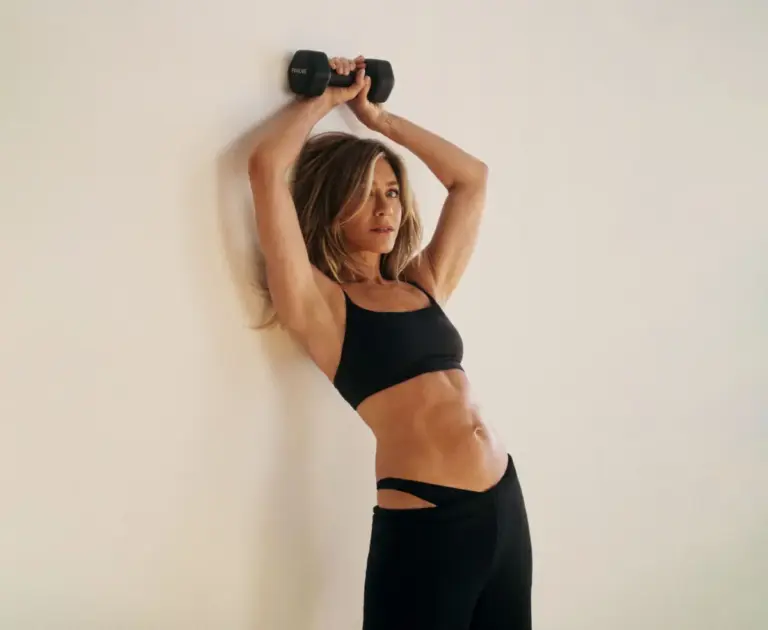
For decades, the weight room has remained an intimidating frontier for many women. Historically dominated by hyper-masculine aesthetics, clanking iron, and an unspoken culture of gatekeeping, the designated free-weight and dumbbell sections of traditional commercial gymnasiums often evoke performance anxiety and self-consciousness among newcomers. For millions of individuals approaching or navigating their late-30s, the prospect of lifting heavy objects—let alone navigating complex cable machines or barbell racks—feels entirely out of reach.
Historically, cardio machinery, group fitness classes, and swimming lanes formed the boundaries of acceptable or comfortable gym usage for non-athletes. However, a seismic shift in exercise science over the past decade has fundamentally redefined what optimal physical health looks like. Clinical research consistently points to the indispensable value of resistance training, particularly for women. From mitigating age-related muscle mass depletion (sarcopenia) and enhancing bone mineral density to supercharging metabolic function and stabilizing insulin response, strength training is no longer viewed merely as a bodybuilder’s pursuit, but as a critical pillar of longevity.
Faced with this growing body of evidence, one first-time lifter in her late-30s decided to confront her gym-floor anxieties head-on. Rather than braving the public gaze of a traditional facility, she embarked on a transformative six-week experiment within the private confines of her own home using the Peloton app and instructor Joslyn Thompson-Rule’s "Discover Strength" program.
This comprehensive report details that six-week journey—tracing the initial psychological hurdles, the logistical challenges of domestic fitness, the physiological breakthroughs, and the ultimate realization that strength training is not an exclusive club, but an accessible, empowering, and addictive discipline for anyone willing to pick up a dumbbell.
Detailed Chronology: A Six-Week Transformation
Weeks 1–2: Laying the Foundation and Overcoming Intimidation
The journey began with modest preparation: three sets of dumbbells spanning light (2.3kg/5lbs), medium (4.5kg/10lbs), and heavy (6.8kg/15lbs) variants, alongside a yoga mat and a downloaded fitness app. The program of choice, guided by renowned instructor Joslyn Thompson-Rule, scheduled three distinct sessions per week, designed to ease a complete novice into the mechanics of resistance training without provoking crippling delayed-onset muscle soreness (DOMS).
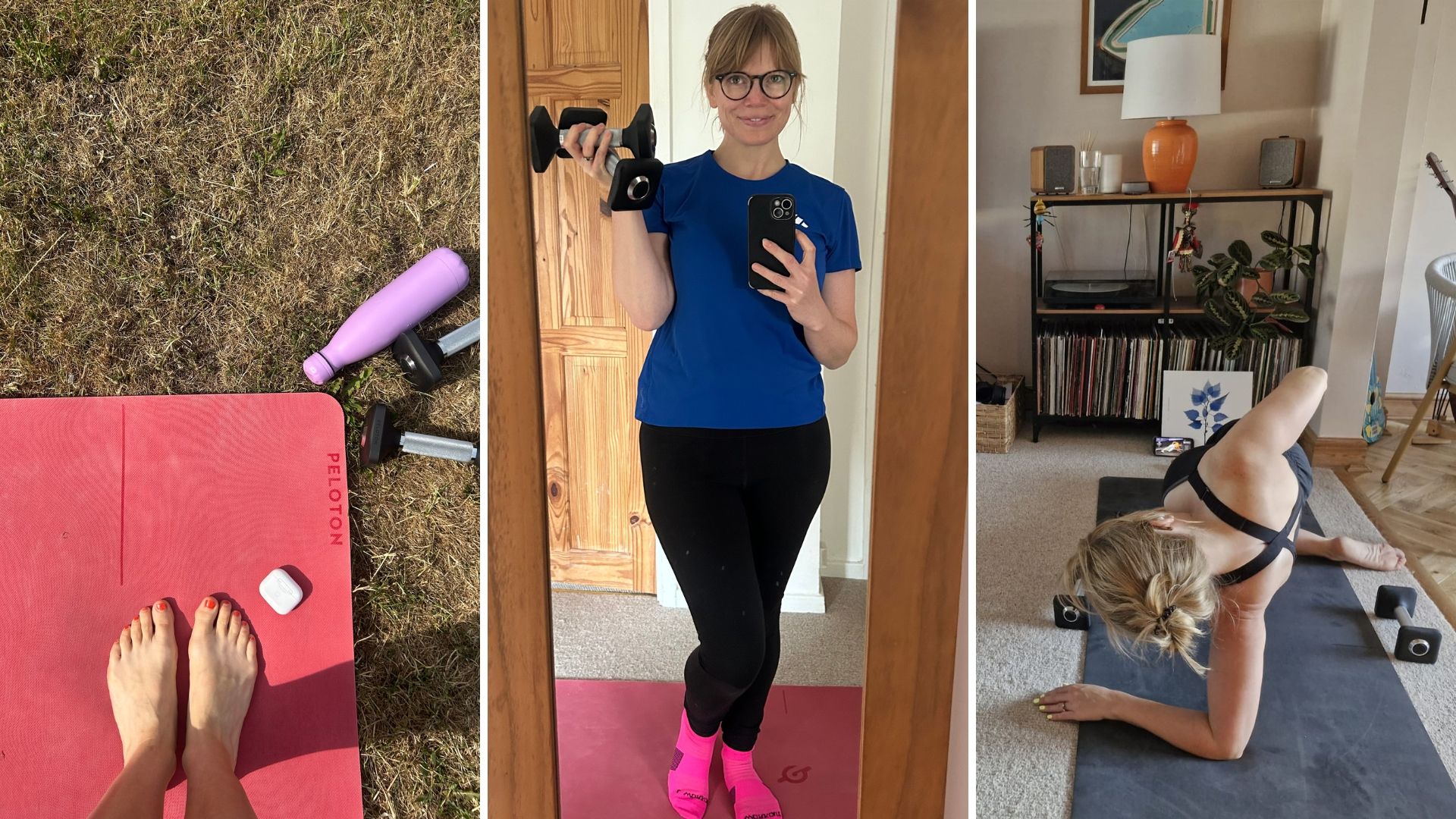
From the outset, the psychological barrier of "doing it wrong" began to dissipate. Thompson-Rule’s coaching methodology prioritized the foundational mechanics of movement over sheer intensity. Early sessions emphasized breathwork—specifically, how to time inhalations and exhalations with concentric and eccentric muscle contractions. While the initial caloric expenditure and muscular fatigue felt minimal, the Peloton app provided vital quantitative feedback, mapping out trained muscle groups and total energy burned to validate the effort.
Crucially, the early weeks heavily featured mobility drills and foundational stability exercises, such as the initial stages of push-ups. Thompson-Rule excelled at explaining the why behind every movement, bridging the gap between basic physical therapy principles and functional strength.
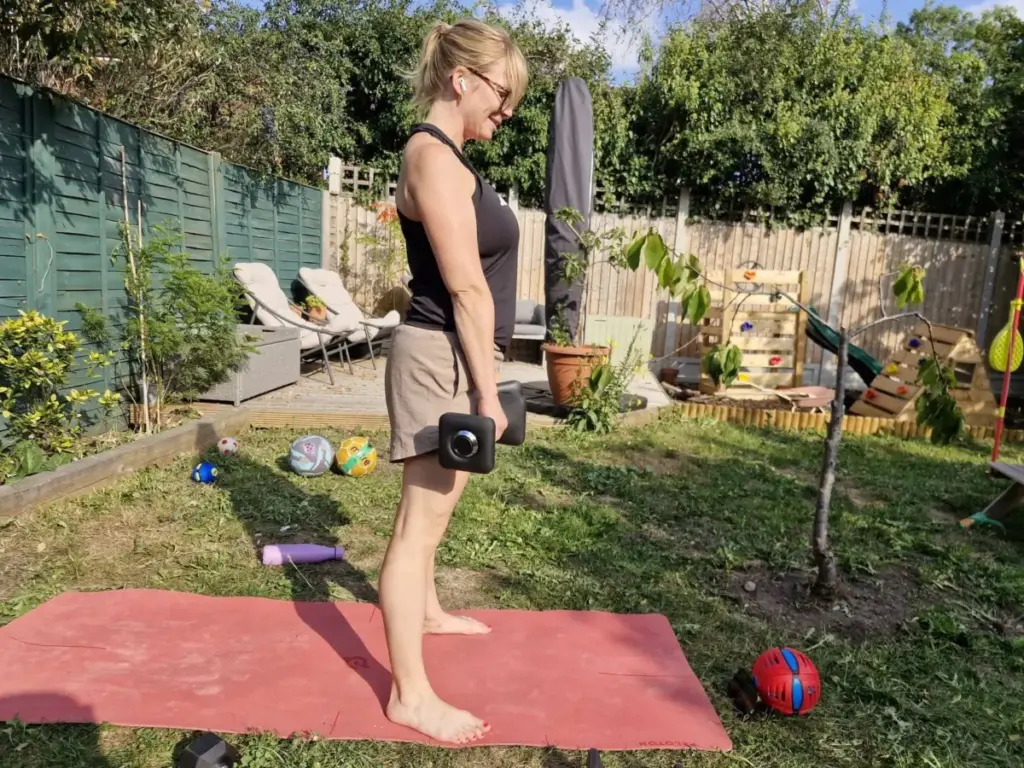
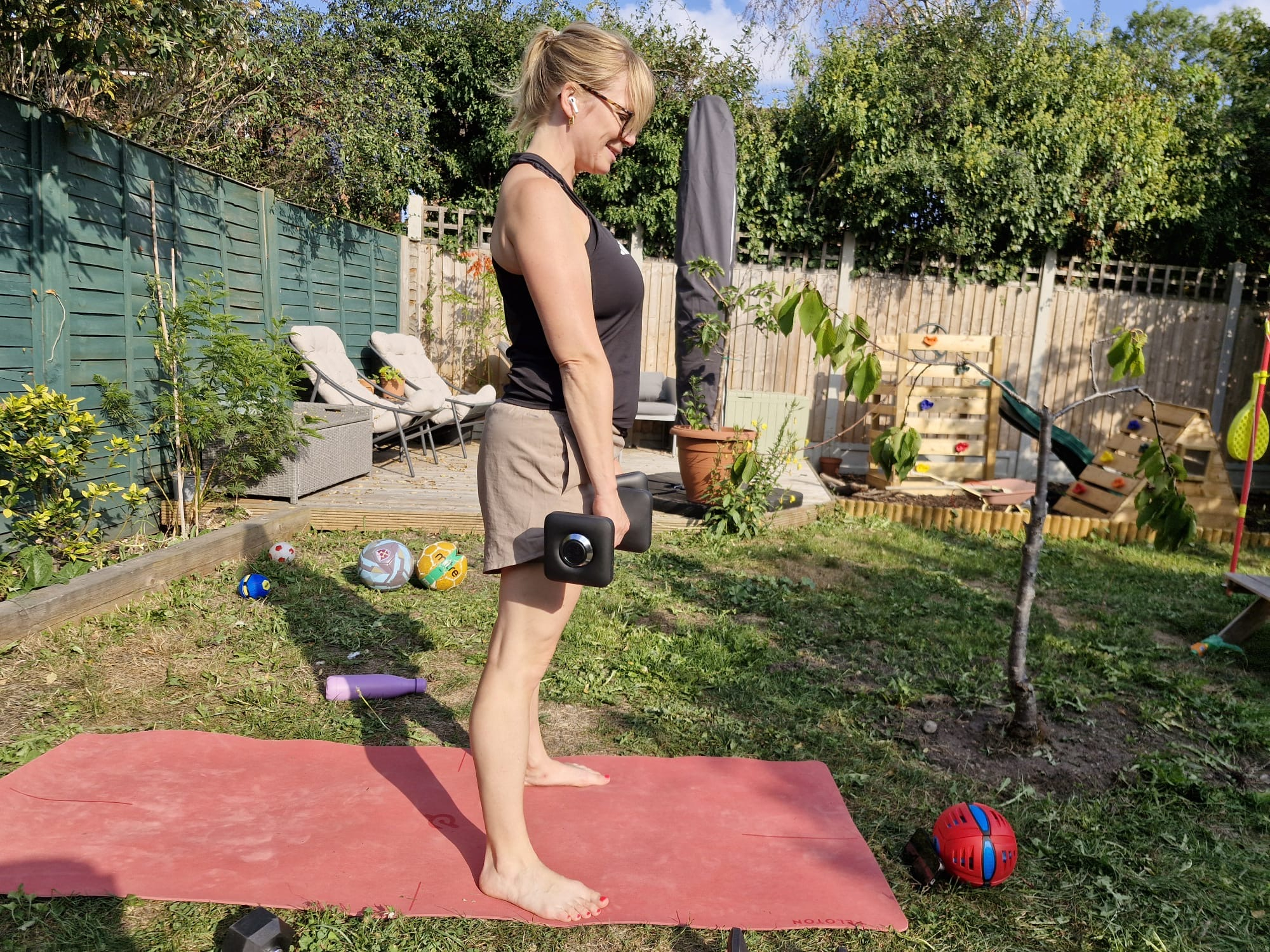
Logistically, utilizing a smartphone as the primary interface proved advantageous. Free from the constraints of wall-mounted screens or fixed studio mirrors, the participant could seamlessly reposition the device across the mat, adjusting camera angles to match natural lines of sight. As seasonal weather improved toward the end of week one, this portability allowed the workout space to expand outdoors into the sunlight.
By the second week, the physical demands scaled upward at a measured pace. Movements introduced in week one evolved; for instance, the static bear plank progressed into a dynamic single-arm lift, forcing the core and shoulder stabilizers to maintain structural integrity across three points of contact rather than four. Exercises that initially sounded like foreign terminology—side planks, goblet squats—quickly became second nature, eliminating the need to constantly fixate on instructional screens.
Weeks 3–4: Embracing Domestic Chaos and Escalating Intensity
As the program entered its third week, external loads were formally introduced to the movement patterns established during the previous fortnight. The intensity spiked noticeably, resulting in elevated heart rates, heavy breathing, and genuine muscular fatigue. Workouts transitioned into circuit-style blocks, combining compound movements like renegade rows, half-goblet squats, and forearm side planks to maximize metabolic stress within a compressed timeframe.
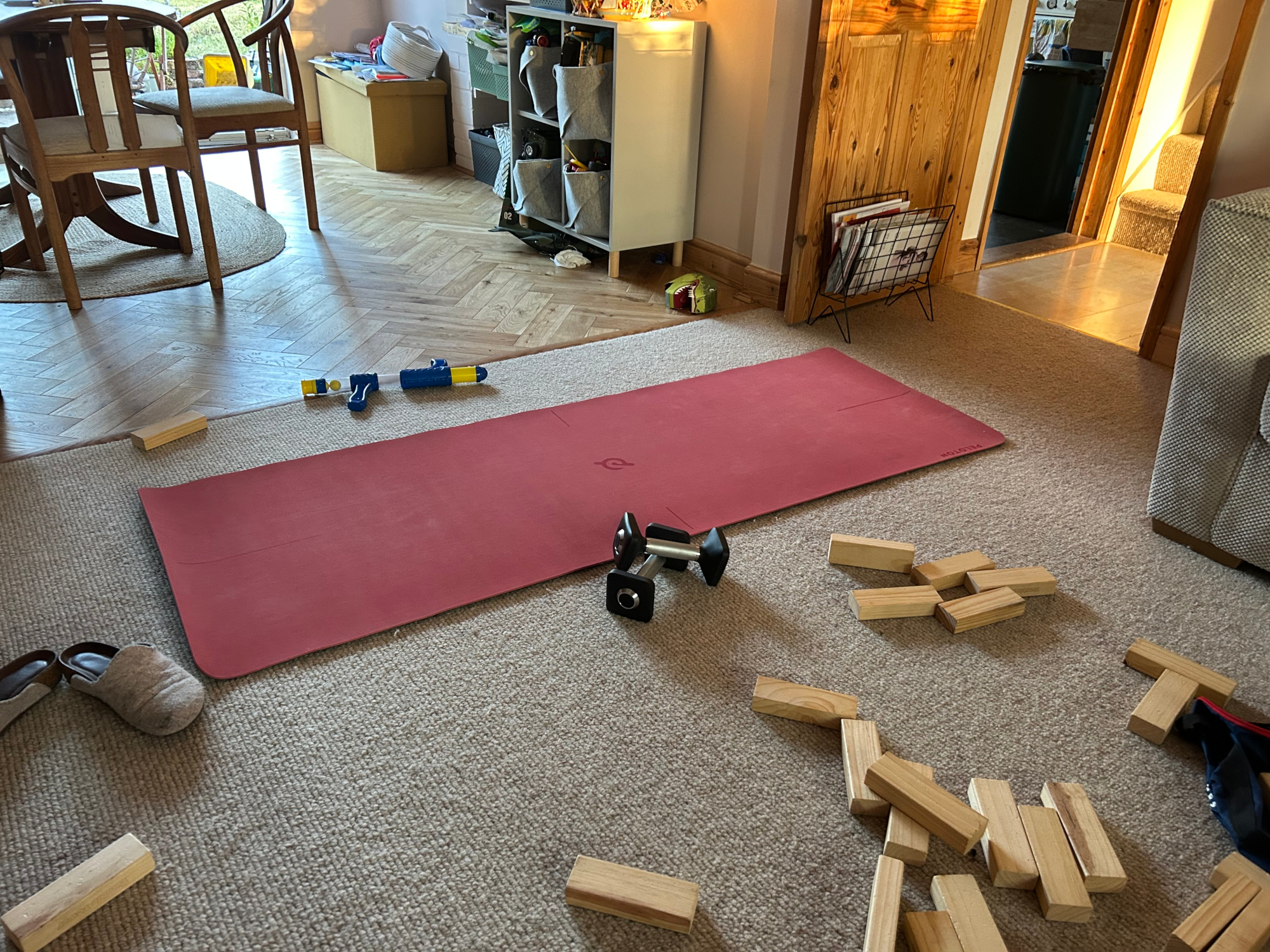
It was during this phase that the romanticized notion of a serene, clutter-free home workout space collided with reality. Living with a remote-working partner and a young child during school holidays meant that absolute silence and pristine tidiness were unattainable luxuries. Rather than abandoning workouts due to domestic interruptions, the participant was forced to adapt: perfecting side planks while a child tossed toys overhead or executing goblet squats in the tight corridor between a washing line and a paddling pool. This forced integration of fitness into daily life proved to be a valuable lesson in consistency over environmental perfection.
Week four marked a major structural turning point, transitioning from phase one to phase two of the program. Workout durations expanded from 20 to 30 minutes, integrating light, medium, and heavy weights into cohesive, full-body routines. For the first time, the psychological itch for immediate, visible physical transformation yielded to a deeper appreciation for functional capability. Movements felt fluid, muscle engagement was intuitive, and the post-workout rush of endorphins became an anticipated psychological reward.
Weeks 5–6: Mastering Stability and Reaching Personal Milestones
The final fortnight of the "Discover Strength" program tested both physical endurance and mental fortitude. With workouts firmly established at the 30-minute mark, warm-up sequences became more comprehensive. Thompson-Rule dedicated significant instructional time to the science of recovery, emphasizing that muscular gains occur during periods of rest rather than solely under tension—a refreshing counter-narrative to the toxic "hustle culture" often prevalent in fitness media.
New stabilization movements, such as the single-arm reverse fly, were introduced to correct muscular imbalances and enhance upper-body posture. While challenging, the ability to rapidly assimilate and execute these complex patterns served as a massive confidence booster.
The culmination of the program in week six presented the ultimate test: incorporating heavy weights into familiar, deeply fatiguing movement patterns. Completing these final sessions without compromising form provided an overwhelming sense of accomplishment. By the conclusion of the six weeks, the transformation was complete. The apprehension that once kept a late-30s novice out of the gym’s weight section was entirely replaced by bodily literacy, self-assurance, and an active enthusiasm for resistance training.
Supporting Context & Metrics: The Science of Strength for Women
The participant’s anecdotal success aligns seamlessly with contemporary sports science and physiological research regarding women and resistance training.
Key Physiological Benefits of Strength Training
- Bone Mineral Density (BMD): As women approach their late-30s and transition toward perimenopause, natural estrogen declines accelerate bone mineral loss, increasing the long-term risk of osteopenia and osteoporosis. Weight-bearing exercises and resistance training apply mechanical stress to the skeletal system, signaling osteoblasts (bone-forming cells) to lay down new mineral matrix and increase bone density.
- Metabolic Rate and Body Composition: Muscle tissue is metabolically active, requiring more energy at rest than adipose (fat) tissue. By increasing lean muscle mass through structured dumbbell work, individuals elevate their basal metabolic rate (BMR), improving long-term weight management and insulin sensitivity.
- Functional Longevity: Compound movements practiced during the Peloton program—such as goblet squats and planks—mirror everyday biomechanical demands. Strengthening the posterior chain, core stabilizers, and upper body directly translates to reduced incidence of lower back pain, improved posture, and enhanced injury resilience in daily life.
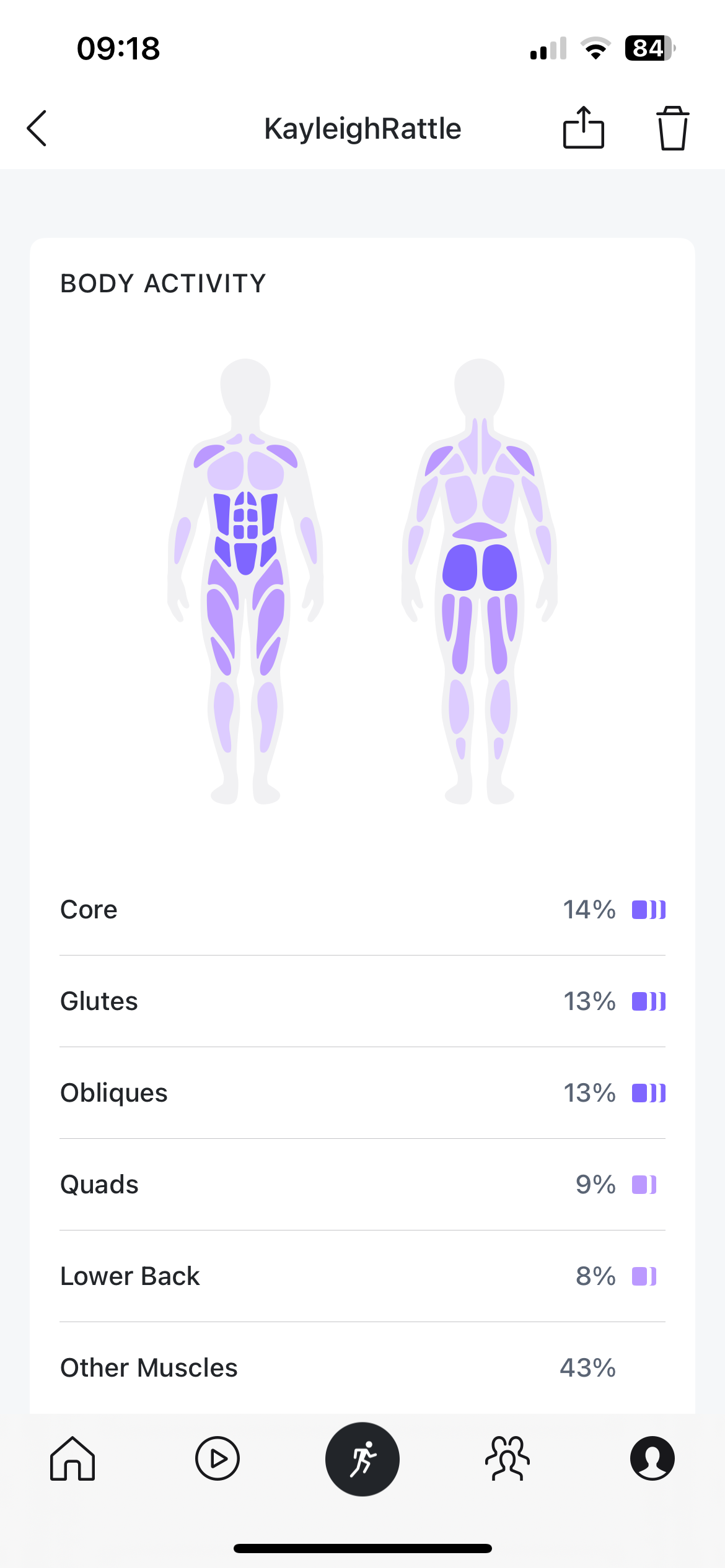
Program Breakdown: Muscle Activation Metrics
Data captured during the six-week program highlights the comprehensive nature of full-body dumbbell routines:
- Core Stability: 14% primary engagement
- Gluteal Complex: 13% primary engagement
- Obliques: 13% primary engagement
- Quadriceps: 9% primary engagement
- Lower Back: 8% primary engagement
- Upper Body & Secondary Stabilizers: 43% combined engagement
This distributed load confirms that short, structured at-home dumbbell sessions can effectively stimulate nearly every major muscle group when programmed with progressive overload in mind.
Official Statements & Expert Perspectives
While personal narratives offer compelling qualitative insights, industry experts and digital fitness platforms emphasize that accessibility remains the single greatest barrier to entry for adult fitness novices.
Fitness authorities note that the democratization of strength training through digital application ecosystems—such as Peloton, Apple Fitness+, and independent coaching platforms—has fundamentally altered consumer behavior. By removing the psychological friction of the public gym floor, apps allow beginners to master fundamental movement patterns in private, building the physical and mental competence required to eventually exercise anywhere with total confidence.
Joslyn Thompson-Rule’s pedagogical approach—focusing heavily on why a movement is performed rather than just how—has been widely praised by exercise physiologists. Understanding biomechanics empowers users to self-correct form, reduce injury risks, and foster a sustainable, lifelong relationship with physical health.
Future Outlook: The Permanent Shift in Exercise Routines
The implications of this six-week trial extend far beyond a single individual’s living room. For millions of adults balancing demanding careers, family obligations, and the natural physiological changes of aging, traditional gym models are increasingly proving obsolete.
The future of fitness lies in hybrid flexibility: the ability to execute high-quality, scientifically validated resistance programs at home, outdoors, or wherever life happens to intersect with a pair of dumbbells. As digital training platforms continue to refine their instructional depth, data-tracking capabilities, and program structures, the historical intimidation surrounding the weight room is steadily dissolving.
For this late-30s beginner, strength training is no longer an optional wellness trend or a daunting item on a to-do list; it is a permanent, non-negotiable cornerstone of daily life. With the tools, knowledge, and confidence now firmly in hand, the iron has officially been conquered—proving that it is never too late to lift.