Executive Overview
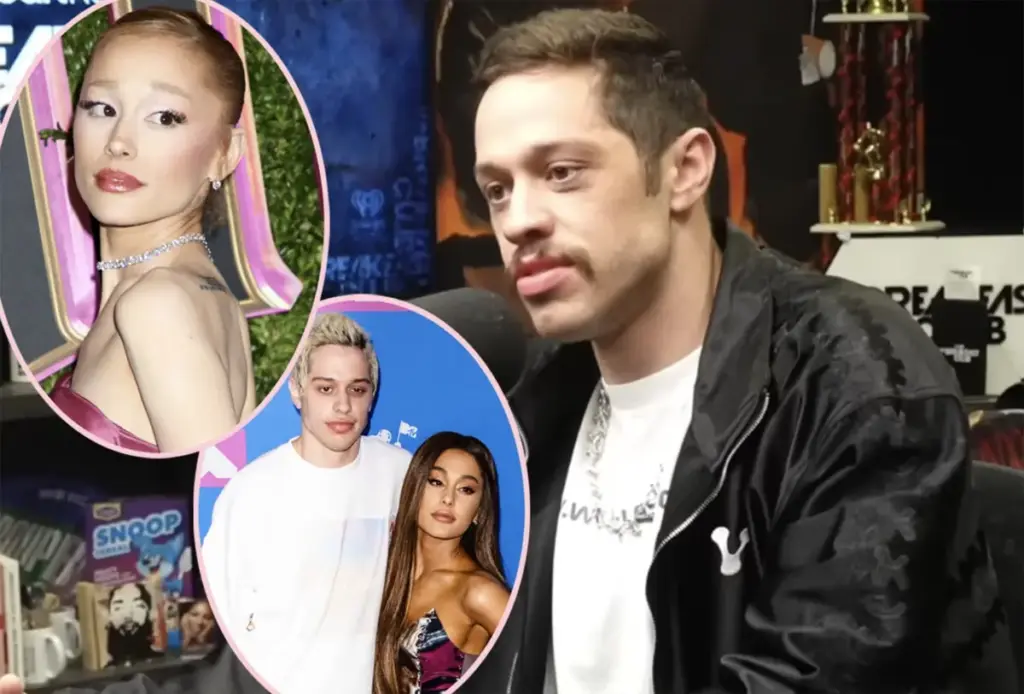
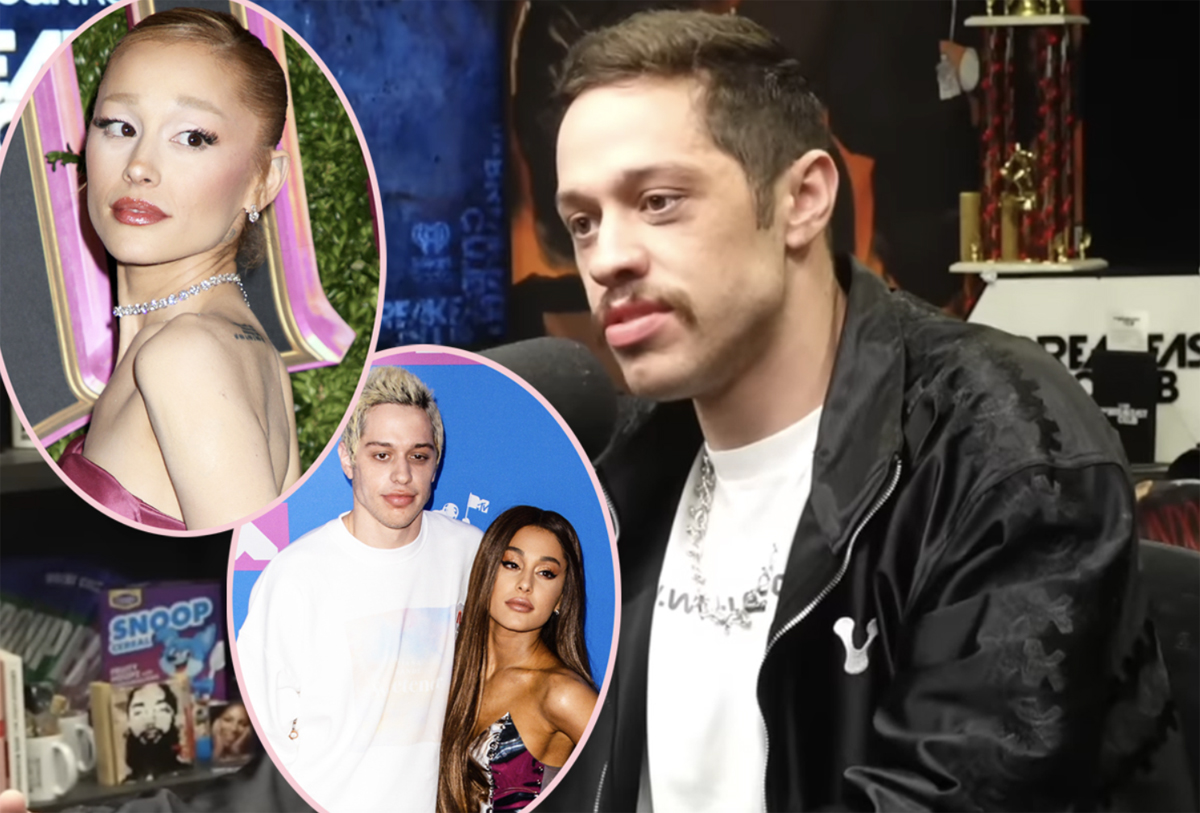
In a candid interview with Variety, comedian and actor Pete Davidson publicly condemned the ongoing online body-shaming directed at his former fiancée, pop superstar and Wicked actress Ariana Grande. Davidson’s protective remarks mark a notable moment in contemporary celebrity culture, where high-profile exes increasingly choose public solidarity and mutual respect over tabloid sensationalism.
Reflecting on their intense, highly publicized 2018 engagement, Davidson praised Grande’s professional artistic talent and personal resilience while unequivocally rejecting the invasive scrutiny aimed at her physical appearance. “I don’t like it at all. It’s not cool,” Davidson stated during the interview. “She’s a really strong person, I’ve witnessed it, and I don’t understand it. She knows how to handle this stuff though… but I think it’s fucked up.”
Davidson’s comments touch upon broader industry discussions regarding the persistent surveillance of female performers, the toxic mechanics of digital fandom, and the psychological toll of public commentary. This analysis examines the evolution of Davidson and Grande’s public dynamic, the structural pressures of modern stardom, and the cultural implications of public figures standing up against digital harassment.
Detailed Chronology
[May 2018] ------------ [June 2018] ------------ [October 2018] ------------ [November 2018] ------------ [Present]
Relationship Begins    Rapid Engagement         Engagement Ends           "thank u, next" Released     Solidarity & Defense
Public Media Frenzy    High-Profile Appearances High Public Stress        Public Reconciliation        Variety Interview
The 2018 Romance: A Cultural Flashpoint
The relationship between Pete Davidson and Ariana Grande unfolded during a period of intense media coverage in the spring and summer of 2018.
- May 2018: Shortly after ending previous long-term relationships, Davidson and Grande publicly confirmed their courtship. The pairing instantly captivated digital spaces and news outlets, combining the worlds of late-night television (Saturday Night Live) and global pop music.
- June 2018: Within several weeks of dating, the couple announced their engagement. The whirlwind nature of their romance became a defining pop culture narrative of 2018, spawning viral social media discourse, matching tattoos, and direct references on Grande’s critically acclaimed studio album Sweetener, which featured an instrumental interlude titled "Pete Davidson."
- Summer 2018: The pair made several prominent red-carpet appearances, most notably at the MTV Video Music Awards, cementing their status as one of the year’s most heavily covered celebrity couples.
Navigating Separation and Public Post-Mortems
The relationship operated under high emotional stress and unyielding public observation, culminating in its end later that year.
- September 2018: The unexpected death of hip-hop artist Mac Miller, Grande’s previous partner, placed tremendous grief and personal strain on Grande, amplifying the relentless media focus surrounding her personal life.
- October 2018: Davidson and Grande officially called off their engagement and ended their relationship, acknowledging that the timing and overwhelming external pressure had rendered their partnership unsustainable.
- November 2018: Grande released the chart-topping anthem "thank u, next," in which she directly named Davidson alongside other notable exes. Unlike traditional breakup tracks, the song expressed genuine gratitude for personal growth derived from past relationships, setting an unusually empathetic tone for high-profile breakups.
Maturation Under the Hollywood Lens
In the years following their split, both performers focused on their respective careers while maintaining a respectful public distance.
- 2019–2023: Davidson periodically addressed the relationship through his stand-up comedy specials, including Netflix’s Alive from New York, processing the media circus with self-deprecating humor while preserving basic boundaries regarding Grande’s integrity. Simultaneously, Grande achieved monumental commercial success before transitioning to major film work, landing the lead role of Glinda in Universal Pictures’ cinematic adaptation of Wicked.
- Present: Speaking to Variety, Davidson reflected on their current relationship status with grounded clarity, confirming that while they do not maintain regular communication, they share lasting mutual respect.
Supporting Context & Metrics
The Online Culture of Physical Surveillance
The critique aimed at Ariana Grande is part of a broader pattern of invasive physical evaluation targeted at high-profile female entertainers. As stars transition between demanding roles, national tours, and public appearances, digital platforms frequently become spaces for intense speculation regarding their weight, health, and aging.
+-------------------------------------------------------------------------------+
|                       CELEBRITY BODY SCRUTINY MECHANICS                        |
+-------------------------------------------------------------------------------+
|  1. Unsolicited Visual Assessment (Viral Screenshots / Red Carpet Photos)     |
|  2. Algorithmic Amplification (High Engagement on Speculative Content)        |
|  3. Narrative Construction (Assumptions about Health, Lifestyle, or Stress)   |
|  4. Digital Backlash & Counter-Discourse (Public Defense / Artist Statements) |
+-------------------------------------------------------------------------------+
The issue reached a critical point in April 2023 when Grande posted a rare, direct video message on TikTok addressing public comments about her body. In the video, she urged fans and commentators to exercise restraint and empathy, explaining that past appearances often used as "healthy" baselines actually coincided with difficult periods in her personal life. She emphasized that "healthy can look different" and called for an end to unsolicited commentary regarding individuals’ physical appearance.
Parasocial Dynamics and Algorithmic Amplification
The persistence of body-shaming rhetoric highlights structural dynamics within modern media ecosystems:
- Algorithmic Incentives: Social media algorithms prioritize high-arousal content. Posts, videos, and commentary debating a celebrity’s physical appearance generate high engagement metrics (comments, shares, quote-tweets), encouraging creators and tabloids to produce speculative headlines.
- Parasocial Boundary Dissolution: The intimacy afforded by direct-to-consumer social platforms creates an illusion of access. Fans and critics alike often feel entitled to comment on a performer’s physical well-being under the guise of "concern" or "critique."
- Gendered Disproportionality: Media studies consistently demonstrate that female celebrities face significantly higher volumes of appearance-based commentary compared to their male peers, regardless of their professional achievements or artistic output.
Official Statements & Key Commentary
Pete Davidson’s Remarks to Variety
During his feature interview with Variety, Davidson addressed both his current standing with Grande and his frustration regarding the public critique aimed at her physical appearance.
On the Current Dynamic:
"I think Ariana’s fuckin’ cool and immensely talented and an awesome girl. We’re not texting or whatever, but we’re cool."On Public Body-Shaming Directed at Grande:
"I don’t like it at all. It’s not cool. She’s a really strong person, I’ve witnessed it, and I don’t understand it. She knows how to handle this stuff though. She’s been around. So she’ll be okay, but I think it’s fucked up."
Analysis of Davidson’s Rhetorical Stance
Davidson’s response is notable for several key reasons:
- Direct Condemnation Without Ambiguity: By labeling the commentary "fucked up" and "not cool," Davidson bypasses polite PR evasions, directly condemning the behavior of online commentators.
- Validation of Resilience: By emphasizing that he has "witnessed" her strength firsthand, Davidson acknowledges her resilience while rejecting the notion that public figures should have to tolerate casual cruelty simply because they are capable of enduring it.
- Boundary Maintenance: By clarifying that they are "not texting," Davidson establishes a clear line between protective camaraderie and tabloid-ready romantic speculation, prioritizing principle over narrative drama.
Future Outlook
Shifting Standards in Celebrity Public Relations
The unified stance against online body-shaming taken by figures like Davidson reflects a broader cultural shift. High-profile artists are increasingly stepping outside traditional publicity scripts to challenge digital harassment directly.
┌─────────────────────────────────────────────────────────────────────────┐
│                       EVOLVING MEDIA PARADIGMS                          │
├──────────────────────────────────────┬──────────────────────────────────┤
│ Traditional Tabloid Era              │ Contemporary Digital Era         │
├──────────────────────────────────────┼──────────────────────────────────┤
│ Exes fuel public feuds for press     │ Exes express public solidarity   │
│ Speculation ignored by PR teams      │ Artists directly challenge rumors│
│ Appearance central to star power     │ Boundaries drawn around health   │
└──────────────────────────────────────┴──────────────────────────────────┘
This trend suggests several developments for the future of entertainment media:
- Increased Peer Advocacy: As the pressures of digital visibility grow, performers are more likely to defend former partners and peers against bad-faith online discourse, modeling healthier boundaries for fan bases.
- Re-evaluation of Audience Ethics: High-profile defenses by figures like Davidson keep public discussions focused on commentator behavior, encouraging audiences to re-evaluate how they discuss public figures online.
- Focus on Career Milestones over Personal Drama: As Grande prepares for the global release of Wicked and Davidson continues to expand his film and television slate, both artists appear dedicated to centering public attention on their professional work rather than past relationships.
Ultimately, Davidson’s intervention serves as a reminder that behind the intense coverage of celebrity relationships lies a simple human reality: shared history can mature into lasting respect, and standing up against digital cruelty remains a basic standard of decency.