Executive Overview
Ten years after the abrupt and heartbreaking shuttering of Vine by Twitter left a permanent void in internet culture, short-form video is experiencing a spiritual renaissance. Enter Divine, a new video-sharing platform that channels the fast-paced, loop-based creativity of the mid-2010s while aggressively rejecting the modern algorithmic paradigms that dominate contemporary social media. Backed by former Twitter chief executive Jack Dorsey and helmed by a leadership team deeply rooted in the origins of open-web infrastructure, Divine has officially transitioned from an exclusive, invite-only sandbox to a fully public platform.
In an era defined by hyper-monetization, omnipresent recommendation engines, and synthetic media generated by artificial intelligence, Divine has planted its flag on distinctly counter-cultural principles: a strict anti-AI policy, an open and decentralized protocol, and an intentional removal of algorithmic pressure. By acting simultaneously as a digital archive for the original Vine and a fresh incubator for six-second creativity, Divine is attempting to rewrite the rules of digital engagement.
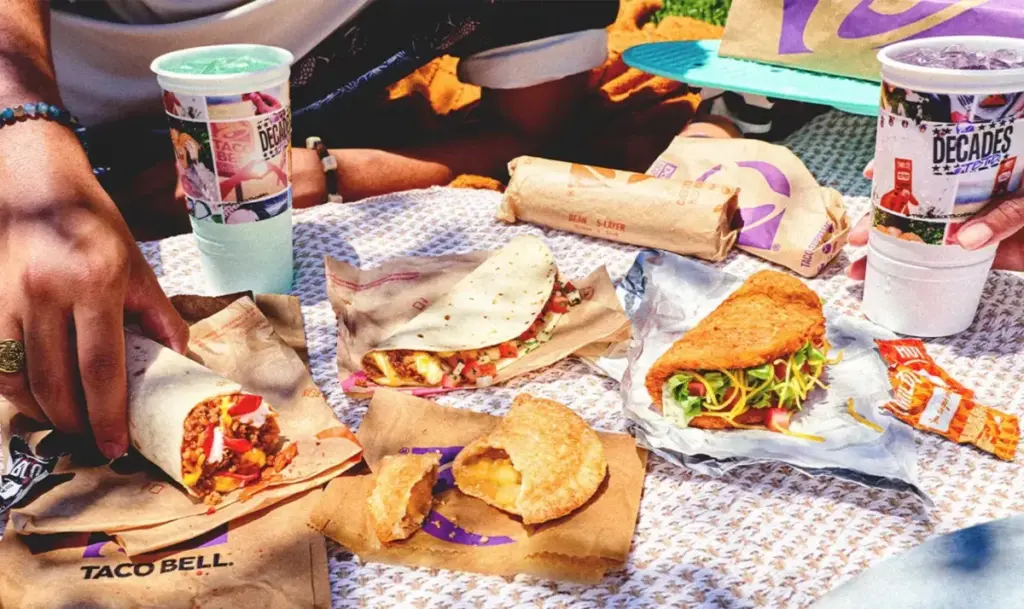
Intriguingly, the platform’s public rollout is not being bankrolled by traditional, invasive digital ads or venture-capital burn-rates driven by aggressive user-acquisition targets. Instead, Divine has secured a major partnership with fast-food giant Taco Bell, which is utilizing the app to promote its nostalgic "Decades" menu featuring items from 2016—the exact year Vine met its demise. This convergence of retro internet culture, decentralized technology, and organic brand integration raises a compelling question: Can Divine succeed where its predecessor failed, turning nostalgic longing into a sustainable, creator-first economic model?
Detailed Chronology: From Vine’s Demise to Divine’s Debut
To understand the cultural weight of Divine’s arrival, one must look back at the trajectory of the medium it seeks to resurrect. Launched in June 2012 and acquired by Twitter before it even officially debuted, Vine revolutionized digital media by imposing a rigid constraint: videos could be no longer than six seconds, and they had to loop endlessly. This limitation birthed a distinct brand of comedy, surrealism, and micro-storytelling, turning ordinary internet users into global celebrities and establishing a cultural touchstone that still echoes across TikTok, YouTube Shorts, and Instagram Reels.
However, Vine’s creators famously struggled to monetize their output, and Twitter—grappling with its own financial and strategic hurdles—opted to pull the plug in October 2016. Over the subsequent decade, numerous attempts were made to recapture lightning in a bottle. Platforms like Byte emerged, aiming to fill the six-second void, but none managed to permanently recreate the unique community spirit of the original Vine ecosystem.
Divine’s path to the public eye began quietly earlier this year. Eschewing the typical Silicon Valley playbook of massive public relations blitzes and hyper-funded user acquisition campaigns, Divine entered the market through an invite-only phase. Guided by Co-Founder and CEO Evan Henshaw-Plath—widely known by his pseudonym Rabble—and bolstered by a roster of Twitter veterans, the platform prioritized community-building over metrics.
During its incubation period, Divine cultivated an organic, human-centric culture rather than focusing on traffic milestones or revenue generation. Creative endeavors like the "Late Night Insomniacs Club" became focal points of the platform, demonstrating that users were eager to create purely for the joy of sharing rather than the validation of an algorithmic scoreboard.
With its public launch officially opening the gates, Divine is no longer just a digital time capsule. It is an active ecosystem testing whether the internet is ready to return to a simpler, more intentional era of content creation.
Supporting Context & Metrics: The Architecture of an Anti-Algorithm App
To fully grasp what makes Divine different, one must examine its foundational mechanics. Modern social media platforms rely heavily on black-box recommendation engines. Algorithms on TikTok, Instagram, and YouTube constantly analyze watch time, retention rates, and engagement loops to serve content designed to maximize ad impressions. While effective for corporate metrics, this system often leaves creators feeling burnt out, creatively restricted, and trapped in a race to guess what the algorithm favors next.
Divine approaches content delivery from an entirely opposite direction. Built on a decentralized, open protocol—a philosophical hallmark of Jack Dorsey’s recent post-Twitter ventures, including Bluesky—Divine rejects the traditional "walled garden" architecture. In a walled garden, a single corporation controls user identities, data, and access. Open protocols, by contrast, give users portable identities and absolute ownership over their content.
Furthermore, Divine’s strict anti-AI policy sets a distinct boundary in a digital landscape currently oversaturated with synthetic text, deepfakes, and automated video generation. By ensuring that every loop, gag, and artistic expression on the platform is authentically human, Divine reclaims the original ethos of social media: peer-to-peer connection unmediated by algorithmic manipulation.
However, this architecture introduces a classic economic dilemma: How does a platform sustain itself and its creators without relying on the intrusive, data-harvesting ad models that fund traditional tech giants? Divine’s answer lies not in changing how users experience content, but in redefining how brands participate in digital communities.
Official Statements: Visionaries on the Future of the Social Internet
The philosophy driving Divine has been articulated clearly by its leadership and backers, who view the platform as a corrective measure for a broken social media landscape.
Evan "Rabble" Henshaw-Plath, Co-Founder and CEO of Divine, emphasized the psychological shift the platform provides for creators:
"By stripping away the pressure to create content that gets picked up by an ad algorithm, we’ve uncovered what it is that people actually want to create. That’s the magic of Divine. People are making loops fueled by an original idea and their desire to share with others, not because a recommendation engine is making them guess what will perform. We are starting a movement to make social media feel creative, joyful and human again."
Jack Dorsey, addressing the broader technological implications of the platform’s underlying infrastructure, noted the importance of user sovereignty:
"Open protocols give people greater control over their identity and content instead of locking them into a single platform. That foundation matters if we want a more open social internet and a future where creators have real ownership over what they build."
These statements underscore a shared ambition: Divine is not merely trying to build a viral video app; it is attempting to construct a viable alternative framework for how human beings interact, create, and share online.
Brand Integration & Monetization: The Taco Bell Blueprint
The commercial viability of a platform that rejects traditional ad-serving mechanisms has long been the primary obstacle for decentralized, privacy-focused networks. Divine’s solution is an innovative approach to brand partnerships, best exemplified by its partnership with its very first official brand partner: Taco Bell.
To promote its new "Decades" menu—which proudly brings back fan-favorite, discontinued menu items from the year 2016—Taco Bell turned to the spiritual successor of the era’s definitive video platform. Users utilizing the exclusive code TACO-BELL gained early access to Divine ahead of its public rollout, bridging a promotional bridge between fast-food nostalgia and micro-video culture.
This collaboration serves as a case study for how brands can navigate communities that actively reject traditional advertising. Rather than forcing interruptive preroll ads or sponsored interruptions into user feeds, Divine’s official launch materials advise brands to "contribute creatively to the communities they enter."
This strategy arrives at a time when creator marketing is undergoing a massive paradigm shift. Competitors across the fast-food and retail sectors—such as Chipotle’s creator-inspired digital menu orders and Taco John’s collaborative YouTuber activations—are increasingly seeking organic spaces to connect with consumers. Divine provides an environment where these activations feel native, community-driven, and devoid of the corporate gloss that typically alienates modern digital audiences.
Future Outlook: Can Divine Reshape the Social Web?
As Divine opens its doors to the public, it faces a complex landscape. On one hand, the appetite for nostalgia, authenticity, and human-scaled digital spaces has never been higher. Users across demographics are growing increasingly fatigued by hyper-optimized feeds, endless AI-generated content, and platforms that treat human attention merely as a commodity to be monetized.
On the other hand, maintaining a decentralized, ad-free, anti-AI platform while achieving long-term sustainability is a monumental challenge. Divine must prove that its innovative approach to brand partnerships can generate enough economic momentum to support its infrastructure and satisfy its community of creators over the long haul. Furthermore, it must scale its user base without diluting the intimate, experimental culture that defined its invite-only phase.
If Divine succeeds, it could serve as a blueprint for a new generation of social networks—platforms that prioritize human joy over engagement metrics, ownership over platform lock-in, and genuine creativity over algorithmic conformity. For those eager to witness this experiment firsthand, the platform is now live, inviting the digital world to step back into the loop and discover what the internet looks like when it remembers how to play.