Executive Overview
Netflix has officially rounded out key elements of its ensemble cast for the highly anticipated third season of its live-action adaptation of One Piece. Subtitled One Piece: The Battle of Alabasta, the upcoming season promises to plunge the Straw Hat Pirates directly into one of the most beloved and politically complex story arcs from Eiichiro Oda’s legendary manga.
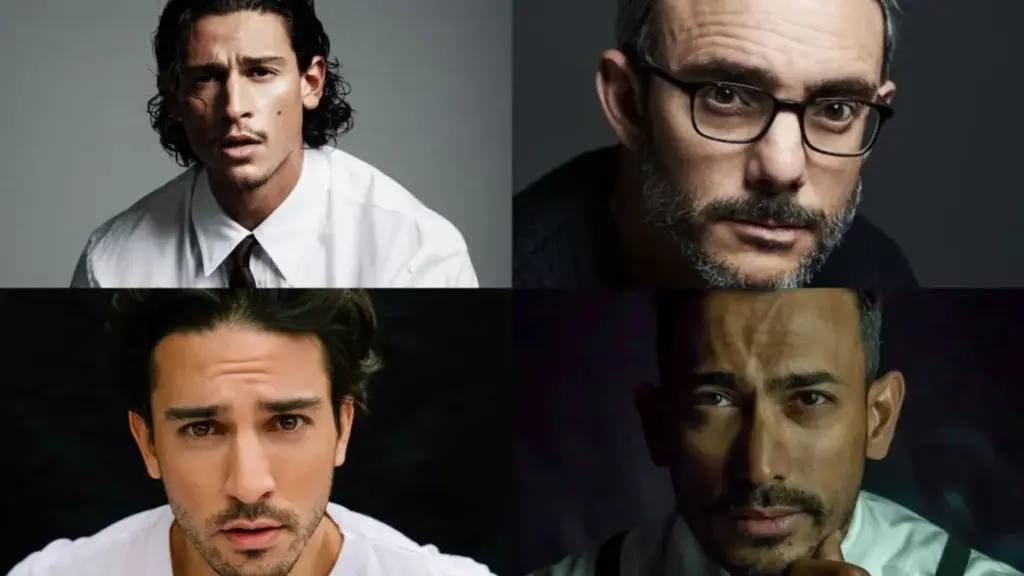
The streaming platform has confirmed four new casting additions to bring critical figures from the desert kingdom of Alabasta to life: Emilio Sakraya (Rheingold) as Koza, Omid Abtahi (The Mandalorian) as Toto, Jamie Ward (The Gentlemen) as Pell, and Nabeel Khan (Mandela: Long Walk to Freedom) as Chaka.
These actors join a sprawling, star-studded roster for Season 3, which has already wrapped production in Cape Town, South Africa. Returning core cast members include Iñaki Godoy as Monkey D. Luffy, Mackenyu as Roronoa Zoro, Emily Rudd as Nami, Jacob Romero as Usopp, and Taz Skylar as Sanji. They are joined by previously announced season newcomers such as Charithra Chandran as Miss Wednesday (Princess Vivi), Joe Manganiello as Mr. 0 (Sir Crocodile), Lera Abova as Miss All Sunday (Nico Robin), Xolo Maridueña as Portgas D. Ace, and Cole Escola as Mr. 2 Bon Clay.
Helmed by co-showrunners, writers, and executive producers Joe Tracz and Ian Stokes, One Piece: The Battle of Alabasta represents a massive narrative and logistical leap forward for the series. Following the momentum of its predecessors, the production continues to operate under the watchful eye of original creator Eiichiro Oda, ensuring that the sprawling world-building remains faithful to the source material while continuing to captivate global audiences.
Detailed Chronology: Charting the Expansion of the Alabasta Saga
The journey toward the live-action adaptation of the Alabasta arc has been meticulously planned by Netflix and Tomorrow Studios. To understand the gravity of these latest casting announcements, it is essential to trace the chronological rollout of information regarding Season 3 and how the production has scaled up to handle one of the most intricate storylines in modern fantasy television.
Laying the Groundwork: From East Blue to the Grand Line
When Netflix premiered the live-action One Piece in late 2023, it defied a long-standing curse of poorly received anime-to-live-action adaptations. By striking a delicate balance between campy manga aesthetics and grounded emotional stakes, the series won over both hardcore fans (known as One Piece enthusiasts or "Nakama") and uninitiated viewers alike. Following the swift renewal for a second season—which mapped out the path toward the Grand Line—the creative team immediately began laying structural groundwork for the inevitable clash in Alabasta.
By mapping the narrative arc across multiple seasons, Netflix signaled its confidence in the property’s long-term viability. The introduction of Princess Vivi (Charithra Chandran) and her secret identity as Miss Wednesday acts as the primary narrative bridge into Season 3.
The Recruitment of the Alabasta Resistance and Royalty
The latest casting wave focuses heavily on the internal strife of Alabasta—a nation teetering on the brink of civil war due to the clandestine manipulations of the criminal syndicate Baroque Works.
- Emilio Sakraya as Koza: As the leader of the Alubarna rebel faction, Koza’s childhood friendship with Princess Vivi serves as a tragic emotional fulcrum for the conflict. Sakraya, known for his dynamic physical performances in projects like Rheingold, brings the gravitas necessary to portray a revolutionary driven by righteous fury yet manipulated by invisible forces.
- Omid Abtahi as Toto: A familiar face to sci-fi and fantasy audiences thanks to his memorable turns in The Mandalorian and American Gods, Abtahi steps into the role of Toto. Toto is an elder of Yuba, the desert town that continuously fights a losing battle against encroaching sandstorms. His dedication to finding a water source anchors the human toll of the political crisis.
- Jamie Ward as Pell and Nabeel Khan as Chaka: Known respectively for The Gentlemen and Mandela: Long Walk to Freedom, Ward and Khan portray the Guardian Falcons and Jackals of the Alabasta royal guard. Pell ("The Spotless Falcon") and Chaka ("The Jackal Guard") possess Devil Fruit powers that allow them to transform into mythical zoan hybrid beasts, presenting immense physical and visual challenges for the series’ visual effects and stunt departments.
Production Milestones in Cape Town
Principal photography for One Piece Season 3 has officially wrapped at Cape Town Film Studios in South Africa. Utilizing massive practical sets that simulate the sun-scorched dunes, ancient ruins, and sprawling port cities of Alabasta, the production has relied heavily on advanced LED volume stages and location shooting to recreate the distinct geography of Oda’s world. The completion of filming marks the transition into an extensive post-production phase, where the myriad Devil Fruit transformations—including Pell’s falcon flight and the sand-manipulating powers of Sir Crocodile—will be brought to life.
Supporting Context & Metrics: The Scale of the Enterprise
To fully appreciate the magnitude of One Piece Season 3, one must look at the quantitative data and industrial context surrounding Netflix’s crown-jewel fantasy franchise.
Budgetary and Logistical Footprint
Producing an adventure series of this scale requires an astronomical financial commitment. While exact per-episode budgets for Season 3 have not been publicly disclosed, industry insiders estimate that One Piece ranks alongside marquee properties like Stranger Things and The Witcher in terms of per-episode expenditure. The cost is driven by several compounding factors:
- Complex Prosthetics and Creature Design: Characters like Tony Tony Chopper (voiced/portrayed via CGI and physical performance elements by Mikaela Hoover) require cutting-edge digital integration.
- Action Choreography: The introduction of heavy-hitting combatants like Joe Manganiello’s Sir Crocodile, Xolo Maridueña’s Portgas D. Ace, and the sprawling martial arts displays of the Straw Hat crew demand months of pre-visualization and stunt training.
- World-Building Diversity: Moving from the oceanic expanses of the early seasons to the arid, desert environment of Alabasta necessitated completely new set constructions, wardrobe departments, and environmental visual effects pipelines.
Fan Engagement and Cultural Impact
The adaptation’s success is not merely measured in views, but in global cultural penetration. Upon its initial release, the series charted at No. 1 in 84 countries simultaneously, breaking records previously held by Stranger Things and Wednesday.
| Metric Category | Estimated/Reported Figures |
|---|---|
| Global Reach | Top 10 in over 90 countries worldwide during premiere windows |
| Production Hub | Cape Town Film Studios, South Africa |
| Source Material | One Piece manga by Eiichiro Oda (Best-selling manga series in history with over 516 million copies in circulation) |
| Key Creative Partners | Tomorrow Studios, Shueisha, Netflix |
The inclusion of diverse, globally recognized talent—ranging from German-Moroccan actor Emilio Sakraya to Iranian-American actor Omid Abtahi—highlights Netflix’s ongoing strategy to cast internationally, mirroring the multicultural makeup of the Straw Hat crew and the global appeal of the source material.
Official Statements and Creative Insights
The transition from a 2D page to live-action television requires a delicate diplomacy between modern screenwriting conventions and the sacred iconography of a multi-decade manga property.
The Showrunners’ Vision
Co-showrunners Joe Tracz and Ian Stokes have inherited a massive responsibility in steering the ship for Season 3. Speaking on the thematic weight of the Alabasta arc, the creative team emphasized the emotional core of the narrative:
"Following the events of the show’s sophomore season, war is brewing for Monkey D. Luffy and the Straw Hat gang in Alabasta, Princess Vivi’s homeland," the official production notes state. "In a season defined by unbreakable bonds and impossible choices, the Straw Hats must face a brewing civil war and a powerful warlord to save Vivi’s kingdom before it crumbles into the sand."
By focusing on the "impossible choices" faced by Luffy and his crew, the showrunners aim to elevate the material beyond a standard action-adventure, leaning into the political intrigue and emotional heartbreak that made the Alabasta arc a watershed moment in the original manga.
Eiichiro Oda’s Oversight
Crucial to the adaptation’s survival and success is the continuous, active involvement of creator Eiichiro Oda. Serving as an executive producer alongside Marty Adelstein and Becky Clements through Tomorrow Studios, Oda retains ultimate veto power over character designs, script directions, and structural changes.
In past statements regarding the live-action adaptation, Oda stressed that compromises were inevitable, but his uncompromising stance on casting and emotional fidelity has reassured fans. The addition of characters like Koza, Toto, Pell, and Chaka demonstrates that the production is not trimming the narrative fat; rather, it is embracing the sprawling ensemble that gives Alabasta its geopolitical and emotional depth.
Future Outlook: What Lies Beyond the Sands of Alabasta?
As post-production ramps up in Cape Town, speculation within the fandom is already turning toward the horizon. The Alabasta arc represents a major narrative threshold in the One Piece mythos. Historically, it marks the end of the "Saga of the Sea of Survival: Super newcomers!" and transitions the narrative into grander, more philosophical territories of the Grand Line.
Anticipated Release Windows and Marketing Rollouts
While Netflix has not yet announced an official premiere date for One Piece Season 3, industry analysts project a late 2025 or early 2026 debut, given the intensive post-production and visual effects requirements needed to render sand manipulation, mythical zoan transformations, and large-scale desert warfare.
Marketing campaigns are expected to ramp up in the coming months with first-look imagery of the newly cast Alabasta residents—specifically offering fans their initial glimpse of Emilio Sakraya’s Koza in rebel armor and Omid Abtahi’s weather-beaten Toto.
The Long-Term Viability of the Franchise
Netflix’s willingness to commit resources to a third season—and potentially beyond—signals a paradigm shift in how long-form anime adaptations are handled in Western media. Historically plagued by one-and-done cinematic failures, One Piece has proven that serialized, high-budget television is the ideal medium to honor the sprawling, episodic nature of epic manga.
As the Straw Hat Pirates prepare to step off their ships and onto the burning sands of Alabasta, the stakes have never been higher. With a robust cast blending rising international stars and seasoned veterans, Netflix’s One Piece is poised to deliver a sophomore-and-junior run that could cement its legacy as one of the defining fantasy television achievements of the decade.