Executive Overview
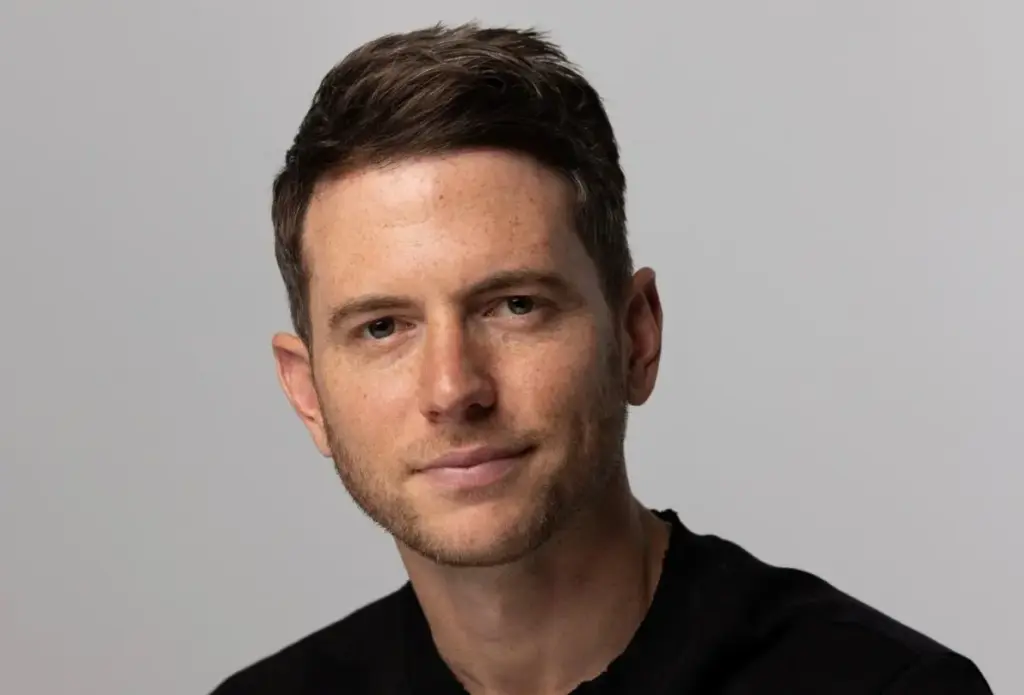
In a strategic move signaling a profound cultural and operational pivot, the PGA Tour has named Tyler Rutstein—a seasoned marketing veteran with deep-rooted experience across major athletic apparel giants and youth-centric sports disruptors—as its new Chief Marketing Officer. Effective October 5, Rutstein steps into the executive suite at a critical juncture for professional golf. He arrives under the leadership of newly appointed CEO Brian Rolapp, himself a high-profile import from the upper echelons of the National Football League (NFL).
Rolapp and Rutstein form a dynamic tandem tasked with an ambitious mandate: to modernize, revitalize, and future-proof one of the most traditional properties in global sports. For decades, the PGA Tour has traded on its historic prestige, immaculate courses, and the legendary status of its champions. However, the modern media landscape demands much more than passive viewership. With changing consumer habits, the fragmented attention spans of younger demographics, and the disruptive competitive pressures of alternative golf ventures, the Tour is being forced to evolve rapidly.
Rutstein’s appointment is not merely a routine executive hire; it is a clear declaration of intent. Having previously steered global brand strategies for high-profile institutions like Under Armour and Adidas, while also cutting his teeth in the hyper-modern, digital-native ecosystem of the alternative Overtime sports leagues, Rutstein brings a hybrid playbook. He understands how to merge heritage with streetwear culture, social commerce, and influencer-driven storytelling. As the PGA Tour prepares to roll out structural changes—including the newly conceptualized PGA Tour Championship Series and the developmental PGA Tour Challenger Series—Rutstein’s marketing apparatus will serve as the engine driving fan acquisition, brand relevance, and commercial growth.
Detailed Chronology and Executive Background
To understand the weight of Tyler Rutstein’s new role, one must trace the trajectory of his career across the intersection of sports, retail, and digital media. Rutstein’s professional DNA is forged in high-stakes environments where brand narrative must seamlessly translate into digital commerce, cultural relevance, and community engagement.
Before accepting the CMO position at the PGA Tour, Rutstein served as the Senior Vice President of Global Brand and Americas Marketing at Under Armour. During his tenure at the Baltimore-headquartered apparel giant, Rutstein was entrusted with supervising some of the most critical levers of the company’s global footprint. His responsibilities spanned global brand management, creative direction, and the entirety of the marketing organization serving the complex Americas operational theater. Furthermore, he oversaw the brand’s social and shoppable commerce strategy, sports marketing investments, marketing operations, and the increasingly vital sectors of entertainment and influencer marketing. Under his watch, Under Armour navigated a volatile retail landscape by leaning heavily into digital-first activations and cultural partnerships, sharpening its edge in a hyper-competitive marketplace dominated by Nike and Adidas.
Before his stint at Under Armour, Rutstein ventured into the vanguard of youth sports entertainment by taking on the roles of Chief Brand Officer and Vice President of Commerce at Overtime. Operating at the bleeding edge of sports culture, Overtime has captured the imagination of Gen Z audiences through high-energy basketball and football leagues tailored for the digital age, distributed via TikTok, YouTube, and specialized apps. At Overtime, Rutstein was instrumental in scaling the company’s burgeoning apparel business while simultaneously shaping comprehensive brand strategies across its various startup leagues. This experience proved invaluable in teaching him how to build a sports brand from the ground up, utilizing digital native communities, viral video moments, and direct-to-consumer commerce as foundational pillars rather than secondary marketing thoughts.
Rutstein’s foundational corporate grounding, however, was forged during a nearly decade-long tenure at Adidas. During his years with the Three Stripes, he held progressive leadership positions overseeing global and U.S. marketing, merchandising, and high-profile collaboration strategies. In an era where sneaker culture and sports apparel fused with high fashion and street style, Rutstein helped architect marketing campaigns tied to major global franchises, significant cultural moments, and key city growth initiatives. His ability to navigate legacy corporate structures while simultaneously unlocking modern cultural currency makes him uniquely equipped to handle the institutional weight of the PGA Tour while injecting it with contemporary consumer appeal.
Supporting Context & Metrics: The Rolapp-Led Modernization Strategy
Rutstein does not step into a vacuum; he arrives as part of a carefully orchestrated leadership overhaul designed by CEO Brian Rolapp. Rolapp, who earned industry-wide acclaim during his tenure as a senior executive at the NFL—where he played a pivotal role in shaping media rights deals, digital strategy, and fan engagement frameworks—was brought in to drag the PGA Tour into the twenty-first century.
For years, the PGA Tour operated under a traditional model: elite athletes playing 72-hole stroke-play tournaments broadcast primarily via linear television on weekends, supplemented by standard corporate sponsorships. While this model built an immensely valuable brand, it struggled to capture the imaginations of younger, digitally native sports fans who consume content in short bursts, demand behind-the-scenes access, and expect athletes to have distinct, accessible personalities.
To combat this, Rolapp has championed a sweeping structural redesign of the Tour’s competitive architecture. Central to this vision is the establishment of a two-tiered system designed to maximize both elite drama and competitive pathways. The strategy hinges on two distinct tracks:
- The PGA Tour Championship Series: Positioned as the premier track, this circuit will showcase the absolute pinnacle of men’s professional golf, featuring the world’s best players competing in high-stakes, highly produced events designed for maximum television and streaming impact.
- The PGA Tour Challenger Series: Conceived as a dynamic, developmental pipeline, this circuit offers emerging players a clear, merit-based mechanism to ascend to the higher level of competition, injecting the lower tiers with the dramatic narrative of promotion, relegation, and high-stakes survival.
This structural evolution mirrors the successful promotion-and-relegation systems found in European soccer or the developmental pipelines of American stick-and-ball sports. However, redesigning the tournament schedule is only half the battle. Without a modernized marketing apparatus to package these narratives, build emotional connections with younger demographics, and translate competitive drama into digital engagement, even the most innovative tournament structures risk falling flat.
This is where Rutstein enters the equation. His mandate is to translate Rolapp’s structural blueprint into a compelling consumer narrative. By leveraging his expertise in social commerce, influencer marketing, and digital-first brand architecture, Rutstein is expected to transform how golf is packaged, marketed, and consumed. Whether through short-form video content that highlights the athleticism and personalities of modern golfers, shoppable merchandise drops tied to specific tournaments, or global brand campaigns that position the PGA Tour as a cutting-edge lifestyle property, Rutstein’s marketing strategy will be the critical bridge between the Tour’s operational restructuring and public perception.
Official Statements and Industry Reception
The announcement of Rutstein’s appointment has generated considerable optimism within the sports marketing and golf industries, signaling that the Tour is serious about shedding its conservative image.
In a prepared statement that accompanied the official announcement, Rutstein laid out his high-level vision for the organization, emphasizing the unique blend of historic prestige and modern cultural relevance that drew him to the post:
“The PGA Tour is one of the most iconic brands in sports, and this is a tremendous opportunity to help shape how the Tour connects with fans in new and more meaningful ways. I’m excited to lead this team as we build a modern marketing approach that strengthens the Tour brand, drives deeper engagement and brings new audiences closer to the game.”
Industry analysts have been quick to point out that Rutstein’s background positions him to address one of the PGA Tour’s most persistent historical shortcomings: the ability to market individual players as global lifestyle icons akin to stars in the NBA, NFL, or European soccer leagues. While golf has never lacked for generational talents, the sport has historically relied on the inherent drama of the game itself rather than proactive, character-driven marketing to drive fan acquisition.
By bringing in an executive who spent years managing high-heat sneaker collaborations at Adidas and building digital-native sports communities at Overtime, the PGA Tour is signaling that it wants to tap into youth culture, fashion, and digital ecosystems. Stakeholders within the golf industry view Rutstein as a modernizer who can respect the deep traditions of the sport while introducing the aggressive, culturally fluent marketing tactics required to thrive in an era where sports compete directly with gaming, streaming entertainment, and social media for consumer attention.
Future Outlook: Challenges and Opportunities on the Horizon
As Tyler Rutstein prepares to assume his duties on October 5, he faces a complex landscape filled with both unprecedented opportunities and formidable structural challenges.
1. Navigating a Fragmented Media Landscape
The traditional television broadcast model is undergoing a seismic shift. While linear television remains a vital revenue driver, younger audiences increasingly consume sports via streaming platforms, YouTube recaps, TikTok clips, and social media commentary. Rutstein’s experience with digital-first content creation at Overtime will be vital in crafting a content ecosystem that meets fans where they are, transforming passive television viewers into active, engaged digital community members.
2. Amplifying Player Personalities and Shoppable Commerce
One of the most promising avenues for growth lies in the intersection of sports marketing, apparel, and direct-to-consumer commerce. Drawing from his extensive background at Under Armour and Adidas, Rutstein has the expertise to turn PGA Tour players into lifestyle trendsetters. By integrating shoppable commerce strategies directly into tournament broadcasts, digital apps, and social media channels, the Tour can unlock lucrative new revenue streams while deepening the connection between fans and their favorite athletes.
3. Supporting the Rolapp Structural Overhaul
Rutstein’s marketing strategies must work in lockstep with CEO Brian Rolapp’s competitive restructuring. Effectively communicating the distinct identities of the PGA Tour Championship Series and the PGA Tour Challenger Series will require clear, multi-layered storytelling. Fans must understand not only who is playing, but why the stakes matter—whether it is a battle for the ultimate championship crown or a gritty fight for survival and promotion in the developmental ranks.
4. Overcoming Institutional Inertia
Perhaps the most delicate challenge Rutstein faces is cultural. The PGA Tour is an institution with deep historical roots, conservative traditions, and a membership base comprising independent contractors (the players) who hold significant sway over the direction of the sport. Balancing the need for radical modernization with the preservation of golf’s historic dignity will require immense diplomatic skill, strategic patience, and clear, undeniable results.
Conclusion
Tyler Rutstein’s arrival as Chief Marketing Officer marks the beginning of a fascinating new chapter for the PGA Tour. Armed with a modern playbook forged in the boardrooms of athletic apparel giants and the digital trenches of alternative sports leagues, Rutstein possesses the exact skill set needed to help execute Brian Rolapp’s visionary modernization plan. As October 5 approaches, the sports world will be watching closely to see how this new leadership team resets the fairway, reimagines the fan experience, and drives the historic PGA Tour into a bold, digitally fluent future.