The 78th Primetime Emmy Awards, held on September 14, 2026, at the Peacock Theater in Los Angeles, delivered a night of soaring emotional highs, historic wins, and poignant tributes. Broadcast live to millions, the ceremony featured unforgettable highlights: a tear-jerking speech by Michael J. Fox, a historic win for Widow’s Bay star Matthew Rhys, and a deeply moving In Memoriam segment soundtracked by singer-songwriter Noah Kahan’s evocative rendition of Paul Simon’s "Bridge Over Troubled Water."
Yet, within minutes of the telecast’s conclusion, the celebratory atmosphere on social media curdled into frustration, bewilderment, and outright anger. As is customary for major Hollywood award shows, the Academy of Television Arts and Sciences faced immediate backlash over a series of glaring omissions from the televised In Memoriam roll call. Chief among the missing names were Nicholas Brendon, beloved by millions as Xander Harris in the culture-defining cult classic Buffy the Vampire Slayer, and Chuck Norris, the legendary martial artist and star of the CBS titan Walker, Texas Ranger.
The exclusion of Brendon stung all the more acutely because the telecast featured a special Buffy the Vampire Slayer mini-reunion, with original stars Sarah Michelle Gellar and David Boreanaz taking the stage together to present an award. Their thinly veiled, emotional nods to their late cast and crew members threw Brendon’s absence from the video montage into sharp relief. Meanwhile, the omission of Norris—who anchored a ratings juggernaut for nearly a decade—sparked fierce online debates regarding whether creative oversight, time constraints, or political bias played a role in the Academy’s editorial choices.
While the Academy’s extended online database includes these late luminaries, the oversight during the live, ten-minute broadcast underscores an ongoing, systemic friction between broadcast producers and a hyper-vigilant viewing public. This report provides an authoritative breakdown of the controversy, examining the structural limitations of award shows, the specific figures left off the air, the emotional context provided by presenters, and the broader implications for how television history preserves its legacy.
Detailed Chronology: Tributes, Surprises, and the Immediate Backlash
The Highs of the 78th Primetime Emmy Awards
The evening opened with high expectations, and the production team delivered several universally praised moments of reverence. The In Memoriam segment itself was among the most ambitious in recent memory, spanning over ten minutes of broadcast time. It opened with a deeply personal tribute to the late, great comedy icon Catherine O’Hara, who passed away on January 30, 2026, at the age of 71 following a pulmonary embolism and a private battle with cancer. O’Hara’s on-screen children—Macaulay Culkin, Dan Levy, and Annie Murphy—delivered a touching, humorous, and tearful homage. Culkin, reprising his filial dynamic from the Home Alone franchise, wryly reminded viewers, "She may have forgotten me… twice. But we will always remember her."
Later in the segment, actress Jamie Lee Curtis broke down in tears while honoring her late friend and collaborator, visionary director Rob Reiner. Reiner, 78, and his wife, Michele Singer Reiner, 70, were tragically found dead from apparent stab wounds in their Los Angeles home the previous December. Curtis remembered Reiner as "generous, kind, and funny as hell," drawing a profound emotional response from the audience in the theater and viewers at home.
The roll call also rightfully honored a vast array of industry legends who passed away in the preceding months, including Dolly Parton, Hayden Panettiere, James Van Der Beek, and Eric Dane, the latter of whom tragically died in February 2026 at age 53 following a brave, publicly documented battle with ALS.
The Omissions and the Buffy Reunion Paradox
As the names scrolled on screen and the camera panned across grieving audience members, eagle-eyed viewers immediately began cataloging those left off the broadcast. The most glaring discrepancy involved Nicholas Brendon. Brendon, who played the witty, grounded everyday hero Xander Harris across all seven seasons of Buffy the Vampire Slayer, died in May 2026 at the age of 54 due to complications related to cardiovascular disease.
The sting of Brendon’s exclusion was amplified by the inclusion of a scheduled Buffy reunion. Series leads Sarah Michelle Gellar and David Boreanaz took to the stage to present an award. Rather than ignoring the elephant in the room, Gellar directly addressed the losses sustained by the show’s extended family, telling the audience:
"Before we move on to the award, David and I would like to acknowledge that it has been a tough two years for our beloved cast and crew. We feel very lucky to have known and worked with such amazing people."
Boreanaz offered a solemn, echoing "Indeed."
While the speech implicitly honored Brendon—as well as late co-stars Michelle Trachtenberg and Anthony Head—the failure to grant Brendon a visual nod in the official In Memoriam montage baffled fans. Social media platforms erupted almost instantly. On X (formerly Twitter), user Richard Newby posted: "Having a Buffy reunion on stage and then leaving out Nicholas Brendon is crazy work." Other users, such as John Singleton, acknowledged Brendon’s well-publicized personal struggles and substance abuse issues in the years leading up to his death, but argued that his cultural footprint outweighed off-screen challenges: *"Didn’t include Nicholas Brendon in memoriam. I’m aware he had demons. But that’s still f**ed up."
The Disappearance of Chuck Norris
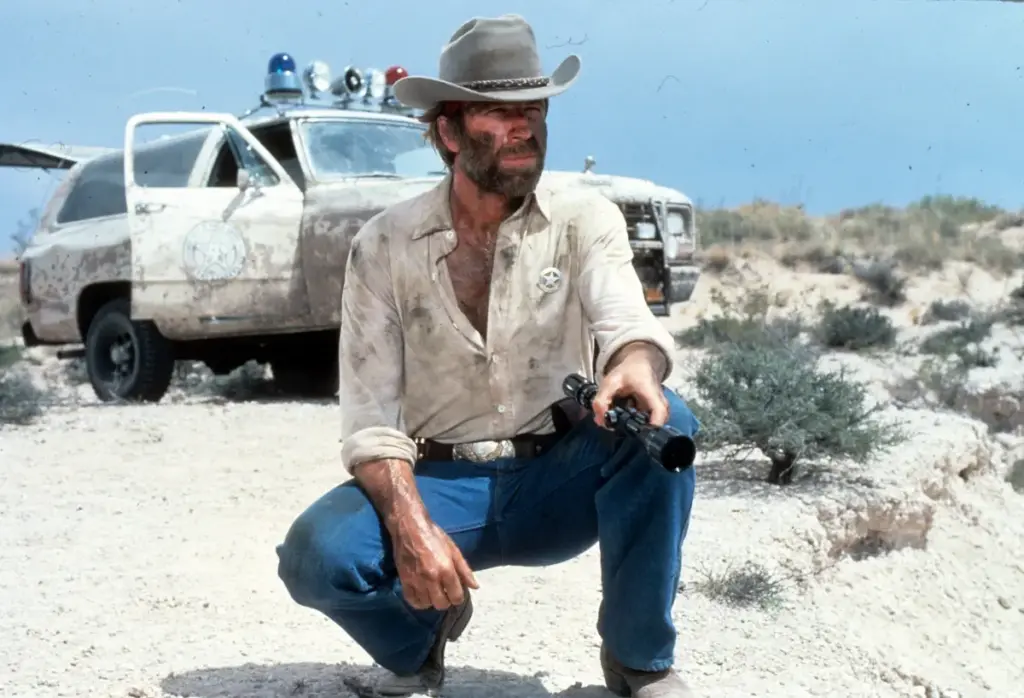
Equally controversial was the absence of Chuck Norris. Norris, a global icon of action cinema and television, passed away in March 2026 at the age of 86. For eight seasons and 196 episodes, Norris anchored Walker, Texas Ranger, a series that served as a foundational pillar for CBS’s primetime lineup during the 1990s.
Fans took to digital forums to express their disbelief. David Hines wrote on X: "I loved Nick Brendon more, but, man, excluding Norris, who delivered the meat and potatoes that kept lights on at CBS for eight years and 196 episodes, is some real disrespect." Another user, Jason K., questioned: "How the hell do you omit Chuck frickin Norris!? He literally led his own 9-season show."
While many attributed the omission to simple time constraints, others speculated on potential ideological factors. Norris was a vocal conservative and a prominent supporter of Donald Trump, having publicly endorsed him during the 2016 presidential election. Though no evidence suggests political bias influenced the Academy’s editorial board, the omission fueled rampant speculation across political and entertainment circles.
Beyond Brendon and Norris, fans also noted the absence of other recognizable television mainstays, including Charmed and Days of Our Lives actor Patrick Muldoon, Donnie Darko star Daveigh Chase, legendary voice actor Peter Cullen, character actress Jaye P. Morgan, and veteran voice director Tom Kane.
Supporting Context & Metrics: The Mechanics of the Emmy In Memoriam
To understand why figures of the stature of Nicholas Brendon and Chuck Norris fail to make the cut during a live broadcast, one must examine the logistics and hard metrics governing major television awards shows.
Time Constraints and Broadcast Realities
The Primetime Emmy Awards are bound by strict contractual windows with their host networks (in this case, NBC). A standard three-hour broadcast must accommodate dozens of competitive category presentations, commercial breaks, host monologues, acceptance speeches, and artistic interludes.
The Ten-Minute Limit: In recent years, the Academy has expanded the In Memoriam segment to occupy upwards of 10 minutes—a massive allocation of live television real estate. Despite this, hundreds of individuals working in front of and behind the camera pass away annually.
The Triage Process: Producers of the Emmys, Producers Guild of America (PGA) representatives, and Academy governors engage in a rigorous triage process. Decisions are ostensibly based on a sliding scale of industry impact, major guild memberships, recency of death, and primary medium (television versus film).
The Digital Redoubt: The Academy’s Online Database
Recognizing that a ten-minute broadcast can never fully encapsulate the vast community of television professionals who pass away each year, the Academy of Television Arts and Sciences maintains an extensive, rolling digital In Memoriam archive on its official website.
Following the conclusion of the 78th ceremony, representatives for the Academy directed inquiring journalists and aggrieved fans to this online registry. The digital archive explicitly includes both Nicholas Brendon and Chuck Norris, ensuring their contributions are documented in the permanent historical record of the institution. However, for millions of viewers who consume the awards exclusively through the television broadcast, an online footnote offers little consolation for a live snub.
Official Statements and Industry Response
As of publication, the Academy of Television Arts and Sciences has not issued a detailed, individualized public statement explaining the specific editorial omissions of the 78th telecast, though Metro and other major entertainment outlets have formally contacted the organization for comment.
Historically, producers of the Emmys, Oscars, and Grammys defend these choices by pointing to the insurmountable math of mortality in the entertainment industry. A producer from a previous Emmy telecast, speaking on the condition of anonymity, explained the grim reality of the process:
"You are forced to make heartbreaking choices every single year. You have icons who defined decades of television alongside foundational crew members, grips, makeup artists, and writers. When you have to cut the list down to fit a musical arrangement and a strict network run time, people who deserve to be honored will inevitably fall below the line. It is never malicious; it is purely a logistical nightmare."
Nevertheless, industry analysts note that the presence of a live Buffy reunion made the exclusion of Brendon an exceptional public relations miscalculation. By putting Gellar and Boreanaz on stage to speak broadly about lost colleagues, the production team inadvertently primed the audience to look for Brendon’s face in the subsequent montage. When he failed to appear, the oversight transformed from a standard broadcast omission into a glaring talking point.
Future Outlook: Reforming the Tributes
The persistent backlash over In Memoriam snubs at major award shows is not a new phenomenon, but it is an intensifying one. In the era of social media, fan communities are hyper-organized and quick to mobilize when perceived slights occur against cult figures and beloved character actors.
This ongoing friction suggests that television academies may need to rethink how they structure memorial tributes in the years to come. Potential reforms suggested by media critics include:
Hybrid Broadcast-Digital Integrations: Utilizing QR codes or expanded digital tickers during the live broadcast that direct viewers instantly to a comprehensive, scrolling visual database of every industry member lost that year.
Genre-Specific Roll Calls: Delegating minor television categories or specialized craft categories to digital pre-shows where more expansive memorial packages can be aired without strict network time caps.
Transparent Criteria: Publishing clear, objective guidelines regarding how the Academy selects individuals for the televised broadcast versus the digital archive, thereby mitigating fan speculation and accusations of bias.
As the television landscape continues to fragment across streaming platforms, cable, and broadcast networks, the community of television professionals grows ever larger—and the task of honoring them grows exponentially more difficult. For now, the 78th Primetime Emmy Awards will be remembered not only for its historic wins and heartfelt tributes to Catherine O’Hara and Rob Reiner, but as a cautionary tale of the pitfalls of curation in live television.