Executive Overview
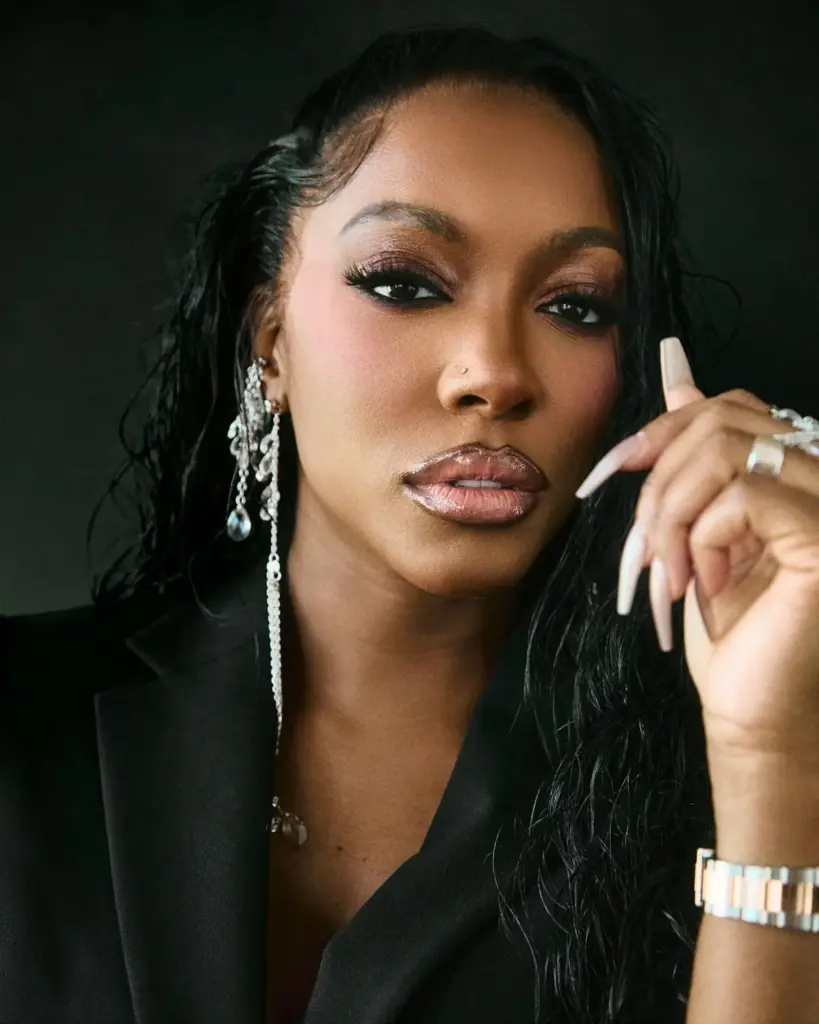
For years, television personality, entrepreneur, and author Porsha Williams has welcomed the public into the most intimate chapters of her life. From her early career moments on The Real Housewives of Atlanta to deeply personal milestones, Williams has consistently used her platform to spotlight the realities of womanhood. Yet, behind the cameras, a silent and severe medical crisis was unfolding.
Following a history of managing uterine fibroids, Williams recently faced a staggering medical revelation: doctors discovered she had 21 fibroids, some reaching the size of a cantaloupe, necessitating an emergency partial hysterectomy. This life-saving procedure brought an abrupt end to her biological journey of expanding her family, plunging her into a complex grieving process compounded by the physical relief of recovery.
Williams’s experience is not an isolated incident. It mirrors a broader, often unacknowledged public health crisis disproportionately affecting women of color—particularly Black women. By breaking her silence, Williams is shifting the narrative from individual suffering to collective advocacy, aiming to dismantle the profound stigma surrounding reproductive health, hysterectomies, and the systemic shortcomings of the American healthcare landscape.
Detailed Chronology: A Decade-Long Battle with Reproductive Health
The First Warning Signs
Williams’s journey with uterine fibroids began at age 30. While actively trying for her first child and navigating fertility challenges alongside a specialist, she received a dual diagnosis: she was pregnant, but she also had fibroids. As the pregnancy progressed, the fibroids outgrew the gestation, culminating in a devastating miscarriage at four months.
Reflecting on that period, Williams recalls attempting radical lifestyle changes, including adopting a strict vegan diet in a desperate bid to "starve" the growths while pregnant. Despite losing 10 to 15 pounds, the physical toll proved insurmountable, leading to a painful miscarriage experienced entirely alone at home.
A year later, Williams underwent a myomectomy to remove the growths, hoping to clear a path for future children. However, the respite was temporary.
The Miracle of Pilar and Postpartum Complications
When Williams became pregnant with her daughter, Pilar, the fibroids returned. Throughout the pregnancy, Pilar defied the odds, fighting past a massive fibroid to become, as Williams lovingly describes her, a true "rainbow baby."
The final month of the pregnancy required strict bed rest as the fibroids degenerated. Though intensely painful, Williams focused entirely on the miracle of her daughter’s survival.
Following Pilar’s birth, however, the fibroids returned "with a vengeance." Seeking to preserve her fertility in case she decided to have more children, Williams opted for a uterine fibroid embolization (UFE). The procedure was initially successful, alleviating debilitating heavy periods, chronic headaches, and lower back pain, restoring a semblance of normalcy to her life.
The Stress of Divorce and Hidden Symptoms
Life circumstances shifted dramatically with her subsequent divorce. The unexpected stress introduced new physiological reactions. While the back pain remained absent, Williams experienced increasingly heavy periods, frequent headaches, and a constant, urgent need to urinate.
Assuming she was fully protected by her prior embolization, she failed to connect these symptoms to fibroids. Instead, she attributed her profound fatigue and shifting bodily patterns to the onset of perimenopause. Because her uterus is naturally inverted, her abdomen never developed the characteristic "swdist" or protruding bump often associated with advanced fibroids, allowing her body to mask the severity of the internal damage.
The Accidental Discovery
The turning point occurred unexpectedly when Williams accompanied a friend to a fertility appointment for egg freezing. Knowing the attending physician from past consultations, Williams casually requested a quick ultrasound to assess her long-term reproductive viability.
The atmosphere in the room shifted instantly. The doctor fell silent, her face flushing as she stared at the monitor. When Williams asked what was wrong, the physician instructed her to hold on while she investigated further. The ultrasound screen displayed a field of dense blackness punctuated by massive, ominous white circles.
An emergency MRI later that afternoon at 2:30 PM confirmed the worst: more than 15 large fibroids within the uterus, accompanied by endometriosis and an underlying pathology affecting the uterine lining. The recommendation was unambiguous: an immediate hysterectomy.
The Surgery and the Aftermath
Booked for surgery the following week, the procedure revealed an even more alarming reality. Upon removal, surgeons counted a staggering 21 fibroids, the largest of which matched the size of a cantaloupe.
The fibroids had grown so extensive that they had closed off more than 60 percent of her birth canal, entirely obstructing sexual intercourse and placing dangerous, continuous pressure on her bladder. Furthermore, the physical strain had silently caused chronic low iron levels and severe migraines, placing her body under relentless, unrecognized stress.
While the partial hysterectomy—preserving her ovaries while removing the uterus—saved her life and instantly improved her quality of life by 100 percent, it permanently closed the door on carrying biological children or utilizing a surrogate via egg retrieval.
Supporting Context & Metrics: The Disproportionate Impact on Black Women
Williams’s ordeal shines a necessary light on a pervasive, systemic health disparity that affects millions of women globally, and Black women in particular.
According to data from the Black Women’s Health Imperative (BWHI):
- Prevalence: Roughly 80% of Black women will develop uterine fibroids by the time they reach age 50, compared to approximately 70% of white women.
- Severity and Interventions: Black women develop fibroids at a younger age, experience more severe symptoms, and grow larger tumors. Consequently, they are two to three times more likely to undergo a hysterectomy or myomectomy compared to their white counterparts.
- Symptom Normalization: Due to systemic medical biases, cultural messaging, and a lack of open dialogue, many women—particularly women of color—are conditioned to accept heavy bleeding, pelvic pain, and severe fatigue as "normal" parts of menstruation, leading to dangerously delayed diagnoses.
Medical experts note that fibroids can severely impact overall health, contributing to chronic anemia, kidney damage from ureteral compression, and profound psychological distress stemming from fertility loss. Yet, despite affecting up to 80% of all women during their reproductive years, research into non-invasive treatments remains vastly underfunded.
Official Statements & Personal Reflection
Speaking candidly about the emotional aftermath of her surgery, Williams has emphasized the psychological toll of societal stigmas surrounding reproductive organs and womanhood.
"I woke up after the surgery and thought, A part of me is gone," Williams shares. "Fibroids aren’t something we usually talk about as women, and neither are hysterectomies. There’s a stigma to it, as if you’re somehow less of a woman without your uterus."
Despite privately mourning the dream of expanding her family to four children—a vision inspired by growing up with three siblings—Williams balances her grief with profound gratitude for her surviving daughter and her restored health.
"Waking up and grieving the dream of more kids felt close to that same level of devastation [as my first miscarriage]. I didn’t want to seem ungrateful, since I do have Pilar, but privately I grieved the possibility of another child. But I also had to thank God I found out I was carrying that many fibroids at all, because quality of life is everything."
Williams stresses that patient advocacy and self-advocacy within the medical system are non-negotiable tools for survival.
"Women have every reason to feel nervous stepping into the American health care system, but when you’re informed, you can speak up, and you can be trusted and heard. There’s life after a hysterectomy, after a miscarriage, after any of the hard things we go through as women, and there’s real power in community."
Future Outlook: Advocacy, Education, and Cultural Change
In the months following her recovery, Porsha Williams has pivoted her personal healing journey into a public mission. Recognizing that early access to information could have altered her own medical trajectory, she is determined to ensure other women do not suffer in silence.
Looking ahead, Williams has outlined several key objectives for her advocacy work:
- Destigmatizing Reproductive Health: Using her high-profile media platforms to normalize conversations around fibroids, heavy periods, endometriosis, and hysterectomies.
- Expanding Access to Care: Exploring the establishment of a philanthropic foundation aimed at supporting women who face financial barriers to specialized gynecological care and advanced diagnostics.
- Fostering Community Support: Encouraging women to build robust support networks, share their medical experiences without shame, and challenge the normalization of chronic pelvic pain.
- Promoting Medical Literacy: Equipping younger generations of women with the knowledge required to ask critical questions during routine doctor visits, thereby demanding better care from the healthcare system.
Williams’s story serves as both a cautionary tale and a beacon of resilience. By turning her private medical trauma into a public crusade, she is redefining what it means to heal, proving that a woman’s worth, strength, and femininity remain entirely intact, regardless of the physical changes her body undergoes.