Executive Overview
In the modern landscape of skin-care discourse, the "skin barrier" has risen from an obscure medical term to a ubiquitous household concept. Yet, despite widespread awareness, millions of people continue to battle chronic dryness, flaking, irritation, and premature aging. At the root of these superficial grievances lies a singular, relentless physiological battle: transepidermal water loss (TEWL).
When the skin’s protective lipid matrix is compromised—whether through harsh weather, stripping body washes, or the natural progression of chronological aging—the body’s internal hydration escapes into the atmosphere. The consequences extend far beyond mere physical discomfort; a disrupted skin barrier compromises our primary defense against environmental pathogens, allergens, and micro-irritants.
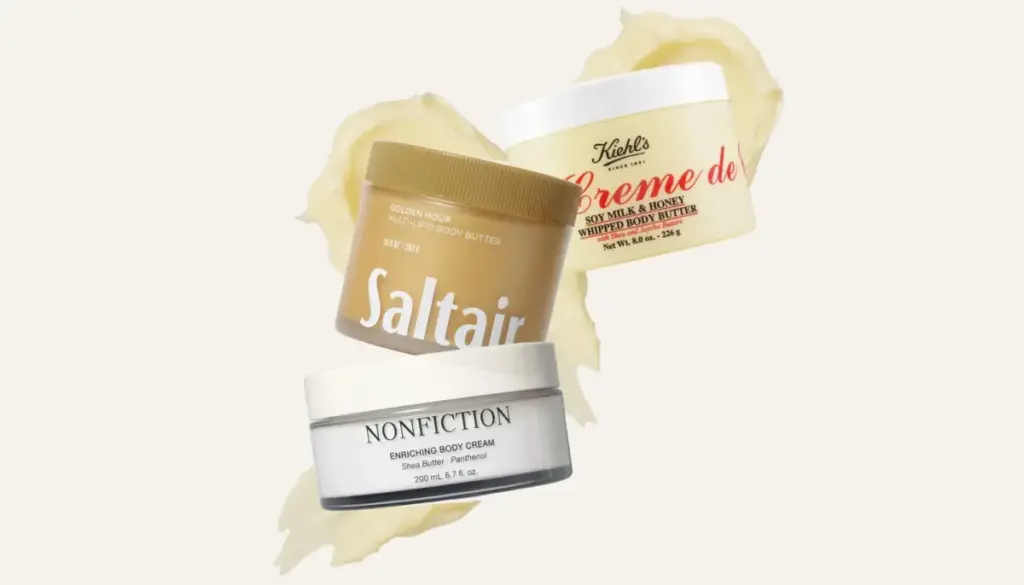
Enter the body butter: a dense, waterless, highly emollient formulation designed to seal cracks, replenish lost lipids, and erect an impenetrable fortress over vulnerable skin. Drawing on insights from leading board-certified dermatologists, this investigative report explores the biomechanics of moisture loss, the irreplaceable utility of body butters, the critical ingredients required for optimal barrier repair, and the rigorous editorial methodologies used to separate marketing hyperbole from genuine dermatological efficacy.
Detailed Chronology: The Evolution of Skin Barrier Science and Emollient Care
To understand why body butters have experienced a renaissance in contemporary beauty regimens, it is helpful to trace how our scientific comprehension of skin hydration has evolved over time.
The Historical Context of Topical Treatments
For centuries, human civilizations relied on naturally occurring fats, plant oils, and butters to protect their skin from the elements. Ancient Egyptians utilized castor and sesame oils; indigenous African populations mastered the harvesting and rendering of raw shea butter; and ancient South American cultures leveraged local botanicals to combat arid winds. However, for a long time, these practices were driven by trial and error rather than cellular science.
The Mid-20th Century: The Birth of Modern Dermatology
It was not until the mid-20th century that dermatological research began to map out the stratum corneum—the outermost layer of the epidermis—often visualized as a "brick and mortar" wall. In this architectural metaphor, corneocytes are the bricks, while specialized lipids (including ceramides, cholesterol, and free fatty acids) act as the mortar.
As biochemistry advanced in the 1970s and 1980s, researchers formally identified the phenomenon of transepidermal water loss. They established a direct correlation between lipid depletion in the stratum corneum and the onset of inflammatory skin conditions, chronic pruritus (itching), and xerosis (severe dryness).
The Rise of Waterless Formulations
While lightweight lotions dominated the commercial cosmetics market throughout the late 20th century—largely prized for their quick absorption and non-greasy finishes—dermatologists increasingly recognized their limitations for compromised barriers. Lotions are emulsions containing significant amounts of water. While they provide temporary hydration, that water can evaporate, sometimes taking natural skin hydration with it if not sealed properly.
This realization sparked a modern resurgence of interest in anhydrous (waterless) formulations, specifically traditional and modernized body butters. By stripping away excess water and focusing entirely on concentrated, lipid-rich plant butters and barrier-repairing oils, formulators created a new class of heavy-duty occlusive treatments capable of halting TEWL in its tracks.
Supporting Context & Metrics: The Biomechanics of Moisture Loss
To fully grasp why skin requires intensive intervention, one must examine the precise mechanisms of moisture depletion and how topical agents interact with human biology.
How Moisture Loss Affects the Skin Barrier
The skin’s primary evolutionary purpose is to act as a dynamic protective shield for underlying tissues and internal organs, defending the body against microbial infections, UV radiation, and chemical irritants.
"The function of the skin is to be a protective barrier of the underlying tissues, protecting the internal organs from infections and irritation," explains Corey L. Hartman, MD, a board-certified dermatologist based in Birmingham, Alabama.
When this barrier is subjected to environmental stress—such as low humidity, indoor heating, harsh winds, or chemical over-exfoliation—desiccation (extreme drying) occurs. Dr. Hartman notes that "stress disruption of the protective barrier can lead to an increase in transepidermal water loss, and therefore conditions that are associated with skin dryness and irritation."
Statistically, studies in dermatological bioengineering indicate that compromised barriers can experience exponential spikes in TEWL rates, leaving the skin defenseless. This manifests clinically as micro-fissures in the stratum corneum, allowing allergens to penetrate deeper epidermal layers, triggering immune responses that cause redness, itching, and scaling.
Who Stands to Benefit Most?
While virtually everyone can experience barrier compromise during harsh seasonal shifts, certain demographics and lifestyle factors place individuals at elevated risk:
- Chronic Sufferers of Very Dry Skin: Individuals with naturally low sebum production or genetic predispositions to xerosis require heavy occlusive agents that only body butters can provide.
- Exfoliant Enthusiasts: Those whose daily cleansing and treatment routines incorporate potent chemical exfoliants—such as Alpha Hydroxy Acids (AHAs), Beta Hydroxy Acids (BHAs like salicylic acid), and retinoids—frequently strip their lipid barriers, even on their bodies.
- Mature Skin Populations: As human skin ages, sebaceous gland output declines. Skin thins, loses elasticity, and struggles to retain water, making intensive barrier creams an absolute necessity.
Official Statements and Expert Analysis
Navigating the crowded aisles of skin-care formulations requires expert guidance. Leading voices in dermatology offer critical frameworks for selecting, utilizing, and integrating body butters into an effective maintenance routine.
The Expert Panel
- Corey L. Hartman, MD: Board-certified dermatologist in Birmingham, Alabama, specializing in medical and cosmetic dermatology.
- Julie E. Russak, MD: Board-certified dermatologist in New York City, specializing in advanced dermatologic therapies and anti-aging treatments.
- Dr. Luftman: Renowned dermatologist focusing on structural skin changes and chronological aging processes.
Deciphering the Ingredient Label
According to Dr. Hartman, consumers should look for familiar, highly biocompatible hydration powerhouses. Key components to prioritize include:
- Shea Butter: A premier emollient rich in vitamins A, E, and F, known for its capacity to heal cracked skin and soothe inflammation.
- Cocoa Butter & Plant Oils: Coconut and avocado oils provide deep conditioning fatty acids that reinforce the intercellular lipid matrix.
- Vitamin E: A potent fat-soluble antioxidant that softens the skin while shielding the moisture barrier from free radical damage.
Conversely, experts issue a stern warning against ingredients that exacerbate dehydration. Dr. Hartman advises consumers to strictly avoid drying alcohols and astringents like witch hazel, which can strip away remaining natural lipids and exacerbate micro-tears in the barrier.
Optimal Application Methodology
A common misstep in body care is applying rich creams to completely dry skin hours after bathing. Because high-grade body butters contain little to no water, their primary mechanism is occlusion—locking in existing moisture rather than infusing new water into the cells.
New York City-based board-certified dermatologist Julie E. Russak, MD, outlines the precise clinical protocol for maximum efficacy:
"Pat the skin dry, and while the skin is still moist, apply body butter to all the areas that are rough and dry, including feet, hands, ankles, and elbows. This locks in the moisture obtained from the shower, decreases trans-epidermal water loss, and helps repair the barrier."
Addressing Aging Skin
As the calendar turns, structural transformations occur within the dermal matrix. Collagen production slows, cellular turnover decelerates, and lipid synthesis drops significantly.
"As we age, the skin naturally produces less oil, becomes thinner, and loses its ability to retain moisture," explains Dr. Luftman. "This often results in dryness, roughness, and a crepey appearance."
While topical treatments cannot reverse chronological aging at a genetic level, intensive moisturizers provide profound visual and functional relief. By flooding the upper epidermal layers with rich emollients, body butters temporarily plump the skin, filling in micro-fissures and minimizing the look of fine lines caused by dehydration.
The Rigorous Testing Methodology: Behind the Scenes of Product Reviews
In an era saturated with sponsored content and unverified beauty claims, establishing an objective standard for product evaluation is paramount. Publications like Allure employ exhaustive, multi-layered testing processes to vet skin-care products before offering public recommendations.
The Evaluation Framework
When beauty editors evaluate a category as specialized as body butters, they assess candidates across five core pillars:
- Product Ingredients & Efficacy: Scrutinizing the formulation for evidence-backed active ingredients while cross-referencing brand claims against peer-reviewed dermatological studies.
- Texture & Viscosity: Ensuring the product balances richness with spreadability, avoiding overly waxy textures that fail to absorb comfortably.
- Fragrance Profile: Assessing whether added scents—natural or synthetic—pose risks of contact dermatitis for sensitive skin types.
- Packaging Integrity: Determining if jars, tubes, or pumps protect active botanical ingredients from oxidation and bacterial contamination.
- Product Wear & Longevity: Measuring how long the formulation successfully prevents moisture loss throughout a 24-hour cycle.
The Importance of Diverse Testing Panels
A core tenet of modern journalistic and scientific integrity is representation. A skin-care product cannot be universally labeled as "best" if its efficacy has only been validated on a narrow demographic.
Top-tier review protocols mandate that testing panels span a wide spectrum of ages, skin tones, hair textures, genders, and dermatological backgrounds. Evaluating a heavy-duty body butter on individuals ranging from teenagers managing body acne and dryness to adults over 50 experiencing severe age-related xerosis ensures that recommendations are genuinely inclusive and functionally accurate.
Future Outlook: The Next Generation of Barrier Care
As dermatological science marches forward, the future of body care is poised to intersect more deeply with biotechnology and personalized medicine.
What Lies Ahead
- Bio-Identical Lipid Complexes: Future body butters are moving beyond raw plant butters toward precisely engineered ratios of ceramides, cholesterol, and fatty acids that mimic the skin’s natural intercellular matrix with clinical exactness.
- Microbiome-Friendly Formulations: Researchers are increasingly recognizing the skin microbiome’s role in barrier health. Upcoming formulations will likely incorporate prebiotics and postbiotics to nourish beneficial surface bacteria while blocking pathogens.
- Sustainable, Ethically Sourced Emollients: As consumer demand for transparency grows, the sourcing of key ingredients like shea butter and cocoa butter will face stricter ethical and environmental accountability, prioritizing fair-trade cooperatives and regenerative agriculture.
Final Takeaway
The skin barrier is not merely an aesthetic canvas; it is a vital organ requiring active defense against the elements and the passage of time. By understanding the science of transepidermal water loss, investing in waterless, nutrient-dense body butters, and applying them with precise post-shower timing, individuals can reclaim their skin’s resilience, comfort, and long-term health.