Executive Overview
After a multi-year hiatus that left fans and industry analysts questioning the future of Blizzard Entertainment, BlizzCon made a triumphant return to the Anaheim Convention Center. Drawing tens of thousands of passionate devotees from the Alliance, the Horde, and the sprawling universes of Overwatch, Diablo, and StarCraft, the 2026 convention proved that Blizzard’s famously devoted fanbase has lost none of its fervor.
The event served as a potent cocktail of nostalgia and structural reinvention. Celebrating 35 years of game development and a decade of Overwatch, the convention arrived at a critical juncture. As a fully integrated subsidiary of Microsoft, Blizzard faced mounting pressure to demonstrate not only operational stability but also a renewed creative vision for its foundational intellectual properties.
Rather than playing it safe, Blizzard delivered an avalanche of major announcements, high-stakes franchise gambles, and unexpected community acknowledgments. From the timeline-bending revival of World of Warcraft: Forever and an open-world shooter adaptation of StarCraft, to the apocalyptic premise of Diablo 5 and a surprise update for the long-dormant Heroes of the Storm, the studio signaled that its vast multiverses are entering an aggressive new phase of expansion.
Detailed Chronology & Major Franchise Announcements
World of Warcraft: Forever and the Vanilla Timeline Rewrite
The marquee reveal of the convention was World of Warcraft: Forever, a radical reimagining of the game’s classic vanilla era. Eschewing a straightforward, nostalgic re-release, Blizzard is actively expanding the foundational Azeroth timeline with three brand-new zones, over 1,000 quests, nine dungeons, two raids, and a completely new playable race known as the Skyborne.
Crucially, this is not a distant corporate promise. The beta testing phase is slated to begin imminently on September 17, with the full global launch scheduled for November 4. In a historic first for the franchise, World of Warcraft is also receiving full native controller support, opening the door for seamless integration with the rapidly expanding handheld gaming market.

Warcraft 3: Reforged and The Forsaken Kingdom
Real-time strategy and classic lore purists received a massive surprise when Blizzard announced a sweeping technical and graphical overhaul for Warcraft 3: Reforged, alongside significant World Editor upgrades. More shocking, however, was the announcement of The Forsaken Kingdom, an entirely new story campaign centered on the cataclysmic fall of Lordaeron and the genesis of the Undercity. Producing new, canonical narrative content for a strategy title released over two decades ago marks an unprecedented pivot for the studio.
StarCraft Evolves Into an Open-World Shooter
Perhaps the most high-stakes gamble of the weekend came with the resurgence of StarCraft. Returning to the brutal landscapes of the Koprulu Sector, Blizzard announced a brand-new StarCraft game developed as an open-world shooter. While the announcement electrified the convention floor, the tentative release window of spring 2030 means fans face a long, anticipatory wait for the franchise’s sci-fi resurrection.
Diablo’s Apocalyptic Future and Transmedia Expansion
With Diablo approaching its 30th anniversary next year, Blizzard chose to mark the milestone by confirming that Diablo 5 is officially in development for a spring 2029 release. The sequel adopts a uniquely bleak narrative premise: the forces of Hell have won, the mortal realm of Sanctuary has fallen, and humanity’s champions have failed. This apocalyptic starting point shifts the franchise focus from preventing doom to navigating the aftermath.
In the near term, Diablo 4 is bypassing traditional expansions in favor of an anniversary celebration event titled Season of Hell’s Legacy, which brings back iconic prime evils Diablo, Mephisto, and Baal alongside legacy-themed rewards. Expanding beyond interactive entertainment, Blizzard also confirmed an animated Diablo series currently in production for Netflix, joining a wave of prestige adaptations inspired by transmedia successes like Arcane and Cyberpunk: Edgerunners.
Overwatch, Hearthstone, and Heroes of the Storm Updates
- Overwatch: Celebrating its ten-year milestone, the hero shooter introduced Doctrine, a vampire-inspired support character equipped with life-draining mechanics, a scepter, and bat-like autonomous drones, signalling a willingness to embrace eccentric character concepts.
- Hearthstone: The digital card game is stepping backward into ancient Azeroth with Reign of the Black Empire, an expansion set during the reign of the Old Gods. It introduces the "Assemble" keyword for card-merging mechanics and confirms the long-awaited arrival of the Monk class in March 2027.
- Heroes of the Storm: In a move that stunned the community, the long-neglected MOBA is receiving a new hero, Xal’atath, launching on September 28. For a dedicated player base that endured years of radio silence, the update served as a vital gesture of institutional recognition.
Supporting Context & Metrics
The return of BlizzCon underscores the complex operational dynamics of Blizzard Entertainment following its acquisition by tech giant Microsoft. For years, industry observers scrutinized how Microsoft’s corporate stewardship would impact the studio’s culture, release cadences, and creative autonomy. The 2026 showcase provided a definitive answer: Blizzard is operating with an expanded portfolio, greenlighting high-risk ventures while simultaneously capitalizing on deep-seated nostalgia.

Financially and logistically, the scale of the Anaheim Convention Center gathering reflects the enduring resilience of Blizzard’s intellectual properties. Despite a three-year operational absence on the convention circuit, fan engagement metrics—measured through record beta sign-ups, social media impressions, and physical attendance—demonstrated that brand loyalty remains exceptionally high. The strategic integration of platform accessibility, such as bringing World of Warcraft to handheld controllers, aligns with broader industry trends toward cross-platform ecosystem expansion.
Official Statements & Developer Insights
Speaking exclusively with Blizzard developers at the event, the studio’s dual focus on honoring historical legacy while forging new community pathways became clear.
Nora Mills, Lead Software Engineer, emphasized the community-building aspect of the newly announced World of Warcraft: Forever:
"I feel like World Of Warcraft has such a huge legacy and so much history, but this is a perfect time for someone new to come in and join the journey. You’re starting from scratch, from level one, and creating your own character… What makes this moment particularly exciting is that we’re starting this new offering from zero. It’s day one, and you get to be part of that excitement. There’s a whole new community waiting for you."
Tim Jones, Lead Classic Designer, highlighted the innovative challenge of modernizing a 20-year-old phenomenon while making it accessible to contemporary players:

"What we’re offering now is essentially a fresh start—an experience that harkens back to that original adventure, but refreshes it and builds something new as though we were back 20 years ago… This is also the first time you’re going to be able to play World Of Warcraft with a controller. That’s particularly exciting with handheld gaming becoming such an important and growing market."
Future Outlook
As the dust settles on the Anaheim Convention Center, Blizzard Entertainment stands at a fascinating crossroads. The studio is unquestionably taking massive risks: transforming StarCraft into an open-world shooter diverges wildly from its real-time strategy roots, pushing Diablo 5 into a post-apocalyptic timeline demands bold narrative execution, and managing fractured player expectations across past, present, and future iterations of Warcraft requires delicate balancing.
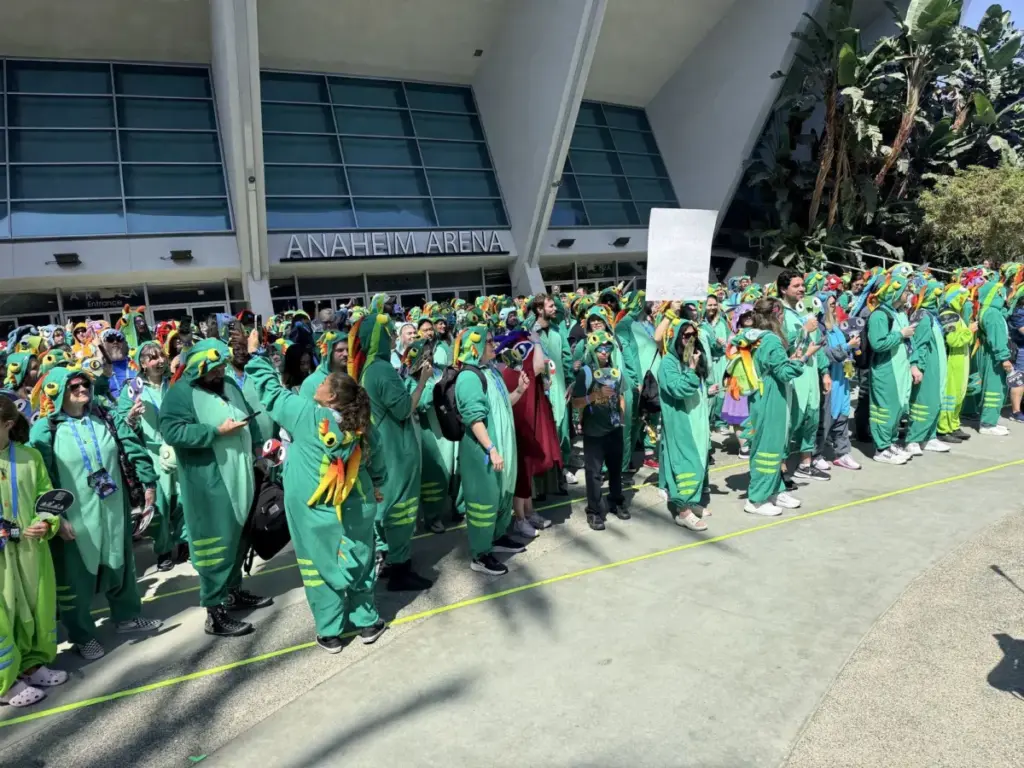
Yet, observing the vibrant sea of cosplayers—representing Illidan Stormrage, Jaina Proudmoore, Arthas Menethil, and countless Murlocs—it is evident that the emotional bond between Blizzard and its community remains unbroken. Under the Microsoft umbrella, the studio has been granted the runway to dream bigger, take bolder creative leaps, and resurrect forgotten corners of its library.
BlizzCon is back, and after three long years away, Blizzard has made it abundantly clear that it has grand ambitions for the decades ahead.