Executive Overview
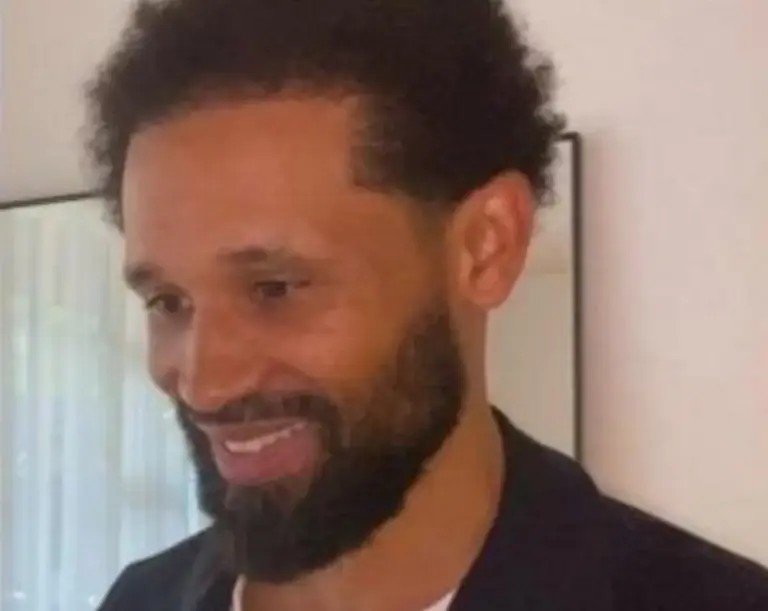
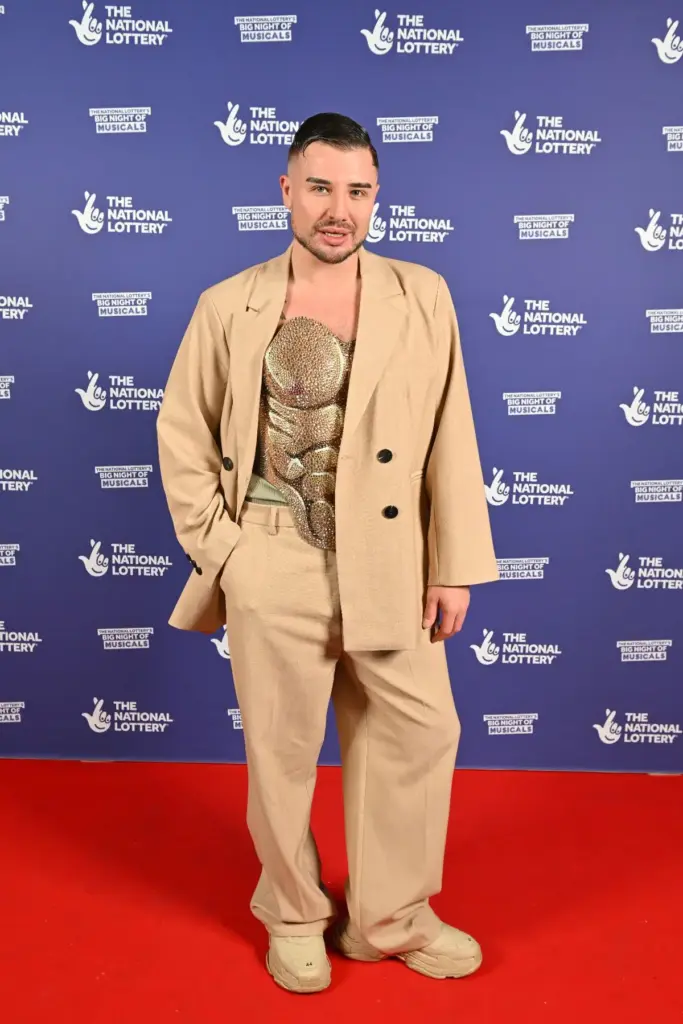
The profound emotional impact of pet bereavement became an unexpected focal point of national conversation following a recent broadcast of ITV’s Good Morning Britain. What began as a sympathetic discussion regarding the universal heartache of losing a domestic animal quickly morphed into a bizarre and startling television moment. Guest and Drag Race UK champion Danny Beard delivered a jaw-dropping confession to presenters Richard Madeley and Charlotte Hawkins, revealing that their deceased pet parrot has remained stored in a Tupperware container inside their kitchen freezer for nearly a decade.
While the revelation prompted immediate shock and disbelief in the Good Morning Britain studio—with veteran broadcaster Madeley labeling it "the most bizarre confession I’ve ever heard" on the program—it also opened a wider, deeply empathetic dialogue about how human beings process the loss of animal companions. The segment was originally catalyzed by BBC Radio 1 presenter Greg James and his author wife, Bella Mackie, who openly shared their devastating experience of embarking on a "grief trip" following the death of their beloved Labrador, Barney.
This article explores the intersection of televised morning chat, the raw neurological and emotional reality of pet loss, and the eccentric coping mechanisms humans adopt when faced with mortality. By examining the broader cultural landscape of pet bereavement—supported by veterinary insights, psychological frameworks, and celebrity admissions—we unpack why the death of an animal companion often shatters us far more profoundly than society historically permitted us to admit.
Detailed Chronology: From Radio Grief to Studio Shock
The Catalyst: Greg James and the "Grief Trip"
The national discourse surrounding the profound weight of pet loss was thrust back into the public eye days prior to the Good Morning Britain segment, courtesy of BBC Radio 1 fixture Greg James. James took to social media to share the heartbreaking news that he and his wife, acclaimed author Bella Mackie, had lost their Labrador retriever, Barney.
Describing himself as "completely floored" and inconsolable, James offered a candid look into the immediate aftermath of canine bereavement. He noted that he and Mackie had embarked on a dedicated "grief trip" to process the void left by their pet.
"I know how loved this unbelievably daft farty brilliant dog was and I adored sharing him with everyone on here," James wrote in a viral post that resonated with hundreds of thousands of animal owners across the United Kingdom. "I can’t believe our little mate has gone and it’s very real and very raw. He was the best."

The raw vulnerability displayed by the radio broadcaster struck a chord across the media landscape, validating a grief that is all too frequently minimized by those who have never shared their lives with an animal. It was against this backdrop of national sympathy that Good Morning Britain anchors Richard Madeley and Charlotte Hawkins elected to dedicate a substantial portion of their morning broadcast to unpacking the phenomenon of pet loss.
The Studio Debate: Madeley, Hawkins, and Havers
Seated on the ITV sofa alongside actor Nigel Havers and entertainment personality Danny Beard, Madeley opened the segment by addressing the invisible chasm that often exists between pet owners and non-pet owners when tragedy strikes.
"I want to talk about what happens when you lose a pet," Madeley stated earnestly to the viewing public. "If you don’t have pets, if you’ve never had a cat or a dog and suffered the loss of when they die, you don’t fully understand. You think, ‘It’s just an animal,’ you don’t quite understand the impact that it has and the hole it tears in your heart."
Nigel Havers echoed these sentiments, pointing out a fundamental design flaw in the natural order of things. "It is huge, because they become a member of your family," Havers noted. "Dogs have a better life now than ever before, quite rightly. But God in his wisdom has failed, because I think dogs don’t live nearly long enough."
Charlotte Hawkins then brought the discussion inward, sharing her own prolonged trauma following the death of her family dog, Bailey, who lived to the age of sixteen and a half. "You know they’re getting older, we’d had her for all of that time and you know what’s going to happen," Hawkins reflected, visibly moved. "But still, it hit me like a physical pain. I couldn’t talk about it for ages, and then it took us years to get another dog, which we have now."
Danny Beard’s Escalation and the Freezer Revelation
As the conversation shifted toward the anticipation of loss—with Danny Beard admitting that they and their best friend regularly weep on the phone while contemplating the eventual passing of their respective sibling dogs—the tone of the broadcast shifted dramatically.

Discussing the unpredictability of lifespans across different species, Beard introduced their past experience with avian loss. "When they go too soon, it can be even worse," Beard remarked. "You expect them to live for 20 years and they go… I had a parrot drop off the perch once, and I’ve still got her in her freezer."
The studio momentarily froze as the implications of the statement settled over the panel. Beard calmly elaborated on the logistical reality of the situation, explaining that the deceased bird had been housed in a specific domestic storage container for an astonishing duration.
"I’m not lying," Beard insisted as the presenters stared in disbelief. "She’s in her bed, in her Tupperware, on the second bottom shelf. I don’t get her out, I’d be terrified if she looked like someone at the top of Everest."
When questioned about the endgame—specifically whether taxidermy was ever pursued—Beard admitted that while preservation had initially been the intention, procrastination and attachment had left the bird in cryogenic limbo. This revelation closely mirrored previous admissions made by Beard during their stint on Celebrity Big Brother, where they informed housemate Donna Preston: "I’ve had her there for eight years. I’ve had her in the freezer for longer than I had her as a pet. I only had her for four years but she’s been in the freezer for eight." Beard added that periodic wellness checks were conducted on the frozen avian: "I checked her before I left for Big Brother. Or whenever I’m moving house or something."
Richard Madeley, visibly staggered by the disclosure, summarized the collective reaction of the studio and the viewing audience: "That is the most bizarre confession I’ve ever heard on Good Morning Britain."
Supporting Context & Metrics: The Anatomy of Pet Bereavement
To fully contextualize why public figures like Greg James, Charlotte Hawkins, and Danny Beard evoke such intense reactions regarding their animals, one must examine the sociological and psychological data underpinning modern pet ownership.

The Rise of "Pet Humanization"
Sociological studies over the past two decades indicate a profound shift in how humans view domestic animals. No longer categorized strictly as working animals or property, pets are increasingly integrated into the nuclear family unit. According to data compiled by the Pet Food Manufacturers’ Association (PFMA) and various behavioral research institutes:
- Over 50% of UK households now own at least one pet, representing millions of domestic companions.
- More than 85% of modern pet owners explicitly refer to their pets as "family members" rather than animals.
- A significant percentage of younger generations (Millennials and Gen Z) are delaying or forgoing traditional human milestones—such as marriage and homeownership—in favor of pet acquisition, thereby intensifying the emotional dependency and bonding attached to these animals.
Disenfranchised Grief: Why Pet Loss Hurts So Much
Psychologists frequently categorize the loss of a pet as a form of disenfranchised grief—grief that is experienced by an individual but cannot be openly acknowledged, publicly mourned, or socially supported. Because societal structures lack formal mourning rituals for animals (such as bereavement leave from employment, formal memorial services, or widespread cultural condolences), pet owners often find themselves isolated in their suffering.
When Greg James noted that he was "completely floored" by the death of his dog Barney, he was articulating a neurological reality. Functional MRI (fMRI) scans comparing human responses to various types of grief demonstrate that the neural pathways activated during the loss of a trusted animal companion closely mirror those engaged during the loss of a human family member. The sudden drop in oxytocin, dopamine, and serotonin levels can manifest as physical symptoms:
- Insomnia and disrupted sleep patterns.
- Unexplained physical aches and chest tightness (often colloquially linked to broken-heart syndrome or stress-induced cardiomyopathy).
- Cognitive fog and a temporary inability to concentrate on professional duties.
Official Statements & Public Reaction
The intersection of celebrity vulnerability and morning television eccentricity generated an immediate surge of engagement across digital and social media platforms.
The Public and Media Response
While Richard Madeley’s on-air reaction captured the disbelief of traditional broadcast journalists, social media users reacted with a mixture of dark humor, absolute horror, and deep psychological solidarity.
- The Camp of Incredulity: Thousands of Twitter (X) and Instagram users expressed shock at the logistical reality of storing a deceased animal alongside frozen vegetables. Comments such as "Imagine reaching for the frozen peas and pulling out a tupperware parrot" trended across morning micro-blogs.
- The Camp of Empathy: Conversely, many pet owners came to Beard’s defense, arguing that the paralyzing inability to let go of a physical remains is an extreme, albeit unconventional, manifestation of grief. Psychologists specializing in trauma note that transitional objects—items or remains that tether the bereaved to the deceased—take many forms, particularly when a person is unequipped to handle permanent finality.
Celebrity Transparency
The willingness of high-profile figures to discuss the visceral realities of pet death marks a departure from historical norms. For decades, public figures were encouraged to maintain a veneer of stoicism regarding personal tragedies, particularly those involving animals. However, the modern media landscape rewards authenticity. Greg James’s candid "grief trip" updates and Danny Beard’s unapologetic, if eccentric, preservation habits signify a cultural pivot toward radical honesty about how humans navigate loss in the 21st century.

Future Outlook: Changing Paradigms in Pet Loss Support
As societal attitudes toward animal welfare and emotional health continue to evolve, the infrastructure surrounding pet bereavement is undergoing a much-needed modernization.
Workplace Adaptations and Compassion Leave
A growing number of forward-thinking corporations and public sector organizations are beginning to evaluate the feasibility of pet bereavement leave. Recognizing that the cognitive and emotional impairment following the death of a dog or cat is functionally identical to losing a human relative, some progressive employers now offer one to three days of compassionate leave specifically for pet loss. This institutional validation helps combat the disenfranchised grief historically suffered by lonely pet owners.
Mental Health Resources and Specialized Counseling
The psychological sector is also responding to the demand for specialized grief counseling. Veterinary schools and animal hospitals increasingly partner with licensed therapists to offer pet loss support groups. These organizations provide a safe harbor for individuals experiencing profound isolation, ensuring that owners do not feel compelled to resort to unconventional coping mechanisms—such as long-term freezer storage—out of a lack of social support systems or safe spaces to articulate their pain.
Conclusion: Humor, Horror, and Healing
Danny Beard’s frozen parrot revelation on Good Morning Britain will undoubtedly go down in British television history as one of the most eccentric morning chat moments on record. Beneath the immediate shock value and Madeley’s incredulous laughter, however, lies a deeper truth about the human condition. Whether channeled through Greg James’s restorative road trips, Charlotte Hawkins’s agonizing multi-year silence, or Danny Beard’s cryogenic Tupperware shelf, pet grief remains a powerful, untamed force. It reminds us that our capacity to love domestic animals is boundless—and that the methods we use to survive their absence are as wonderfully, bizarrely diverse as humanity itself.