Executive Overview
For nearly two decades, the global video-hosting landscape has operated under a largely unwritten, geographically partitioned truce. In the West, platforms like YouTube, TikTok, and Meta’s ecosystem have reigned supreme, capturing billions of daily active users and commanding massive advertising budgets. Meanwhile, behind the Great Firewall, China has cultivated an entirely independent, highly sophisticated digital media ecosystem.
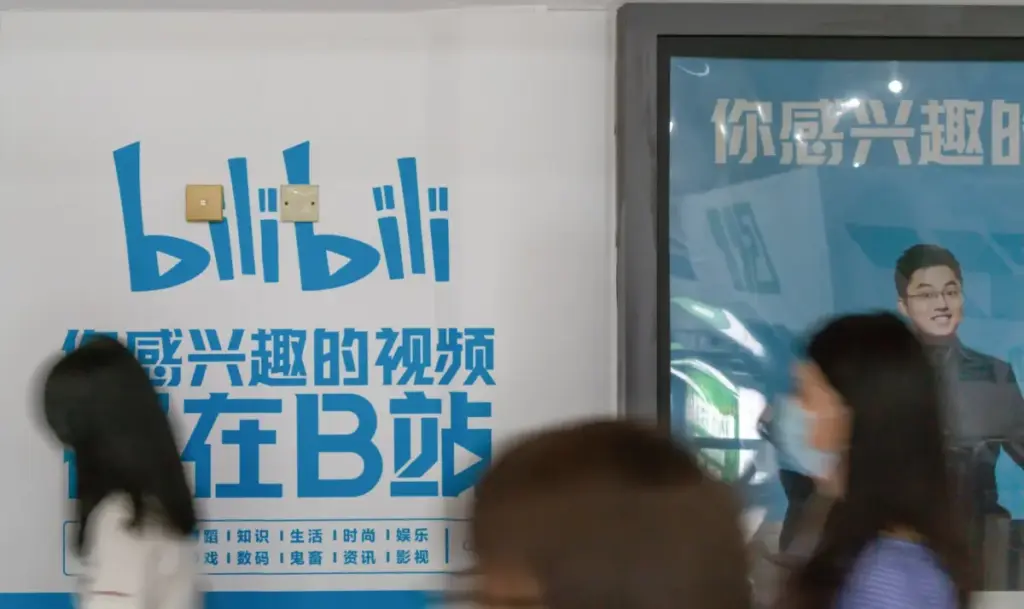
Now, that boundary is dissolving. BiliBili, a 17-year-old Chinese entertainment powerhouse that currently ranks among the top 100 most-visited webpages in the world, is staging an aggressive, calculated pivot onto the global stage. Often mischaracterized as merely "the Chinese YouTube," BiliBili is much more: a hyper-engaged, youth-centric cultural hub that blends user-generated content, anime, original programming, and high-engagement monetization tools.
Following a series of strategic maneuvers—including the quiet relaunch of its international platform, the removal of strict overseas identification barriers, and active recruitment drives in global creative capitals like Los Angeles, London, Mexico City, São Paulo, Istanbul, and Tokyo—BiliBili is officially making its play for Western and international audiences.
Yet, this path is fraught with structural challenges. While the global success of TikTok, the rising popularity of East Asian microdramas, and the surging Western followings of Chinese creators like Songsong and Ermao prove that audiences outside of Asia are increasingly receptive to cross-border media, past attempts by Chinese apps to capture Western markets—such as RedNote’s fleeting moment in the spotlight—serve as a cautionary tale.
Can BiliBili carve out a permanent home on international devices, or will it remain a digital curiosity for expatriates and niche pop-culture enthusiasts? To answer this, we must examine the mechanics of BiliBili’s global expansion, its unique feature set, and the economic realities facing creators in a shifting geopolitical landscape.
Detailed Chronology: From Niche ACG Hub to Global Ambitions
To understand BiliBili’s current international strategy, one must trace its evolution from a hyper-niche otaku community into one of China’s most culturally influential digital behemoths.
-
The Early Years (2009–2015): Cultivating the ACG Subculture
Founded in 2009, BiliBili began as a niche destination for fans of Animation, Comics, and Gaming (ACG). Unlike Western video sites that prioritized broad, mainstream appeal from day one, BiliBili built its foundation on tight-knit fandoms. It gained early notoriety for its distinct interface and user culture, positioning itself as a haven for subcultures that were largely ignored by state-run television and mainstream Chinese web portals. -
Mainstream Scaling and Original IP (2016–2021)
As the platform matured, BiliBili aggressively expanded past its ACG roots into lifestyle, technology, education, and entertainment. Crucially, the platform invested heavily in original programming, cementing its status as a cultural tastemaker for China’s Gen Z demographic. Among its crown jewels is the hit animated series The Daily Life of the Immortal King, which has gone on to run for five seasons and over 60 episodes, proving that BiliBili could incubate and sustain valuable intellectual property. -
The East-West Bridge Opens (2022–2024)
As Western creators sought ways to bypass domestic saturation, BiliBili emerged as a lucrative frontier. The most high-profile validation of this trend occurred in 2024, when mega-creator MrBeast (Jimmy Donaldson) officially landed on BiliBili. Partnering with distribution networks like Yoola, MrBeast rapidly amassed millions of views, demonstrating that top-tier Western content could resonate deeply with Chinese audiences when properly localized and supported by the platform’s community. -
The Global Pivot and International Relaunch (2025–Present)
Having successfully conquered the domestic market under strict regulatory frameworks, BiliBili turned its sights outward. After an initial international platform iteration was shelved, the company executed a strategic about-face. Recent months have seen the quiet relaunch of its international application, the elimination of cumbersome identification requirements that previously hindered overseas sign-ups, and an aggressive push to hire localized talent across multiple continents.
Supporting Context & Metrics: The Mechanics of BiliBili’s Ecosystem
BiliBili’s international ambitions are not built on a carbon copy of YouTube; rather, they rely on a distinct feature set that transforms passive viewing into an interactive, highly monetized experience.
The Power of "Danmu" and Unique Monetization
Perhaps BiliBili’s most signature cultural export is its use of real-time, side-scrolling "danmu" (bullet comments). Unlike traditional comment sections that sit quietly beneath a video, danmu fly across the screen in real time as viewers watch, creating a collective, stadium-like viewing experience. For creators, this feature is more than a novelty—it is monetizable. BiliBili’s interactive comment mechanics function similarly to a cross between YouTube’s Super Chats and a chaotic "bullet hell" video game, allowing fans to financially pin their real-time reactions to the screen.
Furthermore, BiliBili creators enjoy multifaceted revenue streams, including direct fan-funding mechanisms. Internal discussions leaked from platform Discord channels frequently highlight BiliBili’s distinct user demographics: a user base that is frequently described as "Gen Z coded, affluent, and well-educated." For creators struggling with flatlining CPMs (Cost Per Mille) on traditional Western platforms, BiliBili’s engaged, high-spending audience could prove to be an irresistible draw.
Macro Tailwinds: The Rise of East Asian Media Influence
BiliBili is launching its international offensive at a time when Western consumption habits are more globally diverse than ever before.
- The TikTok Precedent: TikTok—born as an internationalized offshoot of China’s Douyin—shattered the myth that Western audiences will not consume short-form video platforms rooted in Chinese tech infrastructure.
- The Microdrama Boom: The explosive popularity of vertically integrated microdrama apps has demonstrated that Western consumers are willing to spend money on rapid-fire, serialized digital entertainment.
- The Ascendancy of Eastern Creators: Personalities like Songsong and Ermao regularly rank among the most-watched creators on YouTube, proving that linguistic and cultural barriers are increasingly porous in the modern creator economy.
Despite these tailwinds, international expansion remains treacherous. When another Chinese social giant, Xiaohongshu (known internationally as RedNote), attempted to capitalize on potential U.S. regulatory threats against TikTok, it initially saw a massive wave of curious American downloads. However, once the immediate threat subsided, Western users largely treated RedNote as a digital novelty and abandoned the platform. BiliBili must avoid this exact fate by offering structural, long-term value rather than relying solely on novelty-driven downloads.
Official Statements and Corporate Signals
BiliBili has largely bypassed traditional, formal press releases to announce its global pivot, instead utilizing modern, decentralized channels—job postings, product listings, and community Discord servers—to signal its intent.
The most explicit confirmation of the company’s global pivot came via a succinct, highly publicized post from the company’s official Creator Hub on X (formerly Twitter):
"Yes, BiliBili is going global. Follow for more updates."
This digital breadcrumb was quickly substantiated by structural changes observed by industry watchers. According to investigative reporting by Semafor, BiliBili has aggressively expanded its physical and digital footprint. The company has updated its global app store listings, dropped regional ID verification barriers that previously kept international users locked out, and posted open roles for regional managers, creator relations leads, and marketing specialists in strategic hubs worldwide:
- North America: Los Angeles
- Europe: London, Istanbul
- Latin America: Mexico City, São Paulo
- Asia-Pacific: Tokyo
These localized footprints signal that BiliBili’s leadership understands a foundational rule of international tech expansion: you cannot manage a global creator ecosystem exclusively from Shanghai or Beijing. Establishing physical touchpoints in major cultural and financial capitals ensures that BiliBili can provide localized support, forge brand partnerships, and navigate regional regulatory frameworks with agility.
Future Outlook: Challenges and Opportunities Ahead
As BiliBili sets its sights on competing directly with the titans of the Western tech industry, it enters an arena defined by intense competition, regulatory scrutiny, and shifting creator loyalties.
The Hurdles Ahead
- Algorithmic and Cultural Adaptation: Content that resonates with a hyper-online Gen Z audience in Shanghai does not automatically translate to viewers in London or Los Angeles. BiliBili must successfully localize its recommendation algorithms to serve diverse cultural palates without losing its unique identity.
- The Trust Deficit: Chinese tech platforms operating in Western markets face deep-seated skepticism regarding data privacy, content moderation, and geopolitical alignment. Overcoming these systemic barriers will require unprecedented transparency from BiliBili’s executive team.
- Creator Retention: Western creators are notoriously fickle. If BiliBili cannot guarantee robust, reliable monetization streams that rival or exceed what creators currently make on YouTube and TikTok, top-tier talent will treat the platform merely as an experimental sandbox rather than a primary business engine.
The Upside
Conversely, if BiliBili successfully positions itself as a high-margin alternative to the current Western duopoly, it could fundamentally alter the creator economy. By offering advanced interactive features like monetizable danmu, dedicated direct-fan funding, and access to a notoriously affluent demographic, BiliBili provides tools that traditional Western platforms have been slow to replicate.
MrBeast proved that Western creators can find massive success by pushing their content eastward into China. As BiliBili officially opens its doors to the rest of the world, the definitive question facing the digital media landscape is no longer whether Chinese platforms can cross borders—it is whether Western creators and audiences are ready to cross back.