Executive Overview
In the era of optimized routines, high-inflation laundry loads, and an ever-growing obsession with athleisure, a quiet, widespread habit has taken root in fitness communities worldwide: rewearing workout clothes. Whether it is a low-impact “hot girl walk” through the neighborhood, a gentle fifteen-minute indoor cycling warm-up, or a restorative yoga session that barely registers on the perspiration scale, many fitness enthusiasts routinely fold up their activewear and place it back in the drawer instead of the laundry hamper.
Proponents of this practice defend it using modern lifestyle logic—often dubbed "girl math"—arguing that if a garment has barely absorbed any moisture, washing it immediately is a waste of water, energy, and fabric longevity. However, as activewear continues to dominate daily wardrobes from morning coffee runs to grocery store errands, a pressing dermatological question arises: Is bypassing the laundry basket safe for your skin, or are we trading convenience for chronic irritation, body acne, and stubborn bacterial infections?
To uncover the scientific reality behind the rewear cycle, we spoke with leading dermatologists and skin health experts. While sweat itself is chemically odorless and relatively harmless on its own, its interaction with the skin’s native microbiome creates a complex biological chain reaction. When trapped in synthetic, tightly woven fabrics, lingering sweat and bacteria can transform your favorite compression leggings or moisture-wicking top into a breeding ground for cutaneous pathogens.
This comprehensive report explores the microscopic consequences of rewearing activewear, breaks down the difference between high- and low-intensity workouts, evaluates the role of synthetic versus natural fibers, and provides an authoritative guide on how to balance sustainable laundry habits with uncompromising dermatological health.
Detailed Chronology: The Lifecycle of Sweat and Skin Interaction
To understand why a seemingly dry pair of leggings can still wreak havoc on your epidermis, we must examine the chronological stages of what happens the moment your body begins to perspire during physical exertion.
Phase 1: The Onset of Perspiration and the Skin Barrier
When you exercise, your body’s internal temperature rises, prompting the eccrine and apocrine sweat glands to release moisture to cool you down. Fresh sweat is composed primarily of water, electrolytes (such as sodium and chloride), urea, and lactate. In its purest form, fresh sweat is completely odorless and non-irritating to healthy skin.
Simultaneously, your skin’s surface is inhabited by a diverse ecosystem of microorganisms—collectively known as the skin microbiome—which includes beneficial bacteria like Staphylococcus epidermidis and Cutibacterium acnes. These microbes feed on the natural oils (sebum) and proteins secreted by your skin.
Phase 2: The Seepage and Incubation Period
As you move through your workout, this perspiration is absorbed by your activewear. If you remain in your workout clothes for hours after exercising—perhaps running errands, sitting at a desk, or stopping for brunch—the micro-environment inside your clothing shifts dramatically.
Trapped against the skin, sweat creates a warm, humid, and dark environment. This moisture-rich setting encourages resident skin bacteria to multiply rapidly. Furthermore, as sweat evaporates, it leaves behind concentrated salts, proteins, and lipids that mix with the bacteria and dead skin cells shed by friction.
Phase 3: The Breakdown and Chemical Transformation
When skin bacteria metabolize the components of sweat and trapped sebum, they produce chemical byproducts. This metabolic process is what generates body odor. More importantly for skin health, this bacterial proliferation alters the skin’s pH balance and compromises its natural protective barrier.
According to Dr. Brianna Olamiju, MD, FAAD, a board-certified dermatologist based in New York, the duration of skin contact is the single most critical factor in determining whether a post-workout habit leads to clear skin or a dermatological flare-up.
"The longer the bacteria stays in contact with your skin, the higher chance it can become harmful," Dr. Olamiju explains. "Usually, it can cause acne. I see a lot of patients who have breakouts on their chest or back, often people who work out frequently and maybe go to brunch afterwards or aren’t able to change or wash immediately."
Phase 4: The Storage and Secondary Exposure Cycle
This brings us to the core dilemma: What happens if you take off your damp activewear, let it air-dry, and put it back on the next day?
Many people assume that once sweat dries, the microscopic threat evaporates along with the moisture. Dermatological science completely refutes this assumption. When activewear dries without being washed, the bacteria, microscopic skin flakes, dried salts, and sebum remain embedded within the microscopic weaves of the fabric.
When you rewear that unwashed garment the following day, your body heat and fresh perspiration reactivate the dormant bacteria left over from the previous session. Even if you completed a much lighter workout the second time around, you are introducing fresh moisture to an already colonized fabric surface, supercharging bacterial growth and significantly increasing your risk of localized skin irritation, folliculitis, and body acne.
Supporting Context & Metrics: Workouts, Fabrics, and Dermatological Risk
Not all workouts—and not all textiles—carry the same level of dermatological risk. Skin health experts emphasize that evaluating whether an item of clothing is safe for a second wear requires a nuanced assessment of intensity, fabric composition, and garment type.
1. The Workout Intensity Spectrum
Dermatologists categorize physical activity on a sliding scale of sweat production and friction potential:
- High-Intensity Cardio (High Risk): Activities such as distance running, high-intensity interval training (HIIT), hot yoga, and aggressive indoor cycling (spin classes) trigger profuse sweating across the entire body. The combination of heavy moisture, elevated body temperature, and continuous friction creates an ideal environment for bacterial overgrowth and clogged pores. These garments should never be reworn without a thorough wash.
- Low-to-Moderate Intensity Movement (Lower Risk): Activities like restorative Pilates, gentle stretching, casual walking, or light resistance training generate minimal sweat. For individuals who naturally perspire lightly, these sessions may leave activewear in a condition where an immediate wash feels analytically unnecessary. However, dermatologists caution that even low-intensity gear can harbor hidden oils and dead skin cells.
2. Garment Specificity: Where the Danger Lies
Not every piece of activewear poses an equal threat to your skin. Dr. Olamiju highlights that certain foundational garments require strict single-wear laundering due to their direct, high-pressure contact with high-sebum areas of the body:
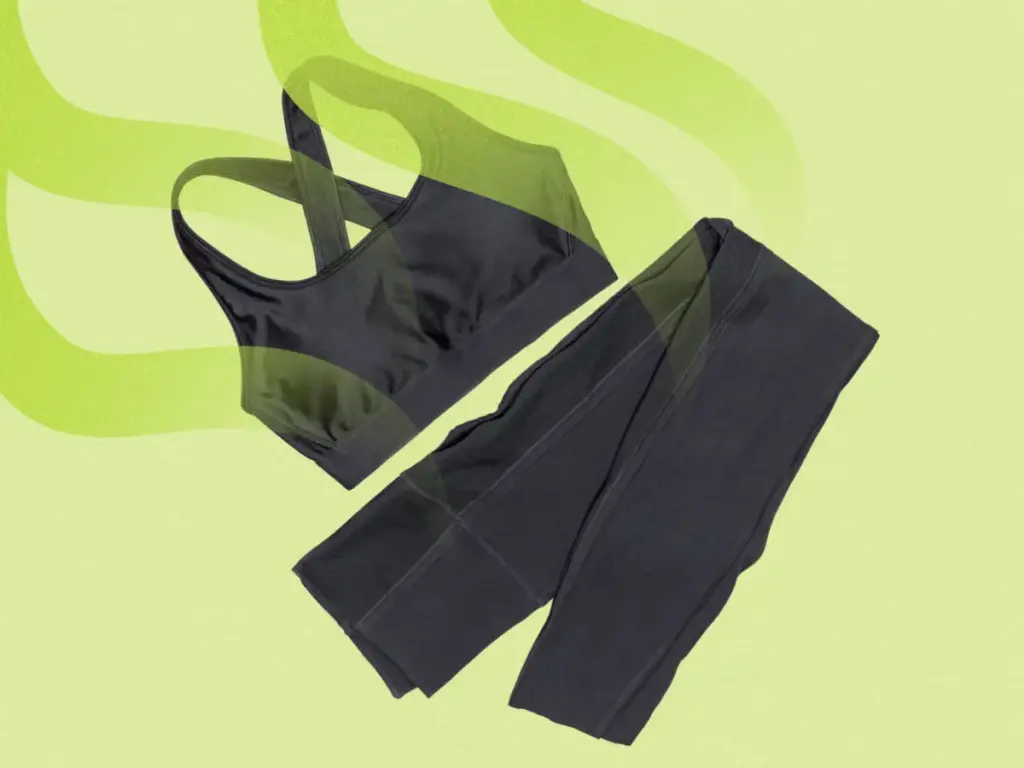
- Sports Bras and Underwear: These items are absolute non-negotiables. Because they sit directly against areas dense with apocrine sweat glands and sebaceous glands (such as the underbust, chest, and groin), they absorb the highest concentration of sweat, oils, and friction. Rewearing a sports bra is a primary catalyst for stubborn chest and back acne (often referred to as "bacne").
- Outer Layers and Tops: While a loose-fitting t-shirt or tank top worn during a short walk may be acceptable for a quick rewear, items resting directly against acne-prone zones should be scrutinized carefully.
- Leggings and Shorts: Compression bottoms trap heat and moisture against the gluteal and thigh regions, making them prime suspects for folliculitis—an inflammation of the hair follicles that manifests as small, red, pimple-like bumps.
3. The Textile Trap: Synthetic vs. Natural Fibers
The material composition of your activewear plays a monumental role in skin health. The vast majority of modern activewear is engineered from synthetic polymers such as polyester, nylon, spandex, and elastane.
While these synthetic fabrics excel at lightweight durability, moisture-wicking, and stretch, they are hydrophobic (water-repelling) in their raw yarn structure, relying on chemical treatments to pull sweat away from the skin. Crucially, synthetic fibers do not breathe well; they trap heat and create an artificial greenhouse effect that promotes bacterial proliferation.
Conversely, natural fibers like cotton and bamboo are hydrophilic (water-absorbing) and inherently breathable. Cotton allows trapped moisture to dissipate more effectively, significantly lowering the risk of bacterial overgrowth. However, finding 100% cotton activewear that maintains structural integrity during high-movement exercise remains a challenge for consumers, leaving synthetic blends as the dominant market choice and making proper laundering all the more critical.
Official Statements and Expert Guidance
Navigating the grey area between sustainable laundry practices and dermatological safety requires clear, actionable guidelines from medical professionals. We compiled key insights from dermatological authorities to establish a definitive framework for activewear hygiene.
The Dermatologist’s Gold Standard vs. Practical Reality
When asked point-blank how often activewear should be washed, Dr. Olamiju offers the unequivocal medical consensus:
"The dermatologist’s answer is after every workout. But people can use their own discretion—think about how comfortable you feel."
While washing every single garment after a single use is the absolute gold standard for preventing skin infections, microbial accumulation, and persistent odors, dermatologists recognize that modern life, environmental sustainability concerns, and clothing preservation goals often necessitate practical compromises.
Expert Recommendations for Safe Rewearing
If you choose to rewear your activewear under specific, low-sweat conditions, skin health experts recommend adhering to a strict set of protocols to minimize dermatological risk:
- Air-Drying Immediately: Never toss damp workout clothes into a confined dark space like a gym bag, hamper, or laundry basket. Hang them up immediately in a well-ventilated area to dry completely. Trapping moisture accelerates bacterial multiplication exponentially.
- The Smell Test is Deceiving: Do not rely solely on your sense of smell. While an unpleasant odor is a definitive sign of advanced bacterial breakdown, bacteria and micro-debris can colonize fabric long before a pungent scent becomes noticeable to the human nose.
- Inspect Target Zones: Check the interior lining of waistbands, armpits, and bra bands for any stiffness, discoloration, or residual salt deposits. If these signs are present, the garment must be laundered regardless of how light the workout was.
- Prioritize Skin Hygiene: If you must delay changing out of your workout clothes due to unavoidable circumstances (such as running quick errands after a walk), wash your face, chest, and back with a gentle cleanser or use antibacterial body wipes as soon as possible to remove surface sweat and bacteria before they can settle into your pores.
Future Outlook: Innovations in Activewear and Skin Health
As the intersection of textile technology, dermatology, and consumer habits continues to evolve, the future of activewear is shifting toward materials and laundering solutions designed to mitigate skin health risks without compromising environmental sustainability.
1. Antimicrobial and Silver-Ion Treated Fabrics
Textile engineers are increasingly incorporating antimicrobial treatments—such as embedded silver ions, copper threads, and botanical extracts like bamboo charcoal—directly into activewear fibers. These technologies are engineered to inhibit bacterial growth on the fabric surface, theoretically reducing both body odor and the risk of skin irritation during repeated wear cycles. However, dermatologists caution that these treatments can wash out over time, meaning they should not be viewed as a permanent substitute for proper hygiene.
2. Smart Fabrics and Breathable Micro-Weaves
The next generation of athletic apparel is focusing on advanced thermodynamic knitting techniques that create variable porosity zones across a single garment. These fabrics dynamically open micro-vents in high-heat areas while maintaining compression where needed, drastically reducing the total volume of trapped moisture and skin friction.
3. Eco-Friendly, Low-Temperature Detergents
With consumers striving to reduce their environmental footprint by washing clothes less frequently or utilizing cold-water cycles, the detergent industry is responding with advanced enzymatic formulas. These specialized activewear detergents are formulated to break down stubborn body oils, proteins, and embedded bacteria at lower water temperatures, ensuring that when garments do go into the wash, they emerge completely sanitized without requiring harsh, energy-intensive hot water cycles that degrade synthetic fibers.
Conclusion: Striking the Right Balance
Rewearing your workout clothes does not automatically mean signing up for a severe breakout or skin infection, but it does require a mindful, informed approach. By reserving the rewear privilege exclusively for low-intensity sessions that generate minimal sweat, instantly hanging garments to dry, and strictly enforcing single-use rules for sports bras and high-friction items, you can successfully protect your skin microbiome while maintaining a practical lifestyle.
When in doubt, remember the core dermatological rule: err on the side of fresh. Your skin barrier will thank you for it.