Executive Overview
As the high-stakes friction between the world’s leading video platforms intensifies, YouTube is making a strategic pivot to secure its dominance in the modern living room. In a move that brings the platform’s user experience closer to traditional television and subscription video-on-demand (SVOD) giants like Netflix, YouTube is significantly expanding Stations—its proprietary take on Free Ad-Supported Streaming TV (FAST).
Originally unveiled as a music-centric, 24/7 streaming experiment during the 2026 Coachella Valley Music and Arts Festival, Stations are always-on, curated programming hubs designed to cater to hyper-specific content niches. Following positive audience engagement and rigorous internal testing, Google has announced a sweeping expansion of the feature. YouTube users worldwide can now experience continuous, linear-style broadcasts featuring creator-driven content, dedicated media channels, serialized podcasts, and select new music artists.
This evolution is far more than a simple interface update; it represents a calculated counter-offensive in a broader industry war. As platforms like Tubi, Roku Channel, and Samsung TV Plus capitalize on the explosive growth of the FAST market, and as rival streaming titans like Netflix aggressively court top-tier YouTube talent for exclusive multi-platform deals, YouTube is fortifying its ecosystem. By introducing a "lean-back" viewing experience complete with real-time community chat features, YouTube is not only bridging the gap between digital video and linear television—it is deploying an aggressive defense to keep its most valuable creators firmly within its walled garden.
Detailed Chronology: From Coachella Experiment to Global Rollout
The genesis of YouTube Stations traces back to a recognized shift in consumer behavior: the desire for "lean-back" media consumption on large living room screens, contrasted with the fatigue of decision paralysis inherent in endless VOD libraries.
The Coachella Genesis (Spring 2026)
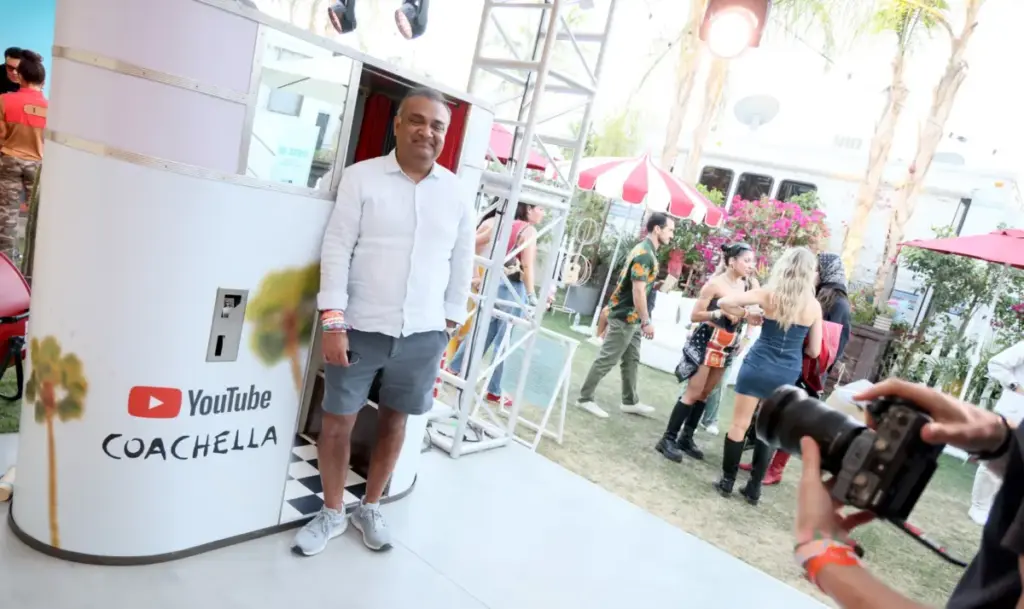
For well over a decade, YouTube has served as the official digital home of the Coachella Valley Music and Arts Festival in Indio, California, beaming live performances to millions of global viewers. However, the 2026 iteration marked a critical turning point. Rather than relying solely on traditional multi-channel live streams or on-demand post-festival clips, YouTube deployed its nascent "Stations" format.
During the festival, music fans were given access to dedicated, 24/7 dedicated streams hyper-focused on specific artists and genres. These streams operated continuously, allowing fans to tune in at any hour to catch curated loops of live performances, behind-the-scenes footage, and exclusive interviews. The success of this pilot provided YouTube’s engineering and product teams with vital telemetry data: viewers craved the frictionless, serendipitous nature of linear television combined with the democratic, participatory culture of digital video.
The Support Thread Revelation (Summer 2026)
The empirical success of the Coachella trial accelerated YouTube’s timeline for a broader platform rollout. According to official documentation shared via a YouTube Help community thread, the platform initiated a quiet, phased expansion of the feature.
The update signaled that the underlying architecture of Stations was no longer confined to major live music events. Instead, the format was retrofitted to house a vast array of genres. The official rollout parameters outlined the inclusion of:
- Creator Content: Continuous, curated blocks of videos from prominent independent YouTube personalities.
- Media Channels: Aggregated programming from digital publishers, news outlets, and entertainment networks.
- Podcasts: 24/7 audio-visual streaming blocks featuring top-tier audio and video podcasters.
- Music Artists: Expanded availability for emerging and established musical acts beyond seasonal festival programming.
Global Availability and Current Limitations
As of the current rollout phase, YouTube Stations are live for a "limited number" of creators and media partners, though the viewing capability has been pushed out to a massive international footprint. Viewers can access Stations across nearly every region where YouTube operates globally, with only three notable geographic exceptions: Portugal, Switzerland, and Turkey. For the vast majority of the platform’s billions of active monthly users, the "FAST lane" is officially open.
Supporting Context & Metrics: The Rise of FAST and the Creator Economy
To fully understand the strategic necessity of YouTube Stations, one must examine the macro-economic shifts currently transforming the global media landscape. The lines separating cable television, FAST services, AVOD (Ad-Supported Video on Demand), and subscription streaming are blurring faster than ever before.
The Explosive Growth of FAST and AVOD
For years, the streaming wars were defined by a subscription-first model popularized by Netflix and emulated by nearly every legacy media studio. However, consumer subscription fatigue, coupled with tightening household budgets, has fueled a dramatic renaissance in ad-supported streaming. Platforms such as Pluto TV, The Roku Channel, Samsung TV Plus, and Fox-owned Tubi have captured massive tranches of viewing hours—particularly on connected TVs (CTVs).
Data from media measurement firms like Nielsen (such as its widely watched The Gauge report) consistently highlight the steady ascent of ad-supported streaming platforms, which routinely outpace traditional cable and challenge dominant SVOD players in total audience share. Independent creators have taken note of this trend; prominent production outfits and multi-channel networks (MCNs) like Jellysmack have spent recent years actively packaging creator libraries into branded FAST channels for distribution on third-party hardware.
By introducing Stations directly into its native application, YouTube is effectively cutting out the middleman. Rather than forcing fans to seek out creator-led FAST channels on competing hardware interfaces like Roku or Samsung, YouTube is centralizing the always-on linear experience within its own ecosystem.
The Netflix Factor and the War for Talent
Underpinning YouTube’s product evolution is an intensifying corporate rivalry with Netflix. As Netflix aggressively diversifies its programming strategy, the subscription giant has increasingly targeted top-tier digital creators, offering lucrative, multi-million-dollar production deals to bring native YouTube stars into the Netflix fold.
This poaching has created a high-stakes defensive posture at Google’s video headquarters. Reports indicate that YouTube has resorted to offering direct financial incentives, custom revenue-sharing structures, and special platform-side subsidies to prevent its most bankable stars from defecting to subscription rivals.
Simultaneously, YouTube has systematically rolled out features designed to give creators a "Netflix makeover." Over the past eighteen months, the platform has experimented heavily with:
- Advanced Channel Redesigns: Moving away from the traditional, reverse-chronological grid layout toward cinematic, categorized homepages reminiscent of premier streaming services.
- Serialized Playlists and "YouTube Shows": Encouraging creators to produce binge-worthy, narrative-driven content optimized for connected TV viewing rather than short, standalone algorithm-chasers.
- Interactive Stations: Blending the passive viewing comfort of Netflix with real-time community engagement.
Official Statements and Platform Mechanics
The design philosophy behind YouTube Stations emphasizes a blend of traditional television viewing habits and modern digital community building. According to official platform communications, the core mechanic of a Station is rooted in the concept of "lean-back" media consumption combined with social interactivity.
"Stations let you watch collections of videos from your favorite creators as an always-on, lean-back viewing experience," YouTube explained in its official support documentation. "You can watch and engage in real-time with other fans in live chat, making it feel like a shared viewing room. While we started this pilot with a small group of music artists, you’ll now start seeing Stations for a wide variety of new types of content."
How Stations Function for Viewers
When a user tunes into a Station, they bypass the active decision-making process of browsing thumbnails, reading titles, and evaluating view counts. Instead, the platform drops the viewer straight into a continuous broadcast stream.
Crucially, YouTube has retained its core social infrastructure within this linear format. Viewers are not isolated; they share a synchronized timeline with other fans tuning into the exact same feed. By integrating active live chat features directly alongside the video stream, YouTube transforms an inherently solitary television-watching experience into a communal, virtual viewing party. This mirrors the social viewing features popularized by Twitch and live-streaming events, giving YouTube a distinct engagement advantage over legacy FAST platforms that offer passive viewing without real-time social layers.
Future Outlook: What Stations Mean for the Future of Video
As YouTube continues to refine and expand the Stations format, the long-term implications for the digital media industry are profound.
1. The Death of Traditional Cable, Reborn on Digital
YouTube is successfully executing a long-term strategy to absorb the legacy cable television model. By packaging algorithmic video recommendations, creator archives, episodic podcasts, and live events into linear, 24/7 channels, YouTube is offering a comprehensive replacement for traditional cable packages—all funded by advertising and delivered via internet protocol.
2. Monetization Evolution for Creators
For digital content creators, the expansion of Stations opens up lucrative new monetization avenues. As advertisers increasingly demand premium, brand-safe environments on connected TVs, always-on creator channels provide a predictable, high-value inventory stream. Creators who master the art of long-form, serialized, and library-driven content will likely see increased watch times and higher average ad revenue per viewer as audiences adopt the lean-back habit.
3. Escalating the Platform Wars
The battle lines between YouTube, Netflix, and connected TV hardware manufacturers are now firmly drawn. By closing the feature gap that previously made platforms like Netflix or specialized FAST apps more appealing for living room entertainment, YouTube is signaling that it intends to be the definitive, all-in-one entertainment hub for the 21st century.
Whether viewers are looking for a quick ten-minute tutorial, a serialized podcast, or an all-night marathon of their favorite creator’s archives streamed like a classic television channel, YouTube is positioning itself to deliver—keeping users inside its app, engaged with its ads, and firmly planted in the global FAST lane.