Executive Overview
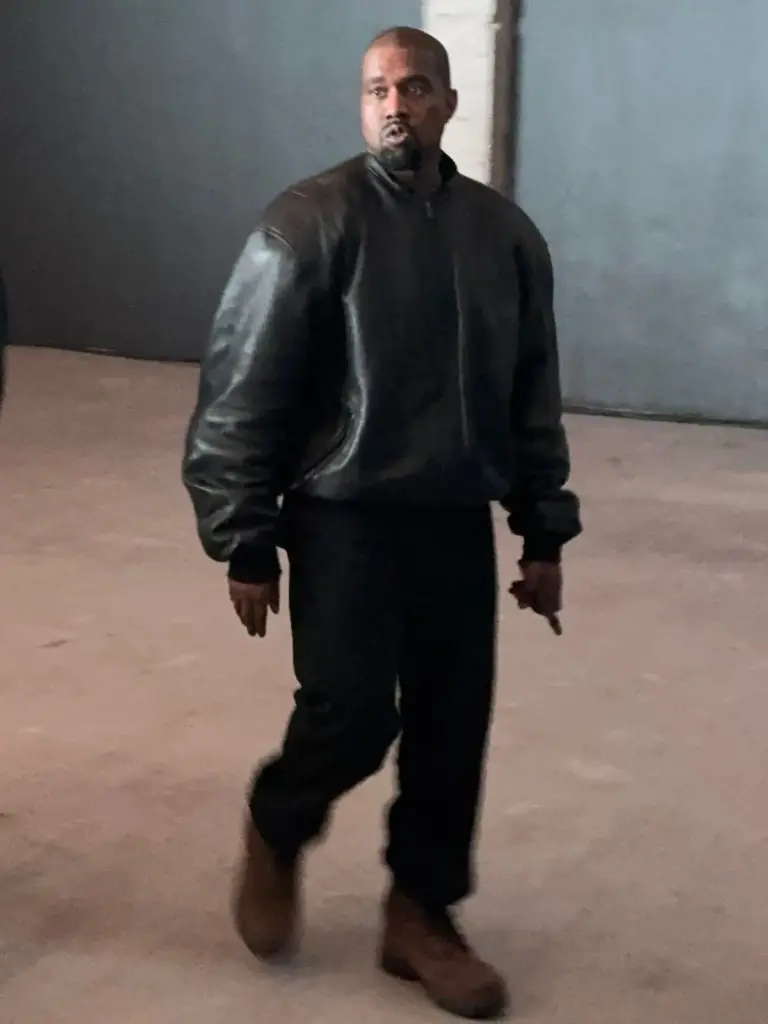
The intersection of international pop culture, geopolitical posturing, and historical sensitivities has once again landed in the global spotlight. Russian officials are reportedly grappling with a severe domestic and diplomatic dilemma regarding two high-profile concerts planned by the controversial American rapper formerly known as Kanye West—now officially known as Ye.
Initially scheduled to perform at St. Petersburg’s sprawling 68,000-seat Gazprom Arena on October 10 and 11—coinciding closely with Russian President Vladimir Putin’s 74th birthday—the rapper’s prospective visit was framed by some as a major coup for Moscow. Proponents of the event suggested it would serve as tangible proof that Russia remains culturally connected to the West, despite sweeping international isolation and economic sanctions stemming from the ongoing war in Ukraine.
However, the euphoria surrounding the announcement was short-lived. Behind the polished veneer of tour announcements and ticket sales lies an escalating power struggle within the Kremlin. Senior officials have reportedly raised red flags, arguing that welcoming a figure embroiled in intense controversy regarding antisemitic remarks, public praise for Adolf Hitler, and the commercial use of Nazi imagery could catastrophically backfire. Most critically, hosting Ye in St. Petersburg—historically known as Leningrad, a city synonymous with the horrific human cost of the Nazi siege during World War II—threatens to directly undermine the Kremlin’s core ideological narrative. For years, President Putin has relentlessly framed his military campaign in Ukraine as an existential crusade to "de-Nazify" the neighboring state. Allowing a celebrity linked to Nazi sympathizers to perform in a sanctuary of Soviet wartime suffering threatens to expose the regime to severe domestic hypocrisy and ideological backlash.
As conflicting reports emerge from Russian state media, municipal authorities, and event promoters, the future of the concerts remains deeply uncertain. While over 100,000 tickets have reportedly been snapped up by eager fans and tickets remain listed on official platforms, government sources indicate that a direct order "from above" may have already grounded the multimillion-dollar production.

Detailed Chronology: From Rumor to Regulatory Chaos
The trajectory of Ye’s proposed Russian tour has been marked by sudden pivots, contradictory statements, and a classic bureaucratic tug-of-war.
Phase 1: The Initial Announcement and Presidential Timing
The saga began gaining momentum when local promoters and entertainment networks began teasing a massive musical event in Russia’s cultural capital, St. Petersburg. The choice of venue—the Gazprom Arena—and the dates—October 10 and 11—immediately raised eyebrows. Coming hard on the heels of Vladimir Putin’s 74th birthday on October 7, rumors quickly circulated that the timing was far from coincidental. Whispers within political circles suggested that a high-level meeting between Putin and the American rapper was actively being considered.
Proponents within the Russian parliament viewed the concert as an opportunity to project soft power. Svetlana Zhurova, deputy chairwoman of the Russian parliament’s international affairs committee, fueled these speculations publicly. Commenting on the potential presidential audience, Zhurova remarked, "The main issue here is whether our president’s working schedule and the artist’s own schedule can be made to coincide. Hypothetically, such a possibility exists."
Phase 2: The Bureaucratic Reversal and "Calls From Above"
Despite the early enthusiasm, cracks in the planning quickly appeared. Within days of the initial buzz, the administration of the Gazprom Arena issued a stunning public retraction. Venue management declared that the shows could not and would not take place because no formal rental agreement had ever been signed with the organizers, despite earlier claims boasting that the booking was "no joke."

According to investigative reports from St. Petersburg outlet Fontanka, two high-ranking Russian government sources confirmed that the sudden about-face was triggered by an urgent directive "from above." While one source claimed that the necessary permits and approvals had failed to clear the proper state channels, another was more blunt, stating that the arena had received explicit instructions to cancel the booking immediately.
Phase 3: Promoter Pushback and Continuing Uncertainty
Refusing to back down, the event’s primary promoter, Say Agency, vehemently denied that the concerts had been called off. Anna Subcheva, head of Say Agency, dismissed the reports as a "fabricated information attack" orchestrated by malicious actors. Subcheva insisted that a binding contract had already been executed, that Ye had been paid a substantial financial advance, and that preparations were continuing as planned.
Yet, the Gazprom Arena stood its ground, issuing a formal clarification: "We have not signed any contracts to lease the stadium for this event. No such contract exists. Consequently, the concert cannot take place at our venue."
Despite the venue’s flat denial, ticket sales have continued online, and the dates remain stubbornly active on Ye’s official website. This administrative limbo leaves tens of thousands of ticket holders caught in the crossfire between corporate promoters and shadowy state directives.

Supporting Context & Financial Metrics
The controversy is not merely a logistical headache; it involves staggering financial stakes and a complex web of ideological contradictions.
The Financial Scale of the Enterprise
For an artist whose global touring schedule has faced significant hurdles due to his erratic public behavior and hate speech controversies, the Russian market represents a lucrative, albeit controversial, frontier. According to statements from Say Agency, Ye signed a comprehensive contract covering two massive stadium performances.
- Total Artist Fee: Reports indicate that Ye’s total compensation package for the two-night stint exceeds 1.5 billion Russian rubles, equating to roughly £11.8 million (approximately $15 million USD).
- Ticket Sales: Public demand inside Russia has proven remarkably resilient despite the geopolitical climate. Industry monitors estimate that over 100,000 tickets have already been purchased by fans eager to witness the rapper live, demonstrating the enduring, albeit polarizing, appeal of Western pop culture icons within urban Russian centers.
The Ideological Minefield: Nazism and the Ghost of Leningrad
While the financial incentives are clear, the ideological fallout presents a profound risk for the Kremlin. Over the past several years, President Putin and state-controlled media have relentlessly utilized the rhetoric of the Great Patriotic War (World War II) to legitimize domestic policy and foreign military actions. The invasion of Ukraine has been persistently branded as a modern crusade against "Nazism."
Hosting Ye in St. Petersburg introduces an explosive contradiction into this narrative. The city—historically named Leningrad—endured one of the most brutal and devastating military blockades in human history during World War II. The 872-day Nazi siege resulted in the deaths of approximately one million Soviet citizens, primarily from starvation and bombardment.

To invite an American artist who has openly praised Adolf Hitler, made unabashed antisemitic remarks, and attempted to market merchandise featuring Nazi symbolism into the heart of Leningrad is viewed by many ideological hardliners within the Russian establishment as an insult to the nation’s historical memory. Critics argue that allowing the concerts to proceed would make a mockery of the state’s official anti-Nazi propaganda, handing ideological ammunition to foreign adversaries and confusing domestic supporters.
Official Statements and Institutional Disconnect
The public-facing narrative surrounding the Kanye West concerts highlights a profound institutional disconnect within the Russian apparatus. Different branches of the government and corporate entities appear to be operating without a synchronized playbook, reflecting the chaotic internal dynamics of decision-making in Moscow.
-
Svetlana Zhurova (Deputy Chairwoman, State Duma International Affairs Committee):
Representing the legislative branch’s willingness to leverage pop culture for diplomatic signaling, Zhurova openly entertained the idea of a presidential meeting. Her comments underscored a desire to project normalcy and cultural openness, suggesting that high-level political integration with Western celebrity culture remains a tempting tool for regime validation. -
Gazprom Arena Management:
Representing the corporate and municipal reality, the venue’s administration abruptly shifted from initial boasting to strict legal defensiveness. By publicly stating, "No such contract exists," the arena effectively threw up a legal wall to distance itself from the unfolding political liability, pointing to missing paperwork as a convenient shield against state-level reprimand.
-
Anna Subcheva (Head of Say Agency):
Standing firm on the commercial agreements, the promoter’s leadership has pushed back against what it terms disinformation. By highlighting the substantial financial investment—including multi-million-ruble advances—Say Agency is fighting to protect its commercial interests and avoid massive financial liabilities to ticket holders and investors.
Future Outlook: Will the Show Go On?
As October approaches, the fate of Kanye West’s St. Petersburg concerts hangs in the balance. The situation serves as a fascinating case study in the modern authoritarian state, where commercial ambition, cultural escapism, and rigid ideological conformity constantly collide.
Several scenarios remain plausible as the Kremlin weighs its options:
- The Hard Cancellation: Given the escalating concerns over the ideological optics of hosting an artist tainted by Nazi associations in a city defined by its anti-fascist wartime martyrdom, security and ideological hardliners within the Kremlin are likely to win the day. A definitive, top-down ban issued under the guise of "public safety" or "administrative non-compliance" remains the most probable outcome.
- Relocation to a More Controlled Venue: If the state wishes to salvage the massive financial investment and avoid alienating the domestic fanbase entirely, authorities might quietly pressure organizers to move the concerts away from the high-profile Gazprom Arena in St. Petersburg to a less politically sensitive, smaller venue in a provincial city where historical sensitivities regarding World War II are less acute.
- A High-Risk Breakthrough: Should the promoters manage to navigate the bureaucratic labyrinth and secure final sign-offs from sympathetic factions within the administration, the concerts could proceed as planned. However, such an outcome would likely trigger intense internal debates among Russian nationalists and war hawks, exposing cracks in the regime’s carefully curated ideological facade.
For now, ticket holders continue to wait in limbo, while international observers watch closely to see whether the allure of Western celebrity capital can truly override the deep-seated historical narratives that govern modern Russian politics.