Executive Overview
The landscape of public health advocacy and celebrity transparency shifted slightly as Jon McEwan, husband to beloved Coronation Street icon Beverley Callard, shared a deeply personal and sobering update regarding his wife’s ongoing battle with breast cancer. Callard, 69, who announced her diagnosis earlier this year in February, recently completed several rounds of radiotherapy. However, as McEwan revealed via a candid social media broadcast, the path to recovery has been anything but straightforward. Despite crossing significant clinical milestones, the celebrated actress—renowned for her unforgettable three-decade portrayal of Rovers Return landlady Liz McDonald—continues to encounter unexpected medical roadblocks.
The update highlights a complex dynamic familiar to many families navigating oncology wards: the friction between a patient’s indomitable "warrior mentality" and the clinical imperative for radical rest. While medical professionals have advised Callard to slow down following recent scans that indicated "something wasn’t quite right," her relentless work ethic and psychological aversion to stillness have transformed her recovery into a daily test of endurance. This comprehensive report explores the timeline of Callard’s diagnosis, the emotional and physical toll on both patient and caregiver, the challenges of maintaining an active career in television amidst aggressive treatment, and the broader context of breast cancer recovery in the public eye.
Detailed Chronology of the Diagnosis and Treatment
To understand the current hurdles facing Beverley Callard and her family, it is essential to trace the timeline of events that began earlier this year.
The Initial Revelation (February)
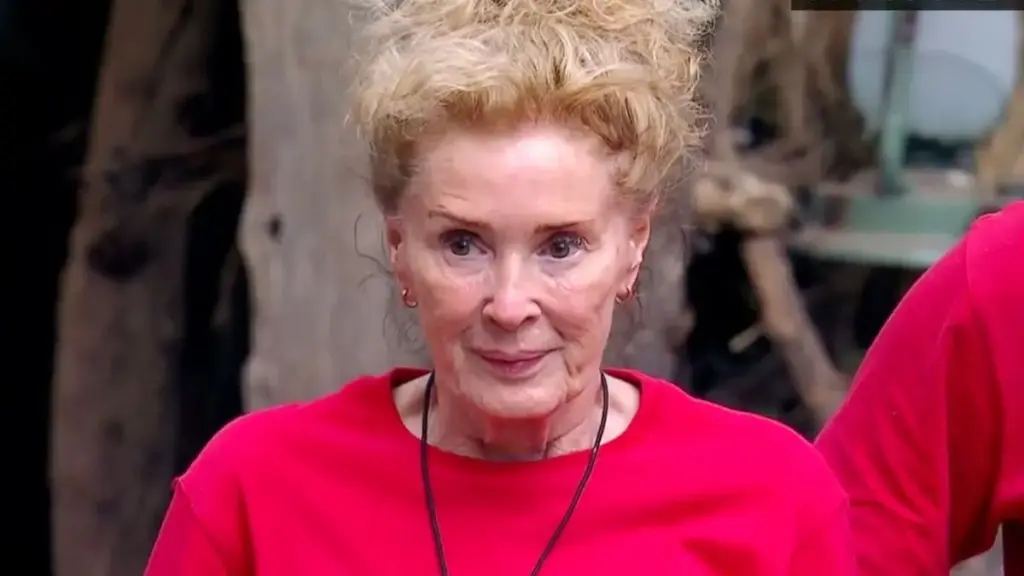
In February, Beverley Callard publicly shared her breast cancer diagnosis with her loyal fanbase. The news sent shockwaves through the British television and entertainment landscape, where Callard has remained a household name for decades. Known for her tenacity both on and off-screen—demonstrated previously during her memorable stint on I’m a Celebrity… Get Me Out of Here!—Callard approached the diagnosis with characteristic directness, pledging to face the disease head-on.
Relocation and Career Continuity
Amid her diagnosis and treatment planning, Callard and her husband made a significant lifestyle change. Earlier this year, the actress relocated to Ireland to join the cast of RTÉ’s long-running drama series Fair City. This ambitious career move underscored her determination not to let the diagnosis completely derail her professional aspirations. However, balancing a demanding shooting schedule in a new country with intensive cancer treatments introduced a formidable logistical and physical challenge.
Radiotherapy and Recent Medical Roadblocks
In the months following her diagnosis, Callard underwent several rounds of radiotherapy—a standard yet grueling protocol designed to eliminate residual cancer cells and reduce the likelihood of recurrence. While these treatments marked critical progress, recent developments have proven testing.
Earlier this week, Callard candidly informed her followers that medical professionals had ordered "further scans" after routine check-ups indicated that "something wasn’t quite right." This unexpected clinical development shattered the hope that she was on the immediate threshold of a clean bill of health. Compounding these medical concerns, Callard has suffered severe bouts of nausea, a common and debilitating side effect of ongoing oncological interventions.
The Caregiver’s Perspective: Jon McEwan Speaks Out
While Callard has historically managed her public updates through her own digital platforms, Tuesday marked a poignant shift as her husband of sixteen years, Jon McEwan, took to his personal Instagram account to provide a raw, unfiltered assessment of their current reality.
"Another Hurdle"
McEwan’s address cut through the polished veneer often associated with celebrity health updates. Reflecting on a recent hospital visit, he did not sugarcoat the emotional weight of their journey:
"We’ve had an update, I suppose. It wasn’t really that good the other day at the hospital. I think we’re waiting for them to say Bev is cancer-free, it’s all done. But every step you take to hopefully getting to the end of it all, there seems to be another hurdle."
This sentiment resonates deeply within the oncology community, where patients and families frequently grapple with "scanxiety" and the nonlinear nature of recovery. Healing from cancer is rarely a smooth ascent; rather, it is characterized by plateaus, unexpected setbacks, and rigorous follow-up evaluations.
The Conflict Between Rest and Drive
A central theme of McEwan’s update was Callard’s psychological relationship with stillness. While fans inundate her with well-wishes urging her to "take it easy" and rest, McEwan explained that putting this advice into practice is profoundly difficult for the actress.
"She’s really suffering from nausea so hopefully they’re addressing that, I read all the messages, and the messages people send to Beverley saying ‘Take it easy, rest’ but it’s not that easy. And with Beverley, she’s got this whole warrior mentality going on."
McEwan detailed how Callard’s inability to sit idle extends beyond her professional commitments on Fair City and bleeds into domestic life. Despite his repeated pleas for her to conserve her energy, Callard reportedly finds herself drawn to household projects—rearranging furniture, painting walls, and keeping her hands busy.
"She doesn’t listen and she’ll keep working. I keep saying stop. Not just Fair City, but at home as well. I turn around and there she is, moving tables, painting this, painting that," McEwan shared, punctuating his digital update with a visceral and defiant declaration: *"F** cancer!"
Supporting Context, Psychological Impact, and the Caregiver Burden
The intersection of major medical trauma, high-profile careers, and domestic life creates a complex psychological landscape. Callard’s recent admissions regarding her mental state shed light on the hidden internal battles fought by many cancer survivors.
The Torture of Inaction
During her own video update earlier in the week, Callard offered rare insight into the psychological hurdles of enforced rest. Far from experiencing clinical depression—she explicitly noted, "I’m not going into the depths of despair or depressed as such. I’m not there at all"—she described a mind that turns inward when physical activity ceases.
"He said I’m overdoing it, which I know. And he said I’ve got to rest a bit more, which I know. But it’s really hard because I just can’t because if I lay down because I’m tired, my mind tortures… I torture myself. So it’s quite hard."
For individuals accustomed to decades of high-energy performance, creative output, and public engagement, slowing down can trigger feelings of vulnerability and loss of control. Physical rest, while medically necessary, can paradoxically expose patients to psychological distress, transforming stillness into an arena of anxious rumination.
Perspective and Community
Despite the frustrations of impatience—"I’m not a very patient person!"—Callard has drawn strength from her encounters with fellow patients. Reflecting on her time in treatment facilities, she expressed profound humility:
"I was there with dozens of women who are all going through the same thing and many of them far worse. So, really, I thank my lucky stars."
Furthermore, Callard acknowledged the unique emotional strain placed on partners and loved ones. Noting that fans frequently approach her to ask after Jon’s well-being, she highlighted the invisible labor performed by caregivers like McEwan, who must balance emotional support, advocacy, and the day-to-day anxiety of watching a spouse navigate a life-threatening illness.
Official Statements and Public Response
The outpouring of support from the British public, entertainment colleagues, and advocacy organizations has been immense.
A Legacy of Resilience
Callard’s enduring place in British television history—cemented by her iconic run on Coronation Street as Liz McDonald, alongside memorable reality television appearances—has ensured that her health battle is followed by millions. Her willingness to speak openly about the vulnerabilities of cancer treatment breaks down the stoic tropes often forced upon public figures, offering a humanized perspective on recovery.
Health Advocacy and Resources
In light of Callard and McEwan’s disclosures, medical charities and support networks have reiterated the importance of holistic care for breast cancer patients and their families. Organizations such as Breast Cancer Support emphasize that recovery encompasses not only the physical eradication of malignant cells through surgery, radiotherapy, and systemic therapies, but also the management of treatment-related side effects (such as persistent nausea) and comprehensive psychological support for both patients and caregivers.
For readers affected by the issues raised in this report, free, confidential advice and support can be accessed via Breast Cancer Support.
Future Outlook
As Beverley Callard prepares for her upcoming medical scans, the immediate future remains defined by cautious navigation.
What Lies Ahead
- Clinical Evaluation: The upcoming scans ordered by her medical team will be critical in determining the efficacy of recent radiotherapy and addressing the clinical anomalies that prompted further investigation.
- Symptom Management: Addressing Callard’s persistent nausea will be a primary focus for her healthcare providers to enable safer, more sustainable levels of nutrition and physical comfort.
- The Pace of Recovery: The ongoing household negotiation between Callard’s drive to work and McEwan’s advocacy for rest highlights an ongoing domestic challenge. Finding a sustainable middle ground will be vital as she continues her multi-jurisdictional career commitments between the UK and her new home base in Ireland.
Ultimately, while the journey has presented "another hurdle," the unwavering resolve of Beverley Callard—bolstered by the steadfast support of Jon McEwan and an adoring public—remains a testament to resilience in the face of adversity.