Executive Overview
In the modern landscape of digital marketing, the line between organic creator-led content and corporate sponsorship has never been more porous. For over fourteen years, internet veterans Rhett McLaughlin and Link Neal—collectively known as the North Carolina-bred comedy duo Rhett and Link—have built an entertainment empire anchored by their flagship YouTube series, Good Mythical Morning (GMM). With thousands of episodes and millions of dedicated fans known as "Mythical Beasts," the show has established several recurring formats that capture the cultural zeitgeist. Among the most popular are their granular, highly opinionated "food feuds" and taste tests, where the duo compares fast-food items across different chains, regions, and preparation styles.
What happens when an organic, unprompted YouTube food test catches the eye of a Fortune 500 fast-food giant? In a masterclass of modern advertising agility, Burger King recently answered that question by transforming an independent Good Mythical Morning segment into a comprehensive, multi-pronged 360-degree promotional campaign.
Built around Burger King’s newly minted "Whopper Guarantee" and its customer-satisfaction initiative, the "Your Way Champions," this strategic partnership demonstrates the immense power of leaning into pre-existing organic conversations. Developed in collaboration with Google and Unreasonable Studios, the campaign leverages Google’s advanced ad solutions, connected TV (CTV) broadcasts, a dedicated two-week channel takeover, and integrated native episode sponsorships.
This deep-dive investigation explores the anatomy of the Burger King and Mythical Entertainment collaboration, analyzing how brands can successfully harness YouTube creator ecosystems, the strategic mechanics behind the "Whopper Guarantee" marketing push, and what this signals for the future of native creator-brand integrations.
Detailed Chronology: From Unscripted Critique to Corporate Partnership
To understand the magnitude of this campaign, one must trace its roots back to the unscripted, highly analytical content style that defines Good Mythical Morning.
Phase 1: The Organic Catalyst
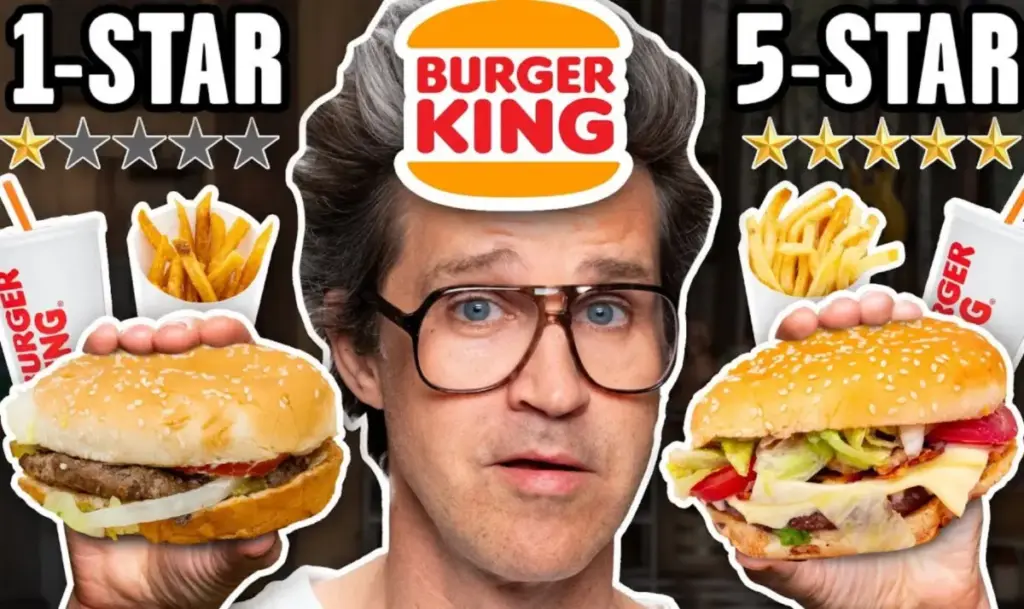
Months prior to the official partnership, Rhett and Link produced a Good Mythical Morning episode centered on a fast-food taste test that included the iconic Burger King Whopper. At the time, Burger King had introduced its bold new initiative: the "Whopper Guarantee," a corporate promise assuring consumers that the chain’s flagship burger would deliver uniform taste, quality, and presentation regardless of which location they visited.
Seizing upon this claim with the rigorous, tongue-in-cheek scientific methodology typical of their show, Rhett and Link decided to test the premise. Purchasing Whoppers from geographically distinct locations, the duo conducted a blind compare-and-contrast analysis to see if Burger King’s consistency claims held up under scrutiny. Because the segment was produced entirely independently, it represented pure, unfiltered consumer commentary—a rare and valuable commodity in contemporary fast-food marketing.
Phase 2: Corporate Recognition and Strategic Pivots
Burger King’s executive leadership and marketing teams monitor digital culture closely. Recognizing that Good Mythical Morning had essentially provided a high-profile, organic stress-test of their core brand promise, the company’s decision-makers saw an unprecedented opportunity. Rather than issuing cease-and-desists or ignoring the review—as legacy corporations might have done a decade ago—Burger King opted to lean directly into the dialogue.
The brand approached Mythical Entertainment with a proposal: take the concepts explored in the organic food feud and formalize them into an official, brand-sanctioned campaign. This marked a continuation of a burgeoning relationship, following previous collaborations where Rhett and Link promoted Burger King’s "Fiery Menu" via localized social media spots and Instagram reels.
Phase 3: The 360-Degree Activation Rollout
Once the partnership was finalized with the assistance of Google and Unreasonable Studios, the initiative rapidly scaled into a massive, omni-channel media blitz. The campaign was structured around several key pillars:
- The Official GMM Integration: A dedicated episode segment where Rhett and Link formally put the Whopper Guarantee to the test under official partnership guidelines, blending their signature humor with brand messaging.
- The "Your Way Champions" Spotlight: Expanding beyond the food itself, the hosts turned their attention to Burger King’s customer service initiatives, interacting with and validating the chain’s newly appointed "Your Way Champions"—internal leaders tasked with ensuring customer satisfaction and operational excellence across restaurants.
- Google-Powered Media Distribution: Leveraging Google’s sophisticated ad technology, Burger King deployed three custom-produced video spots starring Rhett and Link across YouTube and Connected TV (CTV) devices, maximizing demographic reach and targeting precision.
- The Channel Takeover: Mythical Beasts visiting the main Good Mythical Morning hub were greeted with a two-week channel takeover, saturating the digital ecosystem with synchronized Whopper messaging.
Supporting Context & Metrics: The Mechanics of Creator-Brand Synergy
The collaboration between Burger King and Mythical Entertainment is not merely a heartwarming story of internet creators making it big with a legacy brand; it is a clinical demonstration of modern media economics and platform-native advertising.
The Power of Authentic Creator Relationships
In the digital advertising sector, audience fatigue toward traditional, heavy-handed commercials is at an all-time high. Modern consumers—particularly Gen Z and Millennials who make up the core of the Good Mythical Morning viewership—possess highly sensitive "BS detectors." When a celebrity endorses a product they clearly do not use, audiences notice, and the campaign often backfires.

Conversely, when a brand aligns with creators who have already established an authentic relationship with the product, the dynamic changes entirely. Jacob Moncrief, President of Rhett and Link’s media company Mythical, highlighted this exact phenomenon in an official statement regarding the campaign:
"This partnership is a great example of what happens when a brand leans into an authentic creator relationship. Burger King recognized a conversation that was already happening on Good Mythical Morning, and together we turned it into a campaign that felt native to our audience while leveraging the scale of Google’s Creator Ads and YouTube ecosystem."
Navigating the YouTube and CTV Ecosystem
The technical execution of the campaign reflects where the modern media dollars are flowing: away from traditional linear television and directly into the hybrid ecosystem of YouTube and Connected TVs.
By utilizing Google’s Creator Ads solutions, Burger King was able to bypass the guesswork of traditional media buying. Instead of running generic ads on unrelated programming, the brand deployed Rhett and Link-led spots directly to users consuming content aligned with comedy, food, and digital culture. Furthermore, the inclusion of CTV placements recognized a fundamental shift in viewing habits: audiences are increasingly watching YouTube on their living room television sets, making digital creator content indistinguishable in scale and production value from network television.
Consumer Response and the "Whopper Guarantee"
Public reception to the campaign has been overwhelmingly positive. In the comments sections of the sponsored GMM episodes and across social media platforms like X (formerly Twitter) and Reddit, fans commended Burger King for its self-awareness. By allowing Rhett and Link to maintain their critical edge while promoting the product, the brand validated the integrity of the show’s "food feuds."
Ultimately, the campaign served a dual purpose for Burger King: it drove immediate product consideration for the Whopper while simultaneously building institutional trust in the "Whopper Guarantee" and the "Your Way Champions" initiative. Eaters tuning in learned firsthand that the corporate promise of consistency was backed by empirical testing from two of the internet’s most trusted culinary skeptics.
Official Statements & Industry Perspectives
The success of the Burger King x Mythical campaign has prompted discussions across the advertising and digital media industries regarding the evolving standards of corporate sponsorships.
- Jacob Moncrief (President, Mythical): Emphasized the symbiotic nature of the partnership, noting that the campaign’s success hinged on Burger King’s willingness to respect the organic tone of Good Mythical Morning rather than imposing rigid, traditional corporate messaging. By allowing the creators to bridge their existing content with brand objectives, both parties maintained creative integrity while achieving massive commercial reach.
- Burger King Corporate Communications: In framing the broader rollout of the "Your Way Champions" and the Whopper Guarantee, Burger King executives stressed that the initiative is part of an ongoing corporate effort to turn guest feedback into direct operational action. Partnering with Rhett and Link was viewed as an extension of this philosophy—listening to what internet consumers and prominent creators were saying about the brand and responding transparently.
- Media Analysts: Industry observers have pointed to this campaign as a blueprint for future brand-creator collaborations. Traditional media buying agencies are increasingly advising clients to monitor organic social media mentions, identifying micro-moments and viral creator segments that can be rapidly scaled into full-fledged national ad campaigns through programmatic tools like Google Creator Ads.
Future Outlook: What This Means for the Creator Economy
As the creator economy matures past its wild-west era into a multi-billion-dollar professional sector, campaigns like the Burger King and Mythical Entertainment partnership offer a clear window into the future of advertising.
1. The Death of the Hard-Sell Endorsement
Audiences no longer respond to detached celebrity endorsements filmed on soundstages. The future belongs to brands that integrate natively into existing creator universes. When a brand becomes part of an ongoing joke, a long-running review series, or a community-driven experiment, the ad feels less like an interruption and more like a continuation of the entertainment.
2. The Convergence of Digital and Linear Scale
With YouTube occupying an increasingly dominant share of living room screen time via Connected TVs, the traditional barrier between "digital creator" and "television star" has completely vanished. Burger King’s deployment of Rhett and Link across both digital feeds and CTV spots proves that YouTube creators are now the primary drivers of mass consumer awareness, rivaling or exceeding traditional Hollywood talent.
3. Agility as a Marketing Superpower
Perhaps the most important takeaway for corporate marketers is the value of agility. Burger King did not spend months developing a concept in a vacuum; they observed a real-time cultural moment happening on YouTube and moved quickly to anchor their brand to it. In an era where consumer sentiment shifts overnight, brands that possess the corporate flexibility to react to organic creator content will consistently outperform those bound by rigid, outdated marketing calendars.
Conclusion
By turning an unscripted Good Mythical Morning food feud into a comprehensive, multi-platform promotional blitz, Burger King and Mythical Entertainment have set a high-water mark for modern digital marketing. Through a combination of authentic creator relationships, cutting-edge Google ad distribution, and a healthy dose of self-awareness, the campaign proved that the "Whopper Guarantee" is far from a marketing myth—and that the future of advertising belongs to those brave enough to let the creators take the wheel.