Executive Overview
Navigating the appearance of age spots—medically recognized as solar lentigines or colloquially dubbed sun spots—is a quintessential milestone of chronological maturity. Far from being harmless cosmetic anomalies, these ubiquitous hyperpigmented zones represent an enduring biological archive of cumulative ultraviolet (UV) radiation exposure. Unlike transient post-inflammatory hyperpigmentation (PIH) left in the wake of acne lesions or hormonally driven conditions like melasma, age spots are characterized by a deep-seated cellular persistence. Over decades of photo-exposure, localized melanocytes—the melanin-synthesizing cells residing within the basal layer of the epidermis—are repeatedly signaled to ramp up pigment production. Eventually, these cells enter a hyper-activated state, continuously manufacturing and distributing melanin long after the environmental trigger has passed.
Addressing these stubborn discolorations requires more than a casual swipe of an over-the-counter brightening cream. It demands an understanding of cellular biology, a discerning eye for differential diagnosis, and a disciplined, long-term therapeutic regimen. Board-certified dermatologists emphasize that tackling age spots effectively involves a dual-pronged strategy: pairing potent, multi-pathway topical formulations with professional, in-office clinical procedures. Furthermore, because hyperpigmentation can occasionally masquerade as more ominous pathologies, such as melanoma or atypical lentigo maligna, professional evaluation remains the indispensable starting point.
This comprehensive report synthesizes insights from leading dermatological experts to examine the underlying mechanisms of solar lentigines, evaluate the efficacy of gold-standard topical ingredients—including vitamin C, targeted acids, and retinoids—and outline the procedural interventions required to restore an even, luminous complexion.
Detailed Chronology: The Lifecycle and Pathophysiology of Solar Lentigines
To effectively treat age spots, one must first understand their biochemical genesis. The formation of a solar lentigo is not an overnight event; it is the culmination of a multi-year, often multi-decade cellular narrative.
Phase 1: Cumulative UV Insult and Melanocyte Activation
During youth and young adulthood, repeated exposure to ultraviolet A (UVA) and ultraviolet B (UVB) radiation inflicts micro-damage upon epidermal keratinocytes and melanocytes. Ultraviolet light acts as a potent stressor, generating reactive oxygen species (ROS) that induce oxidative stress and DNA damage within skin cells. In self-defense, keratinocytes release signaling peptides—such as $alpha$-melanocyte-stimulating hormone ($alpha$-MSH)—which bind to receptors on neighboring melanocytes, urging them to produce protective melanin to shield the skin’s nuclei from further genetic injury.
Phase 2: Cellular Imprinting and Overdrive
Over time, chronic, localized UV exposure alters the baseline behavior of specific clusters of melanocytes. These cells become functionally "imprinted" or locked into a state of chronic hyperactivity. As board-certified dermatologist Dr. Aderonke Obayomi explains, these pigment-producing cells "stay switched on even when you are out of the sun." This persistent activation explains why a sun spot acquired in one’s twenties or thirties remains stubbornly anchored to the epidermis, refusing to fade simply due to a temporary respite from outdoor activities.
Phase 3: Textural Degeneration and Pigment Accumulation
Age spots are rarely confined to a simple change in hue. As Dr. Rachel Nazarian, a board-certified dermatologist in New York City, notes, solar lentigines frequently present with an accompanying structural shift. The sustained solar damage breaks down underlying collagen and elastin matrices, resulting in a distinctly dry texture and, for many individuals, rough, scaly micro-patches across the surface of the skin. Consequently, successful therapeutic intervention must target both the surplus pigment nestled within the epidermal layers and the compromised, photo-aged cellular architecture surrounding it.
Supporting Context & Metrics: Navigating Skin-Care Lookalikes and Diagnostic Hurdles
One of the most perilous pitfalls in treating hyperpigmentation is misdiagnosis. Not every brown patch on the skin is a benign solar lentigo. Failing to distinguish between different forms of dyschromia can lead to ineffective treatments, wasted financial investment, and, in worst-case scenarios, delayed detection of cutaneous malignancies.
The Hyperpigmentation Differential Diagnosis
| Condition | Primary Drivers | Typical Presentation | Diagnostic & Therapeutic Approach |
|---|---|---|---|
| Solar Lentigines (Age Spots) | Cumulative UV exposure, photo-damage. | Well-demarcated, discrete brown or tan macules on sun-exposed areas (face, hands, chest). | Targeted topicals (retinoids, vitamin C, acids) and procedural interventions (lasers, IPL). |
| Melasma | Hormones (estrogen/progesterone), heat, UV radiation. | Larger, symmetrical, confluent patches typically distributed across the cheeks, upper lip, and forehead. | Gentle tyrosinase inhibitors, strict sun/heat avoidance; aggressive lasers can worsen condition. |
| Post-Inflammatory Hyperpigmentation (PIH) | Trauma, inflammation, acne lesions, bug bites, scratches. | Irregularly shaped dark marks matching the footprint of prior cutaneous injury. | Anti-inflammatory agents, gentle exfoliants, soothing brighteners (azelaic acid). |
| Atypical Lesions / Skin Cancer | Genetic predisposition, chronic UV damage, oncogenic mutations. | Asymmetrical borders, color variegation, evolving size or shape, distinct appearance from surrounding moles ("ugly duckling" sign). | Immediate biopsy and dermatological excision. |
The Imperative of Professional Evaluation
The clinical consensus is unequivocal: initiating any aggressive brightening regimen should begin in a dermatologist’s office. "If a spot is changing in size, shape, or color, or simply looks different from everything else on your skin, that needs a professional eye promptly, because some skin cancers present as a dark spot," warns Dr. Obayomi. Melanoma and lentigo maligna can easily mimic benign sun spots to the untrained eye, making clinical dermatoscopy a non-negotiable first step.
Official Statements & Expert Analysis: Topical Innovations and Multi-Pathway Strategies
While in-office procedures—such as intense pulsed light (IPL), chemical peels, and fractionated lasers—deliver rapid, dramatic clearance of unwanted pigment, topical maintenance remains the cornerstone of long-term skin health. According to Dr. Nazarian, topical serums and creams can achieve profound results when managed with realistic expectations. Because over-the-counter formulas operate at a more gradual pace than medical-grade clinical interventions, consistency is paramount. The most sophisticated modern formulations utilize multi-pathway mechanisms, simultaneously blocking melanin synthesis, accelerating cell turnover, and neutralizing oxidative stress.
1. Vitamin C: The Antioxidant Shield and Brightener
Vitamin C (L-ascorbic acid) remains a gold standard in morning antioxidant routines. Dr. Nazarian highlights its dual utility: it blocks pigment formation by inhibiting the tyrosinase enzyme and actively decreases the development of additional melanin in response to environmental triggers. Furthermore, as an antioxidant, it synergizes with daily sunscreen to intercept free radicals.
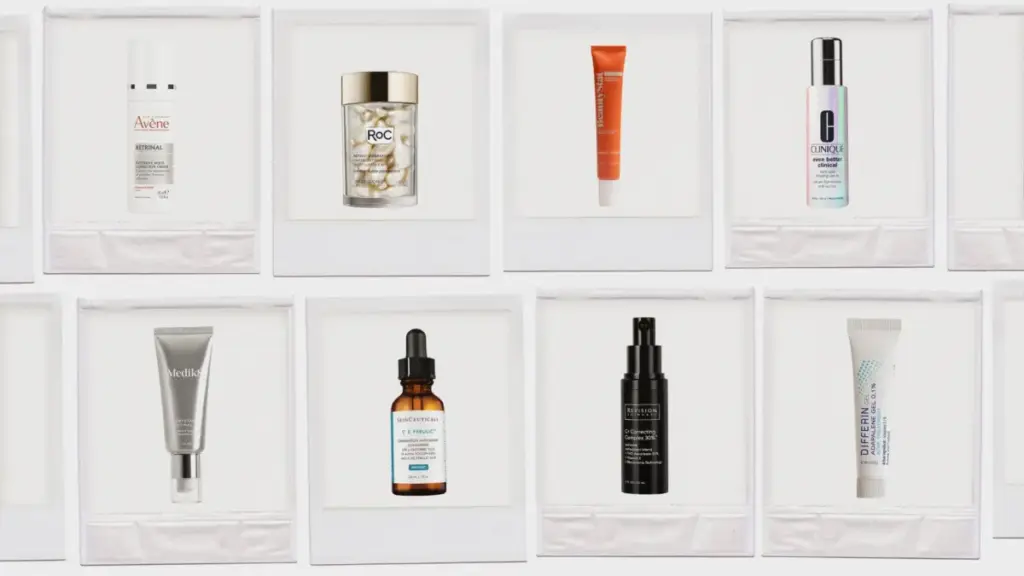
- SkinCeuticals C E Ferulic: A legendary formulation recently modernized through reformulation. The synergistic triad of 15% pure L-ascorbic acid, 1% vitamin E, and ferulic acid neutralizes free-radical damage while visibly brightening persistent discoloration over time.
- Clinique Even Better Clinical Dark Spot Clearing Serum: A sophisticated multi-action serum praised by Dr. Nazarian for combining salicylic acid with vitamin C and niacinamide. This formulation addresses dark spots, age spots, and chronic redness simultaneously—concerns that frequently co-exist in mature, photo-aged skin.
- BeautyStat Universal C Skin Refiner & Revision Skincare C+ Correcting Complex: Exceptional alternative formulations that stabilize potent vitamin C derivatives to optimize delivery without triggering irritation.
2. Gentle Acids and Exfoliating Agents
Chemical exfoliants—ranging from traditional alpha-hydroxy acids (AHAs) like glycolic acid to beta-hydroxy acids (BHAs) like salicylic acid—gently slough away the outermost layer of sun-damaged dead cells, encouraging rapid replacement with fresh, unblemished skin. However, dermatologists issue a strict caveat regarding overuse.
"Overexfoliating causes inflammation, and inflammation causes more pigment," cautions Dr. Obayomi. "I regularly see patients who ended up darker than when they started because they doubled up on acids trying to speed things along."
For sensitive skin or complexions prone to concurrent inflammatory breakouts, alternative non-aggressive acids offer superior tolerability:
- Azelaic Acid: Highly regarded for its ability to normalize keratinization, calm inflammation, and selectively inhibit hyperactive melanocytes without compromising healthy tissue. The Ordinary Azelaic Acid Suspension 10% and Medicube Exosome Shot Azelaic Acid are standout accessible options.
- Tranexamic Acid: A newer ingredient in the pigment-correction arena that intercepts melanin synthesis at a distinct biochemical pathway. Well-tolerated across diverse Fitzpatrick skin tones, it features prominently in formulations like Murad Rapid Dark Spot Correcting Serum (paired with glycolic acid).
3. Retinoids: The Cellular Workhorses
Retinoids—including retinol, retinaldehyde, and prescription-strength tretinoin—are widely considered the ultimate workhorses for age spots and overall photo-aging.
"A retinoid is the workhorse for age spots—and it is worth the adjustment period," notes Dr. Obayomi.
By binding to retinoic acid receptors within skin cells, retinoids accelerate cellular turnover, pushing pigmented cells upward and outward, while simultaneously downregulating the transfer of melanosomes to surrounding keratinocytes.
- RoC Retinol Correxion Line Smoothing Night Serum Capsules: Individually sealed capsules that protect unstable retinol molecules from the degrading effects of light and air while taking the guesswork out of dosing.
- Avène Retrinal 0.1% Intensive Multi-Corrective Cream: Recommended by Dr. Nazarian, this formula utilizes retinaldehyde (retinal), a direct precursor to retinoic acid that offers remarkable clinical efficacy with superior tolerability compared to harsher prescription alternatives.
- Differin 0.1% Adapalene Gel: Originally formulated for acne vulgaris, this stable, over-the-counter retinoid is championed by Dr. Obayomi for patients battling concurrent adult breakouts and post-inflammatory hyperpigmentation.
4. Sunscreen: The Absolute Non-Negotiable
Without rigorous, daily photoprotection, every other step in an age-spot regimen is rendered entirely obsolete. Unprotected sun exposure continues to stimulate melanin synthesis, immediately reversing months of diligent corrective work.
However, standard chemical sunscreens are insufficient for individuals prone to stubborn hyperpigmentation. Dermatologists emphasize the absolute necessity of tinted mineral sunscreens formulated with iron oxides.
"The iron oxides that create the tint block visible light, and visible light is a genuine driver of pigment, particularly in medium and deep skin tones," explains Dr. Obayomi. "A clear sunscreen protects against UV, but leaves that pathway wide open."
Top dermatological recommendations include La Roche-Posay Anthelios Tinted Mineral Light Fluid SPF 50, ISDIN Eryfotona Ageless Tinted Mineral Face Sunscreen, and EltaMD UV Clear Face Sunscreen.
Future Outlook & Preventative Longevity
Reversing established solar lentigines requires patience, discipline, and realistic biochemical timelines. According to clinical guidelines, individuals must commit a new regimen to a 12-week trial before assessing its ultimate efficacy—provided that daily broad-spectrum sunscreen is worn without exception. While general improvements in skin luminosity and radiance typically manifest within four to eight weeks, individual, deeper-seated spots require the full 12-week runway to significantly fade.
The greatest impediment to successful skin transformation is impatience. As Dr. Obayomi aptly summarizes, “The two-week check-in is where good routines go to die. People decide it is not working, swap everything out, start over, and never give any single product enough runway to prove itself.” To counteract this impulse, practitioners recommend capturing a baseline photograph on Day One and repeating the image three months later to objectively evaluate progress.
Proactive Intervention: Starting Early
While nomenclature suggests age spots are an inevitable burden of advanced senior years, modern dermatological science advocates for proactive prevention. Dr. Nazarian recommends integrating brightening and protective antioxidant ingredients into one’s skincare regimen as early as the mid-20s. For individuals with lighter skin types, a history of blistering sunburns, or a genetic predisposition to dyschromia, establishing an aggressive preventative routine early in life acts as a formidable biological shield, ensuring radiant, even-toned skin for decades to come.