The illusion of Hollywood wealth is one of the entertainment industry’s most enduring masterpieces. To the outside observer, the red carpet is a glittering expanse where multi-million-dollar paychecks are parlayed into effortless luxury. Yet, beneath the veneer of haute couture gowns, private jets, and sprawling compounds lies a complex, often startlingly modest financial reality. A recent deep-dive profile of self-described "Image Architect" Law Roach has once again thrust the economics of celebrity culture into the spotlight, exposing the long, grinding climbs, meager beginnings, and steep operational overheads that define life behind the scenes.
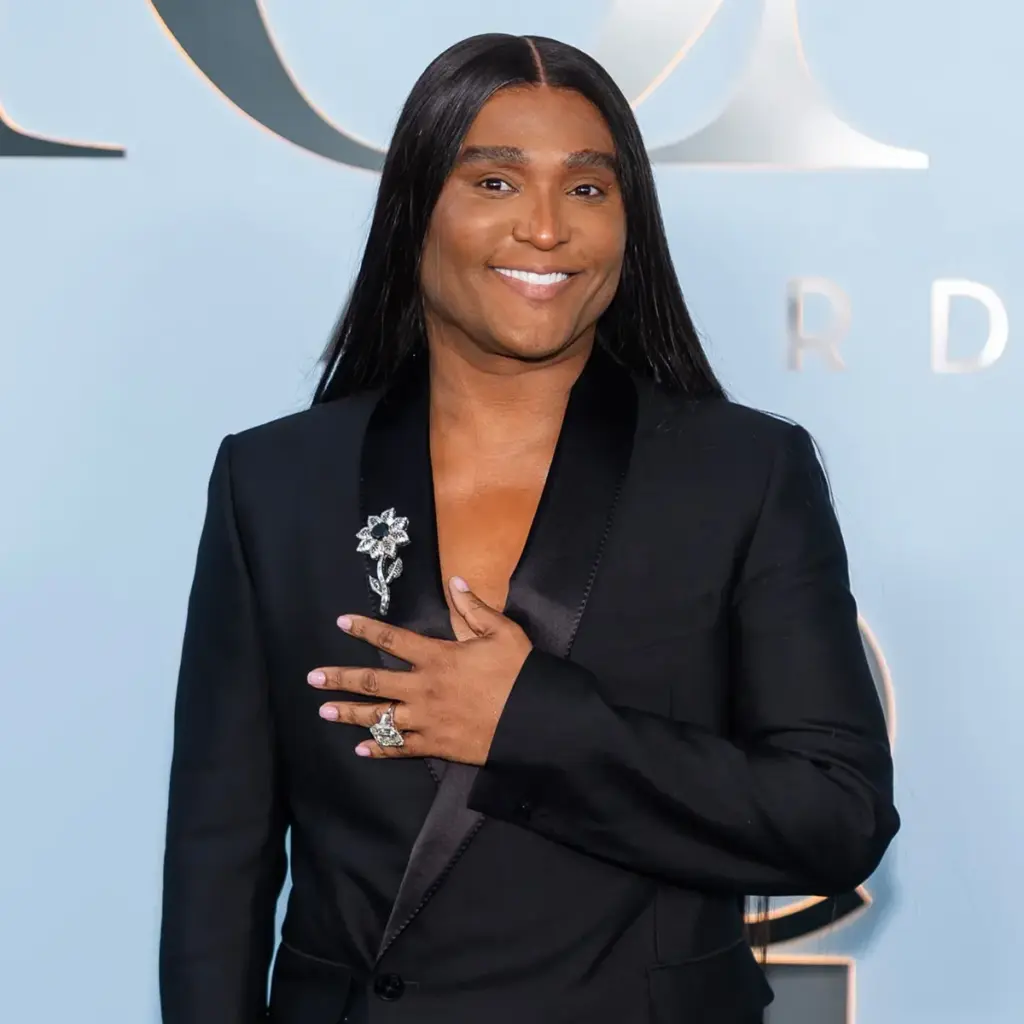
Roach, renowned for crafting iconic looks for superstars like Zendaya, Ariana Grande, and Céline Dion, pulled back the curtain in a candid interview, detailing a career built on incremental financial growth rather than overnight riches. His revelations—ranging from a humble starting salary of $700 a day to a modern business model that shuns the multi-thousand-dollar floor rates of supermodels—offer a rare, authoritative look into the micro-economics of elite styling.
However, Roach’s story is far from an anomaly. Across the broader entertainment landscape, a sweeping retrospective of star confessions reveals a paradox at the heart of Hollywood: the artists who anchor multibillion-dollar franchises, Oscar-winning films, and iconic television series frequently begin their journeys working for scale, pennies, or free sandwiches. From Steve-O’s $1,500 payout for the inaugural, death-defying season of Jackass to Cate Blanchett earning little more than "free sandwiches" for the global phenomenon The Lord of the Rings, the financial architecture of fame is frequently built on deferred dreams, heavy taxation, and massive commission structures. This report examines the true cost of looking—and being—a million bucks, tracing the trajectory from entry-level survival to high-stakes industry compensation.
Detailed Chronology: Law Roach’s Ascent from $22K a Year to High-Fashion Empire
The journey of Law Roach from a Chicago vintage store owner to one of Hollywood’s most sought-after stylists is a study in calculated persistence. Long before he was dictating trends on the red carpet or judging contestants on Project Runway and RuPaul’s Drag Race, Roach navigated a thoroughly unglamorous professional path.
Upon graduating from college, Roach took a position at a mental health facility, earning an annual salary of $22,000. Taking home roughly $600 every two weeks, he faced the predictable apprehension of a working-class family when he elected to walk away from a stable job with institutional benefits.
[2010s: Chicago Vintage Store] ──> [$700/Day Early Styling] ──> [Strategic Price Scaling: $1.5K -> $3K -> $6K] ──> [Elite Hollywood Status]Transitioning into fashion around 2010 following the success of his vintage retail venture, Roach entered an industry where prestige does not immediately translate to profit. As he detailed in his August interview with GQ, his early pricing structure was remarkably grounded:
- Initial Phase: ~$700 per day.
- Growth Phase: Scaled deliberately to $1,500, then $3,000, and eventually $6,000 per day as his portfolio and reputation expanded.
- Current Status: Refuses to establish a rigid baseline akin to 90s supermodel Linda Evangelista’s famous "$10,000 a day just to get out of bed" mandate, instead pricing dynamically based on the client and the scope of work.
Today, Roach describes his financial standing not as "rich," but as "comfortable"—a psychological milestone defined by the ability to make a retail purchase without immediately checking his bank account. This stability has funded a curated collection of Hermès bags, a ruthless auction habit he openly characterizes as his primary "addiction," and the strategic acquisition of the house directly next to his own to construct a private residential compound.
Supporting Context & Metrics: The Anatomy of a Hollywood Paycheck
Law Roach’s candid accounting of his financial evolution mirrors a broader economic reality across Hollywood, where upfront compensation is routinely dwarfed by hidden costs, taxes, and representation fees. An examination of historical contracts reveals that financial vulnerability is a rite of passage for many of the industry’s most recognizable faces.
The Scale and the Struggle: Entry-Level Disparities
The gap between cultural impact and financial compensation is often staggering during an artist’s breakthrough phase:
- Steve-O (Jackass): Following taxes, the daredevil received less than $1,500 for the entire first season of MTV’s culture-shifting series in 2000, leaving him broke, unemployed, and temporarily homeless.
- Jonah Hill (The Wolf of Wall Street): Earning the minimum legal amount possible—$60,000 before commissions and taxes—Hill accepted the nominal fee purely for the opportunity to work with Martin Scorsese, noting he would have sold his house to fund the collaboration.
- Rebel Wilson (Bridesmaids): Wilson’s $3,500 paycheck for her breakout role was entirely consumed by the Screen Actors Guild (SAG) union initiation fee, netting her a financial return of zero dollars while launching her international career.
- Jamie Lee Curtis (Halloween): The legendary scream queen earned a modest $2,000 a week ($8,000 total) for John Carpenter’s 1978 horror masterpiece, reflecting an era where indie productions operated on a shoestring budget.
The Mathematics of Subtraction: Taxes and Teams
Public perception of celebrity wealth routinely ignores the aggressive cascade of deductions applied to gross earnings. As industry veterans frequently point out, top-line salaries are radically diminished before hitting a star’s personal account:
- Federal and State Taxes: "Uncle Sam" routinely claims up to 50% of high-bracket earnings.
- Representation & Legal Fees: Agents, business managers, publicists, and attorneys command standard cuts (typically 10% to 20% for agents/managers, and up to 5% for legal counsel).
- Production Overhead: Supporting teams, stylists, glam squads, and travel logistics must be paid out-of-pocket.
Taraji P. Henson famously broke down the mathematics of her $150,000 salary for The Curious Case of Benjamin Button (after producers rejected her $500,000 quote): out of the initial sum, taxes claimed half, and team commissions claimed another 30% of the remainder, reducing her net take-home pay to roughly $40,000. Similarly, Rebel Wilson noted that despite netting massive paydays for later hits like Pitch Perfect 3, nearly 50% went to taxes, alongside double-digit percentages for representation.
Official Statements & Industry Perspectives
The discourse surrounding pay equity and undercompensation in Hollywood spans decades, crossing the lines of gender, tenure, and genre.
"I’m not Linda Evangelista. I’m never going to say I don’t get out of bed for less than $10,000 a day." — Law Roach
While Roach maintains a pragmatic approach to his styling fees, major actors have increasingly utilized their platforms to address structural pay disparities:
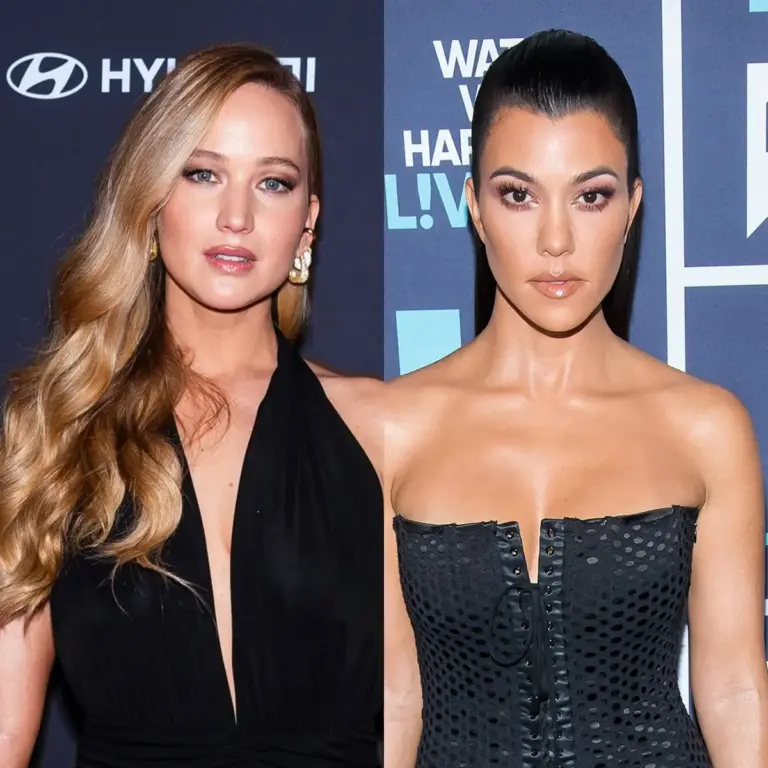
- The Gender Pay Gap: Jennifer Lawrence addressed the systemic discomfort surrounding equal pay negotiations after discovering the vast margin between her compensation and her male co-stars in films like Don’t Look Up and American Hustle. Lawrence clarified that her crusade was never about rejecting high sums, but about combating systemic unfairness.
- The Streaming Residual Crisis: The 2023 SAG-AFTRA and WGA strikes brought the financial realities of the streaming era into sharp focus. Actors like Tommy Dorfman revealed earning a mere $29,953.24 for the entire first season of Netflix’s global phenomenon 13 Reasons Why—a show that accumulated nearly half a billion view hours in its first month—highlighting the absence of sustainable back-end residuals on subscription video-on-demand platforms.
- The Franchise Paradox: Despite generating billions at the box office, blockbuster ensembles frequently trade upfront wealth for exposure. Cate Blanchett famously noted on Watch What Happens Live that her work on Peter Jackson’s The Lord of the Rings trilogy yielded little more than "free sandwiches" and her prosthetic elf ears, while Orlando Bloom pulled in $175,000 for the entire multi-year epic.
Future Outlook
As the entertainment and fashion industries evolve, the traditional financial models governing talent compensation are undergoing a systemic re-evaluation. The transparency brought forth by stylists like Law Roach, combined with the legislative and union victories secured by recent guild strikes, points toward a more realistic public understanding of celebrity economics.
Key trends shaping the future of celebrity finance include:
- Diversification of Income Streams: Modern stylists and actors increasingly rely on equity stakes, brand ownership, and digital monetization rather than relying solely on day rates or box-office points.
- Residual Reform: Ongoing negotiations regarding streaming residuals will continue to redefine how legacy content compensates its creators, ensuring that breakout hits on platforms like Netflix and Disney+ provide long-term financial security rather than flat upfront fees.
- Radical Transparency: The era of guarded mystique surrounding celebrity paychecks is fading. As cultural figures openly discuss taxes, commission structures, and the grueling climb from poverty to comfort, the myth of instant, effortless Hollywood wealth is steadily being replaced by a narrative of resilience, negotiation, and strategic entrepreneurship.