Denim remains the absolute cornerstone of the modern wardrobe—a foundational textile capable of anchoring everything from casual campus streetwear to polished office-siren looks. As the fashion industry pivots toward the cooler months of Fall 2026, the denim landscape is experiencing a radical yet comforting shift. Moving away from the rigid, hyper-minimalist silhouettes of previous years, the upcoming season prioritizes cool comfort, tactile richness, and an eclectic mix of retro nostalgia and modern utilitarianism.
For the Fall 2026 back-to-school season, trendsetters and everyday dressers alike are encouraged to step outside their comfort zones. Whether it is through the laid-back energy of loose, low-slung silhouettes, the textural depth of ’70s-inspired patchwork, or the opulent, over-the-top detailing of early 2000s Y2K fashion, denim is reclaiming its space as a primary vehicle for radical self-expression. Furthermore, the accessibility of these trends—bolstered by the rising popularity of thrifting, DIY customization, and secondhand shopping—ensures that sustainable, highly personalized style remains at the forefront of contemporary fashion culture.
Detailed Chronology: The Evolution of Denim Silhouettes
The trajectory of denim over the past several seasons has been a fascinating study in pendulum swings. From the hyper-restrictive skinny jeans of the early 2010s to the pandemic-era obsession with elastic loungewear, the market has finally settled into an era that values architectural volume paired with relaxed structural ease.
The Rise of the Low-Slung and Extra Baggy Fit
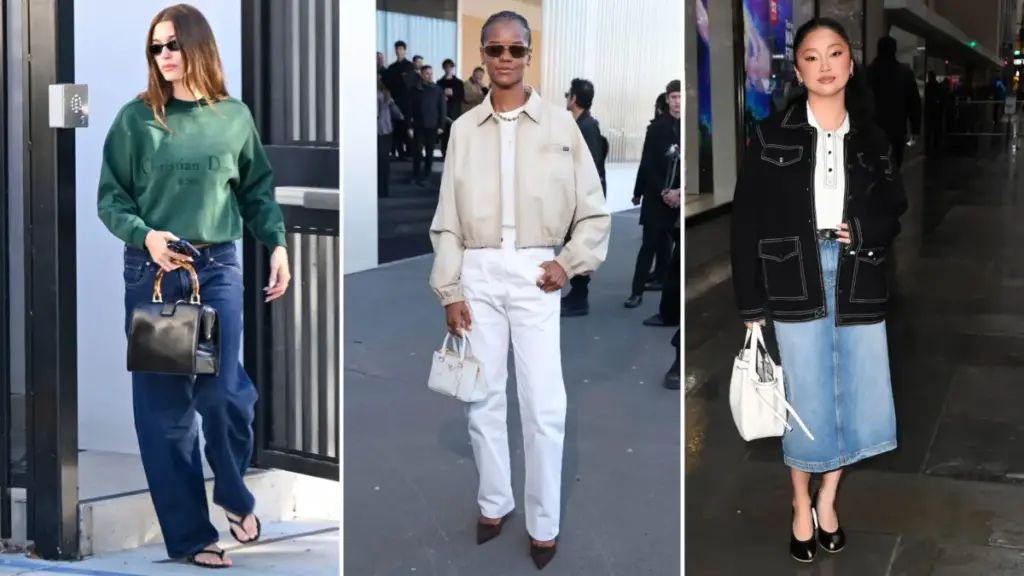
The early phases of the decade laid the groundwork for oversized fits, largely championed by style icons like Hailey Bieber, whose highly publicized collaborations and personal street style popularized ultra-baggy silhouettes. By Fall 2026, this trend has evolved past mere experimentation into a wardrobe staple. Brands like Gap and Madewell have perfected the low-slung, extra-baggy jean, offering a relaxed aesthetic that sits comfortably on the hips while pooling effortlessly over footwear.
The Return of the ’70s: Patchwork and Bell-Bottoms
As cyclical fashion trends continue to draw inspiration from the 1970s, Fall 2026 marks a massive resurgence for bohemian and textured denim motifs. Patchwork jeans—once a hallmark of DIY counterculture—have transitioned to mainstream retail racks, offering multi-wash dimensions that add immediate visual interest to any outfit. Concurrently, bell-bottoms and super-flared silhouettes are dominating the footwear landscape, encouraging wearers to play with elevated heel heights and structured tops to balance the dramatic, swingy hemlines seen on runways from New York to Paris.
The Utilitarian Shift: Carpenter Pants and Jorts
Functionality meets fashion through the continued dominance of carpenter pants and elongated shorts, commonly referred to as "jorts." Originally designed for manual labor, carpenter jeans have been reinvented by labels like Madewell and Levi’s, featuring oversized utility pockets and hammer loops that double as practical storage for campus essentials. Similarly, knee-length Bermuda denim shorts have successfully bridged the gap between summer warmth and fall transitional weather, proving that heavy-weight denim is no longer restricted to full-length trousers.
Supporting Context & Metrics: Market Trends and Sustainability
The shifting dynamics of the Fall 2026 denim market are heavily influenced by broader economic, cultural, and environmental shifts. Understanding these metrics provides crucial context for why specific styles are capturing consumer attention.
Denim Trend Category
Key Silhouette / Detail
Dominant Wash / Finish
Primary Retail Drivers
Baggy & Relaxed
Low-Slung Extra Baggy / Barrel
Vintage Indigo, Shaded White
Gap, Madewell, Levi’s
Retro & Bohemian
Bell-Bottoms, Patchwork
Multi-Tone Wash, Raw Edges
American Eagle, Torrid
Utilitarian
Carpenter Pockets, Knee-Length Jorts
Medium Wash, Washed Black
Madewell, Levi’s, Dickies
Y2K Revival
Lace-up Hems, Embellishments
Light Wash, Suede Accents
Abercrombie & Fitch, Thrift
Alternative Cuts
Pleated Mini / Midi Skirts
Dark Academia Indigo, Bleach
Levi’s, The RealReal
The Thrifting and DIY Economy
According to retail analytics within the youth apparel sector, Gen Z and younger consumers are increasingly bypassing traditional fast-fashion retailers in favor of secondhand markets, vintage stores, and custom DIY alterations. The popularity of early 2000s opulent looks—such as bedazzled hardware, studded waistbands, and lace-up leg details—has driven a surge in thrift store scavenging. Consumers are actively seeking out vintage ’70s bell-bottoms and oversized denim jackets to modify them with custom patches, raw hems, and structural tailoring, ensuring complete sartorial individuality.
Fabric Innovation and Transitional Weather Needs
With climate unpredictability extending transitional weather patterns well into October and November, brands have engineered lightweight yet durable denim blends. The proliferation of denim midi skirts, capris, and lightweight cotton-blend trousers allows consumers to layer effectively without overheating during warm autumn afternoons, extending the lifecycle of summer silhouettes into the academic year.
Official Statements and Industry Perspectives
Leading voices in fashion design and retail marketing have weighed in on the psychological and aesthetic motivations driving the Fall 2026 denim collections.
"Denim is the ultimate canvas for identity. When we look at what young consumers are demanding for back-to-school 2026, it isn’t about fitting into a mold—it’s about finding a silhouette that alters your posture, changes how you walk, and lets you take up space. Whether that’s an exaggerated barrel leg or a dramatic ’70s flare, denim is stepping away from passive basics and becoming the loudest piece in the outfit."
— Senior Denim Product Developer, Major Global Retailer
Industry analysts also emphasize the role of celebrity endorsement in solidifying these trends. The omnipresence of figures like Hailey Bieber, Sabrina Carpenter, and Alexa Chung sporting everything from structured carpenter pants to utilitarian denim capris has accelerated mainstream adoption.
Furthermore, sustainability advocates within the fashion space praise the pivot toward secondhand sourcing. "The appetite for archival pieces, whether sourced from luxury resale platforms like The RealReal or local thrift shops, proves that the most sustainable garment is the one already in circulation," notes a leading sustainable fashion researcher. "When consumers choose patchwork, DIY alterations, or vintage mid-length skirts over mass-produced virgin denim, they are directly challenging the linear consumption model of the past."
Future Outlook: Where Denim is Headed Next
As the industry looks beyond the immediate back-to-school rush and projects stylistic trajectories for the remainder of the decade, several key conclusions emerge regarding the future of denim:
Total Denim Integration: The boundary-pushing approach to denim—expanding past standard trousers into accessories, footwear (such as denim-wrapped sneakers and heels), and outerwear—is projected to solidify. Monochromatic Canadian tuxedos and multi-textural denim layering will remain vital styling techniques.
Material Sustainability: Expect a continued acceleration in circular fashion initiatives. Major manufacturers are heavily investing in post-consumer recycled cotton blends, waterless dyeing techniques, and closed-loop manufacturing processes to meet stringent environmental standards demanded by younger consumer demographics.
Gender-Fluid Architecture: Traditional binary categorizations in denim continue to dissolve. The widespread popularity of relaxed-fit carpenter pants, oversized jorts, and wide-leg styles points toward a permanently gender-neutral future in baseline denim engineering, where fit is determined entirely by personal preference regarding proportion and scale.
Ultimately, Fall 2026 proves that denim is far more than a practical utility fabric. It is a dynamic, ever-evolving cultural artifact—one that invites every wearer to experiment, customize, and redefine their personal aesthetic on the sidewalks and campuses of the modern world.