There is an enduring adage in the mental health profession that suggests "every therapist needs a therapist." Long before the advent of modern cognitive behavioral therapy or the ubiquity of digital couch sessions, Sigmund Freud urged his fellow psychoanalysts to undergo analysis themselves, recognizing the inescapable burden of the human psyche. For decades, however, popular cinema relegated therapists to the periphery. Whether functioning as wise, infallible sounding boards—such as Robin Williams’ beloved Sean Maguire in Good Will Hunting—or as shadowy, enigmatic foils in prestige television like The Sopranos, mental health professionals were rarely cast as the messy, complex protagonists of their own stories.
That dynamic is undergoing a seismic shift. Today’s cinema is dismantling the idealized archetype of the stoic, all-knowing practitioner, thrusting therapists directly onto the hot seat. In recent releases and upcoming slates, a new wave of films features psychologists, psychiatrists, and self-help authors descending into nervous exhaustion, professional malpractice, and psychological collapse.
This article provides an in-depth exploration of this cinematic trend. By examining recent releases such as If I Had Legs I’d Kick You, Backrooms, and A Private Life, we explore why filmmakers are increasingly drawn to the troubled therapist trope, how cultural phenomena like "TherapyTok" and podcast culture have influenced this narrative evolution, and what these depictions reveal about society’s evolving relationship with mental healthcare.
Detailed Chronology: From Margins to Mainstream
To understand how therapists transitioned from secondary confidants to central vessels of horror and psychological unravelling, it is useful to trace the evolution of the trope across contemporary film and television.
1. The Era of the Mentor and the Villain (1990s–2010s)
For much of late 20th-century and early 21st-century cinema, therapists served clear structural purposes. They were either omniscient mentors helping troubled geniuses unlock their potential (Good Will Hunting, 1997) or they inhabited more sinister, Gothic spaces.

By the 2010s, the cinematic reputation of the therapist began to curdle into something darker. Martin Scorsese’s Shutter Island (2010) toyed with the institutional dread of psychiatric facilities, where the boundary between healer and captor blurred. This paved the way for outright villainy: Guillermo del Toro’s Nightmare Alley (2021) introduced Dr. Lilith Ritter (Cate Blanchett), a brilliant psychiatrist who weaponized her sessions, extorting wealthy patients and archiving recordings for blackmail. Similarly, Ari Aster’s Beau Is Afraid (2023) subverted the safety of the therapist’s office, eventually revealing the protagonist’s analyst to be part of an elaborate web of psychological torment.
2. The Great Unravelling: Modern Psychological Horror (2020s–Present)
In recent years, the pendulum has swung from the mustache-twirling villain to the deeply fallible, disintegrating professional. Rather than plotting against their patients, modern cinematic shrinks are cracking under the weight of their own unresolved trauma.
- Smile (2022): Sosie Bacon stars as Dr. Rose Cotter, a psychiatrist whose clinical detachment shatters when she is pursued by an inescapable, supernatural manifestation of trauma. The horror stems directly from her inability to rationalize or treat her own rapidly deteriorating mental state using conventional psychiatric tools.
- If I Had Legs I’d Kick You (2026): Mary Bronstein’s hallucinatory drama stars Rose Byrne as Linda, a therapist and mother caught in an exhausting downward spiral. Burdened by the care of her daughter and professional demands, Linda seeks solace from her own supervisor—played by a harried Conan O’Brien—only to find that her boss is just as ill-equipped to handle the chaos of life.
- Backrooms (2026): Renate Reinsve anchors Kane Parsons’ icily disturbing film as a calm, self-assured psychiatrist and self-help author. Living alone on a diet of ready meals, her carefully constructed veneer of professional stability dissolves as she navigates the uncanny, labyrinthine corridors of her own mind.
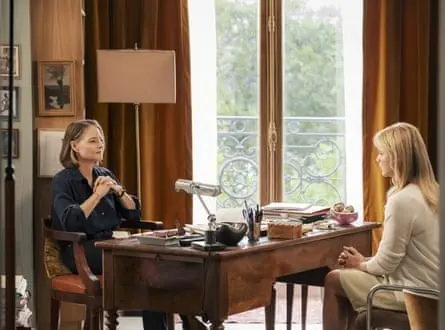
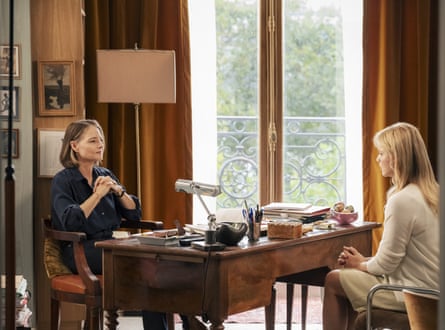
- A Private Life (2025): Directed by Rebecca Zlotowski, this Francophone psychological drama features Jodie Foster as Lilian Steiner, a therapist turned amateur sleuth investigating the death of a former client. The investigation ultimately exposes how Lilian’s professional interventions are desperate, misdirected attempts to compensate for her profound failures as a spouse and parent.
Supporting Context & Metrics: Why Therapy is Having a Cultural Moment
The explosion of ailing, fragile therapists on the silver screen does not exist in a vacuum. It mirrors a profound cultural shift in how society views, accesses, and consumes mental healthcare.
The Normalization and "Sexification" of Therapy
Once heavily stigmatized, therapy has undergone a radical rebranding. According to a comprehensive 2026 public perceptions survey conducted by the British Association for Counselling and Psychotherapy (BACP), approximately 37% of adults in the UK actively sought out mental health services—representing a steady 2-percent increase from the preceding year.
This mainstreaming has been supercharged by digital culture:

- "TherapyTok": Social media platforms have democratized psychological jargon, allowing terms like "gaslighting," "co-dependent," "boundaries," and "narcissistic abuse" to migrate seamlessly from clinical offices into everyday conversation.
- The Rise of the Pop-Psych Podcast: Audio media has turned therapy into entertainment and public education. Renowned psychotherapist Esther Perel’s Where Should We Begin? invites listeners into real-time couples therapy, while true-crime crossover podcasts like The Shrink Next Door expose the dark underbelly of boundary violations in clinical settings.
- Reality Television: Formats like Showtime’s Couples Therapy have broken traditional notions of client confidentiality, broadcasting the raw, unvarnished labor of psychological healing to millions.
Even Hollywood screenwriters have leaned into this lexicon. Film critic Billie Walker has noted the frequent, sometimes dubious deployment of clinical terminology in unexpected genres—such as Nicolas Cage’s vampire dark-comedy Renfield (2023), where the tortured familiar diagnoses his toxic, co-dependent relationship with Dracula using textbook therapeutic concepts.
Official Statements and Industry Insights
Filmmakers and critics point to a collective desire for emotional authenticity as the driving force behind this narrative pivot. The era of the infallible cinematic guru has officially given way to the exploration of human frailty.
Speaking on the creative impetus behind If I Had Legs I’d Kick You, director Mary Bronstein emphasized the absurdity of expecting mental health professionals to function as emotional saints:
"We have spent decades holding therapists to an impossible standard of self-sacrificing perfection. But the reality is that they carry the same vulnerabilities, the same domestic frustrations, and the same existential dread as everyone else. Exploring their breaking point isn’t a critique of the profession; it’s an acknowledgment of human limits."
Film theorists suggest that the cinematic marriage of therapy and horror is a natural evolution. When a character whose entire professional identity is built on logic, boundaries, and emotional regulation begins to lose their grip, the psychological stakes are infinitely higher. As critic and cultural commentator notes suggest, the true terror in these films does not originate from monsters hiding in closets, but from the realization that the mind itself is an untamable wilderness—and that those we pay to help us navigate it are just as lost.
Future Outlook: Where Are Cinematic Therapists Headed?
As we look toward the future of psychological drama and horror, the archetype of the troubled therapist is unlikely to fade anytime soon. Several trajectories are beginning to emerge in contemporary storytelling:
- The Breakdown of Professional Boundaries: As burnout rates surge globally—particularly within caregiving and mental health sectors—future films are expected to further explore the ethical gray areas of transference, countertransference, and professional burnout.
- Surrealism as a Clinical Mirror: The trend of utilizing surrealist, horror-inflected set pieces—such as the augmented memory mazes in Backrooms or the metaphorical demons in Smile—to represent internal psychological decay will likely expand. Filmmakers have realized that traditional talk therapy struggles to visually capture the internal landscape of panic; externalizing psychological distress through genre filmmaking offers a visceral cinematic language.
- The Saturation of Therapy-Speak: As audiences become increasingly literate in psychological terminology, screenwriters will face greater pressure to satirize or subvert clinical jargon. Expect to see narratives that critique the commodification of mental health self-help culture and the limitations of quick-fix wellness tropes.
Ultimately, the proliferation of the crumbling therapist in modern cinema speaks to a comforting, albeit chaotic, truth: in a fractured world, nobody has all the answers. By stripping therapists of their white coats and diagnostic armor, contemporary filmmakers are reminding audiences that the journey toward healing is messy, recursive, and profoundly human.